Pink’s Epic Response to Body Shaming: A Celebration of Self-Love
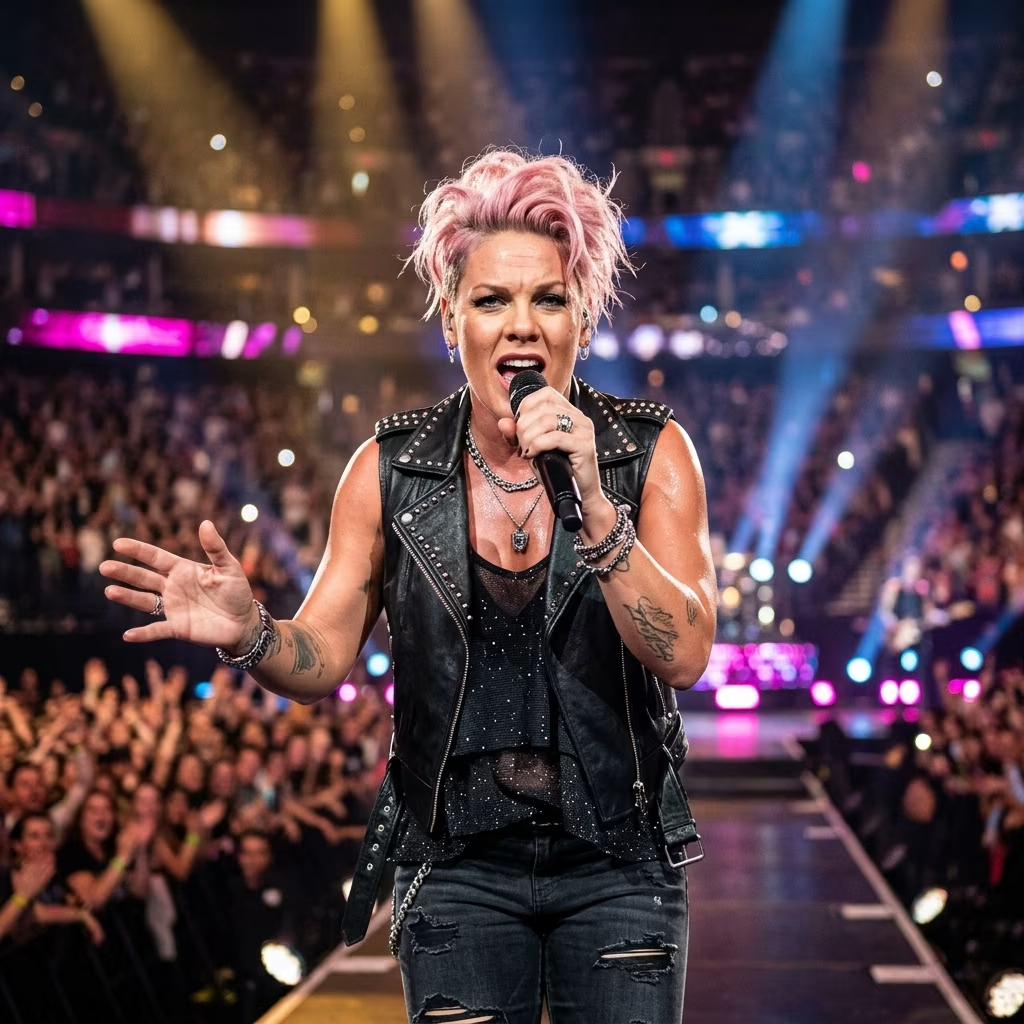
International pop star Pink is renowned for her unapologetic attitude, powerful vocals, and fearless authenticity. But beyond the music charts and concert stages, she’s also become a symbol of body positivity, resilience, and self-love. Recently, Pink made headlines for her pointed—and inspiring—response to an online troll who body-shamed her hips on social media. Her message? Own your body, celebrate yourself, and don’t let negativity define you.
The Incident: Body Shaming on Social Media
On April 24th, 2023, Pink found herself the subject of an unsolicited critique. A far-right commentator posted a photo of the singer in a crop top and low-rise trousers, captioned, “Those aren’t child-bearing hips.” The comment was part of a wider problem of body shaming that persists on social networks, targeting individuals—especially women—for their physical appearance.
- Comment Origin: The remark was made publicly on Twitter, highlighting how celebrities are frequently exposed to critical, often demeaning commentary about their bodies.
- Pervasiveness of Body Shaming: These comments mirror an ongoing societal issue where physical features are scrutinized, and unrealistic standards are perpetuated.
Pinks’s Clapback: Wit, Poise, and Empowerment
Pink’s response was classic, equal parts sharp and classy. Instead of ignoring the taunt, she replied directly:
“Oh, Stewie. Stewie Stewie Stewie. You’ve got too much free time.” 🤡
The clown emoji, coupled with her light-hearted tone, underscored her refusal to take the comment to heart, turning the moment into an opportunity for empowerment.
- Immediate Impact: The reply quickly went viral, exemplifying how humor and confidence can deflect negativity.
- Fan Reaction: Fans rallied around Pink, praising her for addressing the issue head-on and celebrating her authenticity.
Fan Support: Collective Pushback Against Negativity
Following Pink’s reply, her social media platforms were flooded with messages of support. Members of her fanbase expressed admiration for her strength and candidness:
- One Twitter user denounced body shaming, writing, “It’s mind numbing that people actually think this way and say these things.”
- Another reflected on Pink’s influence as a positive role model: “I just think you’re awesome in every single way. My 10-year-old sings and plays guitar and I love that she likes you because you’re such an amazing, healthy role model.”
- Many described Pink as “EPIC and a LEGEND.”
- Fans called her response “brilliant,” “classy,” and an example for others.
- A recurring sentiment: “You are beautiful, hot as hell, and sexy af.”
This groundswell of support underscores the impact that celebrities can have in setting positive examples, especially when facing criticism.
Pink’s Legacy: Advocating Self-Love and Acceptance
Pink’s public persona is characterized by resilience, joy, and candid vulnerability. She frequently discusses self-acceptance and the pressures of living in the spotlight. Her music carries uplifting messages, and her approach to parenting reflects the same values.
- Empowerment Through Music: Pink’s lyrics often touch on self-love, overcoming adversity, and defying societal norms.
- Parental Influence: Her message has trickled down to her children, creating a home environment centered around acceptance.
Addressing Ageism: Pink’s Stand Against ‘Old’ Label
The conversation about body shaming isn’t limited to physical attributes alone. Ageism—discrimination based on age—is another issue often encountered in public life, and Pink recently addressed this head-on.
After a user on X (formerly Twitter) wrote “Pink got old,” she responded:
“Yes, although I don’t feel old, and I still get to wear a leotard to work, growing older is actually my first ‘grateful’ every day. What a blessing to have life, years. To be this strong, to be able to still piss off complete strangers just by existing. F*ck yeah times 44!”
- Her reply reframed aging as a privilege, not a curse.
- Fans echoed support, stating, “Getting old is a blessing,” and “It’s almost like people age as time goes on?”
Pink’s Parenting: A Lesson in Self-Acceptance
Pink’s advocacy isn’t confined to her own experiences. She shares stories of guiding her daughter through the same issues. She once revealed that her daughter felt “ugly because I look like a boy.” Pink responded by creating a PowerPoint presentation featuring androgynous artists who live authentically and inspire others, illustrating the importance of loving oneself.
She explained to her daughter:
- Others might comment: “You look like a boy,” “You’re too masculine,” or “Your body is too strong.”
- Her advice: “Do you see me growing my hair?”—showing that changing for others is not necessary.
Pink’s parenting demonstrates how powerful it is to instill self-worth regardless of outside opinion—a lesson she shares not just with her children, but with millions of fans.
Societal Standards and Gendered Body Criticism
Body shaming, especially for women in the spotlight, is rooted in longstanding social norms and unrealistic expectations. Pink herself has described how outspoken and muscular women are often placed “in a box,” deemed “scary and dangerous,” or judged harshly for not conforming.
- Pink embraces what makes her unique—her short hair, muscular build, and outspoken nature—despite external pressures to conform.
- Her authenticity is both her shield and her superpower, exemplifying that “if you’re outspoken and you don’t bend to societal norms, then you’re scary and dangerous… [but] I’m actually the goofiest, most fun-loving person.”
The Broader Message: Stop Commenting on People’s Bodies
Pink’s public exchanges serve as a call to action: stop judging others based on appearance or age. Her story delivers a crucial takeaway for everyone—celebrities and fans alike:
- Unsolicited Body Critiques Have Real Impact: Public figures are people with feelings, and so are those viewing or reading online commentary.
- Self-Acceptance Begins at Home: By discussing these issues openly—whether with her daughter or her fanbase—Pink encourages honest conversations about self-worth.
- Celebrating Individuality: Her career and personal narrative affirm the importance of living authentically, regardless of public opinion.
How Pink’s Authenticity Connects with Fans
There is a reason Pink continues to engage with fans—and even critics—on social platforms. During a “60 Minutes” special, Pink explained the value of openness:
“If I’m a mystery to you, how can I expect you to connect with me? And if I’m a person that’s desperate for connection, then why would mystery be interesting to me? … I wanna know you. I want you to know me.”
- Her approach has fostered a loyal fan base who sees themselves reflected in her struggles and triumphs.
- Pink goes beyond the musical persona—she’s a mom, a winemaker, and someone focused on enjoying life.
Body Positivity in Modern Pop Culture
The significance of Pink’s response carries into larger conversations about body image and positivity, especially in the era of social media:
- Changing the Narrative: When celebrities like Pink publicly confront trolls and negative stereotypes, they help reshape cultural attitudes.
- Impact on Young Fans: Her transparency with her children and her audience supports young people in developing healthier relationships with their bodies.
- Empowerment for All: Pink’s journey—the highs and lows—resonates with anyone who has felt different, criticized, or pressured to conform.
Table: Common Body-Shaming Tropes and Empowering Responses
| Body Shaming Trope | Empowering Reply |
|---|---|
| “Those aren’t child-bearing hips.” | “You’ve got too much free time.” – Humor as shield. |
| “Pink got old.” | “Growing older is my first ‘grateful’ every day. What a blessing!” |
| “You look like a boy/too masculine.” | Embrace uniqueness; no need to conform. |
Frequently Asked Questions (FAQs)
Q: Why is Pink often targeted by body shamers?
A: Pink’s outspoken personality, muscular physique, and refusal to adhere to conventional gender standards make her a frequent target. Her willingness to challenge these expectations publicly sets her apart.
Q: How does Pink handle negative comments?
A: Pink uses wit, strength, and empathy to address negativity. Her responses are both empowering and instructive, modeling healthy ways to cope with criticism online.
Q: What message does Pink provide to fans and her children?
A: She urges everyone to celebrate their authenticity, resist societal pressures to conform, and cultivate self-love. Her advice to her daughter and her audience is consistent: be proud of who you are.
Q: Why does Pink keep engaging with critics on social media?
A: Pink believes connection requires honesty. She prefers being transparent so that fans feel understood and valued, fostering a sense of community.
Q: How can individuals respond to body shaming in their own lives?
A: Take inspiration from Pink—utilize humor, confidence, and assertive communication. Support others and speak out against damaging stereotypes when you can.
Encouraging the Conversation: What We Can Learn
Pink’s exchanges illuminate a critical issue: the fight against body shaming and ageism is ongoing. By engaging with trolls, she doesn’t just defend herself—she champions a broader cultural movement for acceptance, resilience, and self-love. Her journey serves as an inspiration, urging us all to look past criticism and appreciate the uniqueness in ourselves and others.
- Always stand up for yourself and others against unjust negativity.
- Value aging and physical diversity as strengths, not weaknesses.
- Remember: You are not defined by anyone’s standards but your own.
Final Thoughts: Redefining Strength, Beauty, and Aging
Pink’s battles on social media are emblematic of larger challenges faced by many—especially public figures and young women. Her responses, filled with humor and conviction, redefine what strength, beauty, and aging mean in today’s world. Through music, words, and actions, she continues to empower people everywhere to resist negativity, embrace self-love, and celebrate every facet of themselves. The lesson is clear: stop commenting on other people’s bodies—and start celebrating your own.
References
- https://www.prevention.com/fitness/a43722224/pink-claps-back-at-body-shaming-comment-hips-in-epic-tweet/
- https://www.aol.com/amphtml/pink-just-expertly-clapped-back-170000305.html
- https://www.tyla.com/celebrity/pink-child-bearing-hips-twitter-stew-peters-616034-20230508
- https://www.prevention.com/health/a46146348/pink-claps-back-at-commenter-who-called-her-old-fans-react/
- https://abcnews.go.com/GMA/Culture/pink-claps-back-online-troll-got-old-blessing/story?id=105589239
- https://www.iheart.com/content/2018-05-16-pink-had-the-perfect-response-to-an-ageist-twitter-troll-see-her-clapback/