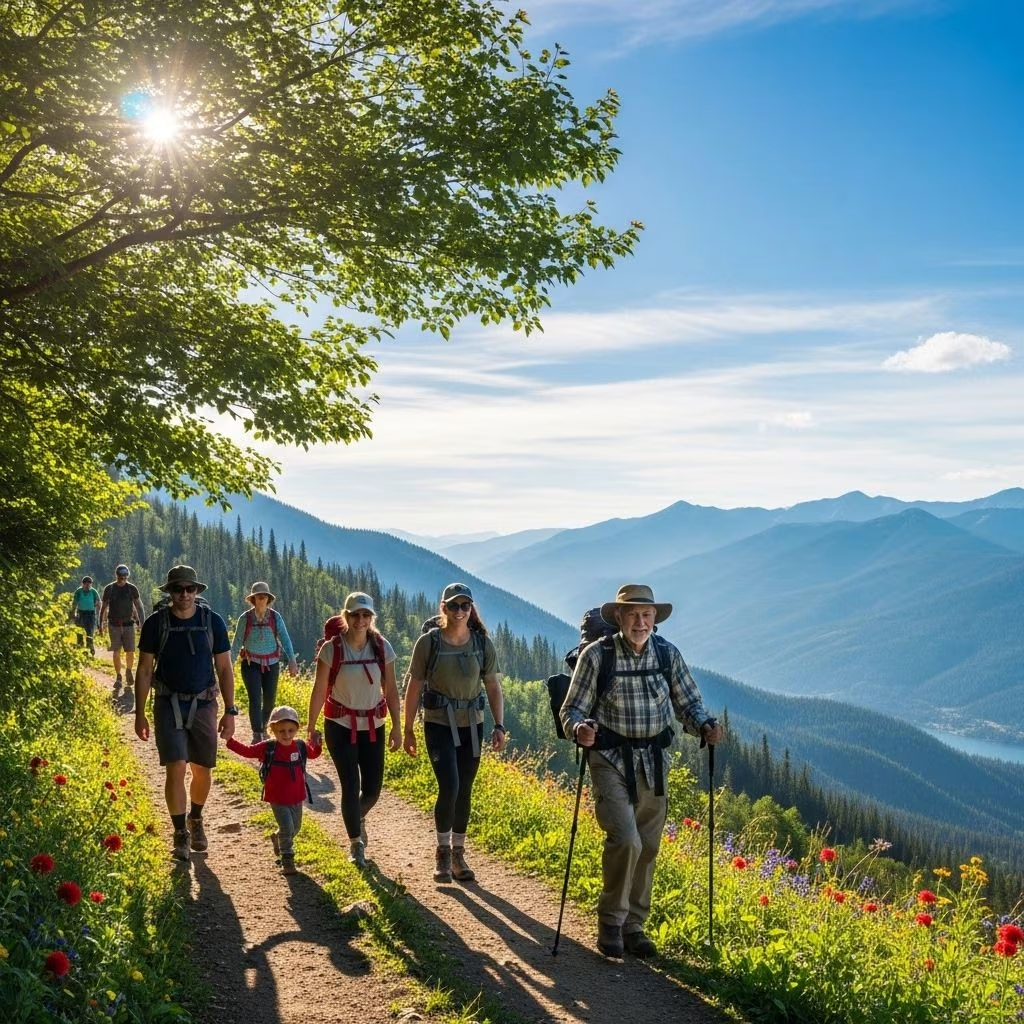
There’s nothing like hiking to celebrate the long days of summer. From calm forest strolls perfect for beginners to awe-inspiring mountain challenges for seasoned trekkers, America’s trails offer something special for everyone. Whether you’re looking to bask in wildflower meadows, explore dramatic canyons, or enjoy iconic national parks, this guide spotlights 15 stunning U.S. hiking experiences — each ideal for different skill levels and perfect for your next summer adventure.
Why Hiking Is the Perfect Summer Activity
Hiking not only allows you to immerse yourself in nature but also serves as a fantastic cardiovascular workout, supports mental wellbeing, and is accessible to almost everyone. Many trails require minimal gear, making it easy for newcomers to join in. These hikes are selected for their scenic beauty, accessibility, and variety in difficulty, ensuring everyone can get outdoors this season.
Top Summer Hikes by Region and Skill Level
-
Hidden Falls and Inspiration Point Trail, Grand Tetons National Park, Wyoming
Best for: Beginner Hikers
The Grand Tetons house 31 hiking trails, but Hidden Falls and Inspiration Point is a stand-out for novices and families. Expect tranquil lakeside views, a gentle elevation gain, and breathtaking waterfall vistas. Evenings can be spent in nearby Jackson.
- Distance: About 2 miles round trip
- Scenery: Waterfalls, alpine lakes, panoramic mountain views
-
Sunset Point to Sunrise Point, Bryce Canyon National Park, Utah
Best for: Beginner Hikers
This iconic one-mile route traverses Bryce Canyon’s spectacular orange rock formations and is accessible even to families with kids. It’s one of several short and manageable options in the park and is notably dog-friendly.
- Distance: 1 mile round trip
- Scenery: Unique hoodoo rock spires, expansive canyon vistas
-
Coastal Trail, Redwood National and State Parks, California
Best for: Beginners & Families
The gentle Coastal Trail meanders among the world’s tallest redwoods, offering cool forests and breathtaking Pacific Ocean views. Several manageable segments are perfect for first-time hikers or those seeking a relaxed pace.
- Distance: Varies (choose short sections)
- Scenery: Ancient redwood groves, ocean overlooks
-
Billy Goat Trail – Section A, Great Falls, Maryland
Best for: Intermediate Hikers
Located alongside the Potomac River, Section A of the Billy Goat Trail features rock scrambling and stunning river views. It’s a moderate challenge, requiring some agility but rewarding with dramatic scenery just outside Washington, DC.
- Distance: 1.7 miles (trail only)
- Scenery: Rapids, jagged rocks, lush woods
-
Lost Lake Trail, Chugach National Forest, Alaska
Best for: Intermediate to Advanced Hikers
Traversing wildflower meadows and open tundra, this hike culminates in sweeping views of Lost Lake and snow-dusted mountains in the Kenai Peninsula. In June and July, expect dazzling colors and long daylight hours.
- Distance: 14 miles round trip
- Scenery: Wildflowers, alpine lakes, panoramic mountain ridges
-
Misty Mountains Loop, Great Smoky Mountains National Park, Tennessee/North Carolina
Best for: Intermediate Hikers
This 4-mile loop showcases the diversity of America’s most visited national park. Hike through lush forests, cascading streams, and blooming rhododendrons, with ample wildlife spotting opportunities.
- Distance: 4 miles
- Scenery: Forests, streams, wildflowers, views of smoky peaks
-
Kalalau Trail, Nā Pali Coast, Kauai, Hawaii
Best for: Advanced Hikers
Known for lush cliffs and turquoise coves, Kalalau is considered one of the world’s most beautiful—if challenging—trails. Be prepared for rugged terrain and breathtaking ocean scenery. Entry is by permit only for overnight stays.
- Distance: 11 miles one way
- Scenery: Dramatic coastal cliffs, beach waterfalls, jungle
-
Echo Canyon Loop, Chiricahua National Monument, Arizona
Best for: Intermediate Hikers
This 3.3-mile loop immerses visitors in a wonderland of towering rock formations known as “sky islands.” It’s best tackled in the morning to avoid summer heat, providing sweeping postcard vistas of southwestern Arizona.
- Distance: 3.3 miles
- Scenery: Striking rock pinnacles, desert vegetation
-
Bears Ears, Mule Canyon Trail, Utah
Best for: Beginner to Intermediate Hikers
This route weaves through ancient canyons, with fascinating Ancestral Puebloan ruins along the way. The trail is relatively flat, making it a great introduction to the desert wonders of southern Utah.
- Distance: 4 miles round trip
- Scenery: Sandstone canyons, ancient ruins
-
Shenandoah National Park, Old Rag Mountain, Virginia
Best for: Advanced Hikers
Old Rag is legendary for its strenuous 9-mile circuit and exhilarating rock scrambles. Panoramic Blue Ridge views await those who make it to the summit—particularly stunning at sunrise or sunset.
- Distance: 9 miles loop
- Scenery: Wooded slopes, rocky summits, vast Appalachian vistas
-
Ice Lake Basin, San Juan National Forest, Colorado
Best for: Intermediate to Advanced Hikers
This high-altitude Colorado classic climbs over 2,500 feet to stunning turquoise glacial lakes rimmed by jagged peaks and wildflower meadows. Brave the challenge in late summer for snow-free trails and peak bloom.
- Distance: 8 miles round trip
- Scenery: Glacial lakes, alpine meadows, dramatic mountain vistas
-
Sleeping Bear Dunes, Empire Bluff Trail, Michigan
Best for: Beginner Hikers & Families
A gentle path through hardwood forest leads to sweeping Lake Michigan views perched atop majestic sand dunes. The short but rewarding hike is a highlight of the Great Lakes.
- Distance: 1.5 miles round trip
- Scenery: Sand dunes, Great Lakes shoreline, forests
-
Enchanted Valley Trail, Olympic National Park, Washington
Best for: Intermediate Hikers
Nicknamed “the valley of 10,000 waterfalls,” this lush trail follows the Quinault River through old-growth forests and past cascading falls. June and July deliver wildflower displays and rushing waters.
- Distance: Varies; popular to hike 13 miles round trip to the Enchanted Valley Chalet
- Scenery: Waterfalls, rainforests, river valleys
-
Appalachian Trail: Mount Moosilauke, New Hampshire
Best for: Advanced Hikers
This 7.5-mile out-and-back trek climbs the iconic White Mountains, with summit views sweeping across New England. July’s alpine flowers and cool breezes make it a true summer highlight.
- Distance: 7.5 miles round trip
- Scenery: Alpine summits, forested trails, vast mountainscapes
-
Muir Woods National Monument, California
Best for: All Skill Levels
Only minutes from San Francisco, Muir Woods’ accessible boardwalks and quiet forest paths wind among towering redwoods. Various trails suit every ability, and cool coastal fog adds to the magic.
- Distance: Choose from short strolls to several miles
- Scenery: Towering redwoods, shaded creek beds, wildlife
Planning for a Safe and Enjoyable Summer Hike
Before hitting the trail, preparation is key. Here are essential tips to make your hike safe and memorable:
- Hydration: Drink plenty of water before, during, and after your hike. Summer heat increases dehydration risk, especially at altitude or in dry climates.
- Weather Awareness: Always check the local forecast and consider the potential for storms, extreme heat, or wildfire smoke. Mountain storms can form rapidly.
- Appropriate Gear: Lightweight, moisture-wicking clothing, sturdy footwear, sun protection (hat, sunscreen, sunglasses), and trail snacks are must-haves.
- Trail Etiquette: Stay on marked paths, respect wildlife, pack out all trash, and yield appropriately to other hikers and equestrians.
- Emergency Plans: Share your plans with someone, know your route, and bring a map or GPS device.
Table: Summertime Hiking Safety Essentials
| Safety Tip | Why It’s Important | Action Item |
|---|---|---|
| Hydrate adequately | Dehydration can sneak up quickly in summer heat | Bring at least 1-2 liters of water per person |
| Protect against sun | Hiking often means prolonged sun exposure | Wear a wide-brim hat, sunscreen, and UPF clothing |
| Pack smart | Be ready for sudden weather or emergencies | Carry extra food, a rain jacket, and first aid kit |
| Time your hike | Midday is hottest and riskiest for exertion | Start early or go late afternoon |
| Know your limits | Overexertion can lead to heat illness or injury | Pick trails suitable for your experience |
How to Choose the Right Trail for Your Skill Level
Picking a suitable hike is key to having a rewarding—and safe—experience. Consider these points:
- Distance and elevation: Beginners should stick to shorter, relatively level hikes; intermediates and advanced hikers can gradually take on longer distances or steeper grades.
- Trail conditions: Check for rocky terrain, water crossings, or other features you may not be comfortable with.
- Access and amenities: Many national and state parks offer detailed maps, ranger guidance, and accessible trail options.
- Personal comfort and fitness: Always err on the side of caution—better to finish strong than to risk overextending.
Frequently Asked Questions (FAQs)
What is the best time of day to hike in summer?
Early morning and late afternoon are best, helping you avoid midday heat and crowds while maximizing cooler temperatures and wildlife sightings.
Do I need special gear for summer hiking?
While basic hikes require sturdy shoes, comfortable clothes, water, and snacks, longer or remote treks call for layered clothing, a map, and sun protection. Always bring more water than you think you’ll need.
Are these hikes suitable for children?
Yes! Many of the hikes listed have beginner-friendly options or short trails ideal for families. Always check trail details and prepare accordingly for the age and experience of your group.
How do I prepare if I’m new to hiking?
Start with local trails and short walks. Gradually increase distance, and practice using hiking gear. Group hikes or ranger-led walks can build confidence and skills quickly.
What should I do if I encounter wildlife?
Stay calm, keep a respectful distance, and never feed wild animals. Observe quietly, and give them the right of way. For larger wildlife (bears, moose), educate yourself about best practices in that specific area.
Final Tips for Your Summer Hiking Adventure
- Research the current trail conditions and closures on official websites before leaving.
- Consider using hiking poles for balance, especially on steeper or uneven trails.
- Pack bug repellent, especially for wooded or wet areas.
- Respect nature by staying on established paths and leaving no trace.
With the right preparation and trail selection, summer hiking can become a lifelong passion. Set out on one of these beautiful hikes and let America’s wild places inspire your next adventure!
References
- https://mwg.aaa.com/via/national-parks/essential-summer-hiking-safety-tips
- https://www.prevention.com/fitness/g44677162/beautiful-summer-hikes-for-all-skill-levels/
- https://www.prevention.com/health/a20456236/summer-adventure/
- https://www.prevention.com/fitness/a20508133/the-amazing-way-one-woman-hiked-her-way-to-a-new-body-and-a-new-life/
- https://www.prevention.com/fitness/g27400009/best-hiking-trails-in-every-state/
- https://www.prevention.com/health/a63024078/walking-adds-11-years-to-life-study/
- https://www.prevention.com/health/mental-health/a36662899/nature-mental-health-benefits/