Whether you’re a newcomer lured by pickleball’s growing popularity or a seasoned player seeking to refine your game, having an organized checklist is key to an enjoyable, successful experience on the court. This in-depth guide covers the absolute essentials, pro-recommended upgrades, tips for court etiquette, frequently asked questions, and actionable advice to help you step onto the court with confidence and readiness.
Pickleball Essentials: What You Truly Need to Start
The allure of pickleball is its accessibility—you don’t need a mountain of gear to enjoy the game. However, having the right equipment can improve both performance and enjoyment from your very first swing.
- Paddle: Your most important tool. Choose a lightweight, beginner-friendly paddle with a large sweet spot for easier ball control. Material choices include graphite, fiberglass, or composite. Learn your preferences before upgrading to top-tier gear.
- Pickleball Balls: Specifically designed plastic balls with holes. Indoor balls are softer with larger holes, while outdoor balls are firmer to withstand wind and hard surfaces. Always match your ball type to your playing environment.
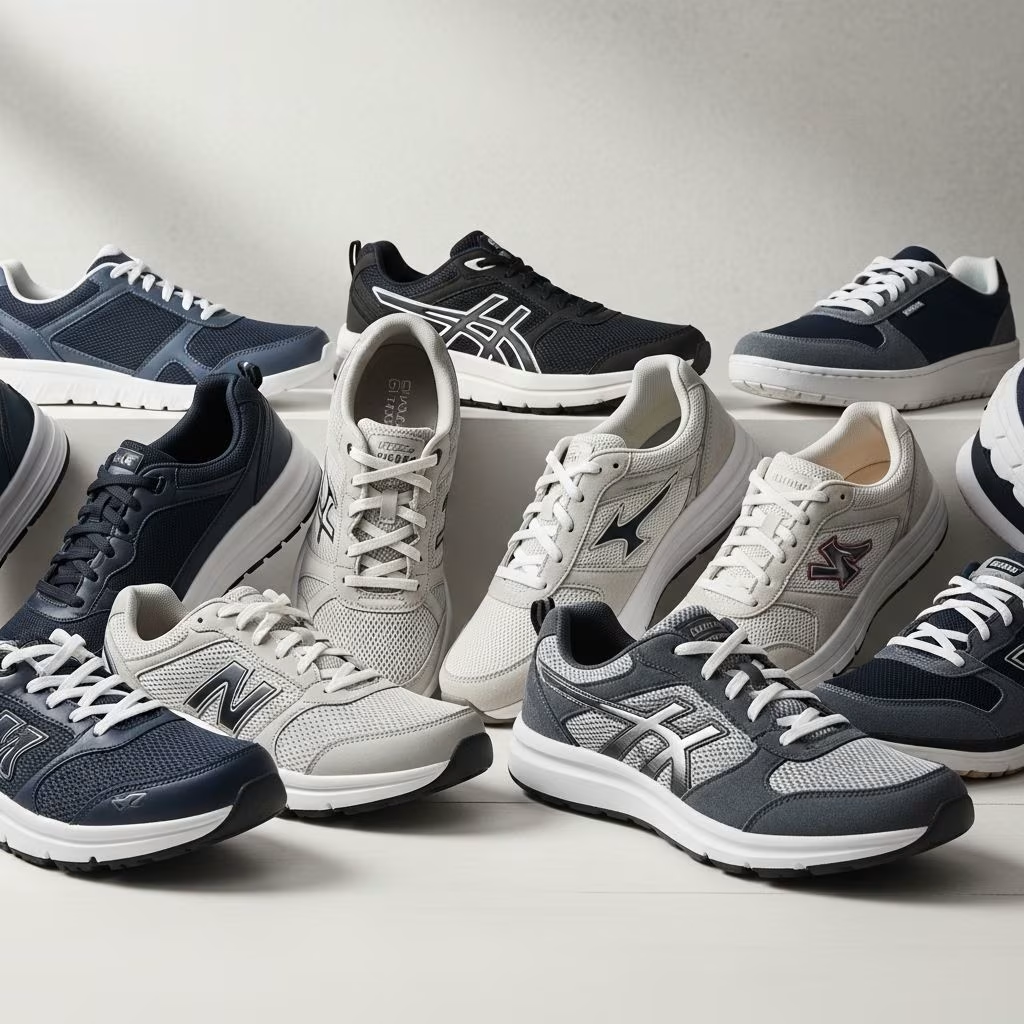
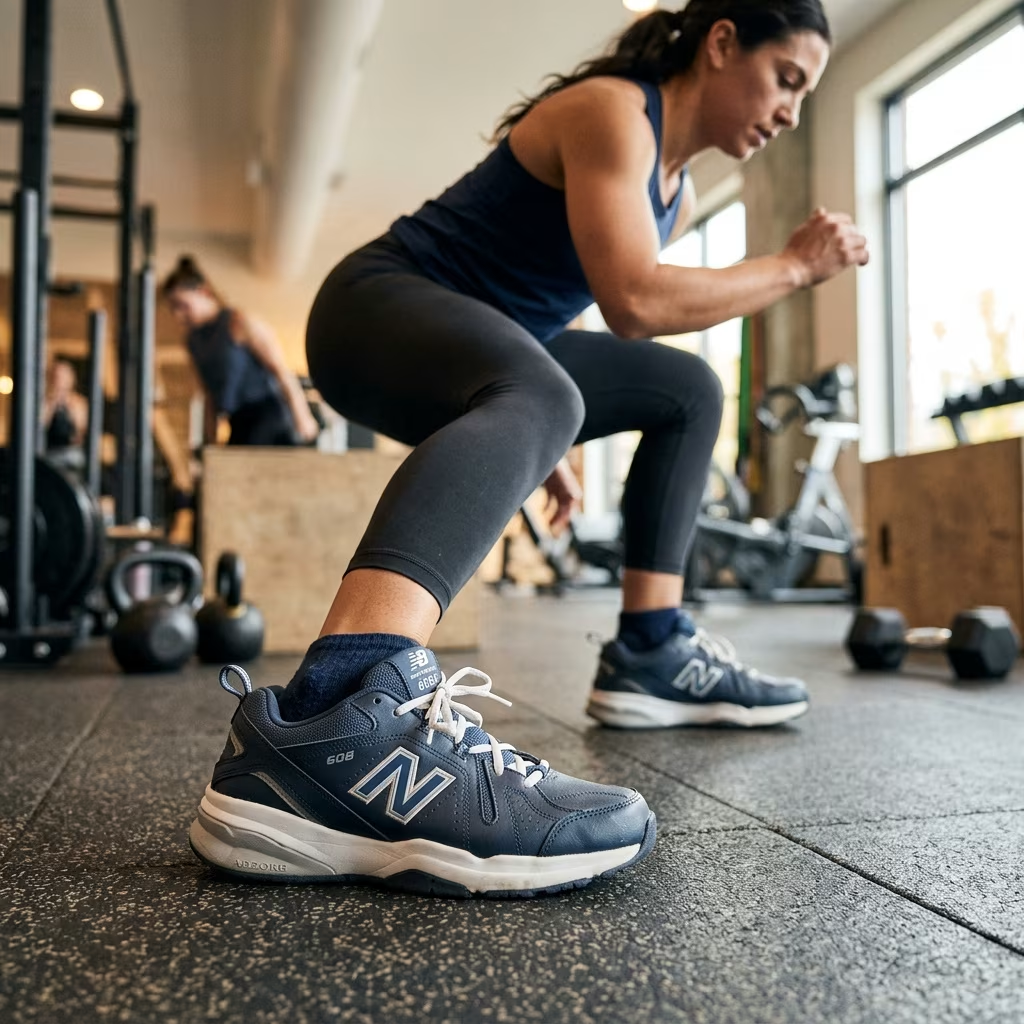
- Court Shoes: Supportive court shoes are a must for injury prevention and agility. Shoes designed for tennis or volleyball offer the best lateral stability and non-marking soles. Avoid running shoes, as these are meant for straight-line movement.
- Net: If not playing at a dedicated court, a portable pickleball net lets you set up anywhere with a flat surface. Regulation height is 36” at the sidelines and 34” in the center, and most portable sets can be assembled in under ten minutes.
Quick Start Checklist
- 1 or more pickleball paddles (lightweight, beginner recommended)
- Multiple pickleball balls (indoor or outdoor, as needed)
- Court or tennis shoes with good grip and support
- Portable or permanent net (if not already set up)
- Comfortable athletic attire (breathable and easy to move in)
Pickleball Paddle: Your Game’s Main Weapon
The paddle you choose will influence your control, power, comfort, and even enjoyment. Here’s what new and improving players need to know about paddle selection:
- Material: Most paddles for beginners are made from wood, fiberglass, or composite.
- Weight: Lightweight paddles (< 8 oz) allow quicker reaction and are easier on the arm, while heavier ones provide more power but can cause fatigue.
- Shape: Standard paddles have a large sweet spot and are best for beginners. Elongated paddles offer more reach and power at the expense of control.
- Grip Size: A well-fitted grip prevents blisters and arm strain. Most entry paddles suit medium hands, but check grip circumference if you have particularly small or large hands.
- Budget: Avoid over-investing early on. Many starter paddle kits bundle two paddles and balls, perfect for learning and sharing the court with friends.
Popular Beginner and Intermediate Paddle Options
| Paddle Name | Material | Approx. Weight | Suited For |
|---|---|---|---|
| Diller Wood Paddle | Hardwood | ~10 oz | Budget, new players, group play |
| Gamma Jester | Graphite & Aluminum | ~7.8 oz | Intermediate, control-orientated |
| Tangerine Cote d’Azur | Composite, fiberglass | Lightweight | Beginners, large sweet spot |
Selecting the Right Pickleball: Indoor vs. Outdoor
Pickleballs appear similar, but choosing the correct type for your play environment will make a surprising difference:
- Outdoor Balls: Smaller holes, heavier plastic, built to resist wind and bounce on concrete or tarmac. Typically yellow or bright colors for visibility.
- Indoor Balls: Slightly softer, bigger holes, designed for gym surfaces. Usually less lively in bounce compared to outdoor balls.
Always bring spares—balls can crack or lose their shape over time.
Footwear Matters: Why Pickleball Shoes Are Essential
Incorrect footwear is one of the most common causes of beginner injuries. Court shoes (tennis, squash, or volleyball shoes) provide the lateral support and cushioning you need to stay agile and safe. Look for:
- Flat, wide base for stability
- Non-marking outsole (required at many indoor facilities)
- Good arch support for long sets and less fatigue
Avoid running shoes or sneakers designed solely for forward motion; they increase your risk of rolling an ankle or slipping on quick stops and lateral moves.
Net Sets: Your Options for Getting in the Game Anywhere
If you’re not playing on a dedicated court, a portable net system transforms a driveway, park, or rec center space into a game-ready environment. Consider:
- Regulation Dimensions: 22 feet wide, 36 inches high at the sidelines, 34 inches at center
- Sturdy frame (lightweight aluminum or steel): Ensures the net stays upright even in breezy conditions
- Quick-setup design: Many models assemble or break down in under 10 minutes
- Carry bag: Makes transport and storage easy
Add-On Accessories That Improve Comfort and Play
- Pickleball Bag or Backpack: Keep your gear organized. Look for compartments for balls, shoes, water bottle, and valuables.
- Water Bottle: Dehydration sneaks up quickly during fast-paced rallies.
- Hat or Visor: Essential for sunny outdoor courts to keep glare at bay.
- Microfiber Towel: Wipes away sweat, dust, or grime from hands and paddle.
- Extra Grips/Tape: For improved paddle control and comfort, especially in humid climates.
- Protective Eyewear: Not mandatory, but strongly recommended—especially in doubles or indoor play to prevent eye injuries from fast volleys.
- Sports Gloves: Enhance grip and minimize the risk of blisters during repeated play.
Smart Clothing Choices for Pickleball
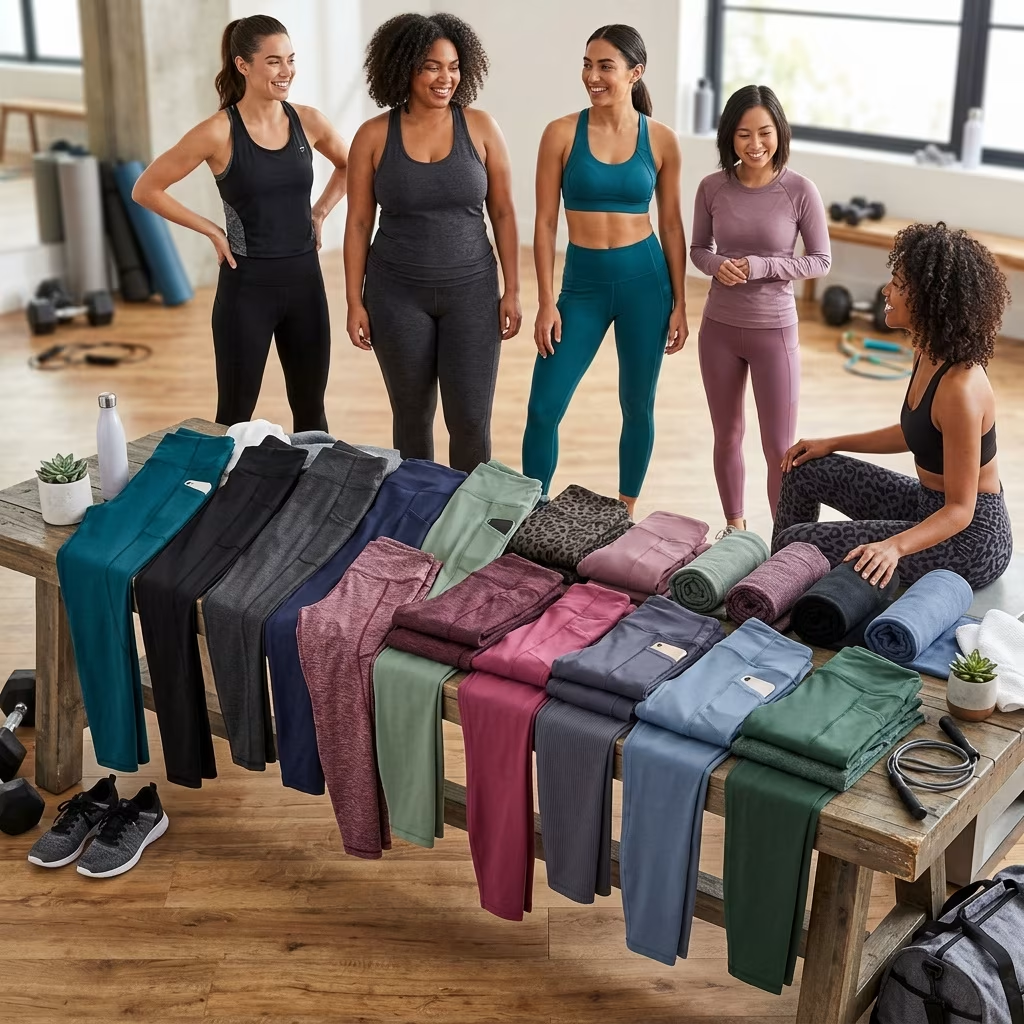
Pickleball is fast-moving, so your clothes should let you run, reach, and stretch:
- Breathable tops and bottoms: Opt for moisture-wicking fabrics to stay dry. Athletic shorts, skorts, or joggers are all popular.
- Layer as needed: In cooler weather, wear lightweight, flexible long sleeves or athletic jackets.
- Compression socks: Support calf muscles and may help reduce swelling on long play days.
Safety Tips and On-Court Etiquette
- Hydration: Bring water and drink between games to prevent cramps and overheating.
- Stretch and warm up: Five minutes of light dynamic stretching reduces injury risk.
- Respect other players: Avoid crossing behind active courts and call out errant balls immediately.
- Know the rules: Spend a few minutes reading the basic rules about serving, scoring, and non-volley zones (the “kitchen”).
- Communicate: If playing doubles, call yours/mine and support your partner with positive encouragement.
- Watch for hazards: Remove stray balls and bottles from the court area to prevent trips and slips.
Upgrades for the Enthusiastic Player
- Performance Paddles: Once you’ve played for a while, try paddles made with advanced materials for more power or spin.
- Customizable Grips and Weighting: Fine-tune grip size or add lead tape for tailored feel.
- Ball Machines: Practice shots solo; these are for those serious about improvement.
- Coaching and Clinics: Small group lessons or private instruction can accelerate learning and minimize bad habits.
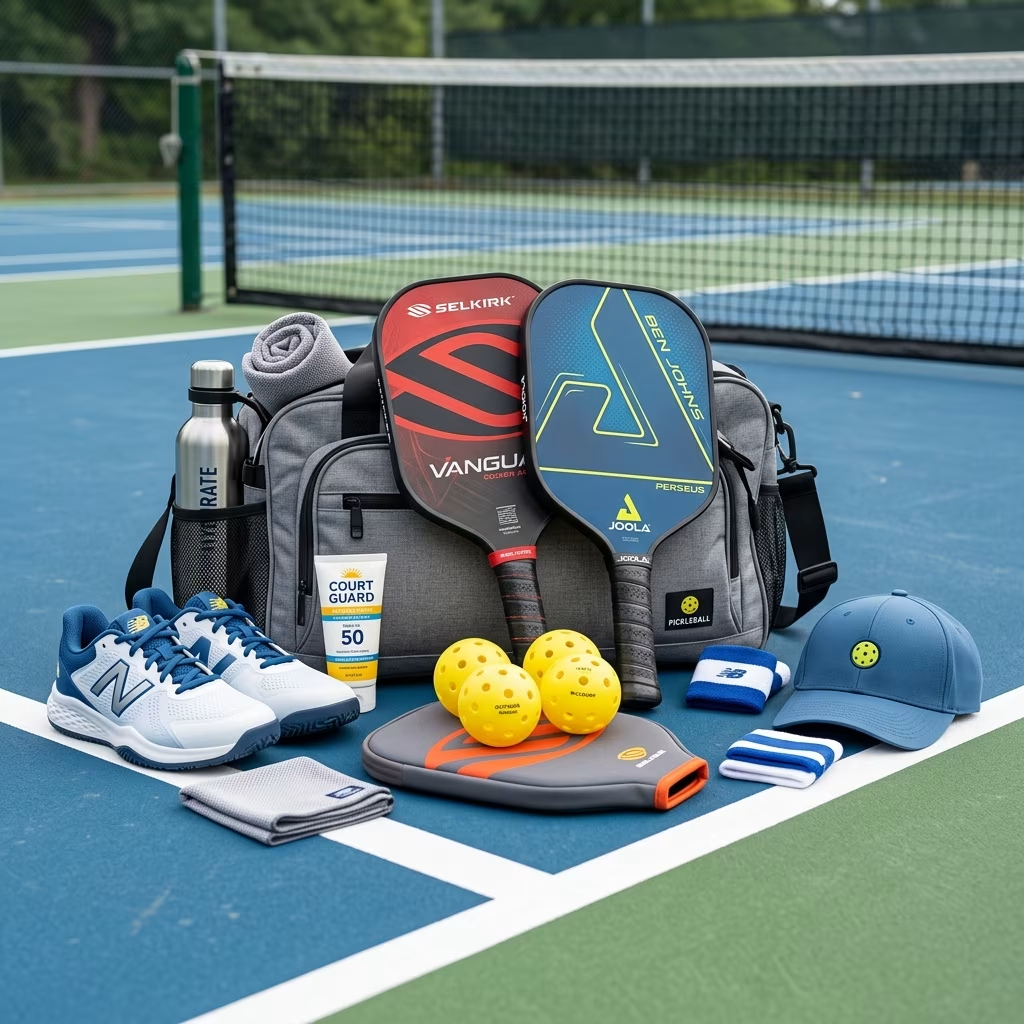
Pickleball Day Packing List
- Paddle(s) and backup
- 2-4 pickleballs (indoor or outdoor as needed)
- Court shoes and change of socks
- Water bottle, hat/visor, sunscreen
- Towel and wristbands
- Healthy snack or energy bar
- First-aid kit (band-aids, tape, ibuprofen)
- Pickleball bag for easy carrying
Frequently Asked Questions (FAQs)
Q: Can I use a tennis or ping-pong paddle for pickleball?
A: No, pickleball paddles are unique. They are larger than ping-pong paddles but smaller than tennis racquets, with no strings and a solid face. Using the correct paddle improves both performance and safety.
Q: What’s the difference between indoor and outdoor pickleballs?
A: Indoor balls are lighter, have larger holes, and provide less bounce; outdoor balls are heavier, with smaller holes and designed for wind resistance and harder court surfaces.
Q: Do I need special shoes to play pickleball?
A: Yes. Court shoes offer lateral support and grip, reducing the risk of slips or rolled ankles. Avoid running shoes intended for linear movement.
Q: Is eye protection necessary for pickleball?
A: While not required, sports sunglasses or protective eyewear are highly recommended—especially for fast, competitive play and when playing doubles.
Q: What else should I bring to my first game?
A: Bring water, a towel, sun protection, and a positive attitude! Many enjoy packing a light snack, extra pickleballs, and even a backup paddle in case of equipment failure.
Expert Tips for Enjoying Pickleball from Day One
- Don’t overthink gear at first: Start simple so you can focus on learning and fun. You can always upgrade gear as you grow more enthusiastic about the game.
- Try before you buy whenever possible: Borrow paddles, hit with friends’ balls, or join a community center session to discover what feels right.
- Invest in quality shoes before premium paddles: Comfort and stability will improve your experience more than extra paddle features early on.
- Be proactive about hydration and injuries: Take regular breaks, stretch, and listen to your body to avoid burnout or strains.
Conclusion: Confidence on the Court Starts with Readiness
Pickleball promises fitness, fun, and community for people of all ages and skill levels. Armed with this checklist, you’ll have the essentials for a successful first game, helpful add-ons for comfort and performance, and the background to play safely—so the only thing left is to get on the court and have a blast!
References
- https://www.rezerv.co/blogs/essential-pickleball-equipment-guide-for-beginners–rezerv
- https://northstateresurfacing.com/blog/equipment-needed-to-play-pickleball
- https://tangerinepaddle.com/blogs/guide/a-beginners-guide-to-pickleball-gear
- https://www.playpickleball.com/beginners-pickleball-gear/
- https://www.sportsgearswag.com/blog/pickleball-equipment-checklist
- https://pickleballcentral.com/for-new-pickleball-players/
- https://101-pickleball.com/blogs/all-things-pickleball/the-essential-pickleball-gear-checklist
- https://zallesracquetsports.com/2025/03/pickleball-essentials-everything-you-need-to-get-started/
- https://www.justpaddles.com/blog/post/how-to-play-pickleball/