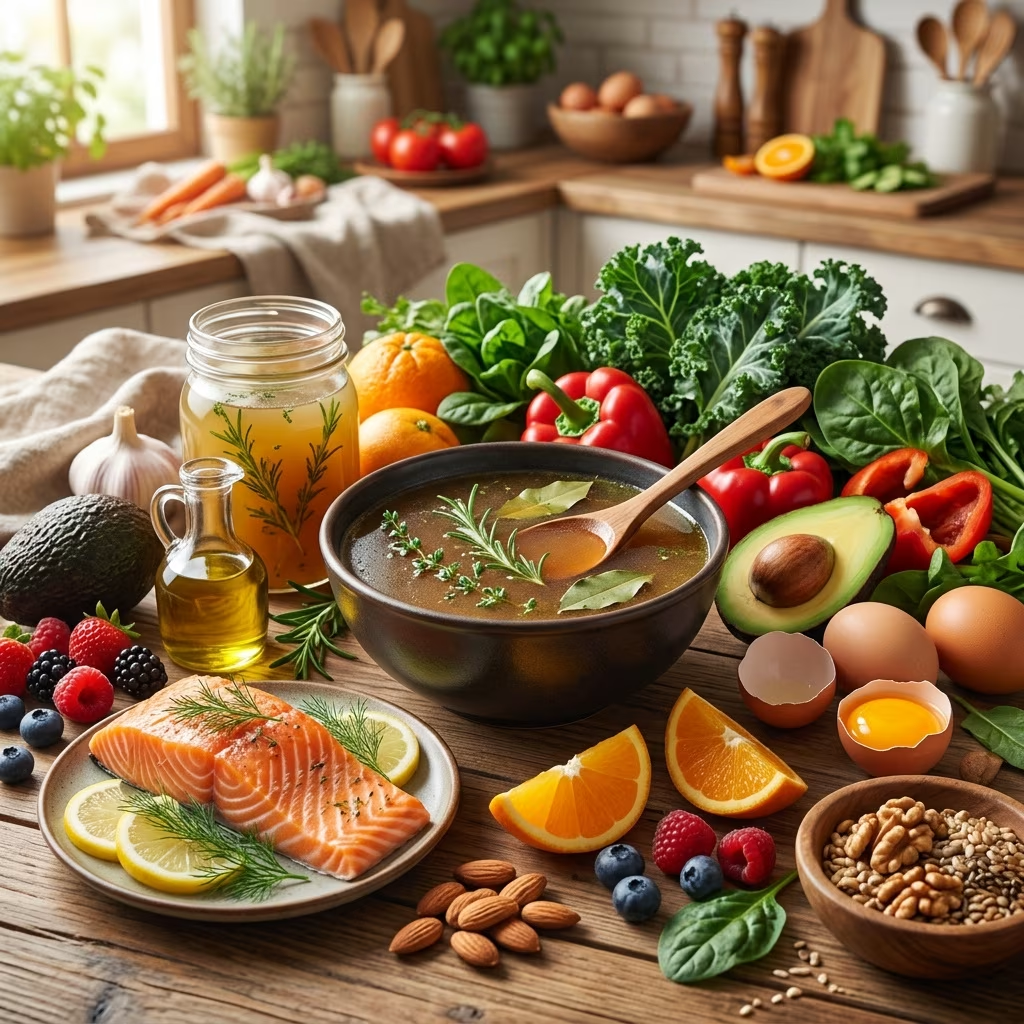
Arsenic, a naturally occurring element found in air, water, and soil, has become a dietary concern due to its potential health risks, especially when exposure is chronic. While small traces are nearly unavoidable, consistently high intake of foods or beverages with elevated arsenic can contribute to health problems over time. This article explores which common foods and drinks tend to be higher in arsenic, the risk factors, expert guidance on safe consumption, and practical steps to minimize exposure.
Understanding Arsenic: Forms and Health Impacts
Arsenic exists in two major forms:
- Organic Arsenic: Found mainly in plant and marine life. Generally considered less toxic, but ongoing research suggests that organic forms in some seafood may still pose health risks with frequent consumption.
- Inorganic Arsenic: Commonly seen in contaminated water, soil, and certain foods. This is the form associated with higher toxicity and increased health risks, such as cancer, cardiovascular issues, skin lesions, and developmental problems, particularly with long-term exposure.
The body cannot completely eliminate arsenic as quickly as it is consumed, so accumulation occurs with repeated exposure, raising risk for chronic health effects.
Should You Worry About Arsenic in Food?
While the U.S. Food and Drug Administration (FDA) and other agencies regulate and monitor arsenic in foods, studies have highlighted how certain foods may accumulate more arsenic than others. Most people with balanced, varied diets are not at risk for arsenic toxicity. Problems are more likely when the same high-arsenic foods or drinks are eaten heavily or exclusively over long periods. The best approach: Know which foods may be higher in arsenic and take sensible steps to moderate your intake.
The 5 Surprising Foods and Drinks High in Arsenic
Research from Dartmouth College and other leading institutions has found that these foods and beverages can be major contributors to dietary arsenic:
1. Brussels Sprouts and Cruciferous Vegetables
Often celebrated for their health benefits, brussels sprouts and other cruciferous vegetables (like kale, broccoli, and cauliflower) can be surprisingly high in arsenic compared to other vegetables. Why? Arsenic that exists naturally in the soil is strongly attracted to the sulfur compounds present in these veggies. Research showed that regular consumers of brussels sprouts had 10.4% higher levels of arsenic compared to those who ate these rarely or never.
- All members of the Brassicaceae family may accumulate particularly high inorganic arsenic when grown in contaminated soil.
- However, these vegetables confer many health benefits, so moderation – not elimination – is recommended.
2. Dark-Meat Fish and Seafood
Seafood is a known source of both organic and, to a lesser extent, inorganic arsenic. In particular, people who regularly eat dark-meat fish such as tuna, mackerel, salmon, sardines, bluefish, and swordfish tend to have 7.4% higher inorganic arsenic levels compared to infrequent fish eaters. While organic arsenic, abundant in marine life, is considered less toxic, growing evidence suggests it may not be entirely harmless if consumed in large quantities or very frequently.
- All seafood – including both fish and shellfish – tends to be higher in total arsenic than most other foods.
- Favoring a mix of seafood options and avoiding excesses can mitigate risk.
- Current advice: Include seafood in your diet, but don’t rely on the same varieties or eat them daily.
3. Rice and Rice-Based Products
Rice is uniquely efficient at absorbing and accumulating both inorganic and organic arsenic from its growing environment. Although the study referenced did not find a statistically significant association between rice and arsenic in its participants (who were generally low rice consumers), other studies have clearly shown that eating rice at typical American levels—about half a cup daily—is associated with consistently higher arsenic levels. Brown rice often contains more arsenic than white due to retention in the outer layers.
- Arsenic content is higher in rice than most other grains.
- Infants and young children, who eat rice-based cereals and snacks, may be especially vulnerable.
- The FDA recommends varying your grain choices, using cooking methods that reduce arsenic (such as rinsing rice and cooking it in excess water), and limiting rice-based products for children.
4. Chicken and Other Poultry
Many consumers are surprised to learn that conventional poultry (not just vegetables and grains) can be sources of dietary arsenic. Poultry birds have long been given feed containing arsenic-based drugs, with the purpose of promoting faster growth and preventing disease. This practice leads to elevated arsenic in chicken and other poultry meat.
- Although the FDA has revoked approval for most arsenic-based feed additives, the phase-out process means products raised with contaminated feed may still be on the market for some time.
- To minimize exposure, choose organic poultry, which is not raised with arsenic-containing feed additives.
5. Beer and Wine
The presence of arsenic in alcoholic beverages comes as a shock to many. The Dartmouth study found:
- Men who drank 2.5 beers per day had arsenic levels more than 30% higher than nonconsumers.
- Women who drank five to six glasses of wine per week had 20% higher arsenic levels compared to nondrinkers.
Sources of contamination may include:
- The water used in production
- A filtration material called diatomaceous earth, which can harbor arsenic.
Table: Key Foods & Beverages High in Arsenic
| Category | Examples | Why High? | Practical Tips |
|---|---|---|---|
| Cruciferous Vegetables | Brussels sprouts, kale, broccoli, cauliflower | Soil arsenic binds to sulfur compounds in these plants | Rotate veggies, don’t overconsume, wash well |
| Seafood | Tuna, salmon, sardines, mackerel, shellfish | Arsenic (mainly organic) abundant in marine life | Diversify seafood, control intake frequency |
| Rice & Derivative Products | Rice, rice cakes, rice cereal | Rice absorbs arsenic from soil/water | Rinse rice, cook in excess water, mix grains |
| Poultry (Non-organic) | Chicken, turkey | Historically raised with arsenic-laced feeds | Buy organic poultry, vary protein sources |
| Alcoholic Beverages | Beer, wine | Contaminated water, filtration materials | Consume in moderation, diversify brands |
How to Safely Enjoy These Foods
According to Dr. Margaret Karagas and Dr. Tracy Punshon (Dartmouth College), the goal isn’t to eliminate these nutrient-rich foods but to limit the frequency of consumption to avoid continuously high arsenic intake. Their advice:
- Rotate food choices and avoid eating high-arsenic foods every day or in large quantities.
- Prepare foods with methods proven to lower arsenic levels, such as rinsing and cooking rice in excess water (then draining).
- Select organic options, particularly for poultry and baby food products when possible.
- Be mindful about the sources and variety of alcoholic beverages.
Reducing Arsenic: Additional Tips From Food Scientists
- Vary your diet: A diverse mix of grains, proteins, and vegetables helps avoid consistently high exposure from any single source.
- Wash and prepare produce thoroughly: This helps remove surface residue but won’t lower arsenic absorbed from soil.
- Mix up your grains: Explore wheat, barley, quinoa, and oats instead of exclusively eating rice.
- Make smart choices for children: Since children are more vulnerable to toxins, limiting rice-based snacks, cereals, and juices is wise.
- Select safe drinking water: If you rely on well water, consider testing for arsenic contamination, as this is a primary source for many people.
In addition, the FDA notes that alternating your grains and using simple preparation methods for rice can significantly lower arsenic content.
Foods That May Help Reduce Arsenic in the Body
Some studies show that certain foods may support the body’s natural elimination of arsenic:
- High-antioxidant fruits and vegetables (such as papaya, citrus fruits, pineapple, and carrots) may help.
- Cruciferous vegetables (broccoli, cauliflower, cabbage) contain natural chelators that can bind and expel toxins—in moderation, these are both sources and potential helpers.
- Spices such as turmeric and garlic may promote detoxification pathways.
- Green tea and other polyphenol-rich beverages are thought to aid antioxidant defense.
However, these supportive strategies should not be considered a substitute for minimizing ongoing arsenic exposure.
Frequently Asked Questions (FAQs)
Q: Why is arsenic found in so many foods?
A: Arsenic is naturally present in the earth’s crust and water, so it ends up in soil used for farming. Some crops (like rice) and food production practices (such as poultry feed or certain alcohol filtration methods) can concentrate arsenic, and it cannot be completely removed by common cleaning or cooking methods.
Q: Are organic foods arsenic-free?
A: Organic foods are generally less likely to contain added arsenic from fertilizers or feed additives, but they are not guaranteed free of arsenic, since it can occur naturally in soil and water.
Q: Should I stop eating high-arsenic foods?
A: No, you don’t need to eliminate these foods. The key is variety and moderation, as part of a balanced, nutritious diet. The health benefits of most vegetables and seafood usually far outweigh the potential risks when consumed sensibly.
Q: How can I lower arsenic in rice?
A: Wash rice thoroughly before cooking. Cook rice in excess water (like pasta), then drain. This method can significantly lower arsenic content—by up to 40% in some cases.
Q: How do I know if my drinking water is safe?
A: If your water comes from a private well, have it tested for arsenic and other contaminants. If you use municipal water, it is routinely tested and regulated—but if you have concerns, contact your local water supplier or health department.
Bottom Line: Practical, Balanced Eating
Arsenic is present in varying amounts in many foods and drinks, but you can minimize health risks by being aware of the main sources, practicing moderation, mixing up your dietary choices, and following evidence-based preparation tips. Don’t let fear keep you from eating otherwise healthy foods. Instead, make smart, informed decisions to protect your long-term health.
References
- https://www.fondazionevalterlongo.org/en/longevity_articles/foods-that-contain-arsenic/
- https://www.prevention.com/food-nutrition/healthy-eating/a20463128/foods-and-beverages-high-in-arsenic/
- http://clinmedjournals.org/articles/jnmdc/journal-of-nutritional-medicine-and-diet-care-jnmdc-10-066.php?jid=jnmdc
- https://www.fda.gov/food/environmental-contaminants-food/what-you-can-do-limit-exposure-arsenic
- https://www.fda.gov/food/environmental-contaminants-food/arsenic-food
- https://www.eatrightpro.org/news-center/practice-trends/arsenic-in-foods
- https://www.healthychildren.org/English/ages-stages/baby/feeding-nutrition/Pages/reduce-arsenic.aspx
- https://sites.dartmouth.edu/arsenicandyou/arsenic-in-fruits-juices-and-vegetables/
- https://www.who.int/news-room/fact-sheets/detail/arsenic