Emergency Food Stockpile: Essential Foods and Smart Storage Tips
Whether facing a natural disaster, extended power outage, or any situation disrupting grocery supply, having a well-planned emergency food stockpile can provide crucial peace of mind. The right foods ensure your household stays nourished—with minimal prep—in times when access to fresh ingredients or cooking facilities may be limited. Below is a comprehensive breakdown on the best foods to stockpile, how to safely store and rotate your supplies, and practical strategies for building this reserve on any budget.
Why Build an Emergency Food Stockpile?
When unexpected situations arise—storms, floods, pandemics, or community emergencies—standard food and water supplies can be disrupted. A robust emergency food stockpile not only sustains basic nutrition but also helps maintain energy and morale in stressful times.
- Security: Guarantees access to food when stores are closed or shelves are empty.
- Nutrition: Prevents reliance on unbalanced or unhealthy foods by providing varied, shelf-stable options.
- Convenience: Reduces the need to make risky trips or scramble for scarce resources during emergencies.
Core Foods to Stockpile for Emergencies
Nutrition and shelf stability are vital when selecting foods for your emergency kit. Focus on non-perishable items that require little or no refrigeration and minimal preparation.
- Bottled Water: Aim for at least one gallon per person per day, recommended for three to seven days.
- Canned Fruits and Vegetables: Choose a variety (corn, green beans, peaches, fruit cocktail, pears, pineapple). Look for low-sodium options.
- Canned Juices and Milk: Shelf-stable drinks to supplement hydration—juice and boxed/canned milk.
- Canned Meat and Fish: Protein sources such as tuna, chicken, turkey, salmon, Vienna sausages.
- Canned Pasta and Soups: Ready-to-eat or heat meals that provide carbs and hydration; opt for lower-sodium choices.
- Dried Foods: Oatmeal, pasta, rice, beans, lentils—easy to store and prepare.
- Peanut Butter, Nut Butters, & Jelly: High-protein and calorie-dense with long shelf life.
- Crackers and Shelf-Stable Snacks: Low-sodium crackers, chips, and snacks add variety and satiety.
- Granola Bars and Protein Drinks: Convenient nutrition for on-the-go needs.
- Dried Fruits and Nuts: Unsalted nuts provide healthy fats; dried fruits add sweetness and fiber.
- Breakfast Cereals: Choose fortified, low-sugar options for energy.
- Hard Candy and Cookies: Small sweets offer morale boosts and energy.
Specialty Foods for Additional Needs
- Gluten-Free Products: Essential if household members have celiac disease or sensitivities.
- Infant Formula, Baby Food: Necessary for families with small children.
- Medical Nutrition: Protein supplements, liquid formulas, or special dietary needs.
- Pet Food: Don’t forget shelf-stable pet food for animal companions.
Storing Your Emergency Food: Location and Containers
Proper storage maintains freshness, prevents contamination, and extends shelf life.
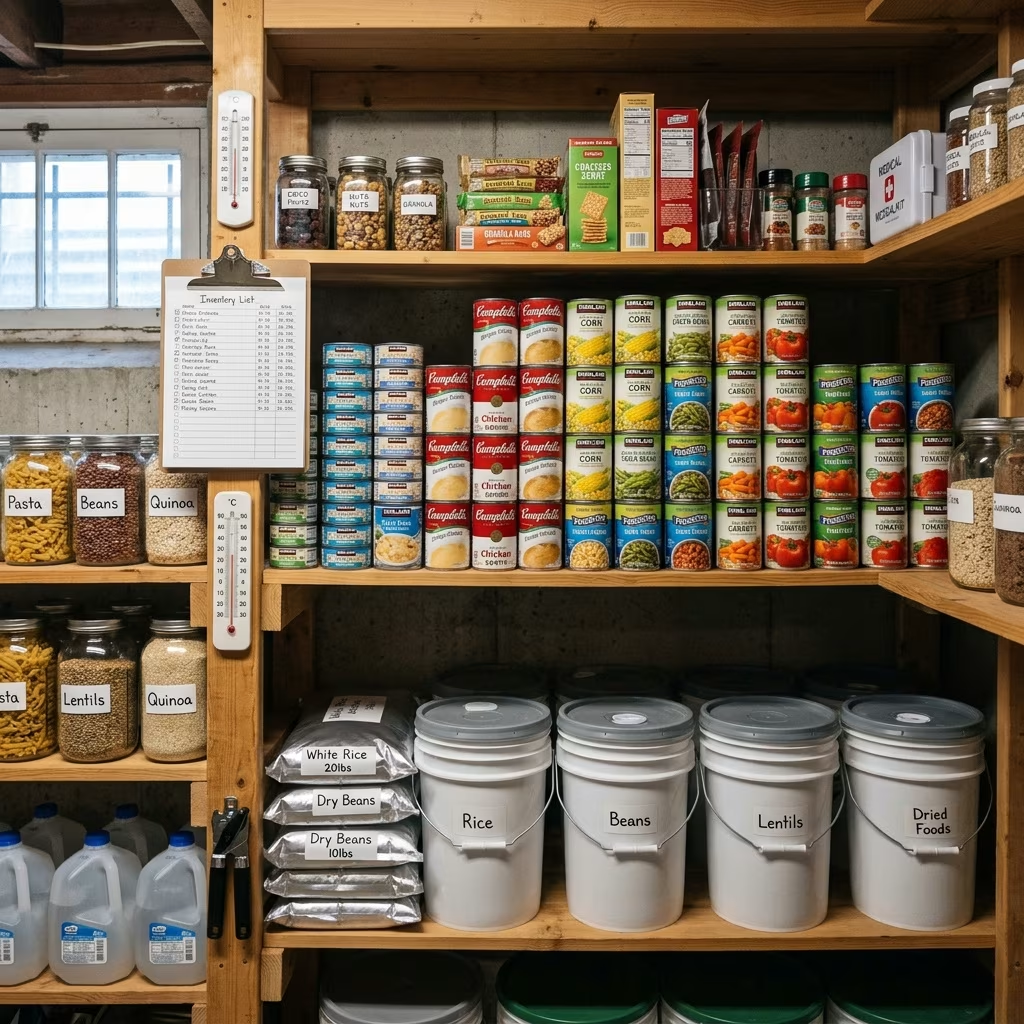
- Choose a Cool, Dry Area: Avoid places exposed to heat, humidity, or direct sunlight (basements, closets, pantries).
- Avoid Proximity to Chemicals: Store away from solvents, cleaning products, or fumes that can transfer to food.
- Flood Safety: Elevated shelves and waterproof bins protect supplies in flood-prone regions.
- Use Airtight Containers: Food-grade plastic bins, glass jars, and sealed pouches keep pests and moisture out.
- Repurpose Containers: Use plastic storage bins, laundry baskets, or old toy tubs to separate food groups.
Food Rotation: How to Keep Your Stockpile Fresh
Stockpile items are only beneficial if they’re safe and palatable. Routine rotation ensures nothing expires unnoticed.
- First-In, First-Out (FIFO): Place new supplies at the back; use oldest items first.
- Inventory Checklist: Track item types, purchase dates, expiration dates, and usage frequency.
- Meal Planning: Incorporate stockpile foods into your regular meals, allowing constant rotation and minimal waste.
- Regular Inspections: Schedule monthly or quarterly checks to examine packaging, discard expired goods, and replace as needed.
- Utilize Inventory Tools: Spreadsheets or apps help keep large stockpiles organized.
Sample Emergency Pantry Inventory Table
| Food Item | Purchase Date | Expiration Date | Quantity |
|---|---|---|---|
| Canned Green Beans | 2025-08-10 | 2027-04-15 | 12 cans |
| Peanut Butter | 2025-07-03 | 2026-11-01 | 4 jars |
| Granola Bars | 2025-09-01 | 2026-02-01 | 24 bars |
Budget-Friendly Stockpiling Tips
- Start Small: Build your kit one item at a time during regular shopping trips.
- Shop Sales and Bulk: Look for grocery sales, double coupons, and buy generic or bulk for savings.
- Spread Out Purchases: Add a couple of stockpile items per week to manage costs.
- Share Bulk Buys: Split cases or bulk packs with friends, family, or a “preparedness buddy.”
- Repurpose Household Items: Store supplies in containers you already own to minimize extra purchases.
Safe Food Handling and Emergency Preparation
Good hygiene and handling practices are as important as the foods you stockpile.
- Manual Can Opener: Essential if there’s no power.
- Hand Washing: Use bottled water and alcohol wipes to maintain food safety.
- Non-Electric Cooking: Camp stoves, solar ovens, or grills enable meal prep without electricity.
- Coolers and Ice Packs: Help store perishables temporarily during power outages.
- Backup Power Sources: Small generators can help run essential appliances for longer emergencies.
Other Key Emergency Supplies
- First Aid Kit: Include disinfectants, bandages, prescription meds, and over-the-counter remedies.
- Flashlights and Batteries: Critical for safe movement and visibility.
- Battery-Powered or Hand-Crank Radio: Stay informed during disasters.
- Important Documents: Store waterproof copies of IDs, insurance, and medical records.
- Personal Items: Diapers, contact lens solution, and hygiene products for individual needs.
Frequently Asked Questions (FAQs)
Q: How much water should I store for emergencies?
A: It is recommended to store at least one gallon of water per person per day for a minimum of three days, but a week’s supply is ideal if space allows.
Q: What foods have the longest shelf life?
A: Dried beans, rice, canned meats, dried fruits, nut butters, and freeze-dried meals can last for months or years if stored properly.
Q: Can I eat food past its ‘best by’ date during an emergency?
A: Many foods are safe past their ‘best by’ date if packaging is intact and food shows no signs of spoilage, but always inspect carefully for odors, discoloration, or bulging cans before eating.
Q: How do I rotate my emergency food supply?
A: Practice the First-In, First-Out (FIFO) method: use older stockpile items first and add new purchases to the back.
Q: What if I have dietary restrictions in my family?
A: Consider gluten-free, low-sodium, and allergy-friendly foods when compiling your stockpile.
Additional Resources for Emergency Preparedness
- Consult local and national health departments for specific guidelines and disaster planning advice.
- Explore inventory management software or printable templates to help track supplies.
- Follow reputable sources like the USDA and FDA for current food storage recommendations.
Conclusion: Preparedness for Any Situation
A thoughtful emergency food stockpile—a mix of non-perishable, nutritious, and easy-to-prepare items—empowers you to weather unexpected crises safely and confidently. Use this guide as a checklist to start building or refining your supply, and remember: regular rotation, smart storage, and attention to your household’s unique needs are the keys to successful preparedness.
References
- https://thesurvivaltabs.com/blogs/news/essential-items-for-your-emergency-stockpile
- https://www.kanehealth.com/Documents/Emergency%20Response/stockpilingtoolkit.pdf
- https://packfreshusa.com/emergency-food-rotation-how-to-ensure-freshness-in-your-stockpile/
- https://www.prevention.com/food-nutrition/a20490138/emergency-foods-to-stockpile/
- https://www.fcs.uga.edu/extension/preparing-an-emergency-food-supply-long-term-food-storage
- https://www.youtube.com/watch?v=dgncqGL0aMc
- https://pmc.ncbi.nlm.nih.gov/articles/PMC9132683/
- http://www.happypreppers.com/food-storage.html