Wholesome Homemade Baby Food Recipes Packed with Nutrition
Preparing homemade baby food is an empowering way to nourish your little one, give total control over ingredients, and instill healthy eating habits from the very start. While busy families often depend on store-bought options for convenience, making baby food at home enables you to ensure freshness, quality, and optimal nutrition tailored to your baby’s needs. Whether you’re just starting solids or looking for stage 1 recipes to expand your baby’s palate, this guide covers essential tips, safe ingredient choices, storage know-how, and delicious recipes for early eaters.
Why Choose Homemade Baby Food?
- Total Ingredient Control: Know exactly what’s in your baby’s meals—no hidden sugars, preservatives, or additives.
- Optimal Nutrition: Use fresh, nutrient-dense produce and grains unavailable in most commercial blends.
- Improved Flavor and Texture: Homemade recipes better reflect the real taste and texture of fruits, vegetables, and proteins, helping babies learn to enjoy a variety of healthy foods.
- Cost-Effective: Making large batches saves money compared to purchasing jarred options.
Choosing Ingredients for Homemade Baby Food
Ingredient quality is paramount in homemade baby food. Experts recommend prioritizing organic produce whenever possible. Organic fruits, vegetables, and grains are grown without synthetic pesticides or hormones, which is especially important for infants’ developing systems. Studies also suggest organic options may be higher in certain nutrients.
- Look for seasonal produce, which is often fresher and more affordable.
- Select ingredients free from blemishes, mold, or decay.
- Introduce new foods one at a time, watching closely for potential allergies and sensitivities.
Preparing and Storing Homemade Baby Food Safely
Preparation Tips
- Wash hands and all kitchen utensils thoroughly before beginning.
- Rinse fruits and vegetables under running water. Peel, core, and remove seeds or pits as necessary.
- Cook produce (when needed) until soft by steaming, boiling, baking, or microwaving to make pureeing easier and improve digestibility.
- Blend or mash to the desired consistency, adjusting texture with breast milk, formula, or filtered water for younger infants.
- Always fully cook meat, poultry, and eggs. Puree with broth or water until smooth.
Storage Guidelines
- Prepare baby food in large batches to save time and portion into airtight containers or special silicone trays for freezing.
- After freezing for at least 24 hours, pop cubes into sealable bags or glass containers. Date and label each batch for easy reference.
- Refrigerator storage: Most purees and cooked foods last up to 3 days.
- Freezer storage: Properly stored, purees remain fresh for up to 1 month.
- Always safely reheat and check temperatures before serving.
Essential Safety Reminders
- Never add honey to baby food for infants under 12 months (risk of botulism).
- Avoid added salt, sugar, and artificial sweeteners.
- Introduce new ingredients one at a time, every 3–5 days to monitor for allergies.
A Note About Food Allergies
Consult with your pediatrician before introducing top allergens (such as peanuts, eggs, or shellfish). The American Academy of Pediatrics suggests introducing single-ingredient purees and waiting a few days between new foods to easily detect reactions. Allergies may show up as rashes, vomiting, diarrhea, or swelling. Remember, it can take 10–15 exposures for a child to accept a new flavor.
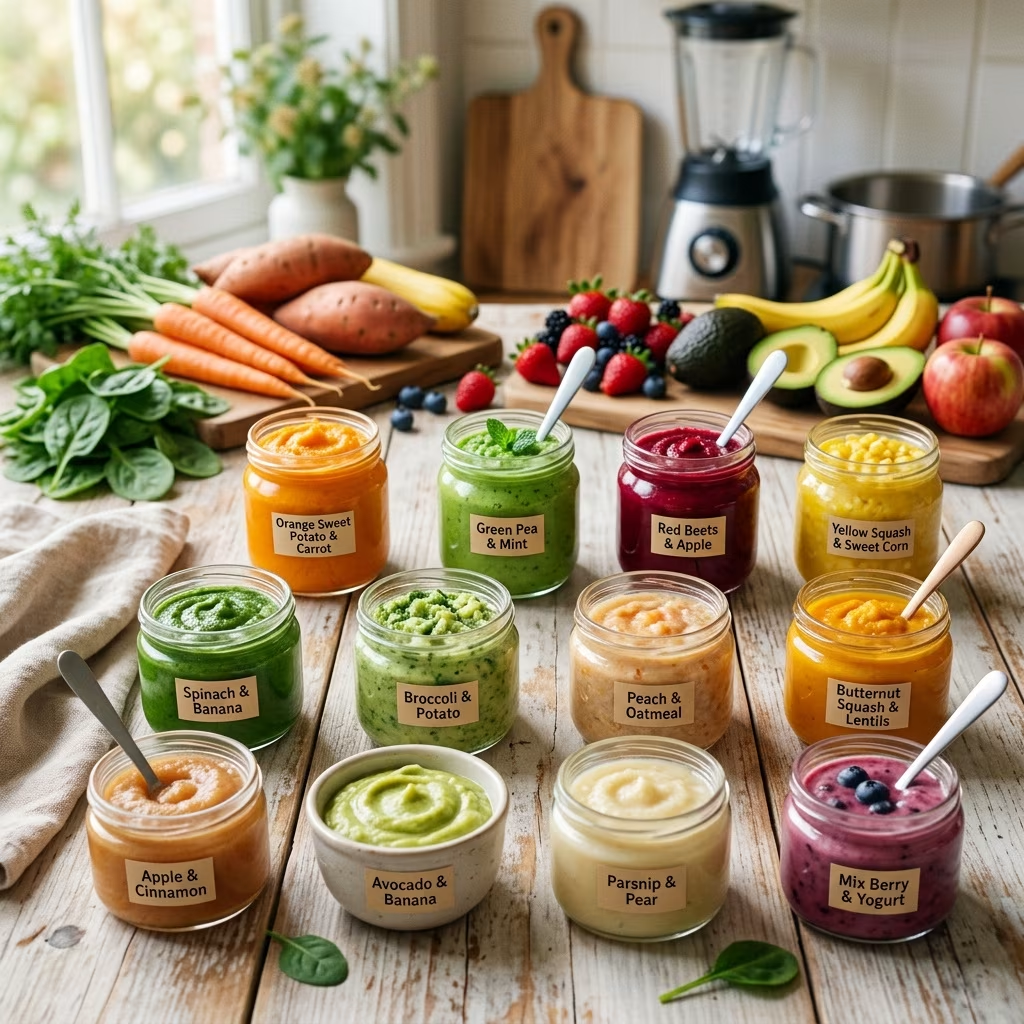
12 Nourishing Homemade Baby Food Recipes
Ready to get started? Here are twelve easy, nutrient-rich recipes for babies 6 months and older. These stage 1 baby food recipes use wholesome ingredients and simple methods.
1. Avocado, Strawberry, and Mango Smoothie
- Main ingredients: Avocado, strawberries, frozen mango
- Nutritional boost: Creamy texture, healthy fats, antioxidants, and vitamins
- Preparation: Combine all ingredients in a blender. Puree until smooth and serve chilled.
Avocado is a favorite first food thanks to its brain-healthy fats and creamy consistency. Blending it with strawberries and mango provides extra flavor, vitamin C, and natural sweetness.
2. Kiwi and Banana Baby Purée
- Main ingredients: Banana, kiwi, breast milk or formula
- Nutritional boost: Fiber, vitamin C, potassium, magnesium
- Preparation: Peel and mash banana and kiwi with a fork or blend. Thin with breast milk or formula if needed.
This purée supports digestive health and immune function. The natural sweetness makes it a baby pleaser, while the bit of tartness from kiwi brightens the flavor.
3. Carrot, Corn, and Pumpkin Baby Purée
- Main ingredients: Carrot, corn, pumpkin
- Nutritional boost: Beta carotene for eye health, fiber, B vitamins
- Preparation: Steam or roast veggies until soft, then blend together until smooth.
This pumpkin-based blend is rich in nutrients that support vision, nerve health, and brain development.
4. Roasted Pear and Blueberry Purée
- Main ingredients: Pear, blueberries
- Nutritional boost: Vitamin C, antioxidants, natural fiber
- Preparation: Roast slices of pear until soft. Blend together with blueberries until smooth.
A gently roasted purée to enhance sweetness and provide immune-boosting phytonutrients.
5. Simple Sweet Potato Purée
- Main ingredient: Sweet potato
- Nutritional boost: Beta carotene, vitamin C, potassium
- Preparation: Peel, cube, steam or bake sweet potato until fork-tender. Puree until ultra smooth, adding water or breast milk as needed.
Sweet potatoes are a classic first food for their gentle flavor and rich vitamin content.
6. Apple and Parsnip Purée
- Main ingredients: Apple, parsnip
- Nutritional boost: Vitamin C, fiber, trace minerals
- Preparation: Peel and chop apples and parsnips, steam, then blend together.
This slightly sweet, earthy blend is easy to digest and pairs well with other soft fruits or veggies.
7. Spinach, Pea, and Potato Purée
- Main ingredients: Fresh spinach, peas, potato
- Nutritional boost: Vitamin K, iron, folate, complex carbs
- Preparation: Steam all ingredients until soft. Puree with a splash of water to desired thickness.
Leafy greens add important minerals and vitamins babies need for growth.
8. Zucchini, Apple, and Mint Purée
- Main ingredients: Zucchini, apple, fresh mint
- Nutritional boost: Hydrating, gentle on the stomach, refreshing taste
- Preparation: Steam chopped zucchini and apple until soft, add a small leaf of mint, then blend.
This combination is soothing for tiny tummies and introduces the possibility of subtle herb flavors.
9. Chicken and Sweet Potato Purée
- Main ingredients: Boneless chicken breast, sweet potato
- Nutritional boost: Iron, protein, complex carbohydrates, vitamin A
- Preparation: Cook chicken thoroughly, boil or steam with sweet potatoes, then puree together with a little water or broth.
This is a perfect protein-rich meal for babies ready to move beyond single-ingredient purees.
10. Brown Rice and Vegetable Purée
- Main ingredients: Cooked brown rice, assorted steamed veggies (carrot, squash, peas, or spinach)
- Nutritional boost: Complex carbohydrates, fiber, vitamins, and minerals
- Preparation: Blend cooked rice with chosen veggies until smooth; add water as needed.
Whole grains introduce gentle fiber and energy for older infants developing a more mature digestive system.
11. Lentil and Carrot Purée
- Main ingredients: Red lentils, carrots
- Nutritional boost: Plant-based protein, iron, beta carotene
- Preparation: Simmer lentils and carrots until soft, then blend until smooth.
This dairy- and grain-free blend gives protein and iron for growing babies and is especially useful for vegetarian families.
12. Pear and Prune Purée
- Main ingredients: Pear, prunes
- Nutritional boost: Natural fiber to support digestion and ease constipation
- Preparation: Steam or simmer peeled pears and pitted prunes until soft, then blend until smooth.
Pears and prunes together make a naturally sweet, digestion-friendly treat and are especially helpful in preventing constipation.
Frequently Asked Questions (FAQs) About Homemade Baby Food
When should I start offering solid foods?
Most babies are ready for solids around 6 months, when they show signs of readiness such as sitting up and showing interest in food.
How often should I introduce new foods?
New foods should be introduced one at a time every 3–5 days to monitor for adverse reactions or allergies.
Do I need to use organic ingredients?
Organic foods reduce the risk of pesticide exposure and may offer higher nutrient content but are not strictly required; wash all produce thoroughly regardless of source.
How long does homemade baby food last?
Stored in the refrigerator, purees last up to 3 days. In the freezer, they are best used within 1 month for maximum freshness and safety.
What textures are appropriate for babies at different stages?
Start with smooth purees for early eaters. Gradually progress to thicker purees and soft mashed foods as chewing skills develop (usually by 8–10 months).
How do I defrost and heat frozen baby food safely?
Thaw in the refrigerator overnight or by placing cubes in a heatproof bowl over warm water. Always stir and check temperature before serving to avoid hotspots.
What foods should I avoid for babies under 12 months?
Avoid honey, added salt, sugar, caffeine, whole nuts, unpasteurized dairy, large chunks of food, and anything posing a choking risk.
Tips for Successful Homemade Baby Food Prep
- Embrace batch cooking and portion freezing to save time.
- Invest in a good blender or food processor for silky-smooth textures.
- Label and date all stored foods to keep track of freshness.
- Mix and match produce for variety and nutrient diversity.
- Trust your baby’s cues and don’t force feeds; repeated exposure is key to acceptance.
Final Thoughts
Making your own baby food allows you to craft wholesome, flavorful meals tailored to your baby’s tastes and nutritional needs. With a little planning and these nutritious recipes, you can confidently introduce your little one to the wonderful world of real, colorful, and delicious foods.
References
- https://www.medicalnewstoday.com/articles/how-to-make-baby-food
- https://www.prevention.com/food-nutrition/recipes/g21565027/homemade-baby-food-recipes/
- https://www.nurturelife.com/blog/best-first-baby-purees/
- https://www.henryford.com/Blog/2020/03/Pros-and-Cons-Homemade-Baby-Food
- https://24hrer.com/homemade-healthy-baby-food-recipes/
- https://wicworks.fns.usda.gov/resources/making-your-own-baby-food
- https://www.healthychildren.org/English/tips-tools/ask-the-pediatrician/Pages/Is-it-OK-to-make-my-own-baby-food.aspx
- https://www.youtube.com/watch?v=iR0j43fOhcQ