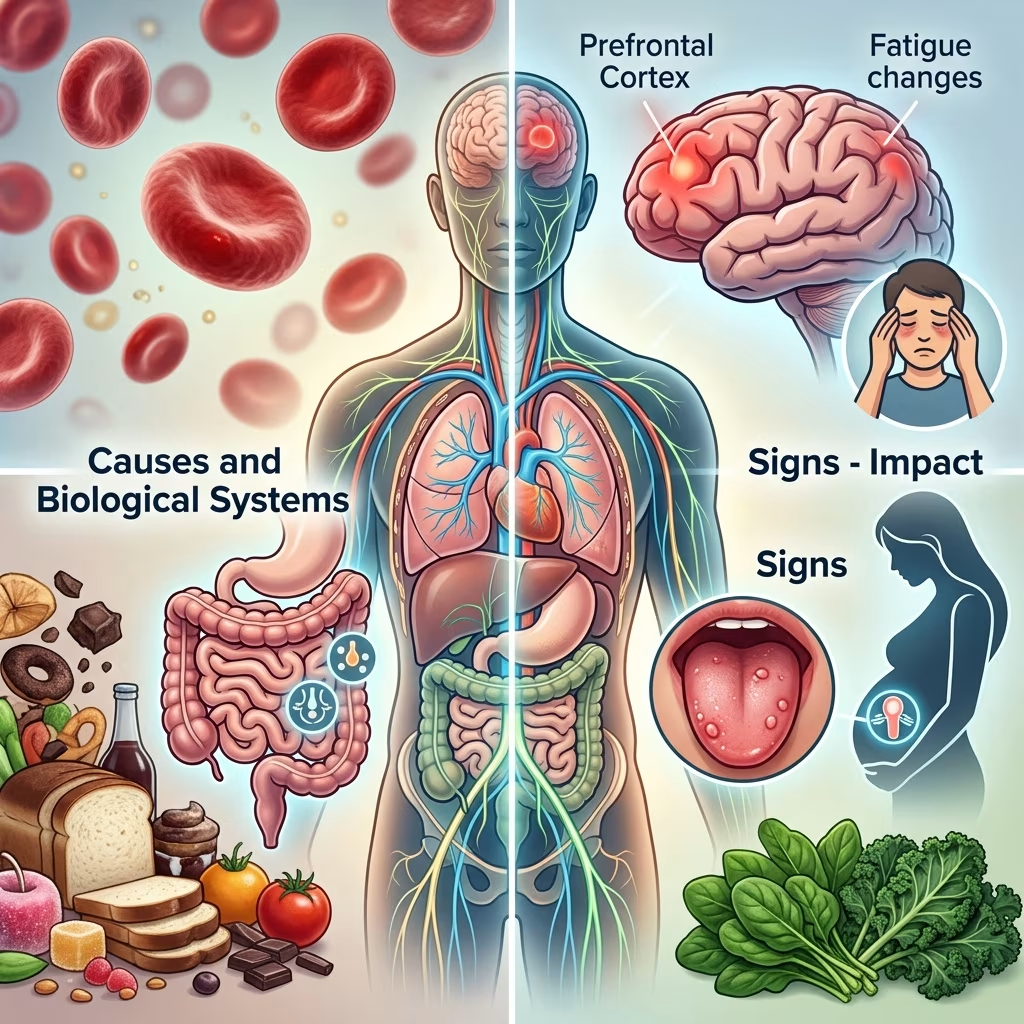
Folate, also known as vitamin B9, is an essential nutrient, crucial for cell growth, DNA synthesis, and red blood cell formation. While many people receive adequate amounts from diet or fortified foods, folate deficiency can still occur—sometimes with serious health implications. This detailed guide explains the signs and causes of folate deficiency, who is most at risk, possible complications, and evidence-backed ways to prevent and treat this condition.
What Is Folate and Why Is It Important?
Folate is a water-soluble B vitamin found naturally in leafy greens, legumes, citrus fruits, and other foods. Its synthetic form, folic acid, is commonly added to cereals and breads. Folate is vital because:
- It supports the production of new cells, especially red blood cells.
- It is crucial for DNA synthesis and repair.
- It helps prevent significant birth defects known as neural tube defects in babies during pregnancy.
- It assists in amino acid metabolism, necessary for key bodily functions.
Common Symptoms of Folate Deficiency
Folate deficiency can be subtle at first, but untreated, it may progress to serious health issues. Symptoms often develop gradually and can be overlooked or confused with other illnesses. Common signs include:
- Fatigue and weakness – Persistent tiredness due to the body’s inability to make enough healthy red blood cells.
- Pallor – Noticeably pale skin or mucous membranes, linked to anemia.
- Shortness of breath and rapid heartbeat – The heart and lungs work harder to deliver oxygen throughout the body.
- Irritability or mood changes – Increased feelings of irritability, forgetfulness, or even depression, particularly in older adults.
- Sore, red, or swollen tongue (glossitis) – Sometimes with mouth ulcers that cause pain or taste changes.
- Loss of appetite and weight loss – Reduced desire to eat, sometimes accompanied by unintended weight loss.
- Digestive issues – Nausea, diarrhea, or indigestion.
- Cognitive difficulties – Problems with memory, concentration, or judgment, especially in cases of severe deficiency.
In severe and untreated cases, complications can escalate to pancytopenia (low levels of all blood cells), which is potentially life-threatening.
Folate Deficiency Symptoms in Depth
Although many symptoms mimic those of other nutritional deficiencies—especially vitamin B12—here are more details about how folate deficiency manifests:
| Symptom | Description | Possible Overlap with B12 Deficiency? |
|---|---|---|
| Fatigue / Weakness | Ongoing tiredness or lack of energy | Yes |
| Pale Skin | Loss of color due to reduced red blood cells | Yes |
| Shortness of Breath | Breathing rapidly or more shallowly | Yes |
| Glossitis | Smooth, reddened, and sore tongue | Yes |
| Digestive Changes | Diarrhea, indigestion, or loss of appetite | Yes |
| Cognitive Symptoms | Confusion, poor memory, irritability | Primarily B12, but possible in severe folate deficiency |
| Mouth Ulcers | Painful sores, often accompanying glossitis | Yes |
| Depression or Mood Issues | Low mood, especially in older adults | Yes |
It is important to distinguish between vitamin B12 and folate deficiency. Both can cause anemia, but neurological symptoms (like numbness and balance problems) are more commonly linked to B12 deficiency.
Who Is Most at Risk for Folate Deficiency?
While folate deficiency can occur in anyone, certain populations are at higher risk. These include:
- Poor dietary intake – Low consumption of folate-rich foods like dark leafy greens, beans, and citrus fruit.
- Pregnant people – Increased need for folate during pregnancy to support fetal development. Folate needs also rise during breastfeeding.
- People with gastrointestinal conditions – Such as celiac disease, Crohn’s disease, or after gastric/bowel surgery, which impair nutrient absorption.
- Chronic alcohol users – Alcohol disrupts both the absorption and metabolism of folate.
- People on certain medications – Some drugs, including anticonvulsants (e.g., phenytoin), methotrexate, and some antibiotics, interfere with folate absorption or metabolism.
- Those with increased physiological demand – People with certain blood disorders, chronic conditions, or exfoliative skin diseases may require higher folate intake.
Risk Table: Who’s More Vulnerable to Folate Deficiency?
| Risk Factor | Description |
|---|---|
| Poor Diet | Low intake of vegetables, fruits, and fortified grains |
| Pregnancy/Lactation | Higher physiological needs for fetal or infant development |
| Digestive Disorders | Impaired absorption (e.g., celiac, IBD, surgery) |
| Chronic Alcohol Use | Reduces absorption and increases excretion of folate |
| Medications | Methotrexate, phenytoin, sulfasalazine, etc. |
Main Causes of Folate Deficiency
There are several underlying reasons individuals may develop low folate levels:
- Inadequate dietary intake – Not consuming enough folate-rich foods.
- Malabsorption syndromes – Damage to the gastrointestinal tract, surgeries, or medical conditions preventing proper absorption.
- Chronic alcoholism – Alters folate metabolism and limits absorption.
- Increased bodily demand – Periods of rapid growth, pregnancy, infancy, adolescence, certain chronic illnesses.
- Medication side effects – Certain drugs interfere with absorption or metabolism.
- Overcooking foods – Folate is sensitive to heat; overcooking destroys the vitamin in foods.
How Is Folate Deficiency Diagnosed?
Diagnosing folate deficiency typically starts with a careful assessment by a healthcare provider, who will review symptoms, dietary habits, and medical history. The diagnosis is supported by:
- Blood tests – Checking red blood cell count, mean corpuscular volume (MCV), and direct folate levels.
- Investigation for anemia – Determining if low folate is the cause of anemia by examining blood cell shape and size.
- Additional tests – Ruling out vitamin B12 deficiency, since treatments for both conditions differ, and treating one without addressing the other can be harmful.
Sometimes, if digestive diseases are suspected, further investigations like a barium study may be performed.
Potential Complications of Untreated Folate Deficiency
If folate deficiency is not addressed, several health issues may arise, including:
- Megaloblastic anemia – Deficiency impedes the formation of healthy red blood cells, causing them to become large and malformed. This reduces their oxygen-carrying efficiency.
- Pancytopenia – In severe, longstanding deficiency, reduction in all blood cell types occurs.
- Birth defects – Pregnant women who do not get enough folate risk neural tube defects (like spina bifida) in their babies.
- Neuropsychiatric symptoms – Severe deficiency can lead to confusion, depression, and, rarely, psychosis. Overt neurological deficits are more common in vitamin B12 deficiency.
- Increased risk of cardiovascular disease – Folate is involved in breaking down homocysteine, an amino acid that, in high levels, raises cardiovascular risk.
Early recognition and treatment of deficiency is essential to reduce the risk of irreversible complications.
Recommended Dietary Allowance (RDA) for Folate
The recommended daily values of folate depend on age, sex, and specific life stages:
- Adults and teens (14+ years): 400 micrograms (mcg) of dietary folate equivalents (DFE) per day
- Pregnant people: 600 mcg DFE per day
- Breastfeeding people: 500 mcg DFE per day
Most people can reach these targets through a balanced diet of natural and fortified foods. Those at higher risk or who cannot absorb enough from food may require supplements following a doctor’s advice.
Best Food Sources of Folate
Boosting dietary intake is the best strategy for most individuals. Excellent sources of folate include:
- Dark leafy greens (spinach, kale, arugula, collards)
- Legumes (lentils, chickpeas, black beans, peas)
- Asparagus, Brussels sprouts, and broccoli
- Citrus fruits (oranges, grapefruits, lemons)
- Avocado
- Fortified grains and cereals (look for “folic acid added” on packaging)
- Beets
- Sunflower seeds
Prevention and Treatment
Preventing and managing folate deficiency primarily involves:
- Eating a varied and balanced diet – Focus on plenty of green vegetables and fortified whole grains.
- Folic acid supplementation – Especially for people at higher risk, such as those who are pregnant, planning pregnancy, or have absorption issues.
- Managing underlying health conditions – Treat digestive diseases that affect nutrient absorption promptly.
- Limiting alcohol intake – Chronic alcohol use seriously inhibits folate absorption and storage.
- Assessing medication interactions – Consult a healthcare provider for alternatives or additional supplementation if you are on medications impacting folate status.
Most cases of folate deficiency respond well to oral supplements, with dosages and duration determined by healthcare professionals. In rare cases of severe deficiency or absorption problems, folic acid may be given by injection.
Frequently Asked Questions about Folate Deficiency
What is the difference between folate and folic acid?
Folate is a naturally occurring vitamin B9 found in whole foods, while folic acid is its synthetic form, used in supplements and food fortification.
Is folate deficiency common?
Thanks to food fortification policies in many countries, deficiency is less common, but certain populations—pregnant people, those with chronic illnesses, or individuals with poor diets—remain at risk.
How long does it take to recover from a folate deficiency?
Most people experience significant improvements within a few weeks of starting supplements, though complete correction (including blood cell changes) may take up to three months depending on the severity and underlying cause.
Can you get too much folic acid?
Large amounts from supplements can mask vitamin B12 deficiency, which may lead to serious neurological harm if untreated. Always use supplements under medical supervision.
Should everyone take a folic acid supplement?
Most healthy adults can achieve adequate folate intake from food. However, all people capable of becoming pregnant should take a daily supplement to prevent birth defects, as recommended by health authorities.
Tips for Maintaining Healthy Folate Levels
- Incorporate a variety of fresh vegetables, beans, and fruits into daily meals.
- Use minimal heat when cooking vegetables to preserve folate content.
- Check that grain-based products such as bread or cereal are fortified with folic acid.
- If planning pregnancy or currently pregnant, take a prenatal vitamin with the recommended amount of folic acid.
- If you have chronic digestive disorders or are taking medications that may affect folate, ask your doctor about periodic testing and supplementation.
- Limit alcohol consumption, as it interferes with the absorption and metabolism of folate.
When to See a Doctor
If you are experiencing ongoing fatigue, digestive issues, unexplained weight loss, or mood or memory problems, consult your healthcare provider. Diagnosing and treating a potential folate deficiency early is critical to preventing irreversible complications. Always seek professional advice before starting supplementation, especially if you have a chronic illness or are pregnant.
References
- https://www.memorialhealth.com/healthy-living/blog/folic-acid-deficiency-symptoms-should-you-talk-with-your-doctor
- https://www.urmc.rochester.edu/encyclopedia/content?ContentTypeID=85&ContentID=P00089
- https://www.nhs.uk/conditions/vitamin-b12-or-folate-deficiency-anaemia/symptoms/
- https://www.ncbi.nlm.nih.gov/books/NBK535377/
- https://my.clevelandclinic.org/health/diseases/22198-folate-deficiency
- https://www.nhs.uk/conditions/vitamin-b12-or-folate-deficiency-anaemia/
- https://ada.com/conditions/folate-deficiency/