Low-Sugar Fruits: The Ultimate Guide to Healthier Sweet Choices
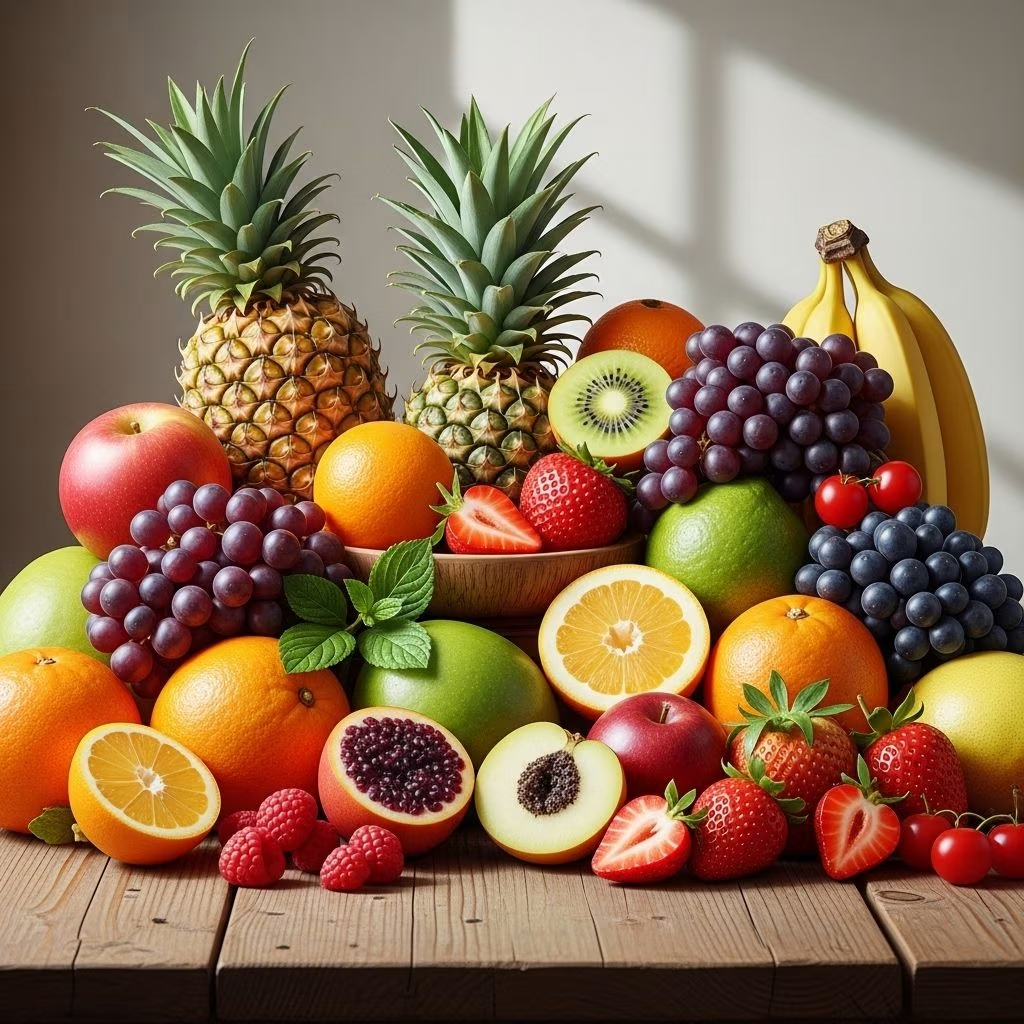
Fruits are celebrated for their natural sweetness, vibrant flavors, and vital nutrients. But not all fruits are created equal in terms of sugar content. If your goal is to reduce sugar intake—for weight management, diabetes, or general health—choosing the right fruits is essential. This comprehensive guide draws from expert sources to highlight the lowest-sugar fruits, their benefits, and how to include them deliciously in your diet.
Why Choose Low-Sugar Fruits?
- Blood Sugar Control – Lower-sugar fruits help maintain stable blood sugar levels, especially vital for managing or preventing diabetes.
- Weight Management – Lower sugar means fewer empty calories and reduced risk of spikes in hunger.
- Optimal Nutrition – Low-sugar fruits often pack fiber, vitamins, antioxidants, and minerals that contribute to overall health.
While all fruits provide essential nutrients, those with less sugar are often preferable for people watching their carb intake or those with metabolic health issues. However, unprocessed fruits naturally contain fiber and phytonutrients, making them a healthier choice than processed sweets, even when higher in natural sugars.
Top Low-Sugar Fruits: Core List and Nutritional Highlights
Below is a curated list of the best low-sugar fruits based on multiple reputable sources. Sugar content listed is approximate and may vary slightly with ripeness and serving size.
| Fruit | Sugar (per serving) | Key Nutrients |
|---|---|---|
| Lime (1 fruit) | ~1.13g | Vitamin C, antioxidants |
| Lemon (1 fruit) | ~2.1g | Vitamin C, flavonoids |
| Avocado (1 fruit) | ~1g | Healthy fats, potassium, fiber |
| Olives (10 olives) | <1g | Vitamin E, healthy fats |
| Starfruit (Carambola, 1 cup) | 4.3g | Vitamin C, fiber |
| Cranberries (1 cup fresh) | ~5g | Vitamin C, antioxidants |
| Raspberries (1 cup) | 5.4g | Fiber, vitamin C, manganese |
| Blackberries (1 cup) | 7g | Fiber, vitamin K, antioxidants |
| Strawberries (1 cup) | 7g | Vitamin C, manganese |
| Currants (1 cup) | 8.3g | Vitamin C, potassium |
| Asian Pear (1 fruit) | 8.6g | Fiber, vitamin C |
| Watermelon (1 cup diced) | ~9g | Vitamin A, potassium, hydration |
| Cantaloupe (1 cup) | ~13g | Vitamin A, vitamin C |
| Grapefruit (½ fruit) | ~10.6g | Vitamin C, potassium |
| Peach (1 medium) | ~14g | Vitamin C, vitamin A |
| Plum (1 medium) | ~8g | Vitamin C, vitamin K |
| Apricot (1 fruit) | ~4g | Vitamin A, polyphenols |
| Orange (1 medium) | ~14g | Vitamin C, folate |
| Casaba Melon (1 cup) | ~9.7g | Vitamin C, potassium |
Detailed Profiles of Popular Low-Sugar Fruits
Lemons & Limes
Lemons and limes are celebrated for their tart flavor and exceptional vitamin C content. With only about 1–2g of sugar per fruit, they’re a staple for infusing flavor into water, salad dressings, and marinades, minus the sugar spike. Their antioxidants also support immune and skin health.
Raspberries
Each cup provides just over 5g sugar and is remarkably high in dietary fiber—among the highest of all fruits. Raspberries are also rich in vitamins C and K, making them a great choice for digestive health and immunity.
Strawberries & Blackberries
Satisfy a sweet tooth with berries: just 7g of sugar per cup. Both varieties contain beneficial polyphenols and significant fiber
References
- https://www.healthline.com/health/best-low-sugar-fruits
- https://www.myfooddata.com/articles/low-sugar-fruits.php
- https://www.goodrx.com/conditions/diabetes/best-and-worst-fruit-for-diabetics
- https://www.webmd.com/diet/ss/slideshow-low-carb-fruits
- https://diabetes.org/food-nutrition/reading-food-labels/fruit
- https://www.gymguyz.com/nutrition/fruits-ranked-by-sugar-content/
- https://www.medicalnewstoday.com/articles/324431