What Is the Okinawa Diet?
The Okinawa diet is a traditional dietary pattern originating from Okinawa, a southern Japanese island celebrated as a ‘Blue Zone’—regions in the world where people live the longest. Renowned for its association with longevity, healthful aging, and vibrant health, this diet centers around plant-based, low-calorie foods and time-honored eating habits that emphasize balance, mindfulness, and simplicity.
Core Principles and Unique Features
- Plant-based focus: About 90% of calories come from vegetables and legumes, especially sweet potatoes and beans.
- Low intake of animal products: Fish, meat, dairy, and eggs together make up less than 1% of traditional intake.
- Low calories and high nutrient density: Meals are energy-light but packed with vitamins, minerals, and phytonutrients.
- Antioxidant and anti-inflammatory foods: The diet is loaded with foods that fight inflammation and oxidative stress, key factors in aging.
- ‘Hara hachi bu’: An Okinawan phrase meaning “eat until 80% full,” promoting mindful eating and avoiding overeating.
Key Foods in the Okinawa Diet
The staple foods of the Okinawan diet reflect a balance between variety, simplicity, and nutrition:
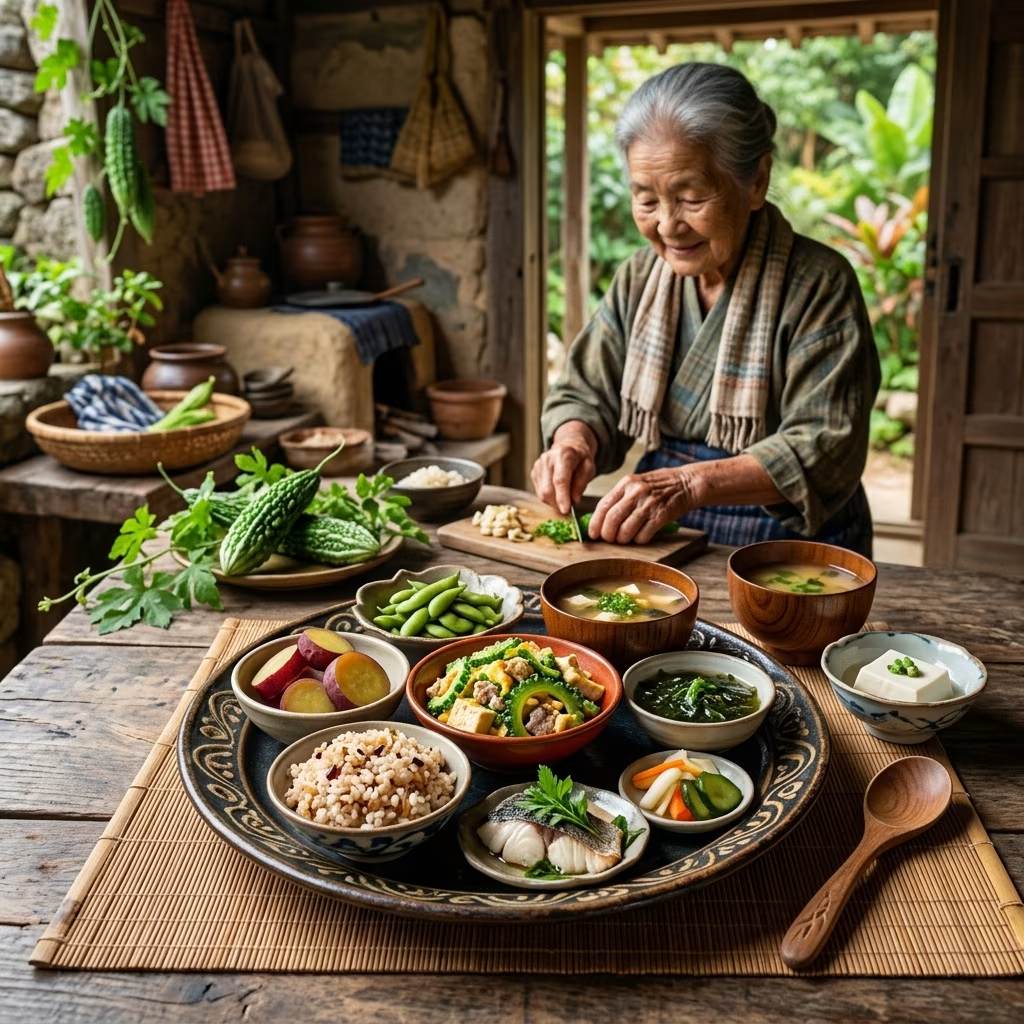
- Sweet potatoes (mainly purple and orange): Primary source of calories, rich in vitamins, fiber, and antioxidants.
- Leafy greens: Especially komatsuna, spinach, and mustard greens, providing folate, calcium, and phytonutrients.
- Whole grains: Brown rice, barley, and millet offer sustained energy and fiber.
- Legumes: Especially soy foods such as tofu and miso, contributing protein and bone-friendly nutrients.
- Bitter melon and squash: Local specialties with blood-sugar balancing and anti-inflammatory properties.
- Seaweed: Full of minerals, iodine, and antioxidants.
- Medicinal spices: Turmeric and ginger are frequently used for their health-promoting compounds.
- Fish (small amounts): Provides omega-3 fatty acids, vital for heart and brain health.
- Fruit: Citrus fruits and other seasonal options add variety and micronutrients.
Foods To Limit or Avoid
- Red and processed meats
- Dairy products
- Eggs
- Refined grains
- Foods high in sugar or artificial additives
While these foods are not strictly forbidden, the traditional diet prioritizes whole plant foods and minimizes animal products and processed items.
Benefits of the Okinawa Diet
The Okinawa diet’s unique profile of nutrient-dense, low-calorie foods, anchored in tradition and restraint, has been extensively studied for its remarkable health effects:
| Health Benefit | Description | Supporting Evidence |
|---|---|---|
| Longevity | Among highest life expectancy rates globally; higher rates of centenarians | Plant-based, calorically restricted pattern supports aging |
| Chronic Disease Prevention | Lower rates of heart disease, diabetes, cancers, and metabolic syndrome | Low saturated fat, high antioxidants, and whole foods |
| Weight Management | Helps maintain healthy weight through low-calorie density and portion control | “Hara hachi bu” reduces overeating; plant-based meals fill with fewer calories |
| Anti-inflammatory Effects | Frequent use of turmeric, ginger, and plant antioxidants | Reduces bodily inflammation, promotes cellular health |
| Improved Blood Sugar Control | High fiber, slow-digesting carbs, and minimal sugars challenge insulin less | Protective against diabetes |
| Strong Bone Health | High calcium from greens and soy foods; promotes bone strength | Essential for aging adults |
| Boosted Gut Health | Lots of fermented foods and fiber support diverse gut bacteria | Improves immunity and digestion |
| Brain Health | Omega-3s from fish, antioxidants from plants aid cognitive preservation | May reduce risk of dementia and neurodegenerative diseases |
Okinawans who adhere to the traditional diet experience:
- 6–12 times fewer heart disease deaths compared to Americans
- 2–3 times fewer colon cancer deaths
- 7 times fewer prostate cancer deaths
- 5.5 times lower risk of dying from breast cancer
It is important to note that genetics, active lifestyles, and social factors also contribute to these impressive outcomes.
Comparing Okinawa and Other Healthy Diets
Experts compare the Okinawa diet to the Mediterranean, DASH, and Portfolio diets:
- All emphasize unrefined carbohydrates, vegetables, whole grains, and heart-healthy fats.
- All minimize processed food and saturated fats, prioritizing mono- and polyunsaturated fat sources (olive oil, fish, soy).
- All reduce inflammation, oxidative stress, and risk for age-related chronic disease.
This shared philosophy underscores how plant-centric diets, when tailored to local preferences, promote wellness across diverse populations.
Daily Practice: How to Eat the Okinawa Way
- Fill most of your plate (80–90%) with vegetables, beans, and sweet potatoes.
- Limit animal protein to small amounts (think condiments, not entrees).
- Eat mindfully and stop when you feel about 80% full—hara hachi bu.
- Embrace fermented foods (miso soup, pickled vegetables) daily to support gut health.
- Use turmeric, ginger, and other spices liberally for added flavor and anti-inflammatory power.
- Drink herbal teas or plain water; limit sugary drinks and alcohol.
- Practice social eating and gratitude before meals. Meals are seen as a time for connection and respect for food.
Potential Downsides and Modern Changes
- Risk of nutrient deficiency: Strict plant-based diets may require attention to vitamin B12 and protein.
- Shift to Westernized foods: Younger generations in Okinawa are consuming more processed food, leading to rising rates of obesity and chronic disease.
When adopting the Okinawa approach outside its native context, individualized nutrition planning and possible supplementation are recommended.
Sample Okinawa Diet Meal Plan
| Meal | Sample Foods |
|---|---|
| Breakfast | Steamed sweet potatoes, miso soup with seaweed and tofu, pickled radish |
| Lunch | Barley rice, stir-fried bitter melon and carrots, leafy green salad with sesame dressing |
| Dinner | Vegetable and noodle soup (soba with squash), sautéed greens, sliced citrus fruit |
| Snacks | Cooked beans, herbal or green tea |
Frequently Asked Questions (FAQs)
Q: Why is the Okinawa diet considered effective for longevity?
A: The Okinawa diet centers around nutrient-dense vegetables and whole foods, minimizing calories, processed items, and animal products. This pattern helps lower disease risk, supports healthy aging, and reduces inflammation—all factors linked to longer life.
Q: What are the main sources of protein in the Okinawan diet?
A: Primary protein comes from plant foods like soy (tofu, miso), beans, and occasional small servings of fish.
Q: Does the Okinawa diet require you to give up all animal foods?
A: No. Small amounts of fish, lean meat, or eggs are sometimes included—usually as flavor or garnish, not the main fare. The emphasis is overwhelmingly on plant-based eating.
Q: Is it safe to follow the Okinawa diet long term?
A: For most healthy adults, yes. However, those with specific needs (e.g., athletes, people with deficiencies) may require extra protein or micronutrient supplementation. Always consult a professional before changing your diet radically.
Q: Can I find Okinawan foods outside Japan?
A: Many Okinawan staples—sweet potatoes, leafy greens, beans, tofu—are available worldwide. While certain vegetables and seaweeds might be Japan-specific, their nutritional equivalents (spinach, squash, regular potatoes, kale) can be substituted.
Tips for Integrating the Okinawa Diet in Modern Life
- Shop for color: Fill your kitchen with multi-colored vegetables and fruits.
- Try plant-based swaps: Replace meat with tofu, tempeh, or beans in favorite recipes.
- Cook simply: Steaming, simmering, and stir-frying preserve nutrients and flavor.
- Season with spices: Use turmeric and ginger for flavor and anti-inflammation.
- Practice hara hachi bu: Serve smaller portions and stop before you feel completely full.
Conclusion: The Legacy of Okinawan Longevity
The Okinawa diet is more than a menu—it is a philosophy, rooted in centuries of wisdom about balance, gratitude, and mindful living. Embracing its principles can nurture not only your body but also foster a deeper connection to healthful eating. By filling your plate with healing plants, eating with intention, and respecting tradition, the Okinawa diet offers a time-tested blueprint for vibrant longevity and a life well-lived.
References
- https://draxe.com/nutrition/okinawa-diet/
- https://iotabody.com/blogs/news/can-the-okinawa-diet-really-help-you-live-longer
- https://pmc.ncbi.nlm.nih.gov/articles/PMC5403516/
- https://www.bluezones.com/2017/05/okinawa-diet-eating-living-100/
- https://www.goodhousekeeping.com/health/diet-nutrition/a34732704/what-is-the-okinawa-diet/