The Ultimate Guide to Complete Protein Foods
If you’re focused on eating for optimal health, understanding complete protein foods is essential. Proteins are crucial for muscle repair, hormone production, and a healthy immune system. But not all protein sources are created equal: some foods provide all the essential amino acids your body needs—these are called complete proteins. In this guide, you’ll discover what complete proteins are, why they’re important, and which foods—plant-based, animal, and unique combinations—provide them, plus practical advice for delicious, well-balanced meals.
What Are Complete Proteins?
Protein is made up of smaller building blocks called amino acids. Out of 20 amino acids, 9 are considered “essential” because your body can’t produce them—you must get them from food. Any food containing all nine essential amino acids in sufficient amounts is a complete protein.
- Essential amino acids: histidine, isoleucine, leucine, lysine, methionine, phenylalanine, threonine, tryptophan, valine.
- Animal proteins are generally complete.
- Most plant proteins are “incomplete” but can be made complete with smart combinations.
Why You Need Complete Proteins
Getting all essential amino acids enables:
- Muscle growth and repair
- Healthy hair, skin, and nails
- Immune system support
- Proper hormone production
While you don’t need to eat only complete proteins at each meal, ensuring you get all nine essential amino acids throughout the day is key—especially for vegetarian and vegan diets.
Top Plant-Based Complete Protein Foods
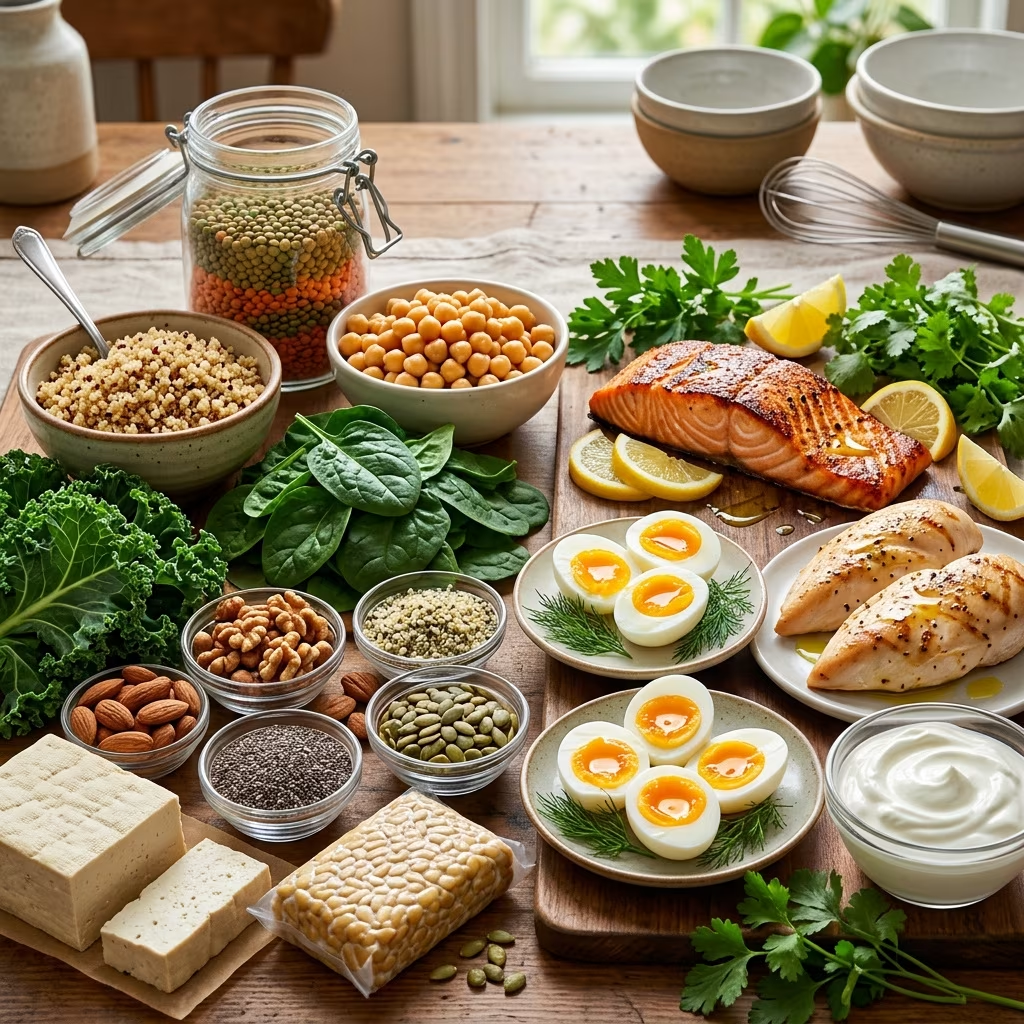
The myth that only animal products provide complete protein is outdated. While many plant foods are “incomplete,” a growing number deliver all nine essential amino acids. Here’s a list of the leading plant-based complete proteins:
| Food | Serving Size | Protein per Serving | Key Nutritional Benefits |
|---|---|---|---|
| Quinoa | 1 cup cooked | 8 grams | High fiber, iron, magnesium, manganese |
| Buckwheat | 1 cup cooked | 6 grams | Gluten-free, nutty flavor, magnesium |
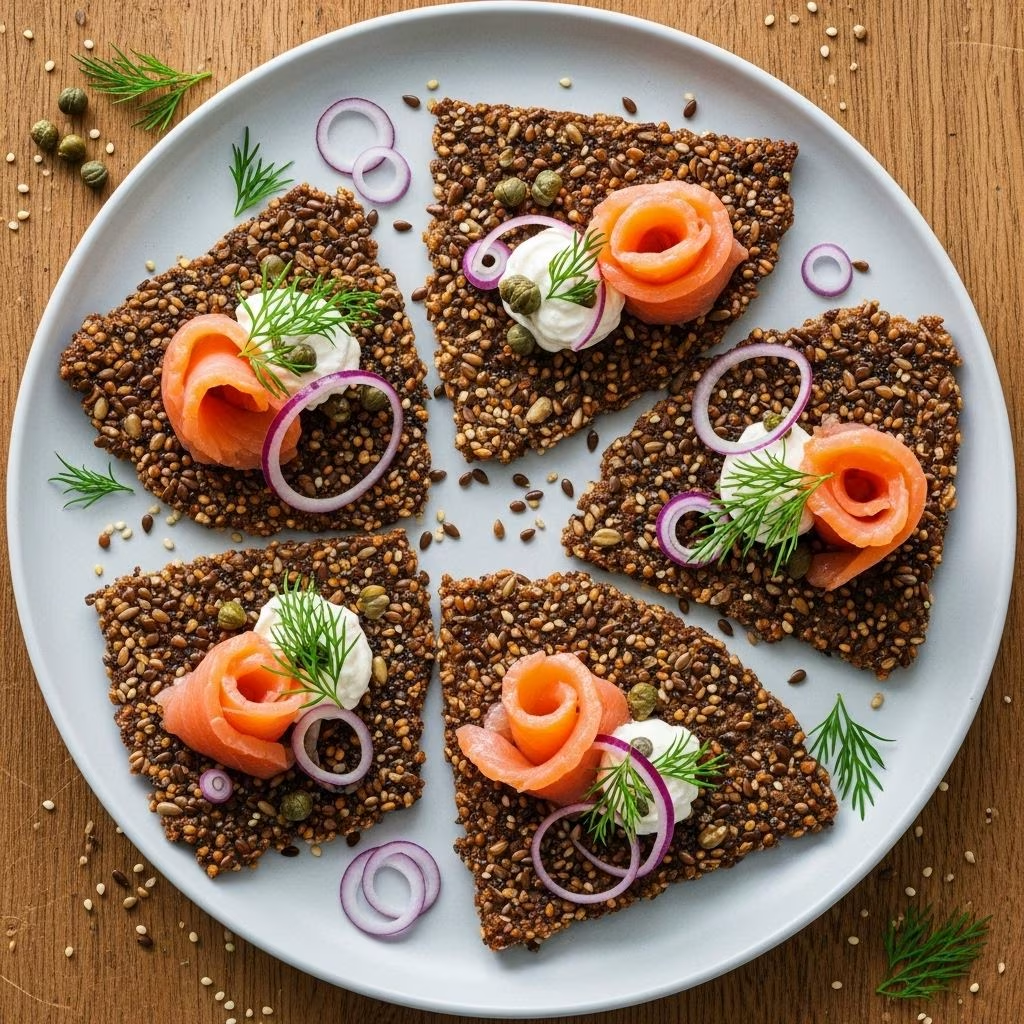
| Ezekiel Bread | 1 slice | 4 grams | Sprouted grains, high fiber, blend of legumes and grains |
| Hemp Seeds | 3 tbsp | 10 grams | Omega-3s, magnesium, iron, easy addition to salads |
| Chia Seeds | 2 tbsp | 4 grams | Omega-3 fatty acids, fiber, calcium |
| Farro | 1 cup cooked | 6 grams | Whole grain, magnesium, iron |
| Edamame | 1/2 cup cooked | 8 grams | Rich in fiber, iron, vitamin K |
Honorable Mentions: Combination Plant Foods
- Hummus and Pita: Chickpeas (rich in lysine) plus wheat (low in lysine) combine to form a complete protein.
- Peanut Butter with Whole Wheat Bread: A classic combo that together provides all the essential amino acids.
- Rice and Beans: Beans and rice complement each other’s amino acid profile.
Other Complete Plant-Based Proteins to Try
- Amaranth: Grain-like seed, gluten-free, complete protein.
- Spirulina: Blue-green algae, high in protein, B vitamins.
- Mycoprotein (Quorn): Fungi-based meat substitute, complete protein.
- Nutritional Yeast: Cheesy flavor, B vitamins, complete protein.
Animal-Based Complete Proteins
Animal foods naturally contain all essential amino acids, making them universal sources of complete protein. These foods are especially beneficial for those following omnivorous diets:
- Lean Meats (chicken, turkey, beef, pork): High protein, iron, zinc; opt for lean cuts to reduce saturated fat intake.
- Fish (salmon, tuna, mackerel): Protein and heart-healthy omega-3s; choose varieties low in mercury.
- Dairy (milk, cheese, Greek yogurt): Protein, calcium, vitamin D; select low-fat or non-fat versions for cardiovascular health.
- Eggs: Perfectly balanced protein source, vitamins, minerals, choline.
How to Combine Plant Proteins for Completeness
Most plant foods lack at least one essential amino acid. By pairing complementary proteins, you can easily get all nine amino acids even without animal products.
- Grains + Legumes: Try rice and beans, whole wheat bread and peanut butter, or oats with lentils.
- Legumes + Nuts/Seeds: Chili with beans and sunflower seeds, or hummus (chickpeas) with tahini (sesame paste).
- Daily Variety: Eat a range of nuts, seeds, grains, and legumes to meet your needs over the course of the day.
Best Practices for Adding Protein to Your Diet
To optimize your nutrition and easily reach your protein goals:
- Include a complete protein with every meal wherever possible.
- Mix plant-based and animal proteins, or combine complementary plant foods if avoiding animal products.
- Choose whole grains and fiber-rich foods for additional health benefits—more fiber, vitamins, minerals.
- Exercise portion control, especially with calorie-dense foods like nuts and seeds.
- Opt for lean and low-fat versions of animal proteins to minimize saturated fat.
- Read food labels and understand protein content per serving.
Frequently Asked Questions (FAQs)
Q: What is a complete protein?
A: A complete protein contains all nine essential amino acids in sufficient amounts needed for human health.
Q: Can I get enough complete protein on a vegan diet?
A: Yes. Foods like quinoa, buckwheat, hemp seeds, and combinations (rice and beans, hummus and pita) provide all essential amino acids. Eating a varied diet ensures adequate intake.
Q: Do I have to eat complete proteins at every meal?
A: No. The body keeps a pool of amino acids, so eating a variety of proteins over the day meets your essential amino acid needs.
Q: Which has more complete proteins—animal or plant foods?
A: Animal foods naturally contain complete proteins. Fewer plant foods are complete, but strategic combinations and certain superfoods (quinoa, buckwheat, hemp seeds, etc.) meet your needs.
Q: Is eating too much protein harmful?
A: For most people, modestly increased protein intake is safe, but excessive amounts may stress kidneys, especially for those with pre-existing conditions. Aim for balanced sources.
Protein-Rich Meal Ideas
- Quinoa Vegetable Bowl: Toss cooked quinoa with roasted vegetables, grilled tofu, and a sprinkle of hemp seeds.
- Ezekiel Toast: Spread natural peanut butter on toasted Ezekiel bread for a protein-packed snack.
- Bean & Rice Burrito: Stuff a whole wheat tortilla with black beans, brown rice, avocado, and salsa.
- Edamame Stir-Fry: Sauté edamame with broccoli, bell peppers, and tempeh—serve over buckwheat noodles.
- Chia Seed Parfait: Layer chia seeds, Greek yogurt, and fresh fruit for a filling breakfast with both plant and dairy proteins.
Tips for Choosing the Best Protein Sources
When shopping, look for foods labeled “complete protein,” check ingredient lists for whole grains and legumes, and experiment with new recipes featuring buckwheat, quinoa, hemp, and chia seeds for exciting variety.
- Scan nutrition facts: Aim for at least 6–8 grams of protein per serving per meal.
- Explore international cuisines: Many traditional diets naturally pair complementary proteins.
- Meal prep: Prepare grains and legumes in advance to quickly build nutrient-rich meals all week.
Nutritional Comparison: Plant vs. Animal Protein
| Aspect | Plant-Based Complete Protein | Animal-Based Complete Protein |
|---|---|---|
| Source Variety | Seeds, grains, legumes, combinations | Meat, eggs, dairy, fish |
| Associated Nutrients | Fiber, healthy fats, phytonutrients | Iron, zinc, vitamin B12, calcium |
| Common Allergens | Wheat, soy, nuts | Dairy, eggs, shellfish |
| Saturated Fat | Low | Varies (higher in red meat, full-fat dairy) |
| Environmental Impact | Generally lower | Generally higher |
| Complete Protein Content | Moderate, but available; requires combinations for variety | High and naturally present |
Conclusion: Building a Balanced, Protein-Rich Diet
Complete proteins are central to a healthy diet, whether from animal sources, select plant foods, or creative food combinations. With expanding options for plant-based complete proteins and awareness of complementary eating, it’s easier than ever to craft meals that support total well-being. With tasty, accessible foods like quinoa, buckwheat, tofu, and Ezekiel bread, plus classic pairings like beans and rice, enjoying robust protein nutrition is simple, sustainable, and satisfying.
References
- https://www.health.harvard.edu/nutrition/high-protein-foods-the-best-protein-sources-to-include-in-a-healthy-diet
- https://www.prevention.com/food-nutrition/healthy-eating/g26895324/complete-protein-foods-list/
- https://www.healthline.com/nutrition/complete-protein-for-vegans
- https://www.piedmont.org/living-real-change/what-is-a-complete-protein
- https://nutritionsource.hsph.harvard.edu/what-should-you-eat/protein/
- https://health.clevelandclinic.org/do-i-need-to-worry-about-eating-complete-proteins
- https://www.myplate.gov/eat-healthy/protein-foods