Glutathione is often considered the body’s most powerful antioxidant. With growing interest among health professionals and wellness enthusiasts alike, this tripeptide is gaining recognition for its multifaceted role in supporting immunity, detoxification, skin radiance, and overall vitality.
But what exactly is glutathione? What makes it “the master antioxidant”? Should you consider supplementation, and what do experts recommend? This in-depth guide explores glutathione’s biological functions, proposed health benefits, expert perspectives, and everything else you need to know about this critical nutrient.
What Is Glutathione?
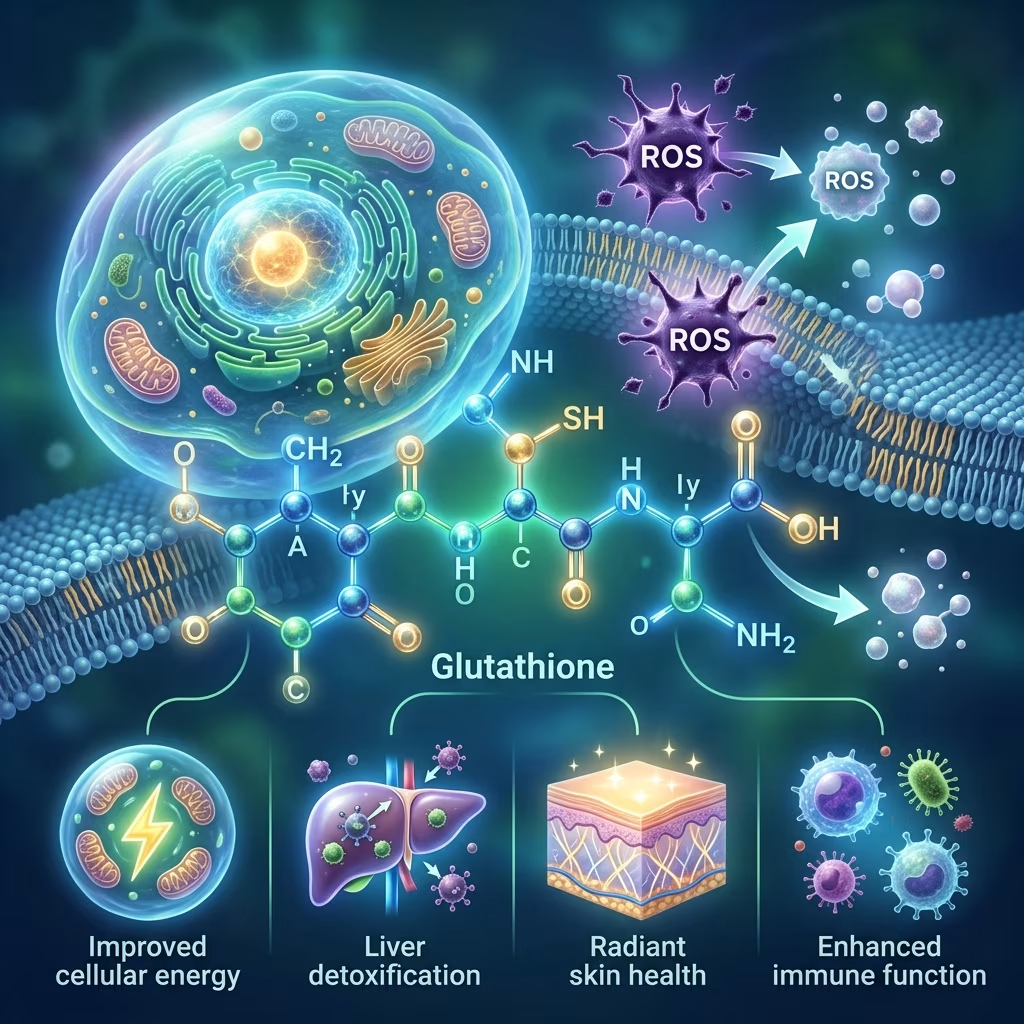
Glutathione is a small molecule formed by three amino acids: cysteine, glutamic acid, and glycine. It exists in every cell of the human body, where it plays a pivotal role in fighting oxidative stress, detoxifying harmful compounds, regulating immune responses, and more *.
- Antioxidant action: Directly neutralizes damaging free radicals that can harm DNA, proteins, and cell membranes.
- Detoxification: Binds heavy metals, drugs, and environmental toxins, making them easier for the body to eliminate via urine or bile .
- Immune modulation: Supports healthy functioning of white blood cells and the production of antibodies .
- Cellular repair: Helps regenerate other antioxidants, such as vitamins C and E, after they have been used.
- Redox regulation: Maintains a healthy balance between oxidation and reduction within cells, essential for normal biological function.
The body produces glutathione endogenously, but levels can be influenced by age, diet, chronic illness, heavy toxin exposure, and certain medical conditions.
The Top Health Benefits of Glutathione
Research continues to reveal many ways in which glutathione impacts our health. Below are the most established, science-backed benefits:
Liver Detoxification and Protection
Glutathione is crucial for detoxifying the liver and supporting its central role in neutralizing pollutants, alcohol, medications, and metabolic waste :
- Binds to heavy metals (e.g., lead, mercury) and transforms them into compounds that are less toxic and easily excreted.
- Prevents buildup of toxins that can cause liver cell damage or contribute to liver disease.
- Supports the breakdown and removal of drugs and alcohol from the body.
Clinical studies have documented improved liver function and reduced markers of liver stress in patients given glutathione or its precursors .
Immune System Support
Functional immune systems rely on adequate glutathione :
- Enhances the activity of white blood cells, the body’s first line of defense against infection.
- Balances inflammatory responses—helping to avoid both under-activation (infection) and over-activation (autoimmunity).
- Supports antibody production for more robust protection against pathogens.
Even relatively small changes in glutathione appear to have outsized effects on immune cell function and disease resistance .
Skin Brightening and Anti-Aging
Among beauty and dermatology circles, glutathione is increasingly lauded for its skin-brightening and anti-aging properties :
- Reduces visible signs of aging by protecting skin cells from oxidative damage.
- Minimizes fine lines, wrinkles, and pigmentation irregularities.
- Helps improve skin elasticity and promote a clear, radiant complexion.
- Inhibits melanin production, which can lighten dark spots and even skin tone.
No wonder glutathione is sometimes referred to as an ingredient in “beauty drips” or celebrity IV infusions .
Reducing Oxidative Stress
Oxidative stress—a state of imbalance between damaging free radicals and the body’s ability to neutralize them—is a key driver of chronic diseases and the aging process. Glutathione’s role as the body’s primary defense against oxidative damage is well recognized :
- Neutralizes reactive oxygen species before they harm tissues.
- Helps regenerate and recharge depleted antioxidants, amplifying their protective effects throughout the body.
- Reduces risk of ailments linked to oxidative stress, such as cardiovascular disease, neurodegeneration, metabolic syndrome, and others.
Energy and Athletic Recovery
Glutathione supports mitochondrial health, which underpins cellular energy production and physical resilience :
- Protects mitochondria from oxidative damage, sustaining energy output.
- Helps combat muscle fatigue and soreness after exercise.
- May accelerate recovery from strenuous workouts.
Some clinics even offer glutathione IV “energy drips” for athletes or individuals with chronic fatigue.
Metabolic and Cognitive Health
Emerging evidence links glutathione to insulin sensitivity, diabetes management, and neuroprotection :
- Improves insulin uptake and sensitivity in individuals with metabolic syndrome and type 2 diabetes.
- Lowers inflammation and oxidative damage in nervous tissue, potentially reducing the risk of neurodegenerative disorders.
- Supports brain clarity and may reduce “brain fog.”
What Causes Glutathione Deficiency?
Glutathione levels can be depleted by several factors:
- Aging: The body’s natural production of glutathione declines with age.
- Poor diet: Diets lacking in amino acids and essential vitamins can halt glutathione synthesis.
- Chronic illness: Conditions like diabetes, liver disease, and neurodegenerative disorders can lower glutathione stores.
- Extended toxin exposure: Environmental pollutants, heavy metals, and chronic medication use increase glutathione consumption.
- High oxidative stress: Ongoing cell damage or inflammation quickly depletes available glutathione.
Symptoms of low glutathione may include chronic fatigue, frequent illnesses, poor concentration, and slow recovery from illness or injury .
Natural Sources and How To Boost Glutathione
Glutathione can be supported through dietary and lifestyle choices:
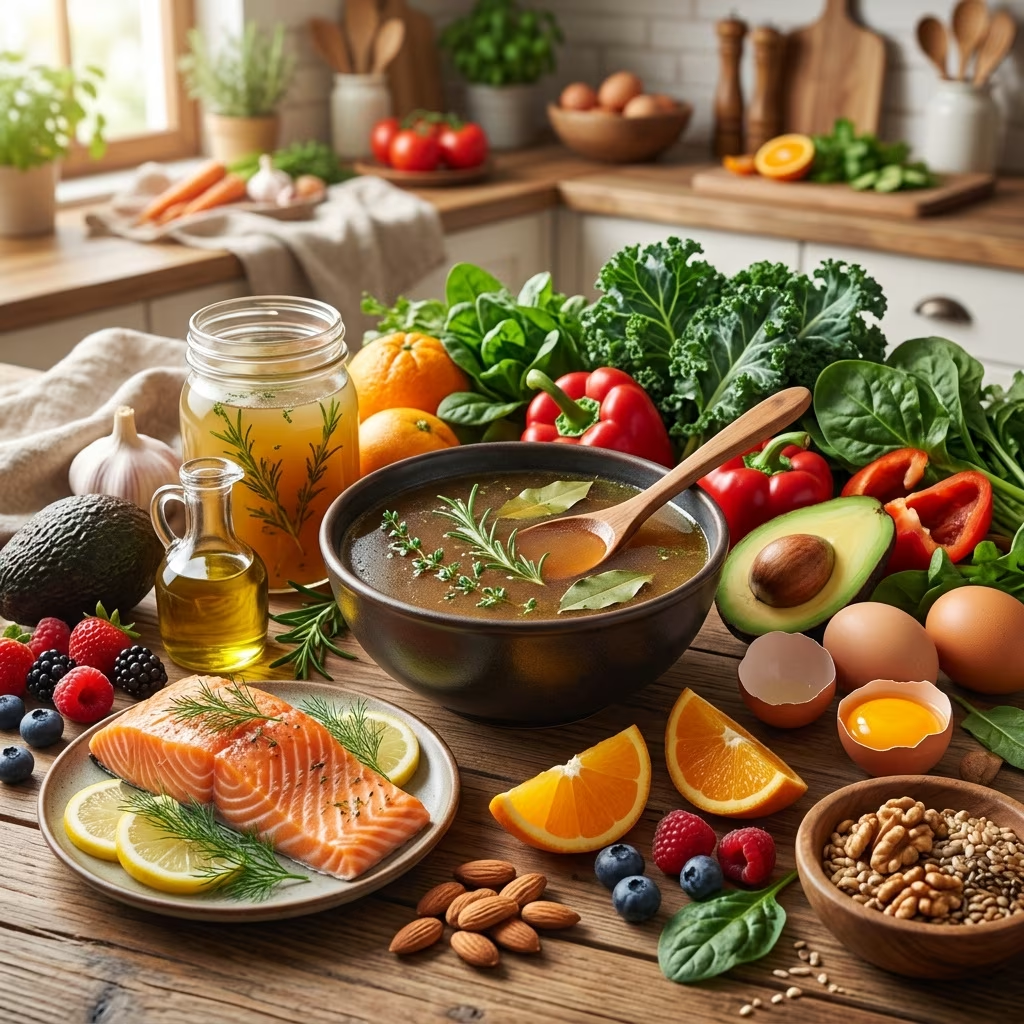
- Healthy protein intake: Eggs, lean meats, fish, and legumes are good sources of the amino acids cysteine, glycine, and glutamic acid.
- High-sulfur vegetables: Broccoli, cauliflower, kale, Brussels sprouts, onions.
- Vitamin-rich foods: Vitamin C and E (found in citrus fruits, berries, nuts, and seeds) help regenerate glutathione.
- Whey protein: Supplies bioavailable building blocks for glutathione synthesis.
- Herbs and spices: Turmeric, milk thistle, and green tea may support or increase glutathione levels.
Lifestyle habits like exercise, sleep optimization, and minimizing exposure to toxins also help preserve glutathione stores.
Glutathione Supplementation: Methods and Safety
People seeking higher levels may consider supplements or medical infusions. The main options include:
| Supplement Form | Description | Notes |
|---|---|---|
| Oral (capsules/tablets) | Usually offers precursors (such as N-acetylcysteine, or NAC) to increase the body’s own production. | Glutathione itself has poor oral bioavailability; precursors are more effective. |
| Liposomal | Glutathione encapsulated in fat-based molecules to improve absorption. | More promising but still under study. |
| IV infusion | Delivered intravenously in clinical settings for direct bloodstream absorption. | Common for liver or skin therapy; requires medical supervision. |
| Supplements (S-acetyl glutathione) | Stabilized forms designed for oral use. | Growing evidence of better stability and absorption. |
Always consult with a healthcare professional before initiating glutathione supplementation, especially if you have underlying health conditions or are on medication.
Expert Quotes: What Nutrition Professionals Say
- “Glutathione is unique because it acts as a central regulator of many antioxidant and detoxification pathways within the body. Maintaining its levels is crucial for long-term health.” – Functional Medicine Specialist
- “While supplementation can help in cases of deficiency or high oxidative stress, prioritizing dietary and lifestyle changes is the safest route for most people.” – Registered Dietitian Nutritionist
- “There’s growing evidence for glutathione’s role in skin health and chronic disease prevention, but consumers should be wary of unproven claims or overhyped infusions.” – Clinical Nutrition Researcher
Glutathione Myths and Realities
- Myth: IV glutathione is a miracle cure for all ailments.
Fact: While IV forms deliver the molecule directly, research supports benefits only for a handful of clinical conditions. Most people can maintain healthy levels through natural means. - Myth: Oral glutathione supplements are useless.
Fact: Some forms are absorbed better than others. Precursors like NAC or S-acetyl glutathione may work better than standard capsules. - Myth: Antioxidant supplementation is always safe.
Fact: Excessive antioxidant use can interfere with the body’s signaling and natural defense pathways. Always consult a specialist.
Frequently Asked Questions (FAQs)
Q: Is glutathione safe for everyone?
A: For most healthy individuals, boosting glutathione through diet is safe. Supplements and infusions should be used under medical supervision, as rare side effects or allergic reactions may occur—especially in people with asthma or sulfite sensitivity.
Q: Can glutathione lighten skin or treat hyperpigmentation?
A: Glutathione’s skin-brightening effect is supported by its impact on melanin production and antioxidant protection. Some individuals report improvements, but evidence varies and results are more pronounced when used with other therapies.
Q: Would taking a supplement increase my body’s glutathione?
A: Some supplements (especially NAC or S-acetyl glutathione) can raise levels by promoting the body’s own synthesis, while basic oral glutathione has poor absorption. Liposomal forms show promise for better uptake.
Q: How do I know if I need extra glutathione?
A: People under high oxidative stress (due to chronic illness, heavy toxin exposure, poor diet, or aging) may benefit from discussion with their healthcare provider about ways to support glutathione—often starting with lifestyle changes.
Q: Can food alone restore glutathione?
A: For most people, a nutrient-rich diet including sulfurous vegetables, lean protein, and vitamin C is sufficient to maintain healthy glutathione. Supplements may be considered for those with documented deficiency or increased needs.
References
- This article is based on peer-reviewed research, clinical studies, and expert commentary as synthesized from leading health websites and nutrition specialists.
References
- https://www.olympiapharmacy.com/blog/glutathione-benefits/
- https://austinmdclinic.com/glutathione-iv-therapy-benefits-your-guide-to-natures-master-antioxidant/
- https://alchemyclinic.com/the-master-antioxidant-glutathione/
- https://hopebraincenter.com/why-doctors-call-glutathione-the-master-antioxidant-2025-guide/
- https://cellularnutrition.solgar.com/blog/what-glutathione-comprehensive-guide-basics
- https://livewellmd.net/the-ultimate-guide-to-glutathione/
- https://www.healthline.com/health/glutathione-benefits
- https://www.rupahealth.com/post/glutathione-health-benefits-the-master-antioxidant
- https://longevity.technology/clinics/the-ultimate-guide-to-glutathione-benefits-side-effects-research/