Everything You Need to Know About Eating Persimmons and Their Health Benefits
Persimmons, with their vibrant orange hue and honey-like sweetness, are much more than just a delicious autumn treat. From boosting heart health to supporting digestion and vision, these fruits pack a wide variety of essential vitamins, minerals, and antioxidants. In this article, we will uncover the nutritional profile of persimmons, discuss their many health benefits, explain the differences between common varieties, and provide expert tips for selecting, eating, and cooking with persimmons.
What Are Persimmons?
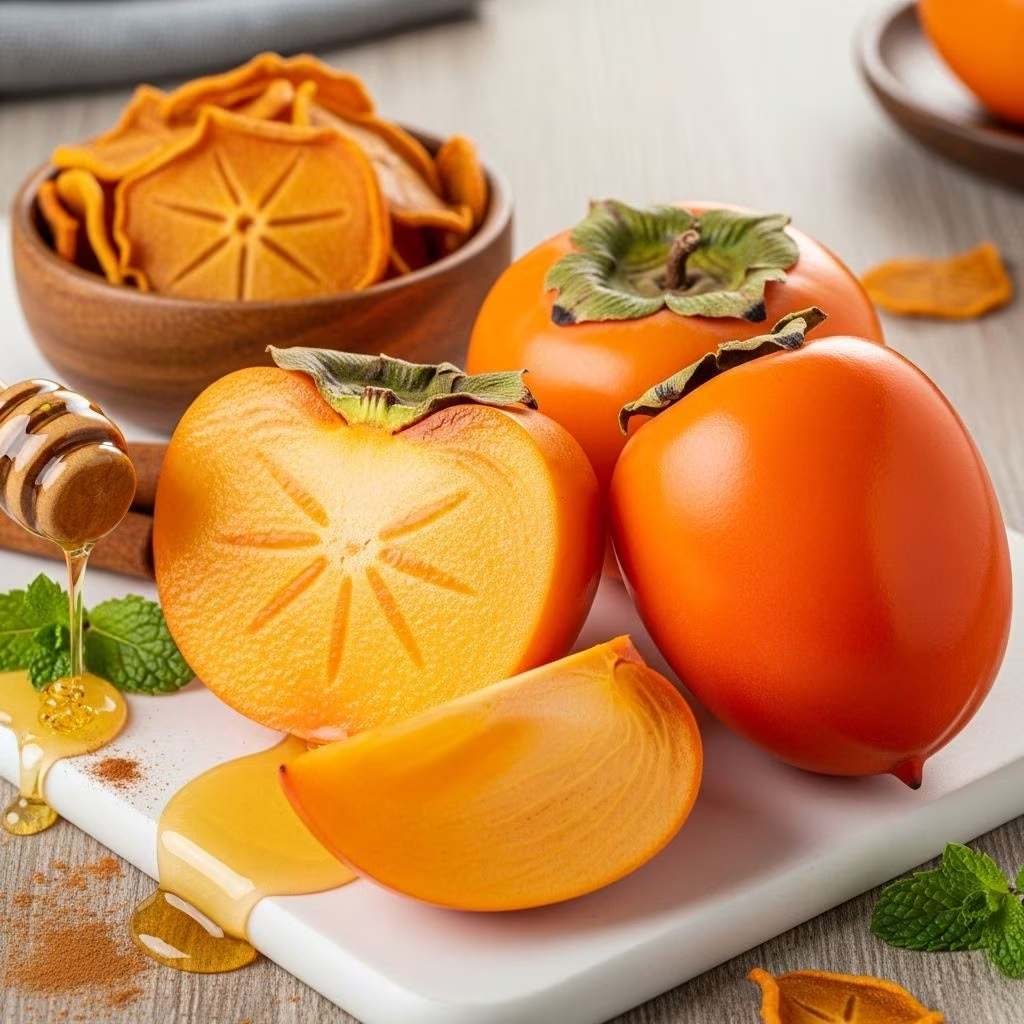
Persimmons are bright orange, sweet fruits that belong to the Diospyros genus. Although hundreds of types exist worldwide, two varieties dominate grocery stores and markets: Hachiya and Fuyu. The Hachiya is heart-shaped, astringent, and must be fully ripe before eating, while the Fuyu is squat, tomato-shaped, and can be enjoyed while still firm.
- Hachiya persimmons: Astringent, bitter if unripe, soft when ripe; best for baking or eating with a spoon.
- Fuyu persimmons: Non-astringent, crisp texture, sweet flavor; can be eaten like an apple or sliced into salads.
Persimmon Nutrition Facts
Persimmons are remarkably nutrient-dense for their size. Here is a breakdown of the core nutrients provided by a single medium Japanese persimmon (168g):
| Calories | Carbohydrates | Protein | Fat | Fiber | Vitamin A | Vitamin C | Potassium | Manganese |
|---|---|---|---|---|---|---|---|---|
| 118 | 31g | 1g | 0g | 6g | 2740 IU | 13mg | 270mg | 0.6mg |
- Rich in vitamin A and vitamin C, supporting immunity, skin, and eye health.
- Packed with fiber: Promotes digestion and helps manage cholesterol.
- Contains important minerals: Manganese, copper, potassium.
- Low in fat, moderate in natural sugars.
Health Benefits of Persimmons
Regular consumption of persimmons can provide significant health advantages. Here’s how:
1. Heart Health
- Persimmons feature soluble dietary fiber and antioxidants, known to lower LDL (“bad”) cholesterol and reduce the risk of heart disease.
- Bioactive compounds in persimmons possess antiatherosclerotic properties, helping to prevent hardening and narrowing of arteries.
- Flavonoids and tannin-rich fiber support cardiovascular wellness by improving blood lipid profiles.
2. Eye Health
- One serving contains more than half the recommended daily intake of vitamin A, crucial for vision and eye surface health.
- Persimmon peel is rich in lutein and zeaxanthin, antioxidants that help protect against eye diseases such as macular degeneration.
3. Diabetes Management
- Persimmons offer fiber that slows carbohydrate digestion, helping prevent post-meal blood sugar spikes.
- The peel contains flavonoids with antidiabetic and antioxidant effects, protecting against the formation of harmful advanced glycation end products (AGEs).
4. Anti-Inflammatory Effects
- Bioactive compounds in persimmons, including carotenoids, flavonoids, and vitamin E, reduce inflammation and lower risk of chronic diseases such as asthma, arthritis, and heart disease.
5. Digestive Health
- The high fiber content promotes regularity and supports the gut microbiome.
- Soluble fiber slows digestion, managing cholesterol and blood sugar.
6. Immunity Support
- Vitamin C and beta-carotene increase immune strength and help defend against infection.
7. Skin and Cellular Health
- Antioxidants fight free radical damage, supporting skin, brain, and cellular health.
Types of Persimmons: Differences and Best Uses
| Type | Shape | Taste | Best For | How to Eat |
|---|---|---|---|---|
| Hachiya | Heart-shaped | Astringent when firm; sweet when fully ripe | Baking, puddings, purees | Soft and almost jelly-like when ripe; scoop with spoon |
| Fuyu | Tomato-shaped | Non-astringent, crisp, sweet | Fresh eating, salads, salsas | Slice or bite like an apple, even when firm |
| Other Varieties | Varies | May require ripening; flavor profile varies | Jams, dried snacks, baking | Follow ripeness cues or recipe adaptations |
How to Pick and Store Persimmons
Choosing a quality persimmon is key to enjoying its best flavor and health benefits. Follow these strategies:
- Fuyu varieties are ready to eat when orange and slightly firm. Look for smooth skin without bruises.
- Hachiya varieties should be eaten only when extremely soft and almost jelly-like—otherwise, they will be unpleasantly astringent.
- Store unripe persimmons at room temperature until their color deepens and texture softens. Ripe persimmons can be stored in the refrigerator for up to three days.
- To speed up ripening, place persimmons in a paper bag with an apple or banana, which emit natural ethylene gas.
Expert Tips: How to Eat Persimmons
Persimmons are highly versatile and can be enjoyed in numerous ways, both raw and cooked. Explore these ideas:
- Eaten whole or sliced: Fuyu-style persimmons can be bitten into like apples, while Hachiya requires scooping out the ripe flesh.
- Salads: Add fresh slices to green salads or grain bowls; their sweetness complements spicy greens, nuts, and cheeses.
- Baking: Use pureed, ripe Hachiya persimmons in muffins, breads, and puddings for added flavor and moisture.
- Breakfast: Stir cubes into oatmeal, granola, or yogurt. Roast halves for a warm, caramelized treat.
- Cooking: Substitute for apples or pears in pork dishes; sauté or roast slices for savory/sweet flavor profiles.
- Desserts: Persimmons pair beautifully with ice cream, tarts, trifles, and more.
Creative Persimmon Recipe Ideas
- Persimmon Salsa: Combine diced Fuyu persimmons, red onion, jalapeño, cilantro, and lime for a festive dip.
- Persimmon Muffins or Bread: Fold pureed Hachiya persimmon into quick bread or muffin batter.
- Persimmon Pudding: Blend ripe Hachiya flesh with eggs, milk, sugar, and spices, bake until set.
- Roasted Persimmons: Slice thick and roast with honey and cinnamon for dessert or a side dish.
- Breakfast Bowls: Layer sliced persimmons with berries, yogurt, and whole-grain granola for added sweetness and nutrition.
FAQs About Persimmons
What do persimmons taste like?
Persimmons are typically sweet with hints of honey and apricot. Hachiya persimmons, when fully ripe, are extremely soft and intensely sweet; Fuyu persimmons are mild, crisp, and less syrupy.
Are persimmons high in sugar?
Persimmons contain natural sugars, with approximately 21g per fruit. They are healthy in moderation as part of a balanced diet, especially given their fiber and nutrient content.
Can you eat persimmon skin?
Yes—both Fuyu and Hachiya skins are edible, though many people prefer to peel Hachiya once ripe for a smoother texture. The skin contains valuable antioxidants and fiber.
How do you store ripe persimmons?
Keep ripe persimmons refrigerated and consume within 2–3 days for best flavor. Unripe fruit can be left to soften at room temperature.
Are persimmons safe for people with diabetes?
Persimmons offer dietary fiber and antioxidants that may support stable blood sugar, but due to their natural sugar content, they should be consumed mindfully by people with diabetes.
Potential Risks and Precautions
- High Sugar Content: Because persimmons are high in natural sugars, people managing diabetes or watching carbohydrate intake should enjoy them in moderation.
- Tannins in Unripe Persimmons: Unripe Hachiya persimmons contain tannins that can cause unpleasant mouth-puckering; always eat them by waiting for full ripeness.
- Allergy Risk: Though rare, allergic reactions can occur—discontinue eating persimmons if you notice symptoms.
Persimmons as Part of a Healthy Lifestyle
Incorporating persimmons into a balanced diet is simple thanks to their naturally sweet flavor and nutritional intensity. Choose whole or sliced persimmons as an easy snack, toss them into salads or breakfast bowls, or enjoy them in desserts for a nutrient-rich boost. By varying how you use persimmons, you’ll ensure you’re reaping their full array of vitamins, minerals, fiber, and antioxidants while keeping your meals vibrant and inviting.
Frequently Asked Questions (FAQs)
Q: How many persimmons should you eat per day?
A: One medium persimmon daily can fit into most healthy diets, providing substantial nutrients without excess sugar.
Q: Is it safe to eat persimmon seeds?
A: Most persimmons contain small seeds, which should generally be discarded, as they can be hard and indigestible.
Q: Can I freeze persimmons?
A: Yes, both varieties freeze well. Peel and slice before freezing for best results, especially if you’ll use them for baking or smoothies.
Q: When is persimmon season?
A: Peak season is late fall, typically October through December.
Conclusion: Persimmons—A Sweet Path to Health
From their rich vitamin-mineral profile and disease-preventing potential to culinary versatility, persimmons deserve a place in your kitchen and diet. Whether enjoyed raw, cooked, or baked, this unique fruit brings a wealth of health-supporting properties and delicious possibilities.
References
- https://www.webmd.com/diet/health-benefits-persimmon
- https://www.healthline.com/nutrition/persimmon-nutrition-benefits
- https://pmc.ncbi.nlm.nih.gov/articles/PMC4817420/
- https://www.medicalnewstoday.com/articles/persimmon-fruit
- https://www.youtube.com/watch?v=ySdEd-DLd38
- https://www.gardenia.net/guide/persimmon-top-health-benefits-of-this-fall-superfruit
- https://www.surreycentrefornutrition.com/blog-summary/persimmon
- https://www.prevention.com/food-nutrition/a42113380/how-to-eat-persimmons-health-benefits/