Coffee With Milk: The New Anti-Inflammatory Powerhouse?
For many, a fresh cup of coffee is the essential start to the day. But recent scientific findings are giving coffee lovers even more reason to celebrate—especially if they prefer their morning brew with a splash of milk. Researchers have discovered that combining coffee with milk significantly enhances its anti-inflammatory properties, potentially doubling the benefits compared to black coffee alone. Let’s explore what the study found, how it works, and what it means for your health.
Understanding Inflammation and Its Impact
Inflammation is a vital defense mechanism that the body uses to fight off infections, injuries, and invaders. When harmful stimuli, such as pathogens or toxins, are detected, the immune system releases substances—like white blood cells—to protect and heal tissues. However, chronic inflammation is a different story. Long-term, low-grade inflammation plays a role in a wide array of health issues, including:
- Heart disease
- Diabetes
- Arthritis
- Certain cancers
- Obesity
This makes anti-inflammatory foods and habits essential for long-term well-being.
The Science Behind Coffee and Polyphenols
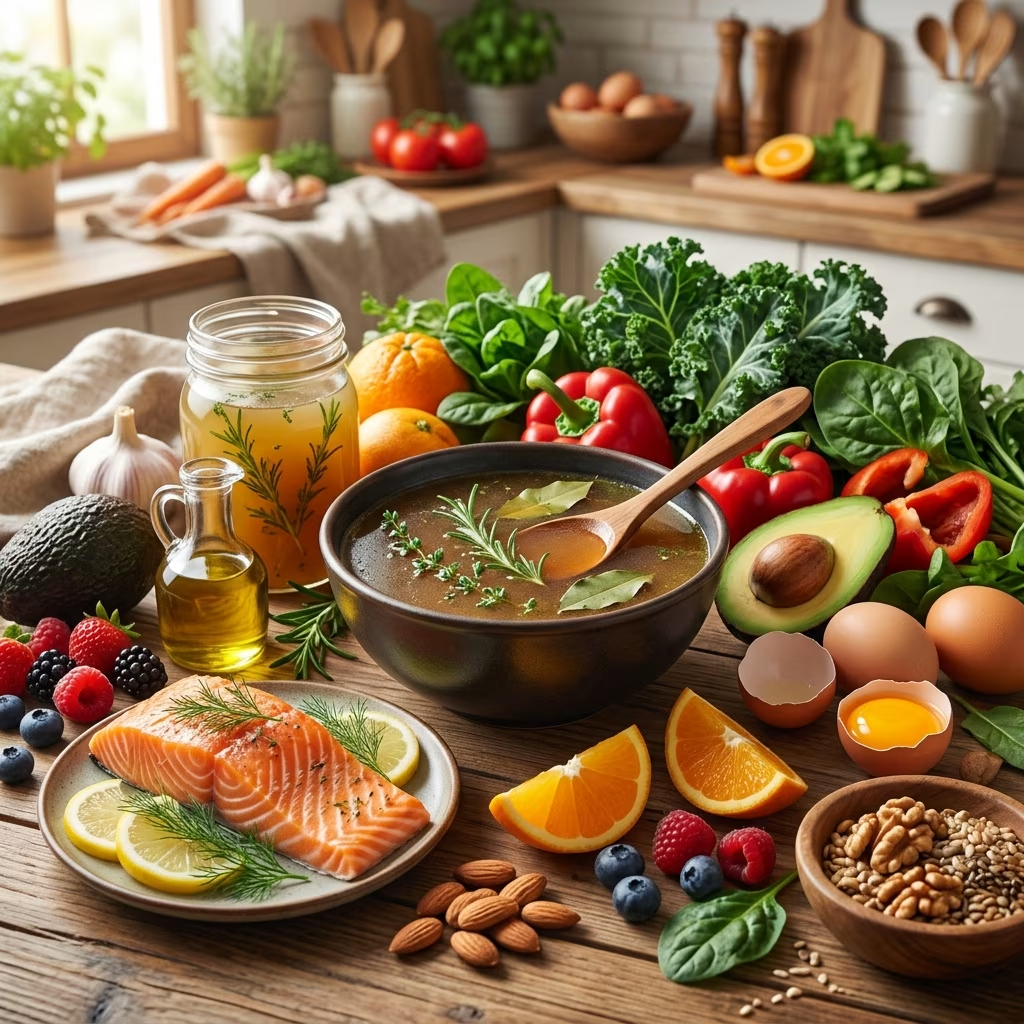
Coffee is much more than a caffeinated pick-me-up. It is one of the richest sources of polyphenols—plant-derived compounds celebrated for their antioxidant and anti-inflammatory effects. Polyphenols help the body combat oxidative stress, a key driver of inflammation and cellular damage. Besides coffee, other abundant sources of polyphenols include:
- Berries (such as blueberries, strawberries, raspberries)
- Green tea
- Red wine
- Pomegranate
- Apples
- Nuts (like almonds and walnuts)
- Extra-virgin olive oil
These compounds have been linked with improved gut health and a reduced risk of chronic diseases like cardiovascular disease and cancer.
What Did the Study Find?
The study published in the Journal of Agricultural and Food Chemistry sought to deepen our understanding of how polyphenols behave in the body, particularly when combined with proteins. Conducted by researchers at the University of Copenhagen, the study focused on what happens at a cellular level when coffee’s polyphenols interact with the proteins found in milk.
Here’s how the study was conducted:
- Researchers artificially induced inflammation in immune cells in the lab.
- Some cells were exposed to polyphenols that had been pre-reacted with amino acids (the building blocks of protein), replicating the combination of coffee and milk.
- Other groups were given polyphenols alone or received nothing (the control group).
| Treatment | Effect on Inflammation |
|---|---|
| Polyphenols + Protein (amino acids) | Twice as effective at reducing inflammation |
| Polyphenols alone | Reduced inflammation (but less than when combined with protein) |
| No treatment (control) | No significant effect on inflammation |
The most noteworthy finding: Cells treated with both polyphenols and proteins fought inflammation twice as effectively as those treated with polyphenols alone.
How Coffee and Milk Work Together
At the molecular level, polyphenols in coffee bind rapidly to the proteins in milk. This pairing seems to completely alter the way these substances influence immune cells. The resulting molecular complexes were shown to “turbocharge” the anti-inflammatory response in lab tests.
Professor Marianne Nissen Lund, a lead author of the study, explained, “Our result demonstrates that the reaction between polyphenols and proteins also happens in some of the coffee drinks with milk that we studied. The reaction happens so quickly that it has been difficult to avoid in any of the foods we’ve studied so far.”
Broader Implications: More Than Just Coffee
This research has implications beyond your coffee cup. The mechanism discovered may also come into play when combining polyphenol-rich and protein-rich foods. Examples include:
- Meat dishes with vegetables
- Smoothies with fruit and yogurt
- Salads featuring beans or nuts and dairy-based dressings
The food industry is taking note, with scientists exploring novel ways to fortify foods with optimal combinations of polyphenols and proteins for enhanced health benefits.
What are Polyphenols and Why are They Good for You?
Polyphenols are a large family of naturally occurring compounds found in plants. Their key health-promoting actions include:
- Acting as antioxidants—to protect cells from oxidative stress
- Reducing inflammation throughout the body
- Supporting cardiovascular health
- Enhancing the health of the gut microbiome
- Lowering risk for certain types of cancer
While polyphenols are abundant in plant foods, leveraging their full potential may depend on how they are paired with proteins and other compounds in your diet.
Potential Health Benefits of Coffee With Milk
According to the new findings and expert commentary, possible advantages include:
- Enhanced anti-inflammatory action, possibly helping prevent chronic conditions linked to unchecked inflammation
- Potential support for immune system resilience
- Possible improved recovery from muscle and tendon overload, due to amplified control over the inflammation process
- The mixing of protein and polyphenols might also enhance antioxidant activity, providing cellular protection
Experts are quick to note that these results, so far, come primarily from laboratory studies. Researchers hope to confirm the benefits in human trials soon.
What Does This Mean For Your Morning Routine?
If you’re already a fan of lattes, cappuccinos, or just a dash of milk in your coffee, this research offers reassurance—and even added motivation—to keep enjoying your favorite beverage. While more research is needed in people, there’s reason to think the combination of coffee and milk could offer unique health advantages over black coffee alone.
Other practical tips to maximize your anti-inflammatory diet include:
- Experimenting with high-polyphenol foods alongside protein sources (fruit with yogurt, nuts in salads with cheese, etc.)
- Including a generous variety of polyphenol-rich foods in your daily meals: berries, tea, olive oil, cocoa, and, of course, coffee
- Choosing low-fat or plant-based milks if suitable for your dietary needs, noting that the benefit derives from the protein content
Expert Commentary: Should You Change Your Coffee Habits?
Nutritionists and scientists are intrigued by these results, but urge a balanced perspective.
- As Karolina Skov, Ph.D., a researcher involved in the study, notes: “As a polyphenol reacts with an amino acid, its inhibitory effect on inflammation in immune cells is enhanced… it’s clearly imaginable that this cocktail could also have a beneficial effect on inflammation in humans.”
- Further research—including animal and human trials—is necessary before making broad recommendations.
- Current studies underline the value of a balanced diet rich in both plant-based foods (for polyphenols) and high-quality proteins.
Put simply: If you already enjoy milk in your coffee, keep enjoying it. If you prefer your coffee black, don’t feel pressured to change, but know that blending coffee and milk could have advantages.
Can You Get Similar Benefits from Plant-Based Milks?
This is an emerging research area. The main benefit found is related to the reaction between polyphenols and proteins (which are abundant in dairy milk). Some plant-based milks (like soy) do contain similar proteins, while others (like almond milk or oat milk) contain much less.
While the initial study focused on cow’s milk, it’s plausible that other protein-rich plant milks could provide similar (if not identical) effects. However, more research is needed to confirm this theory.
Frequently Asked Questions (FAQs)
Is coffee itself anti-inflammatory?
Yes, coffee contains natural compounds—especially polyphenols—that provide anti-inflammatory effects, even without milk. However, combining it with milk may double these benefits according to new research.
How much coffee with milk should I drink to see benefits?
The exact amount for maximal anti-inflammatory effect isn’t established yet. Most experts recommend moderation—1–3 cups per day—as part of a healthy diet.
Can I use plant-based milks and expect the same effect?
Possibly, if the plant-based milk is rich in proteins (like soy milk). Milks with little or no protein (almond, oat, rice) may offer less of the synergistic benefit seen with dairy.
Does adding sugar or syrups affect these benefits?
Adding a small amount of sweetener is unlikely to eliminate the positive effects, but high sugar intake can have pro-inflammatory impacts overall. Less is more when it comes to added sugars.
Are there any downsides to coffee with milk?
For most people, this combination is safe and nutritious. Those with lactose intolerance, milk allergies, or sensitivities should choose alternatives. Also, keep an eye on total caffeine intake.
Takeaway: Your Coffee Ritual Can Be Good for You
Scientific evidence is growing that your morning ritual could be doing more than just waking you up. The pairing of coffee’s polyphenols and milk’s protein may magnify anti-inflammatory effects, helping to protect the body from chronic disease and cellular damage. While more research is needed to fully understand these processes in people, the latest science gives you one more reason to savor your next cup—all while supporting your health.
References
- https://www.prevention.com/food-nutrition/a42744498/coffee-with-milk-help-fight-inflammation-study/
- https://studyfinds.org/milk-coffee-anti-inflammatory/
- https://www.healthline.com/health-news/heres-why-coffee-with-milk-may-help-fight-inflammation
- https://www.youtube.com/watch?v=VD9J13RdSIw
- https://www.prevention.com/health/a44653890/does-coffee-cause-inflammation/
- https://www.prevention.com/health/a63187043/drinking-coffee-could-add-2-years-to-your-life-study/
- https://www.prevention.com/food-nutrition/healthy-eating/a19831490/is-coffee-good-for-you/
- https://www.prevention.com/health/a62414579/caffeinated-coffee-and-tea-reduce-heart-disease-risk-study/
- https://www.prevention.com/health/a65264777/coffee-for-longer-life-study/