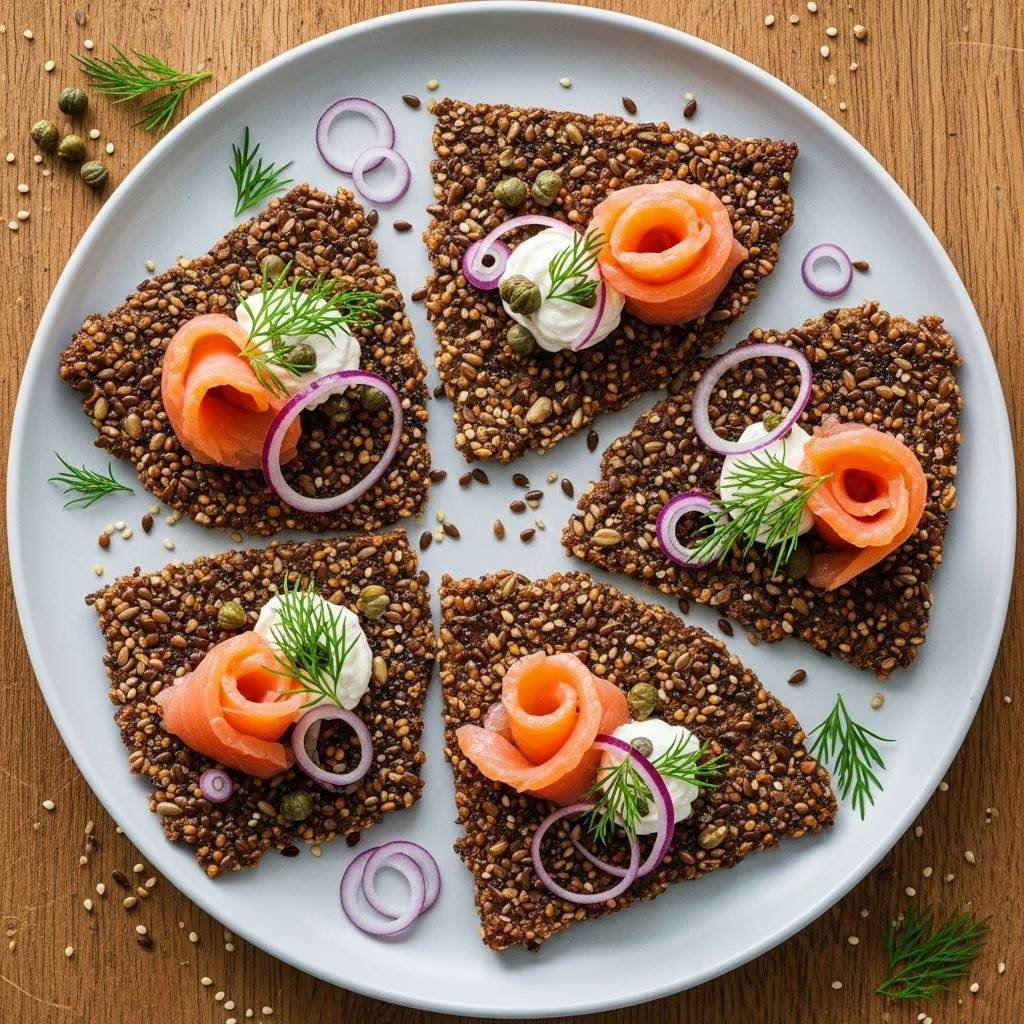
What Is the Atlantic Diet?
\n
The Atlantic Diet is a traditional eating pattern originating from the coastal regions of northern Portugal and Spain, particularly Galicia. Renowned for its emphasis on local, fresh, and seasonal foods—especially seafood, vegetables, whole grains, and olive oil—this diet is gaining attention for its potential to support heart health, weight management, and longevity. The Atlantic Diet celebrates both the flavors and the culture of the Iberian Atlantic coast while offering a unique, nutrient-rich approach to balanced eating.
\n\n
Key Principles of the Atlantic Diet
\n
- \n
- Seafood-Centric: Frequent fish and shellfish consumption
- Emphasis on Locally-Sourced Vegetables and Fruits: Seasonal, minimally processed produce form the foundation
- Whole Grains: Bread, rice, potatoes, and other grains are staple foods
- Legumes and Nuts: Diverse beans, lentils, and nuts add protein and fiber
- Moderate Dairy Intake: Milk, cheese, and yogurt appear more regularly than in most other diet patterns
- Olive Oil as Primary Fat: Main source of fat for cooking, dressing, and flavor
- Occasional Lean Meats: Some poultry and pork, but less emphasis on red meats
- Social and Cultural Eating: Meals are shared in a relaxed, family-oriented manner, often with a moderate amount of wine
\n
\n
\n
\n
\n
\n
\n
\n
\n\n
How Does the Atlantic Diet Compare to the Mediterranean Diet?
\n
The Atlantic Diet shares similarities with the popular Mediterranean Diet, but features some key differences:
\n
| Atlantic Diet | Mediterranean Diet |
|---|---|
| More fish and seafood, especially shellfish | Frequent fish, but more plant-based meals overall |
| Greater emphasis on potatoes, bread, and local whole grains | More whole grains, legumes, pasta, and a focus on fiber |
| Moderate consumption of dairy (milk, cheese, yogurt) | Low-to-moderate dairy, mainly in cheese and yogurt |
| Includes certain regional vegetables (Brassicas, e.g., turnip greens, cabbage) | Wide variety of vegetables, olive oil, and herbs |
| Pose higher carbohydrate intake | Generally lower carbohydrate, more focus on healthy fats |
\n
Both patterns prioritize fresh, minimally processed foods and encourage communal eating. Research shows both are associated with reduced chronic disease risk and longer lifespan, though the Atlantic Diet’s specific inclusion of more dairy and potatoes sets it apart.
\n\n
The Science and Health Benefits
\n
Recent studies highlight multiple health benefits of following the Atlantic Diet—many of which mirror those credited to the Mediterranean approach:
\n
- \n
- Reduced Risk of Metabolic Syndrome. A major 2024 study demonstrated that people adhering to the Atlantic Diet had a 68% lower risk of developing metabolic syndrome over six months compared to people who continued their usual diet. Metabolic syndrome includes a cluster of risk factors (high waist circumference, high triglycerides, low HDL cholesterol, elevated blood pressure, and high blood sugar) that are strongly linked to diabetes, heart disease, and stroke.
- Improved Weight and Waist Circumference. Participants experienced decreased waistlines and reductions in abdominal obesity, a major risk factor for cardiovascular disease.
- Healthier Cholesterol Profile. The diet has demonstrated improvements in HDL cholesterol (“good” cholesterol) and reductions in LDL cholesterol (“bad” cholesterol).
- Anti-Inflammatory Effects. By focusing on omega-3 fatty acids, antioxidants, and fiber-rich foods, the Atlantic Diet helps reduce chronic inflammation, a root cause of many modern diseases.
- Potential Longevity Benefits. Long-term studies from Europe indicate that those who closely adhere to the Atlantic Diet have a lower risk of all-cause mortality, cardiovascular disease, and certain cancers.
- Mental Health Support. An observational study found a 9% reduced risk of developing depression among Atlantic Diet followers.
- Blood Sugar Regulation and Diabetes Prevention. Owing to its low glycemic load, the eating pattern can help prevent and manage type 2 diabetes.
\n
\n
\n
\n
\n
\n
\n
\n
It’s important to note, however, that most research to date has been conducted in populations native to Portugal and Spain, and long-term data for non-Iberian populations are still emerging.
\n\n
What Foods Can You Eat on the Atlantic Diet?
\n
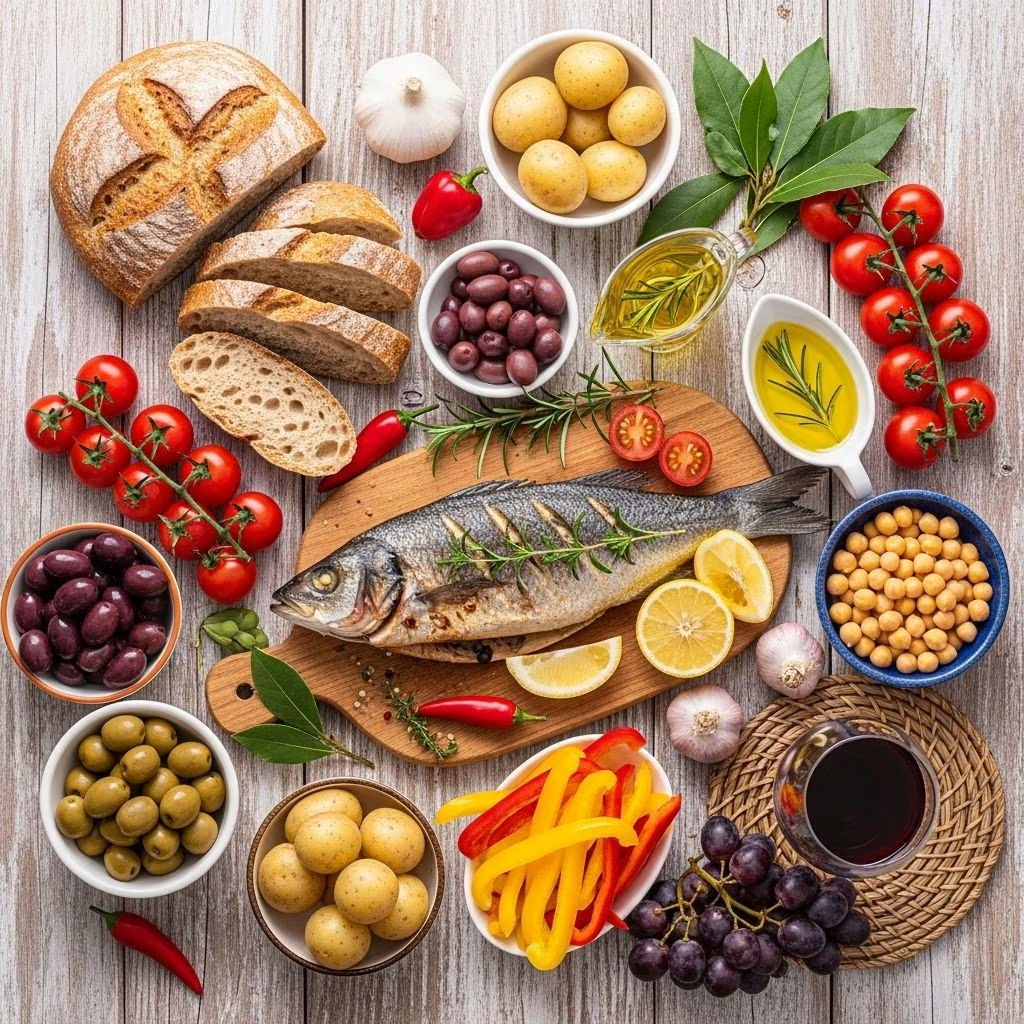
The Atlantic Diet is rich, varied, and practical to follow. While there is no rigid rulebook, focus is placed on seasonality, locality, and minimal processing. Here are the main food groups:
\n
- \n
- Fish and Seafood: Cod, sardines, hake, mackerel, octopus, shellfish, squid.
- Vegetables: Brassicas (e.g., cabbages, turnip greens), tomatoes, peppers, onions, leafy greens, carrots, potatoes.
- Fruits: Apples, pears, berries, citrus fruits, plums.
- Whole Grains and Starchy Foods: Bread (especially whole-grain), rice, potatoes, sweet potatoes, chestnuts.
- Legumes: Beans, lentils, chickpeas.
- Dairy: Milk, yogurt, regional cheeses.
- Nuts and Seeds: Walnuts, almonds, sunflower seeds.
- Extra Virgin Olive Oil: For both cooking and salad dressings.
- Herbs and Spices: Parsley, garlic, bay leaves, paprika.
- Occasional Red or Lean Meats: Pork and poultry, used sparingly.
- Moderate Wine Consumption: Particularly red wine, often enjoyed during communal meals (optional).
\n
\n
\n
\n
\n
\n
\n
\n
\n
\n
\n
\n\n
Foods to Limit
\n
- \n
- Highly processed foods (snack foods, packaged pastries, sugary drinks)
- Excess red and processed meats
- Refined sugars
- Highly processed vegetable oils (choose extra virgin olive oil instead)
- Excessive alcohol
\n
\n
\n
\n
\n
\n\n
Sample Daily Meal Plan
\n
Adapting the Atlantic Diet can be straightforward. Here is an example of what a typical day might look like:
\n
- \n
- Breakfast: Whole-grain bread with regional cheese and fresh fruit; herbal tea or coffee.
- Midmorning Snack: A small serving of yogurt with walnuts and honey.
- Lunch: Grilled sardines with roasted potatoes, steamed cabbage, and tomato salad tossed in olive oil and vinegar.
- Afternoon Snack: Apple slices and almonds.
- Dinner: Fish stew (such as Galician “caldeirada”) with chickpeas and leafy greens; a slice of rustic bread.
- Optional: A small glass of regional red wine with the main meal.
\n
\n
\n
\n
\n
\n
\n\n
Practical Tips for Getting Started
\n
- \n
- Shop Seasonally: Choose local produce and abundant seasonal fruits and vegetables.
- Prioritize Seafood: Try to eat fish or seafood at least 2–3 times per week.
- Cook Simply: Prepare meals with minimal processing, using grilling, roasting, or stewing methods.
- Don’t Skip the Social Element: Make mealtimes family-oriented whenever possible. Share dishes and enjoy food together.
- Use Olive Oil Generously: Replace butter or margarine with high-quality extra virgin olive oil.
- Limit Packaged Foods: Minimize consumption of pre-prepared snacks or drinks.
- Allow for Flexibility: Enjoy occasional treats, such as a moderate amount of cheese or a small glass of wine, in the context of balanced eating.
\n
\n
\n
\n
\n
\n
\n
\n\n
Who Might Benefit from the Atlantic Diet?
\n
- \n
- Individuals seeking healthier cholesterol levels and improved cardiovascular health.
- Anyone aiming to manage or reduce risk for type 2 diabetes and obesity.
- Those interested in lowering chronic inflammation and fostering a healthier gut.
- People wanting to enjoy diverse, nutrient-rich foods without strict dieting rules or calorie counting.
\n
\n
\n
\n
\n\n
Are There Any Drawbacks?
\n
The Atlantic Diet is widely recognized as safe and nutritionally balanced for most healthy adults. However, those with specific allergies (e.g., fish, shellfish, dairy) or dietary restrictions for health reasons may need to adapt the plan. Individuals aiming to lower sodium may want to watch regional preserved or salted seafood products. As always, consult with a registered dietitian or healthcare provider before making major changes to your diet, especially if you have underlying medical conditions.
\n\n
Expert Voices on the Atlantic Diet
\n
Nutrition and health experts praise the Atlantic Diet’s simplicity, variety, and science-backed benefits:
\n
- \n
- Registered dietitians emphasize that the Atlantic Diet is nutrient-dense and supportive of weight management, cardiovascular health, and inflammation reduction.
- Researchers point out that its sustainability and cultural connections can make it easier for people to stick with long term.
- Comparisons to the Mediterranean Diet show that both patterns offer extensive scientific support, with the Atlantic Diet representing a delicious regional adaptation that might be particularly accessible for those who enjoy seafood and moderate dairy.
\n
\n
\n
\n\n
Frequently Asked Questions (FAQs)
\n
Is the Atlantic Diet suitable for vegetarians?
\n
While seafood and some animal products are central, the Atlantic Diet can be adapted for vegetarians by emphasizing legumes, whole grains, local vegetables, dairy (if not vegan), and eggs. However, strict vegans may need to make substantial alterations and seek guidance to ensure adequate nutrient intake.
\n\n
Can the Atlantic Diet help with weight loss?
\n
The plan’s focus on fresh, fiber-rich, and nutritious foods helps promote satiety and may support weight management and loss naturally. It’s not a calorie-restricted regimen but can help prevent overeating due to the filling nature of whole foods.
\n\n
Is this diet family-friendly?
\n
Yes! In fact, many studies on the Atlantic Diet have involved families. Its focus on shared meals, broadly appealing foods, and flexibility make it easy to adopt across different age groups.
\n\n
How does it handle carbohydrates?
\n
The Atlantic Diet is relatively carbohydrate-friendly—including bread, potatoes, and rice. Unlike many modern low-carb diets, it prioritizes unrefined, minimally processed carbohydrate sources.
\n\n
Can it be followed outside Portugal or Spain?
\n
Absolutely. While inspired by Iberian traditions, the Atlantic Diet’s principles are universal. Simply substitute local fish, shellfish, and produce to adapt the plan.
\n\n
Bottom Line
\n
The Atlantic Diet offers a science-backed, practical, and flavorful approach to healthy eating. Rooted in the culinary traditions of Portugal and Spain, it prioritizes whole, unprocessed foods, abundant seafood, vegetables, and communal meals. With increasing evidence supporting its benefits for heart health, weight management, and even longevity, the Atlantic Diet presents an exciting, enjoyable way to eat well for life. As with any nutrition blueprint, personalization and enjoyment are key—so tailor your approach to your needs and savor the journey!
References
- https://scrippsamg.com/atlantic-diet/
- https://www.healthline.com/health-news/study-finds-atlantic-diet-can-help-your-cholesterol-and-shrink-your-waistline
- https://foodinstitute.com/healthwellness/atlantic-diet/
- https://www.news-medical.net/health/How-the-Atlantic-Diet-Supports-Long-Term-Health-and-Prevents-Chronic-Disease.aspx
- https://www.prevention.com/food-nutrition/a46886242/atlantic-diet/
- https://hsph.harvard.edu/news/atlantic-diet-health-red-meat/