How to Remove Skin Tags Safely: A Comprehensive Dermatologist Guide
Skin tags are a common, benign skin growth that most people experience at some point. They’re generally harmless but can be bothersome if they catch on clothing, jewelry, or simply become a cosmetic nuisance. This guide covers where skin tags appear, why they form, dermatologist-recommended removal procedures, the risks of DIY removal, and expert aftercare advice to maintain healthy skin.
What Are Skin Tags?
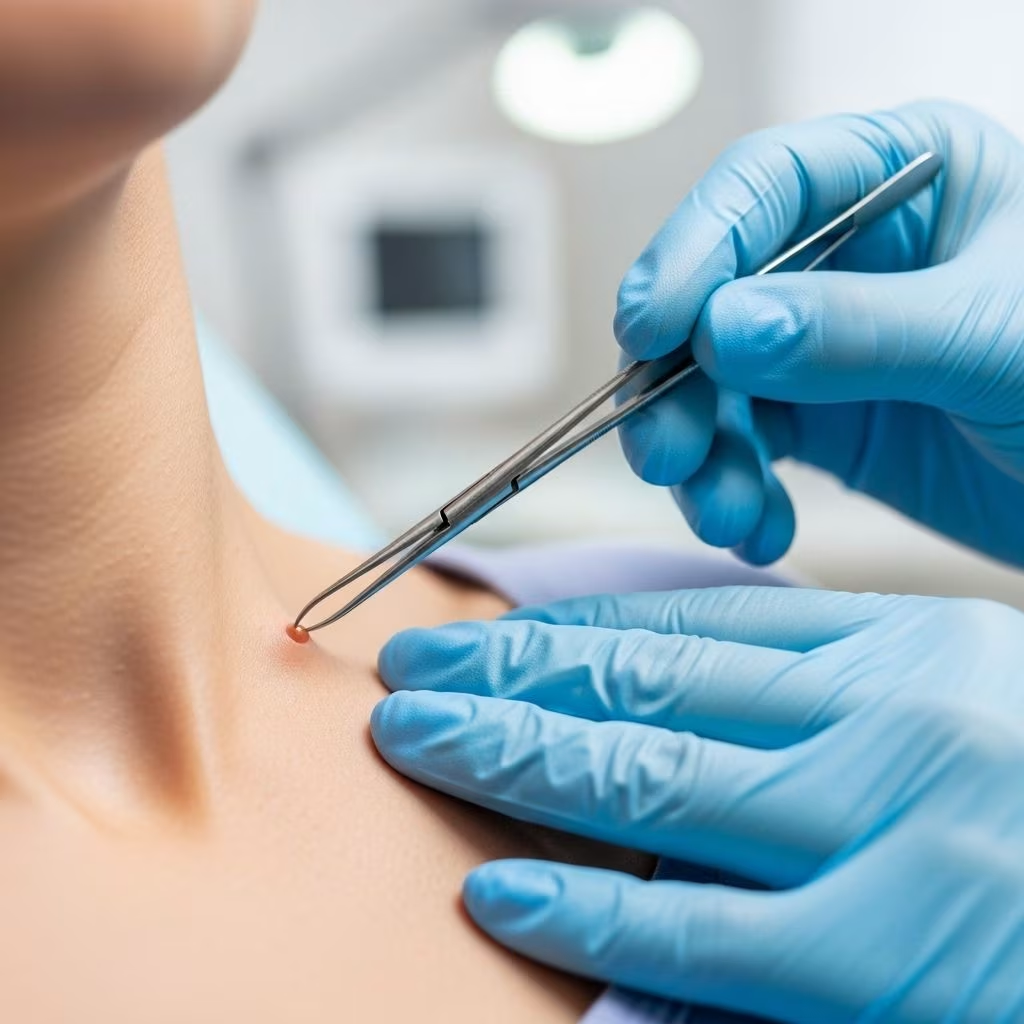
Skin tags (medical term: acrochordon) are small, soft, flesh-colored growths of skin that protrude on a thin stalk. They usually measure a few millimeters but can sometimes grow larger. While they are non-cancerous and typically painless, they may become irritated by friction.
- They often appear in areas where skin rubs against skin or clothing: the neck, armpits, groin, eyelids, and beneath the breasts.
- Skin tags do not turn into cancer and usually don’t require treatment.
Why Do Skin Tags Form?
Though the exact cause remains unclear, dermatologists have identified several common factors associated with skin tag development:
- Friction: Repeated skin-to-skin or skin-to-clothing friction is a major driver.
- Genetics: You’re more likely to get skin tags if they run in your family.
- Hormonal changes: Skin tags commonly appear during pregnancy due to hormone shifts.
- Age: They become more prevalent as you get older.
- Metabolic factors: Obesity, type 2 diabetes, and insulin resistance increase risk.
Although skin tags are completely benign, some people choose to have them removed for comfort or cosmetic reasons.
Should You Remove Skin Tags?
Skin tags are harmless, and removal is almost always a matter of personal preference or practical need—not medical necessity. Dermatologists recommend removal if:
- The skin tag is irritated, painful, or bleeding from friction.
- It is cosmetically bothersome.
- There’s uncertainty it is truly a skin tag—not another lesion requiring a professional diagnosis.
Importantly, removal for purely cosmetic purposes is not typically covered by insurance; check your plan for specific details.
Expert-Approved Treatment Options for Skin Tag Removal
Dermatologists offer several safe, effective methods for skin tag removal. These procedures are performed under strict medical standards to minimize complications, pain, and scarring. The technique is tailored to the size, location, and characteristics of your skin tag.
| Method | Description | Best For |
|---|---|---|
| Cauterization | Heat is used to burn off the skin tag with an electric device. The tag shrinks and falls off. | Small to medium tags; quick recovery |
| Cryotherapy | Liquid nitrogen is applied to freeze the skin tag, causing it to fall off within days. | Small tags; minimal bleeding |
| Ligation | A surgical thread or suture is tied around the tag to cut off blood supply until it withers and drops off. | Tags with a narrow stalk (pedunculated) |
| Excision (Snipping/Scissors) | A sterile scalpel or surgical scissors is used to cut off the skin tag. The area is often numbed first. | Large or stubborn tags |
Each procedure is relatively quick. Local anesthesia, such as a numbing injection or cream, is commonly used to minimize discomfort. Afterward, a simple adhesive bandage is usually all that’s needed.
The Risks of DIY and Home Remedies for Skin Tag Removal
Many people are tempted to try home solutions—for example, yanking or snipping off skin tags with scissors or tying them with dental floss. Dermatologists universally caution against this for several important reasons:
- Bleeding: Skin tags often have their own blood supply; improper removal can result in hard-to-control bleeding.
- Infection: Using non-sterile instruments raises the chance of infection, swelling, redness, and even systemic complications.
- Scarring: Amateur techniques increase the risk of permanent scars or pigmentation changes.
- Partial removal: Removing part of the tag can lead to regrowth or necessitate further intervention.
- Misdiagnosis: Some bumps masquerading as skin tags are other benign growths or, rarely, skin cancers requiring medical evaluation.
- Ineffective creams: At-home tag-removing creams are not well regulated and may cause more inflammation than efficacy.
Never attempt to remove a skin tag at home without a professional evaluation. If cost is a concern, speak to a dermatologist about the simplest, most affordable options available. Prioritize safety, accuracy, and prevention of complications.
What to Expect During Professional Skin Tag Removal
Your dermatologist will begin by ensuring that what you’re seeing is truly a skin tag. They’ll then select the best method depending on your tag’s size and location. Here’s what you can expect:
- An assessment and explanation of the planned procedure.
- Local anesthetic to numb the area and reduce discomfort.
- Treatment typically takes only a few minutes for each tag.
- Minimal bleeding and rapid healing for most small tags.
- Pathology of removed samples in some cases, especially if the appearance is atypical.
Recovery and Aftercare Instructions
After removal, proper wound care ensures quick healing and attractive results:
- Wash the area gently with mild soap and water daily.
- Apply an antibiotic ointment (if prescribed) to prevent infection.
- Keep the site covered with a clean adhesive bandage for the first 1-2 days or as advised.
- Avoid rubbing, scratching, or other trauma to the area during the early healing period.
- Monitor for signs of infection—such as increased redness, pain, pus, or swelling—and notify your doctor if these occur.
Most wounds heal rapidly within one to two weeks, with minimal or no visible mark.
Why Avoid Cutting Skin Tags Off At Home?
Despite online tutorials promoting DIY skin tag removal, medical experts warn about significant risks:
- Non-sterile techniques may lead to bacterial infections, pus formation, delayed healing, and scars.
- Improper tools, such as kitchen scissors or sewing thread, introduce germs directly to your bloodstream.
- Serious bleeding is possible as some tags are surprisingly vascular, and home management is usually insufficient if bleeding is heavy.
- Misidentification: Some skin lesions, such as warts or even certain skin cancers, can appear similar to tags and should be biopsied by a qualified physician.
To avoid complications, always consult a licensed dermatologist for removal or evaluation of unusual skin growths.
Can You Prevent Skin Tags?
While there’s no guaranteed way to keep skin tags from forming, you can reduce friction and irritation in high-risk areas with these strategies:
- Maintain a healthy weight to minimize skin folds and rubbing.
- Choose loose-fitting clothes to avoid direct friction in sensitive spots.
- Keep skin clean and dry, especially in skin folds.
- Moisturize regularly to reduce chafing and irritation.
- Avoid harsh chemicals or irritating products on vulnerable areas.
When to See a Dermatologist
Consult a dermatologist if:
- You are uncertain if a bump is truly a skin tag or if its appearance has changed rapidly.
- The tag is large, growing, painful, bleeding spontaneously, or shows any change in color or shape.
- You have multiple new skin growths that are concerning or persistent.
- You want safe, effective, and permanent removal without risk of infection or scarring.
Periodic skin checks are advisable for anyone with a personal or family history of skin cancer, or those with frequent skin changes.
Frequently Asked Questions (FAQs) About Skin Tag Removal
Q: Do skin tags need to be removed?
A: Skin tags are harmless and removal is optional unless they become irritated, painful, or cosmetically undesirable.
Q: Are at-home removal kits or creams effective?
A: Most over-the-counter products are not supported by strong evidence, can cause significant irritation or scarring, and are best avoided.
Q: What happens if a skin tag bleeds after home removal?
A: Significant bleeding, infection, or incomplete removal may result—see a medical professional if this occurs.
Q: Can a skin tag turn into cancer?
A: Skin tags are non-cancerous and do not become cancer. However, some growths resembling tags should be properly diagnosed by a dermatologist to rule out malignancy.
Q: What are the chances a skin tag will grow back after removal?
A: Once professionally removed, the same skin tag will not grow back. However, you may develop new tags in the future, especially in the same high-friction areas.
Key Takeaways
- Skin tags are common, benign, and usually harmless outgrowths.
- Safe, effective, and minimally uncomfortable removal options exist—but always seek a dermatologist’s care.
- DIY methods and over-the-counter kits pose substantial risks and are not recommended.
- Proper aftercare is crucial to prevent complications and promote quick healing.
References
- https://www.goodhousekeeping.com/health/a45893574/skin-tag-removal/
- https://forefrontdermatology.com/what-causes-skin-tags-and-what-you-can-do-about-them/
- https://www.prevention.com/beauty/a20495089/how-to-remove-skin-tags/
- https://mobileskinscreening.com/blog/avoid-cutting-off-skin-tags-without-professional-help/
- https://www.health.harvard.edu/blog/skin-tag-removal-optional-but-effective-2020032319079
- https://www.atlantamedicaldermatology.com/blog/seven-common-reasons-people-get-skin-tags-removed/
- https://www.uclahealth.org/news/article/skin-tags-while-usually-harmless-should-not-be-removed-home
- https://www.ncbi.nlm.nih.gov/books/NBK547724/
- https://www.nyp.org/healthlibrary/articles/removing-moles-and-skin-tags
- https://blog.providence.org/skin/skin-tags-are-an-irritant-but-should-be-treated-with-respect