Essential Oils in the Bath: Elevate Your Self-Care Ritual
Bathing has long been cherished as a soothing form of self-care, but the addition of essential oils can transform an ordinary soak into a restorative, multi-sensory experience. Whether you’re seeking relaxation, skin benefits, or aromatherapeutic wellness, integrating essential oils into your bath offers a centuries-old practice with modern health advantages.
Why Add Essential Oils to Your Bath?
- Relaxation & stress relief: Oils such as lavender, chamomile, and ylang-ylang can promote a tranquil state and help reduce anxiety after a long day.
- Sore muscle & pain relief: Eucalyptus, peppermint, and rosemary are valued for their ability to soothe aches and relax tense muscles.
- Skin nourishment: Geranium, jasmine, frankincense, and sandalwood provide hydration and rejuvenate dull skin, making your bath doubly indulgent.
- Respiratory support: Inhaling the vapors of eucalyptus or tea tree oils can open airways, helping to clear congestion and support healthy breathing.
The Origins of Aromatic Baths
The use of essential oils in baths dates back to ancient civilizations including Egypt, Greece, and Rome, where aromatic soaks played a central role in holistic rituals, healing, and beauty routines. Today, the practice remains a cornerstone of self-care and wellness, connecting modern users to a rich tradition of hydrotherapy and aromatherapy.
How Essential Oils Work in the Bath
Essential oils are highly concentrated plant extracts known for their aromatic and therapeutic properties. When diffused in hot bathwater, their molecules are released into the air and absorbed onto the skin, influencing body and mind through scent and topical benefits. However, each essential oil is unique; some relieve pain or inflammation, others impart a sense of calm, and many improve skin texture and tone.
Best Essential Oils for the Bath
| Essential Oil | Core Benefits | Scent Profile |
|---|---|---|
| Lavender | Calms anxiety, promotes restful sleep, relieves pain & inflammation | Gentle, floral, slightly sweet |
| Eucalyptus | Clears airways, relieves muscle soreness, stimulates senses | Crisp, sharp, menthol-like |
| Peppermint | Invigorates, refreshes, relieves muscle aches | Minty, cool, fresh |
| Chamomile | Reduces stress, soothes skin, calms mind | Mild, apple-like, herbal |
| Lemon & Citrus Oils | Boosts mood, antimicrobial properties, refreshing | Zesty, fresh, uplifting |
| Geranium | Hydrates skin, balances emotions | Sweet, floral |
| Frankincense | Nourishes skin, promotes meditation | Earthy, woody, resinous |
| Ylang Ylang | Reduces anxiety, supports sleep | Exotic, floral, rich |
Safety First: Essential Oil Bath Precautions
- Do not add undiluted essential oils directly to bathwater. Oils don’t mix well with water and can cling to skin, causing irritation or burns, as many essential oils are highly potent.
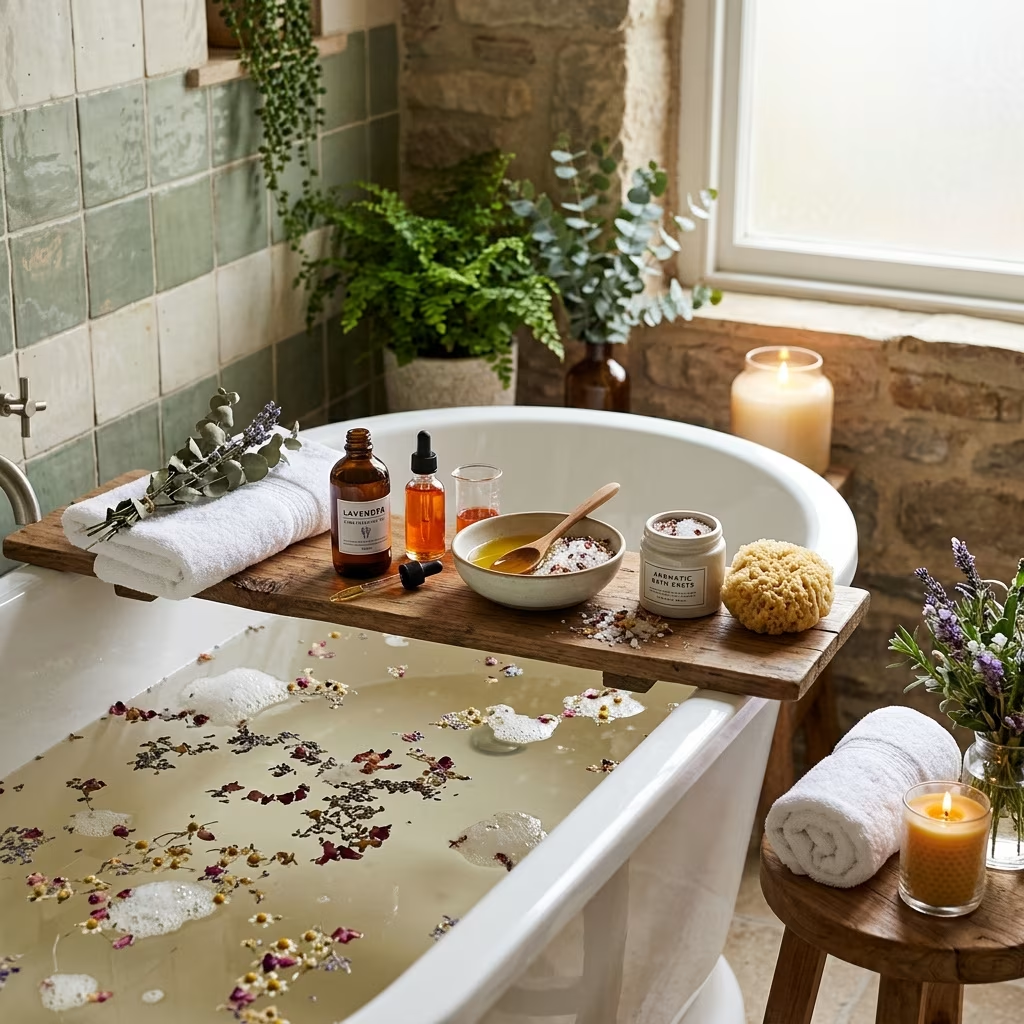
- Use a carrier oil or bath salt blend: Combine 5-8 drops of essential oil with 2 tablespoons of a carrier oil (e.g., sweet almond, jojoba, coconut) before adding to the tub. This dilutes the oil and allows it to disperse safely.
- Consider allergies, medical conditions, pregnancy, and pets. Eucalyptus and other strong oils can trigger allergic reactions or be unsafe for children and animals. Consult a healthcare provider if you have sensitive skin or health conditions.
- Citrus oils may increase sun sensitivity. Avoid exposure to direct sunlight after using lemon or other citrus oils topically.
How to Use Essential Oils in Your Bath Safely
Simple Bath Oil Blend Recipe
- Add 2 tablespoons of carrier oil (e.g., jojoba, almond, coconut) to a small bowl.
- Add 5-8 drops of your chosen essential oil(s).
- Mix thoroughly, then pour into your bathwater as it fills the tub.
- Swirl water to distribute the blend evenly. Step in, relax, and enjoy.
Bath Salt Infusion Recipe
- Measure 1/2 cup of Dead Sea or Himalayan bath salt.
- Add 10-15 drops of essential oil and 2 teaspoons of carrier oil into the salt. Mix well.
- Add the blend into the bath as you are filling the tub.
Recommended Bath Blends
- Stress/Anxiety: Lavender + chamomile
- Sore Muscles: Eucalyptus + rosemary
- Energizing: Peppermint + sweet orange
- Skin Rejuvenation: Geranium + jasmine + frankincense
- Sleep Promotion: Lavender + ylang ylang
Essential Oil Bath Benefits
Many people love essential oil baths for their mind and body benefits. Here are the main advantages:
- Deep relaxation: Aromatic baths help reduce cortisol and induce a state of calm, especially when paired with quiet and candlelight.
- Pain relief: Soaking in oil-infused baths can relieve sore muscles and joint pain, providing physical comfort and restoration.
- Softer, hydrated skin: Carrier oils and botanical extracts lock in moisture, leaving skin supple and refreshed.
- Respiratory support: Steam infused with oils like eucalyptus can ease congestion and promote healthy breathing.
- Improved sleep: Bathing before bed with calming essential oils supports restful sleep and resets your mood.
- General wellness: Regular aromatherapy baths contribute to better emotional and physical wellbeing, making self-care routines more effective.
Who Should Avoid Essential Oil Baths?
Most people can enjoy essential oil baths safely, but certain groups should use caution:
- Young children (especially under age 6): Skin is sensitive and some oils are unsafe for them.
- Pregnant and breastfeeding women: Some oils are not safe during pregnancy. Consult your doctor before use.
- Allergy sufferers: Always patch-test a new oil blend before a full bath.
- People with chronic skin conditions: Eczema, psoriasis, or very sensitive skin may react poorly; patch-testing is advised.
- Households with pets: Strong scents and some essential oils can be dangerous for animals.
Proper Storage & Handling of Essential Oils
Store your essential oils in a cool, dark place, away from direct sunlight and heat. Always keep tightly sealed. Essential oils are highly concentrated and should be handled with care—never ingest, and keep out of reach of children and pets.
Maximizing Your Bath Experience: Self-Care Tips
- Set the mood with soft lighting, candles, and relaxing music
- Plan 20–30 minutes for your soak—the ideal window for bath benefits
- Bring a water bottle to stay hydrated during your bath
- Finish with a gentle rinse and moisturizing body lotion to lock in the effects
- Consider scheduling regular essential oil baths as part of your ongoing wellness routine
Frequently Asked Questions (FAQ)
Q: Can I add essential oils directly to bathwater?
A: No. Always dilute essential oils with a carrier oil or blend with bath salts, as undiluted oils can cause skin irritation.
Q: What is the best way to use essential oils in the bath?
A: Mix 5-8 drops of essential oil with 2 tablespoons of carrier oil before adding to the water, or combine with bath salts for easier dispersion.
Q: Are there essential oils I should avoid?
A: Very strong or irritating oils (like cinnamon, clove, and oregano) can burn or irritate skin. Citrus oils may make skin sun-sensitive. Always research oil safety before use.
Q: How often can I take an essential oil bath?
A: Most people can enjoy essential oil baths 1–2 times per week. If you have a skin condition, consult your dermatologist first.
Q: Can I use essential oils in the bath if I’m pregnant?
A: Some oils are safe, but others, like rosemary or clary sage, should be avoided. Consult your healthcare provider before use.
Q: Do essential oil baths stain tubs?
A: Highly pigmented oils (like some citrus or spice oils) can leave residue. Rinsing the tub afterwards and choosing clear or light oils minimizes risk.
Conclusion: Indulge in a Therapeutic Bath Routine
Integrating essential oils into your bath is a simple yet powerful gesture towards self-care, delivering immediate relaxation and long-term wellness benefits. A mindful approach—choosing the right oils, diluting safely, and customizing your ritual—can transform each soak into a sanctuary. As you explore essential oil baths, start with trusted, gentle oils and always prioritize safety. With these practices, your bath becomes more than a daily habit—it’s a rejuvenating ritual for body and soul.
References
- https://thevillagecompany.com/blogs/village-naturals-therapy/enhance-your-bubble-bath-the-benefits-of-using-essential-oils-in-a-bath
- https://www.cliganic.com/blogs/the-essentials/ways-to-use-essential-oils-in-the-bathtub
- https://www.healthline.com/health/essential-oils-in-bath
- https://www.tomsofmaine.com/blogs/natural-products/essential-oils-for-baths-relax-your-body-and-mind
- https://achs.edu/blog/guide-to-essential-oil-and-herbal-bath-soaks/
- https://health.clevelandclinic.org/essential-oils-101-do-they-work-how-do-you-use-them
- https://tisserandinstitute.org/safety/bath-safety/
- https://apollobath.com/health-benefits-of-bathing-oils/