Milia—those small, white bumps that appear on the skin, especially around the eyes and cheeks—can be frustrating and persistent, but with expert insight and the right approach, they can be managed safely and effectively. This article walks you through dermatologist-recommended ways of removing milia, preventing future bumps, understanding underlying causes, and answering the most frequently asked questions on the topic.
What Are Milia?
Milia are tiny, dome-shaped cysts that form just beneath the skin’s surface when dead skin cells or keratin (a protein found in skin) become trapped in small pockets. Unlike pimples, milia are not caused by bacteria or clogged pores due to oil and do not indicate poor hygiene.
- Appearance: Small, white or yellow bumps, often in groups
- Locations: Most common on the face—eyelids, cheeks, nose, forehead—but can occur elsewhere
- Who Gets Them: All ages; neonates often get congenital milia, while older children and adults usually develop secondary milia
Common Causes of Milia
Milia develop when dead skin, keratin, or other debris gets trapped beneath the outer layer of skin. Common triggers include:
- Primary milia: Arise spontaneously without direct cause.
- Secondary milia: Result from trauma (burns, blisters), use of heavy skin products, prolonged sun exposure, or skin resurfacing treatments.
- Skin care habits: Using comedogenic (pore-clogging) products or skipping exfoliation can increase risk.
Are Milia Harmful?
Milia are generally harmless and primarily a cosmetic concern. They rarely cause pain or itching. However, improper attempts to remove them can lead to scarring, infection, or persistent marks.
Dermatologist-Approved Methods for Milia Removal
If milia don’t resolve on their own, there are both professional treatments and at-home options available, depending on the size, location, and number of bumps.
Professional Milia Removal Procedures
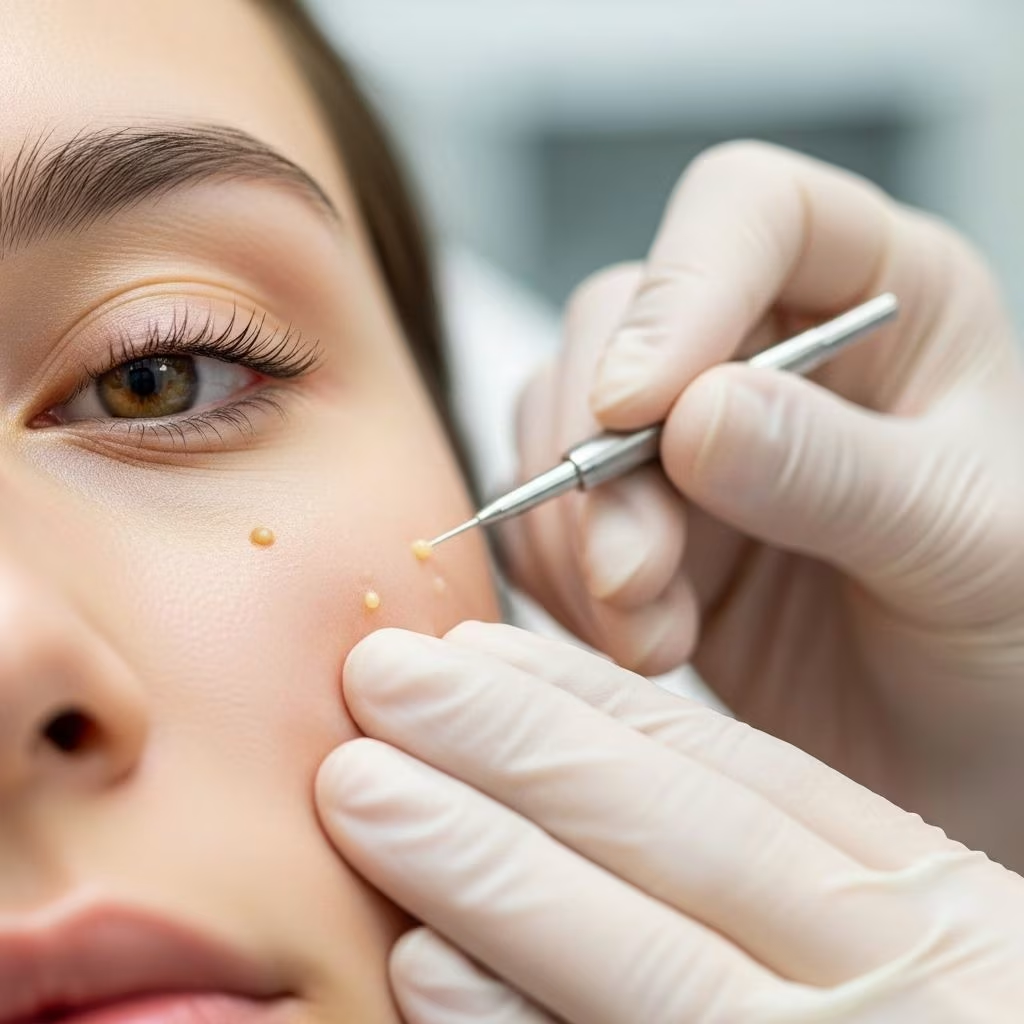
- Manual Extraction
- Dermatologists use a sterile tool to make a tiny puncture in the milia and gently express the contents.
- Quick and effective, but should only be performed by professionals to avoid infection or scarring.
- Electrocautery
- This method uses an electric current to generate heat, forming a scab that eventually falls off, removing the milia.
- Useful for persistent or clustered milia.
- Cryotherapy
- Involves freezing the milia with liquid nitrogen.
- May result in temporary blister or scab; caution is required for darker skin tones to prevent hypopigmentation.
- Curettage and Diathermy
- Curettage entails numbing the area, scooping out the milia, and then sealing the skin with heat.
- Diathermy uses high-frequency heat to remove lesions.
- Laser Surgery or Dermabrasion
- Reserved for severe or widespread cases when other methods are unsuitable.
Topical Treatments and At-Home Care
- Retinoids (Retinols)
- Topical retinoids (prescription-strength or over-the-counter) encourage skin cell turnover, helping to prevent and reduce small milia.
- Consistency is key; use as directed to avoid irritation.
- Chemical Exfoliants
- AHAs (like glycolic acid) and BHAs (like salicylic acid) dissolve dead skin cells, helping to clear and prevent new milia.
- Best for mild, surface-level milia; use products appropriate for your skin type.
- Mild Daily Cleansing
- Wash with a gentle cleanser to keep pores clear and reduce build-up.
- Steaming and Facial Peels
- Regular steaming can help open pores, while gentle peels remove superficial dead skin layers.
- Do not over-exfoliate; this can lead to irritation.
- Avoiding Comedogenic Products
- Use non-comedogenic and lightweight skin care and makeup products.
Summary Table: Professional vs At-Home Milia Treatments
| Treatment | Who Should Do It | Pros | Cons |
|---|---|---|---|
| Manual Extraction | Dermatologist/Certified Esthetician* | Fast results, high success rate | Risk of scarring/infection if done improperly |
| Electrocautery | Dermatologist | Good for stubborn or multiple milia | Mild discomfort, possible scabbing |
| Cryotherapy | Dermatologist | Non-invasive, fast | Risk of hypopigmentation, especially in dark skin |
| Topical Retinoids | At home (as prescribed) | Prevents future milia, treats mild cases | Can cause dryness, irritation; slow results |
| Chemical Exfoliants | At home | Prevents milia, non-invasive | Potential irritation if overused |
*Estheticians may perform extractions in states where permitted by law.
Can You Pop Milia at Home?
No. Trying to squeeze or pop milia with your fingers or tools at home is unsafe and strongly discouraged by dermatologists. Unlike pimples, milia do not have an opening to the surface, so squeezing them is ineffective and risks:
- Inflammation
- Permanent scarring
- Infection
- Hyperpigmentation or lasting marks
If you’re tempted to “DIY,” remember that removal is safest in a sterile medical setting.
How to Prevent Milia Formation
- Exfoliate Regularly: Use mild chemical exfoliants (AHAs/BHAs) appropriate for your skin type.
- Gentle Cleansing: Remove makeup and cleanse thoroughly each evening.
- Non-Comedogenic Products: Choose skincare and cosmetic products labeled non-comedogenic.
- Avoid Heavy or Occlusive Creams: Especially around the eye area, where milia are common.
- Retinoid Maintenance: Consider using low-dose retinoids as part of your routine after consulting a dermatologist.
- Sun Protection: Prevents skin damage that can trigger secondary milia.
When to See a Dermatologist
- If your milia persist for weeks or months despite at-home care.
- If bumps are spreading or associated with skin injury, trauma, or medication changes.
- If milia are irritated, inflamed, or you suspect infection.
- If you’re unsure whether your bumps are milia or another skin condition.
A dermatologist can distinguish milia from other conditions and provide the most effective, safe treatment options for your skin type and medical history.
Frequently Asked Questions About Milia
Q: Can I get rid of milia naturally at home?
A: While milia often resolve on their own, you can gently exfoliate, use non-comedogenic products, and topical retinoids to reduce mild cases. Never try to pop milia yourself.
Q: Why do milia appear suddenly?
A: Milia may appear for no clear reason (primary milia) or after skin trauma, certain medications, or as a result of other skin conditions (secondary milia).
Q: Are certain people more prone to milia?
A: Yes. People with chronic sun exposure, those using heavy or occlusive skin care products, and individuals undergoing skin resurfacing procedures may be more susceptible.
Q: Can children and babies get milia?
A: Yes, milia are common in newborns (congenital milia), but these typically resolve on their own without treatment. Persistent cases in older children or adults may require intervention.
Q: Can milia become infected or dangerous?
A: Milia are not dangerous and rarely cause complications. However, infection can occur if they are picked or squeezed, which increases the risk of scarring or persistent marks.
Expert Tips for Managing Milia Long-Term
- Stick to a consistent skincare routine tailored to your skin type.
- Schedule occasional professional facials or consult with a dermatologist for persistent cases.
- Monitor any new skin products or changes that may trigger new outbreaks.
- Protect skin from excessive sun exposure using broad-spectrum sunscreen.
- Avoid harsh scrubs; opt for chemical exfoliants or gentle brushes if recommended by your dermatologist.
References
- How to Get Rid of Milia Safely, According to Dermatologists [Prevention]
- How to get rid of milia: Treatment, prevention, and causes [Medical News Today]
- How to Get Rid of Milia: Milia Removal and Prevention [Dalton Cosmetics]
FAQs: Quick Reference
- Can you pop milia? No, never pop milia at home.
- Are milia harmful? Not dangerous, mostly a cosmetic concern.
- What draws out milia? Regular cleansing, exfoliation, and topical retinoids.
- Can milia be prevented? Yes, with regular exfoliation and non-comedogenic skincare.
Always consult a board-certified dermatologist for persistent or concerning skin issues or before initiating new treatments, especially if you have sensitive or complex skin types.
References
- https://www.prevention.com/beauty/skin-care/a42955971/how-to-get-rid-of-milia/
- https://www.medicalnewstoday.com/articles/320953
- https://www.dalton-cosmetics.com/us/prevent-and-remove-milia
- https://www.prevention.com/beauty/skin-care/a63833046/beef-tallow-for-skin/
- https://www.avantdermatology.com/2021/03/09/how-do-you-remove-milia-a-dermatologist-shares-milia-treatment-prevention-tips/