Peeling Fingertips: Causes, Treatments, and When to Worry
Peeling skin on your fingertips is a surprisingly common annoyance that can arise from a wide range of causes. While it may be a temporary result of dry weather or frequent hand washing, it can also indicate underlying health issues or allergic reactions. This comprehensive guide explores why your fingertips might be peeling, how dermatologists recommend treating and preventing it, and the key warning signs that signal it’s time to see a doctor.
What Is Peeling Fingertips?
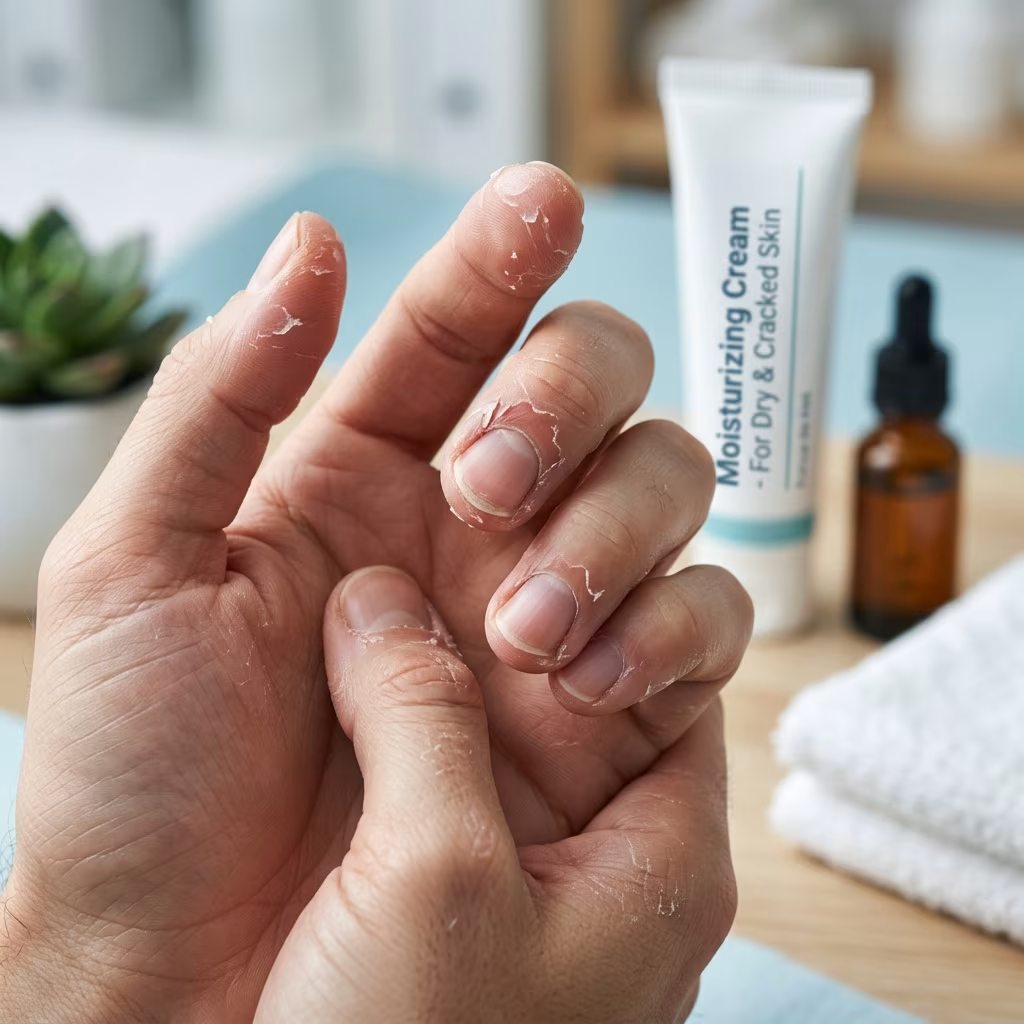
Peeling fingertips occur when the outermost layer of the skin (epidermis) on your fingers flakes, cracks, or lifts, exposing sensitive skin underneath. The experience can range from minor cosmetic nuisance to significant discomfort, especially if the peeling is persistent, painful, or accompanied by other symptoms.
Top Causes of Peeling Fingertips
Dermatologists identify several leading causes of peeling skin on fingers. Understanding these makes it easier to find the right treatment and long-term solutions.
1. Frequent Hand Washing
Regularly washing hands is crucial for hygiene, but washing too often, especially with hot water or harsh soap, can strip away the natural oils that keep your skin soft and protected. This repetitive irritation weakens the skin’s barrier, leading to dryness, inflammation, and peeling.
- Opt for lukewarm rather than hot water.
- Use fragrance-free, gentle cleansers recommended for sensitive skin.
Brands recommended by dermatologists: Vanicream Liquid Cleanser, Aveeno Gentle Moisturizing Bar Cleanser, Cetaphil Hydrating Gentle Skin Cleanser, Neutrogena Ultra Gentle Hydrating Daily Facial Cleanser.
2. Dry Climate
Low humidity, whether due to cold winter air or hot, dry weather, prevents your skin from locking in enough moisture. Fingers (and cuticles) often bear the brunt of this environmental stress, leading to cracked, flaky skin.
- Using a humidifier at home can help maintain ambient moisture in the air.
- Regular and consistent use of a thick hand cream is vital.
- Nighttime tip: Coat fingertips with an emollient like Vaseline or Aquaphor, then cover with gloves or cotton finger cots to seal in hydration overnight.
3. Sunburn
Too much sun can burn the backs of hands and fingers, causing redness and later peeling as the skin heals. Blisters may also appear in severe cases.
- Apply soothing aloe vera gel and a gentle moisturizer to speed recovery.
- Use sunscreen regularly on exposed areas to prevent recurrence.
4. Harsh Substances or Chemicals
Exposure to cleaning products, solvents, hand sanitizers with high alcohol content, or even some mouthwashes can irritate the skin. Known as “contact dermatitis,” this reaction can cause significant dryness and peeling.
- Wear gloves when using household cleaners.
- Switch to milder soaps and avoid products with added fragrances or strong preservatives.
- Avoid regular contact with known skin irritants.
5. Allergic Reactions
Sometimes, the skin on your fingers reacts to an ingredient in personal care products, gloves, or materials you touch at work or home. Common culprits include nickel in jewelry or preservatives in hand creams.
- Identify and eliminate the source of irritation by reviewing all products used on your hands.
- Consider a dermatology patch test if the problem persists.
6. Underlying Skin Conditions
Sometimes peeling is driven by medical problems affecting the skin’s health and repair mechanisms:
- Eczema (atopic dermatitis): Chronic dry, red, itchy patches that often affect the hands.
- Psoriasis: Thick, scaly, often red skin plaques. While less common on the fingertips, it can occur, especially in those with a personal or family history.
- Dyshidrotic eczema: Blisters and peeling, especially on the sides of the fingers and palms.
7. Vitamin Deficiencies
Lack of certain vitamins, especially B-vitamins and biotin, can increase the skin’s susceptibility to dryness and peeling. A balanced diet helps maintain healthy skin.
8. Infections
Occasionally, fungal or bacterial infections—sometimes following a nail bite or microscopic crack—can cause peeling and irritation. Cuticle infections may also present with redness, swelling, and tenderness.
9. Excessive Sweating
Palms and fingers that stay sweaty (hyperhidrosis) may paradoxically become dehydrated over time, leading to peeling in severe cases.
10. Children’s Specific Causes
Certain causes—like thumb-sucking or frequently wet hands—are particularly common among children and toddlers.
At-A-Glance: Common Causes Table
| Cause | Symptoms | Key Prevention/Treatment |
|---|---|---|
| Frequent Handwashing | Dry, cracked skin; peeling | Gentle cleansers, moisturizing, lukewarm water |
| Dry Climate | Flaky, rough fingertips | Humidifier, thick creams, overnight occlusion |
| Sunburn | Redness, pain, peeling | Aloe vera, lotion, sun protection |
| Contact Dermatitis | Red, itchy, inflamed skin | Avoid irritants, wear gloves, hypoallergenic products |
| Underlying Skin Conditions | Persistent, itchy or scaly patches | Medical treatment, prescription creams |
| Vitamin Deficiency | General skin dryness, brittle nails | Balanced diet, supplementation if directed |
| Infections | Redness, swelling, peeling | Medical evaluation, topical antibiotics or antifungals |
At-Home Treatments and Relief
Most cases of peeling fingertips respond well to basic home care routines. Consistency is key for both healing existing irritation and preventing future flare-ups.
- Moisturize after every hand wash: Use a fragrance-free, thick hand cream. Ointment forms are best for maximum hydration.
- Hydration boosts overnight: Apply a heavier ointment (like Vaseline or Aquaphor) then cover with lightweight gloves or finger cots to lock in moisture.
- Switch to gentle cleansers: Avoid soaps with harsh detergents, dyes, and fragrances.
- Protect hands from detergents and cleaning agents: Always wear gloves when cleaning or washing dishes.
- Avoid hot water: Use lukewarm or cool water for hand washing.
- Address cuts and hangnails: Treat small nicks to prevent secondary infections and further skin peeling.
- Sun protection: Use sunscreen on the hands every day, especially when spending extended periods outside.
Prevention: Tips to Keep Your Finger Skin Healthy
Once the irritation has subsided, adopting these habits can help prevent future bouts of peeling:
- Apply moisturizer throughout the day, not just at night.
- Keep a small tube of hand cream in your desk, bag, or car.
- Wear gloves in cold or dry weather, or when handling cleaning products.
- Stay hydrated: Drink enough water to keep your skin healthy from the inside out.
- Eat a nutrient-rich diet with plenty of vitamins, minerals, and good fats.
- Stop habits like biting nails or skin picking around the fingers.
When to See a Dermatologist
Most cases of peeling fingertips do not require medical intervention. However, you should consider making an appointment with a dermatologist if:
- The condition persists for more than two weeks and does not improve with basic care.
- The skin is extremely painful, red, swollen, or shows signs of infection (such as pus).
- You experience blisters, open sores, or raw areas that won’t heal.
- The peeling is accompanied by a rash, fever, joint pain, or other systemic symptoms.
- There’s a suspected underlying condition, such as eczema, psoriasis, or an allergic reaction that needs prescription treatment.
Sometimes, persistent or severe skin peeling may be a symptom of less common but serious conditions, so it’s important to have an expert evaluation if in doubt.
Frequently Asked Questions
Q: Can frequent use of hand sanitizer cause peeling fingertips?
A: Yes, alcohol-based hand sanitizers can dry the skin, leading to peeling if used excessively. Consider alternating with gentle cleansers and always use moisturizer after sanitizing.
Q: Is peeling fingertips in children always a reason to worry?
A: Not always. Children may develop peeling from thumb-sucking, playing outdoors, or frequent washing. If it is persistent, accompanied by fever, or involves large sections of skin, consult a pediatrician.
Q: What ingredients should I look for in a hand cream to treat peeling?
A: Look for creams rich in ceramides, hyaluronic acid, shea butter, and petrolatum. These ingredients repair the skin’s barrier and provide deep hydration.
Q: Can dietary supplements help with peeling fingertips?
A: In most cases, a healthy diet is enough. If you have a diagnosed vitamin deficiency, supplementation under a doctor’s guidance may be helpful.
Q: Should I avoid washing my hands if my fingertips are peeling?
A: No. Hand hygiene remains crucial. Wash with gentle products, use lukewarm water, and moisturize immediately after each wash to protect your skin.
Key Takeaways
- Peeling fingertips are most often caused by dry skin from frequent washing, climate, or irritants.
- Most cases respond well to at-home care: moisture, gentle cleansers, and environmental protection.
- Worsening, persistent, or painful symptoms require evaluation by a healthcare professional.
By identifying the source and practicing effective prevention and care, most instances of peeling fingertips can be managed and soothed quickly.
References
- https://skinkraft.com/blogs/articles/fingertips-peeling
- https://www.prevention.com/beauty/skin-care/a43011939/fingertips-peeling/
- https://www.healthline.com/health/fingertips-peeling
- https://www.medicalnewstoday.com/articles/320096
- https://www.prevention.com/health/a20445572/your-hands-reveal-health-problems/
- https://www.prevention.com/health/a35481336/why-are-my-nails-peeling/
- https://www.prevention.com/health/a65466288/surprising-iron-deficiency-symptoms/
- https://resources.healthgrades.com/right-care/skin-hair-and-nails/peeling-fingertips
- https://pmc.ncbi.nlm.nih.gov/articles/PMC3047741/