Why Millennials Love Astrology—and Why Gen Z Is More Skeptical
Astrology’s place in modern American culture is no passing trend. From daily horoscope check-ins to meme-fueled birth chart analyses, astrology has surged in popularity—especially among Millennials. But the stars may be shifting: a bold new poll reveals Gen Z’s attitudes are far more skeptical, raising questions about the future of cosmic curiosity across generations.
Astrology’s Pop Culture Boom
It wasn’t long ago that astrology was mostly associated with newspaper horoscopes, niche spiritual circles, and the zodiac necklace trend of the ’90s. However, between 2017 and 2020, astrology experienced an unprecedented revival:
- Astrology apps like Co-Star and The Pattern went viral, making zodiac insights as easy as checking the weather.
- Influencers and meme accounts on platforms like Instagram and TikTok made birth charts and astrological humor a mainstream content format.
- Major lifestyle outlets—including Cosmopolitan—dedicate entire editorial sections to horoscopes and astrological lifestyle guides.
Pop culture’s fascination with astrology reflected broader cultural themes: uncertainty in politics, economics, and public health. When the world felt out of control, looking for meaning in the stars became a shared, sometimes playful, pursuit.
The Astrology Generation Gap: New Poll Data
A 2024 nationwide survey conducted by The Harris Poll in partnership with Cosmopolitan offered the most comprehensive look yet at how Americans—especially Millennials and Gen Z—perceive astrology today. The numbers reveal a striking generation gap that is reshaping cultural attitudes toward all things zodiac.
| Generation | Percent Who Believe in Astrology | Use Astrology for Relationship Guidance | Skeptics (Judge People Who Take It Too Seriously) |
|---|---|---|---|
| Millennials | 83% | 81% | 46% |
| Gen Z | 62% | 59% | 54% |
| All Americans | 69% | — | — |
- Awareness remains nearly universal: 95% of Americans surveyed knew their zodiac sign.
- Astrology as self-description: 65% feel their zodiac sign is accurate to who they are; this rises to 75% among Millennials but drops to 61% among Gen Z.
Millennials: Astrology’s Biggest Fans
Why do Millennials in particular latch onto astrology so strongly? The data highlights several key factors:
- Navigating Life Milestones: Millennials are entering ages 30–40, often accompanied by significant transitions (career, relationships, home, family) that drive a search for guidance and meaning.
- Personal Introspection: As daily stress and existential uncertainty increase, Millennials report turning to astrology for both self-understanding and reassurance.
- Relationship Guidance: 81% of Millennials say they have or would consult astrology to make decisions about romance or friendship—compared to just 59% of Gen Z.
“Millennials might be hitting those moments—30, 35, 40—when you realize life hasn’t turned out exactly as planned. People turn to outside sources to navigate toward something more meaningful,” explains Libby Rodney, Chief Strategy Officer at The Harris Poll.
Gen Z: More Connected—But More Skeptical
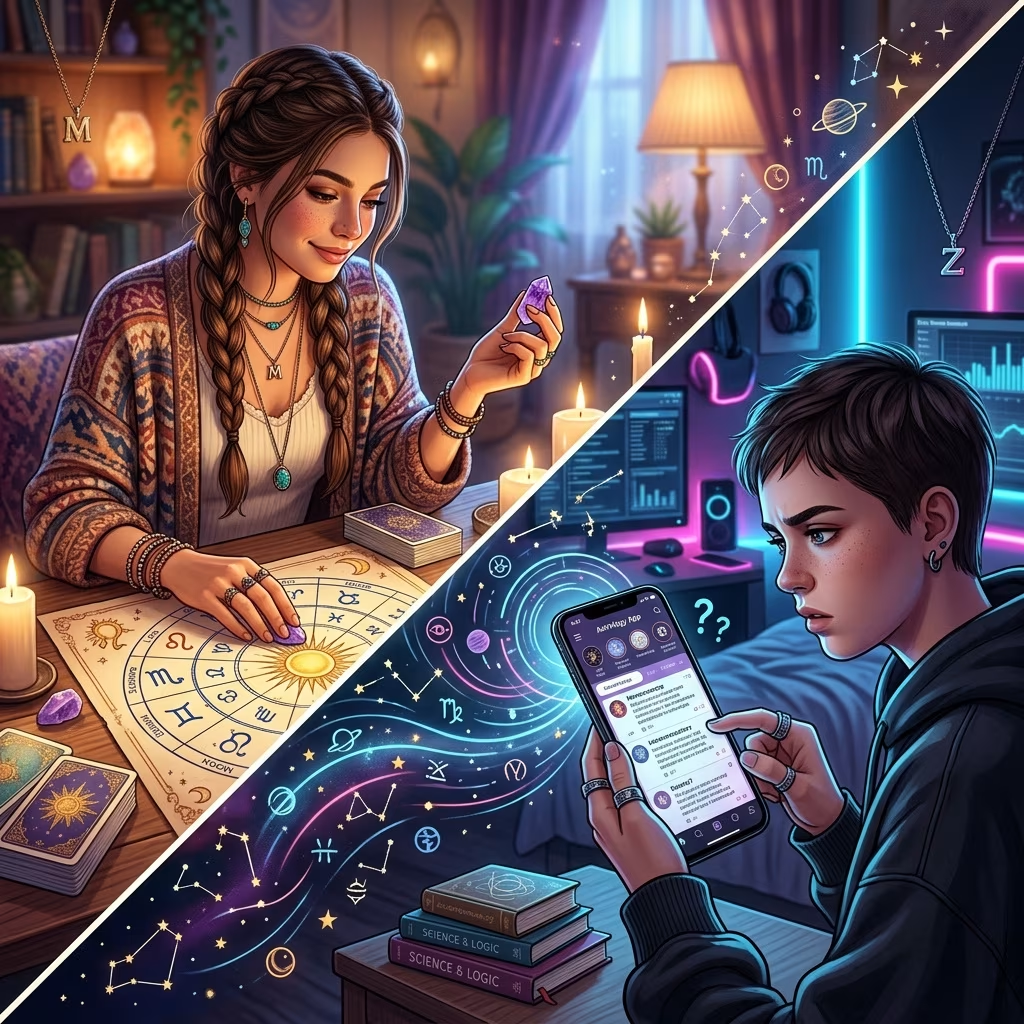
For Gen Z, astrology is less of a spiritual anchor and more of a cultural curiosity. The poll reveals a layer of skepticism not seen with Millennials:
- More likely to judge astrology fans: 54% of Gen Z agree with the statement “I judge people who take astrology too seriously,” compared to 46% of Millennials.
- Fewer believe their sign defines them: While 75% of Millennials find their sign accurately reflective, just 61% of Gen Z say the same.
- Still, most know their sign: Despite skepticism, nearly all Gen Z respondents know their sun sign and feel familiar with astrology overall.
This nuanced attitude suggests Gen Z treats astrology as both an entertainment and a communal inside joke, rarely staking their identity or decisions entirely on what the stars say.
Behind the Numbers: Why The Divide?
The gap between Millennial embrace and Gen Z skepticism tells a deeper story about generational identity—and hints at why astrology is evolving rather than purely declining:
- Different Life Stages: Millennials are navigating complex adult challenges and searching for purpose, making astrology’s comfort appealing. Gen Z, navigating their teens and early 20s, may not yet feel the same existential weight.
- Digital Culture Saturation: Gen Z grew up with astrology memes, TikTok “hot takes,” and influencer shill. Overexposure has made the mystical almost mundane, fostering cynicism.
- Emphasis on Authenticity: Gen Z is known for rejecting what they see as “try-hard” trends. To them, loudly displaying your entire astrological birth chart can come off as cringeworthy or inauthentic.
- Skepticism as Social Currency: In a digital world, signaling detachment and discernment—being “too cool” for popular trends—can elevate social status.
Astrology as Community—and Critique
Despite these shifts, astrology continues to serve important social functions, especially for young women. Cosmopolitan’s Editor-in-Chief, Jessica Pels, notes that astrology content consistently ranks among the magazine’s most engaged sections:
- Horoscopes offer a shared language for friends, turning conversation starters into group bonding rituals.
- Birth chart compatibility remains a go-to icebreaker in dating and new friendships—sometimes forming the basis for deeper discussion or playful debate.
- Even those who scoff at astrology often enjoy using it as a source of jokes, memes, and pop culture references.
From Meme to Meaning: The Allure of the Zodiac
The current astrology boom isn’t only about belief; it’s about personalization, fun, and a desire for control in a volatile world. Many Millennials and Gen Z say they know astrology is “not science”—but that’s not really the point. Astrology offers:
- A sense of identity that feels unique but instantly recognizable.
- Ritual and routine—from daily horoscopes to New Moon ceremonies—that mark time and reflect personal growth.
- Social glue for increasingly digital, fragmented lives.
This suggests astrology isn’t so much about literal belief in planetary influence but about providing a framework for connection, self-reflection, and belonging.
America’s Obsession with Signs: Universal Language, Individual Meaning
According to the Harris Poll, 95% of all Americans know their zodiac sign. For those who identify as believers, astrology is far more than a casual distraction—it’s a tool to:
- Understand interpersonal dynamics (e.g., why Taurus friends “always flake” or why Aries can’t stand to lose an argument).
- Seek guidance on big life decisions, from who to date to when to apply for a new job.
- Navigate uncertainty, providing explanations or cosmic rationalizations when life doesn’t make sense.
Can Skepticism and Obsession Coexist?
Critics often claim astrology’s popularity is a symptom of widespread misinformation or a rejection of scientific thinking. But most enthusiasts draw a clear line between fun and fact—using the language of astrology for introspection or entertainment, not medical or financial advice. Even Gen Z skeptics, the poll shows, partake in astrological content for its humor and social value.
Astrology Online: The TikTok and Meme Generation
If Millennials popularized astrology apps, Gen Z cemented astrology’s role in internet culture:
- TikTok and Instagram are brimming with zodiac skits, “red flag” memes, and lighthearted callouts (“If you’re a Scorpio, just keep scrolling!”).
- Astrological trends go viral, but cycles move quickly—what’s hot one month may be outdated the next, fueling a short attention span and amplifying skepticism.
- The Diversity of Voices—astrology creators now include women, queer people, and people of color sharing cultural variations, making the space more inclusive, but also less monolithic.
Astrology’s Staying Power—Despite Skepticism
While Gen Z might be less enamored, experts and editors say astrology will remain an adaptable, enduring presence in American culture. Here’s why:
- Generational Maturation: As Gen Z ages, their appetite for introspection—and perhaps, for astrology—may deepen. Spiritual curiosity often grows with age and experience.
- Continuous Reinvention: Every generation finds fresh ways to remix, deconstruct, and laugh at astrological tropes, keeping the field vibrant and relevant.
- Community Value: Whether skeptics or superfans, the shared language of signs and planets continues to glue friend groups together, online and off.
Frequently Asked Questions (FAQs) About Astrology and Generations
Q: Why do so many Millennials believe in astrology?
A: Millennials are turning to astrology as they navigate major life milestones (careers, relationships, moving, starting families) and seek answers or guidance during periods of uncertainty and change. Astrology also offers a sense of community and fun rituals for this generation.
Q: Is Gen Z just not interested in astrology?
A: Interest is more complicated: While 95% of Gen Z know their sign and participate in astrology-related trends, only about 62% describe themselves as believers—significantly fewer than Millennials. Gen Z tends to view astrology as entertainment and mock those who take it too seriously.
Q: Does astrology have any scientific legitimacy?
A: There is no scientific evidence that astrological signs determine personality or fate. Most enthusiasts see astrology as a tool for self-reflection, entertainment, or social bonding—not as a science.
Q: Will Gen Z come to embrace astrology as they get older?
A: Many experts predict some shift with life stage; as Gen Z experiences more stress, transitions, or a need for meaning, some may turn to astrology for comfort or curiosity, much as Millennials have.
What the Stars Say About the Future
Astrology’s popularity continues to ebb and flow, shaped by generational needs, anxieties, and humor. For Millennials, the zodiac remains a trusted guide and conversation starter. For Gen Z, it’s both a trend and a target—still omnipresent, but quickly evolving. Across the board, one thing’s clear: America’s relationship with the stars is as dynamic and varied as the constellations themselves.
References
- https://theharrispoll.com/briefs/america-this-week-wave-217/
- https://www.lsnglobal.com/article/view/30716
- https://www.ypulse.com/newsfeed/2024/04/18/millennials-are-more-interested-in-astrology-than-gen-z/
- https://www.youtube.com/watch?v=jNWdhNxcAUU
- https://www.cosmopolitan.com/politics/a60583008/women-in-politics-gen-z-survey-poll/