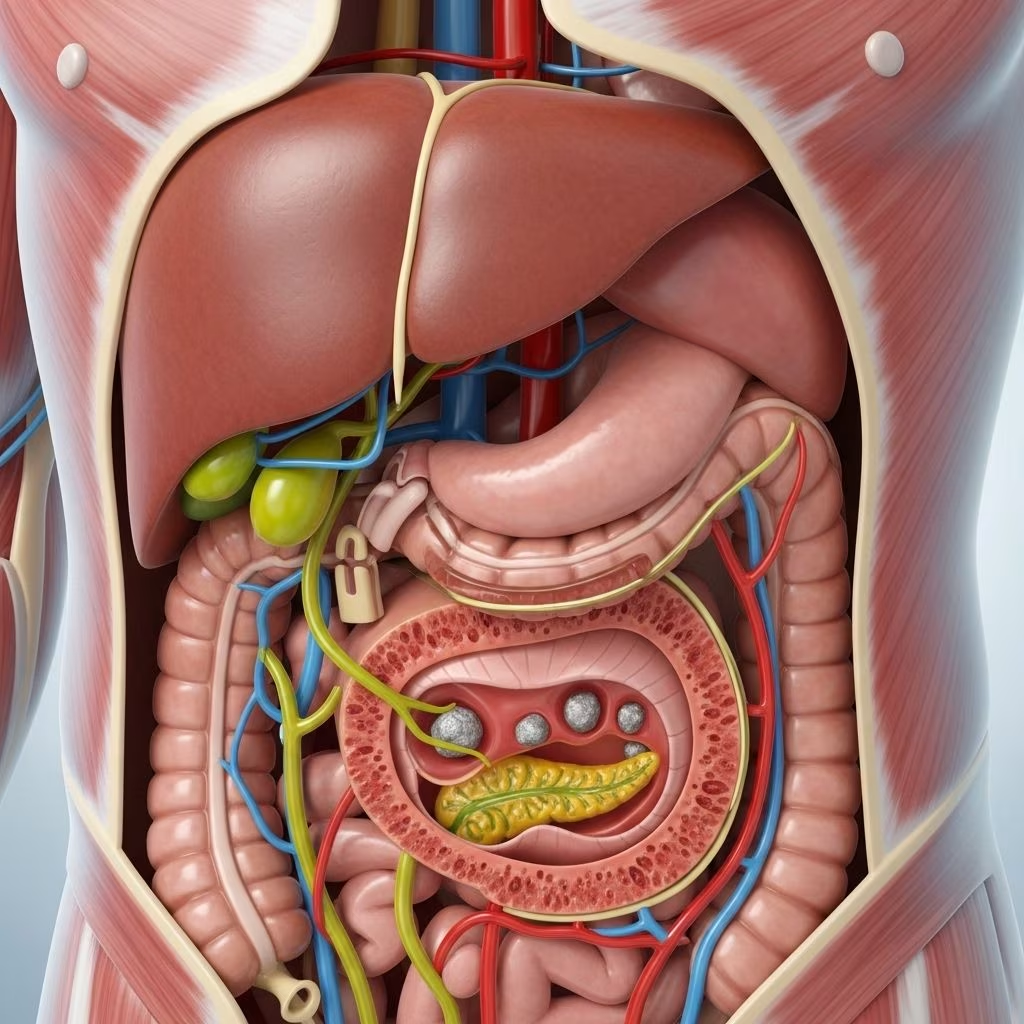
Managing the High Costs of Transthyretin Amyloidosis (ATTR) Treatment
Transthyretin amyloidosis (ATTR) is a progressive disease characterized by the buildup of unstable transthyretin (TTR) protein, leading to deposits in organs such as the heart and nerves. Treating ATTR is often a long-term commitment, requiring costly medications, ongoing monitoring, and supportive therapies. Understanding your financial options is essential to optimizing care while safeguarding your budget.
Understanding the Costs of ATTR Treatment
ATTR treatment costs vary significantly depending on the type and extent of care required, your insurance situation, and the specific medication prescribed. The financial burden can be substantial, especially for those lacking sufficient coverage.
The Cost of Key Medications
| Medication | Annual Cost (Approximate) | Purpose |
|---|---|---|
| Tafamidis | $225,000 | Stabilizes TTR protein, commonly used for cardiac ATTR |
| Patisiran | $451,430 – $677,145 | Reduces TTR production; used for neuropathic ATTR |
| Inotersen | $442,000 | Also reduces TTR production; used for neuropathic ATTR |
| Diflunisal | $500 – $600 | Chemically similar to tafamidis but much lower cost; potential alternative |
Even those with robust insurance may encounter substantial out-of-pocket expenses. These can include copays for drug prescriptions, office visits, diagnostic imaging, and laboratory tests. Some individuals pay a few hundred dollars per month, while others face much higher bills depending on coverage levels and deductibles.
Other Costs Beyond Medication
- Specialist visits and monitoring: Cardiologists, neurologists, and other specialists require regular appointments, which may incur additional copays or coinsurance.
- Testing: Heart and nerve function tests, such as echocardiograms or nerve conduction studies, are routine in ongoing management.
- Supportive therapies: Physical therapy, home care, and pain management can further elevate the cost of living with ATTR.
- Indirect expenses: These include transportation, time off work, and accommodation for treatment at distant specialized centers.
Research reveals that the average cost for a hospital admission due to cardiac amyloidosis (excluding hereditary forms) is over $20,000 per admission, with annual outpatient and inpatient services easily exceeding $100,000 for related amyloidosis conditions.
Insurance Coverage: What to Expect
Navigating insurance is a critical step in managing the cost of ATTR treatment. Coverage varies by plan, region, and medication prescribed, with potential for substantial differences in out-of-pocket responsibilities.
Key Points About Insurance and ATTR
- Tafamidis Coverage: Some insurers cover tafamidis, but copays and deductibles can mean thousands of dollars in annual expenses for patients.
- Prior Authorization: High-cost drugs, including tafamidis, patisiran, and inotersen, usually require prior authorization. Your provider must demonstrate medical necessity, which can involve paperwork and approval delays.
- Medicare and Medicaid: Coverage through public insurance programs varies. You may qualify for additional support if you meet certain income or disability criteria.
- Formulary Restrictions: Insurers may require patients to try less expensive alternatives first or limit coverage to certain drugs based on their formularies.
- Specialty Pharmacies: Many of these medications are dispensed through specialty pharmacies, which may offer support services but can complicate insurance billing.
Early engagement with your insurer helps identify benefits, required paperwork, and potential gaps in coverage for ATTR therapies.
Financial Assistance Programs
If insurance coverage leaves you with high out-of-pocket costs, various assistance programs can help make treatment more affordable.
Types of Assistance Available
- Manufacturer Assistance: Drug manufacturers often offer copay cards, patient assistance programs, and grants for those who meet income criteria or lack insurance.
- Nonprofit Foundations: Disease-specific charitable organizations may help cover medication, travel, or supportive therapy costs.
- State and Federal Programs: Medicaid and other state-based health programs can supplement insurance coverage for qualifying individuals.
- Hospital Social Services: Social workers can help you navigate eligibility for charity care, sliding-scale billing, or access to free clinics.
- Clinical Trials: Enrollment in clinical studies may provide access to novel treatments at no cost, although availability is limited and not all patients qualify.
Tips for Accessing Assistance
- Gather Documentation: Keep records of income, insurance details, and your medical diagnosis.
- Consult Your Provider: Ask your treating physician or specialist for help finding financial assistance resources.
- Explore Multiple Sources: Don’t rely on one program—check manufacturer, nonprofit, and public options for maximum coverage.
Online resources from major drug manufacturers, patient advocacy groups, and health system social services can help you compare assistance programs.
Other Strategies for Cost Management
Beyond insurance and formal assistance, proactive planning and cost-saving steps can help you manage the economic impact of ATTR treatment.
Explore Alternative and Cost-Effective Therapies
- Diflunisal: This nonsteroidal anti-inflammatory drug shares a similar mechanism with tafamidis but costs about $500–$600 per year. It may be an appropriate alternative for some patients, though clinical suitability must be assessed with your provider.
Budgeting and Financial Planning Tips
- Create a Treatment Budget: Itemize projected costs for medication, appointments, transport, and any home healthcare support.
- Track Out-of-Pocket Spending: Ongoing documentation helps with insurance claims and with applications for financial assistance.
- Seek Advice: Financial counselors or social workers at healthcare centers can help structure payment plans or maximize available benefits.
- Appeal Insurance Decisions: If coverage is denied, file appeals with supporting documentation from your healthcare provider.
Cost-Effectiveness Analysis for ATTR Drugs
| Treatment | Total Cost | Life-years (LY) | Quality-adjusted life-year (QALY) |
|---|---|---|---|
| Transthyretin-stabilizing agent + best supportive care | $858,000 | 4.4 | 2.9 |
| Best supportive care alone | $76,000 | 3.0 | 2.0 |
Based on these analyses, cost per QALY gained with tafamidis (plus supportive care) is about $873,000, indicating a significant financial trade-off for extended life and improved quality.
Travel Planning and Local Resources
- Find Nearby Specialists: Whenever possible, see if specialized care is available closer to home to reduce travel and lodging costs.
- Telemedicine: Some follow-up visits may be conducted virtually, saving time and expense.
Frequently Asked Questions (FAQs)
Q: What triggers the high cost of tafamidis and other ATTR drugs?
A: Tafamidis and related drugs involve complex manufacturing and long-term administration. They require rigorous clinical trials and are currently available from limited sources, which leads to premium pricing.
Q: Is there a lower-cost alternative to tafamidis?
A: Diflunisal is a mechanistically similar option that may cost less than $600 per year. Clinical suitability should be determined by your doctor, as it might not be appropriate for every patient.
Q: What financial help is available if I can’t afford my prescriptions?
A: Manufacturer assistance programs, nonprofit foundations, and social services can provide relief for eligible patients. Ask your healthcare provider and pharmacist for information and application support.
Q: How do indirect costs affect overall ATTR expenses?
A: Indirect costs such as transportation, accommodation, and lost wages can significantly add to the total financial burden. Planning for these outlays is important for accurate budgeting.
Q: How do I appeal an insurance denial for ATTR treatment?
A: Obtain written medical necessity documentation from your doctor, review your plan’s appeal process, and persist. Hospital social workers and patient advocacy groups may guide you through the steps.
Q: What’s the future outlook for ATTR drug pricing?
A: Ongoing policy discussions and the introduction of cost-effective alternatives like diflunisal may influence pricing over time. Continued research and advocacy are needed for broader access.
Key Takeaways
- ATTR treatment is expensive due to high drug prices, ongoing medical care, and indirect costs.
- Insurance, financial assistance, and budgeting are essential tools for minimizing expenses.
- Lower-cost alternatives and strategic planning can improve access without sacrificing quality of care.
- Proactive communication with care providers and insurers can help unlock support and resolve unexpected financial challenges.
References
- https://www.healthline.com/health/heart-disease/managing-costs-for-transthyretin-amyloidosis-treatment
- https://www.rarediseaseadvisor.com/insights/diflunisal-shows-promise-and-cost-effectiveness-in-attr-cm-care/
- https://www.jmcp.org/doi/10.18553/jmcp.2025.31.3.323
- https://pmc.ncbi.nlm.nih.gov/articles/PMC7606386/
- https://icer.org/assessment/transthyretin-amyloid-cardiomyopathy-2024/
- https://cardiovascularbusiness.com/topics/clinical/pharmaceutics/high-cost-cardiac-amyloidosis-drugs-may-limit-access-low-income-patients