Strawberries are a beloved fruit worldwide, celebrated for their vibrant color, sweet flavor, and impressive nutritional profile. However, these delectable berries frequently top lists of produce with high concentrations of pesticide residues and contaminants. Proper washing methods are vital for ensuring strawberries are safe to eat, remain fresh longer, and taste their best. This comprehensive guide provides expert-backed strategies for washing strawberries, explains why it matters, offers alternative cleaning approaches, and walks you through optimal storing and preparation methods.
Why You Need to Wash Your Strawberries
Strawberries often rank highest on produce lists contaminated with pesticides and dirt due to several factors:
- Thin skin: Their delicate skins absorb chemicals and microorganisms more readily than thicker-skinned fruits.
- Low growth: Growing close to the ground exposes strawberries to soil, water splashes, and higher risk of pests and fungal infections.
- Multiple pesticide cycles: Farmers typically apply pesticides several times throughout the berry’s growing season to protect against invasive pests, increasing residue likelihood.
Unwashed strawberries may harbor:
- Pesticide residues
- Dirt and sand from fields
- Microbial contaminants, such as bacteria and fungi
Consuming them directly out of the package, without proper washing, could increase your exposure to unwanted chemicals and spoilage factors.
The Best Way to Wash Strawberries: Step-by-Step Cleaning Guide
Washing strawberries correctly ensures removal of surface residues and reduces risk of ingesting pesticides or contaminants. Experts recommend several effective methods:
1. Traditional Water Rinse
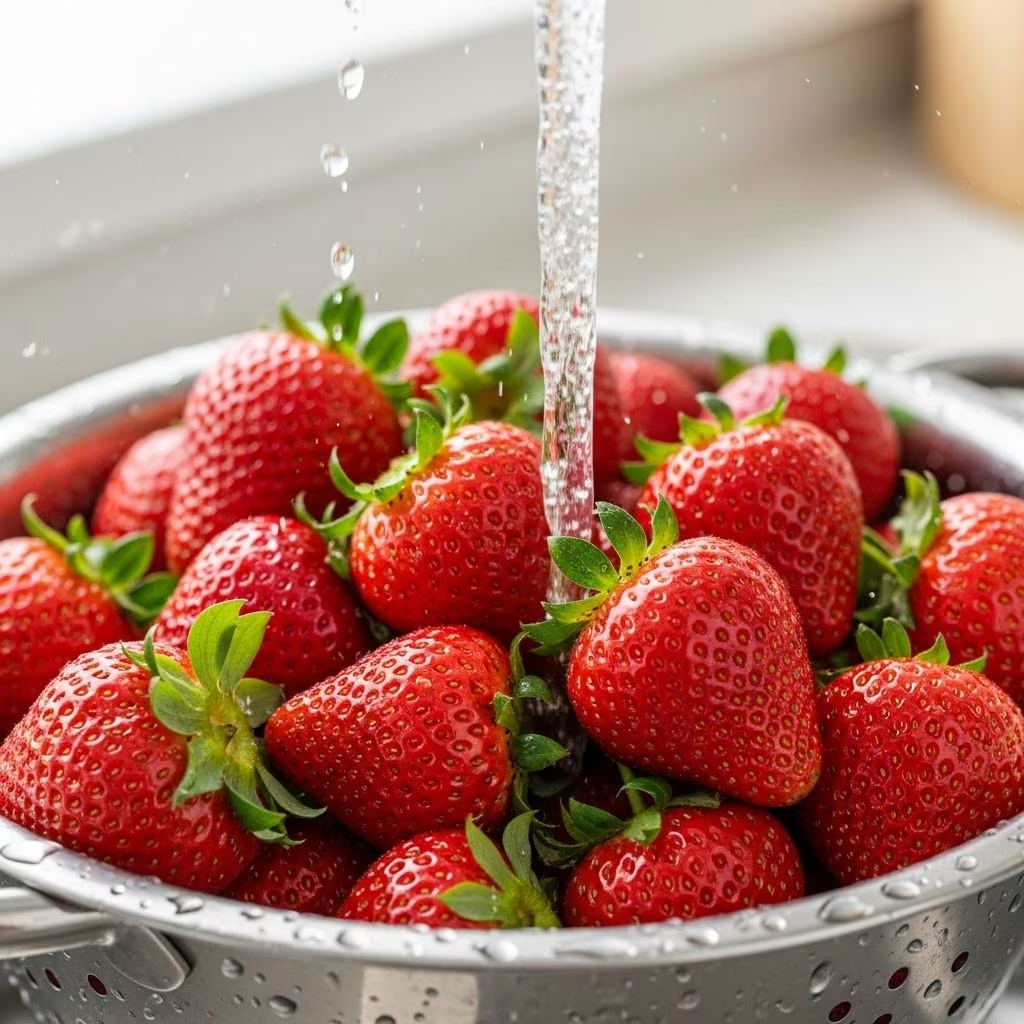
- Place strawberries in a colander.
- Rinse under cold, running water, moving the berries gently with your hands to expose all surfaces.
- This method removes most surface dirt and some pesticide buildup, though not all residues.
2. Vinegar Wash
- Mix 1/2 cup distilled white vinegar with 1 cup water in a bowl.
- Soak strawberries in the mixture for 5–20 minutes.
- Vinegar acts as a natural antibacterial and helps break down chemical residues.
- After soaking, thoroughly rinse berries under fresh running water to remove any vinegar taste.
3. Baking Soda Soak
- Dissolve 2–3 teaspoons of baking soda in a large bowl of water.
- Soak the strawberries for a few minutes.
- Baking soda’s mild alkalinity neutralizes many pesticide residues.
- Rinse thoroughly with fresh water after soaking.
Comparative Table: Strawberry Cleaning Methods
| Method | Best For | Steps | Drawbacks |
|---|---|---|---|
| Running Water | Quick dirt removal | Rinse berries in colander or individually under cold water | May not eliminate all pesticides; requires more time for individual rinsing |
| Vinegar Bath | Bacteria and pesticide removal | Soak in 1/2 cup vinegar + 1 cup water, rinse thoroughly | Possible residual taste if not rinsed well |
| Baking Soda | Neutralizing chemical residues | Soak in dissolved baking soda solution, rinse thoroughly | Possible residual taste if not rinsed well |
Key Tips for Safe Strawberry Washing
- Always wash berries immediately before consumption rather than after purchasing, to preserve freshness and prevent mold growth.
- Use gentle motion while washing to prevent bruising.
- Pat dry after washing: Lay berries on a clean towel and gently pat with another towel to remove moisture.
- Discard damaged, rotten, or excessively bruised berries before and after washing.
Other Options for Washing Strawberries—and What to Avoid
Commercial produce washes are increasingly marketed as solutions for cleaning fruits and vegetables. However, according to the FDA, such products are not recommended for porous produce like strawberries because:
- Strawberries may absorb these chemicals, increasing consumption risk.
- The safety and efficacy of commercial washes have not been thoroughly tested.
- Simple water rinsing is generally sufficient for fruit safety when combined with good storage practices.
If you opt for a store-bought produce cleaner, ensure it is labeled safe for use on berries and thoroughly rinse with fresh water afterward.
When Should You Wash Your Strawberries?
Washing strawberries promptly upon bringing them home may seem convenient but is not optimal for longevity. Berries washed early tend to spoil faster due to residual moisture:
- Wait to wash until just before eating, especially with larger batches.
- Moisture trapped on berry surfaces can accelerate molding and softness.
- Dry thoroughly before storage if you must wash them ahead of time.
How to Choose, Store, and Prepare Strawberries for Optimal Health
Choosing the Best Strawberries
Quality strawberries are crucial for taste, nutrition, and food safety. Look for:
- Firm, plump berries with a deep red color.
- Intact green caps (the stem and leaves).
- Absence of bruising, mold, or wet spots.
Berries do not continue to ripen after harvest. Thus, their color is a reliable indicator of sweetness—darker berries generally indicate higher sugar content and better flavor.
Proper Strawberry Storage Techniques
- Refrigerate unwashed strawberries after purchasing.
- Line a container with a paper towel to absorb excess moisture.
- Store berries in a breathable container (not airtight), unless washed and carefully dried beforehand.
- Keep separate from raw meat, poultry, and seafood to prevent cross-contamination.
- Remove damaged berries before storage, as they can accelerate spoilage in the batch.
- After washing, dry the berries thoroughly before refrigerating. Moisture leads to mold growth.
Properly stored, strawberries last about a week in the fridge.
Preparation Ideas for Strawberries
Freshly washed and dried strawberries are versatile additions to many dishes, such as:
- Pancakes, waffles, or breakfast bowls with strawberry slices
- Salads – for example, kale, spinach, or green salads paired with cheese or nuts
- Desserts – cheesecakes, yogurt parfaits, or whipped cream-filled strawberries
- Smoothies, either fresh or frozen
- Baked goods like muffins, cupcakes, or fruit tarts
Health Benefits of Clean, Fresh Strawberries
Beyond their delicious taste, well-washed strawberries deliver substantial nutritional and health advantages:
- Rich in Vitamin C: A powerful antioxidant supporting immune health.
- High in antioxidants (including polyphenols, anthocyanins, ellagic acid): Help neutralize free radicals and reduce inflammation.
- Fiber: Promotes digestive health and satiety.
- Improved insulin sensitivity: Studies show strawberry polyphenols can enhance glucose metabolism in nondiabetic adults.
- Skin protection & anti-inflammatory effects: May help prevent skin damage from UV exposure and reduce joint pain in osteoarthritis sufferers.
Unwashed berries may carry more than just contaminants—they also lose nutritional value and flavor when improperly cleaned and stored.
Key Strawberry Antioxidants
- Pelargonidin: Responsible for the intense red pigment and contributes to antioxidant capacity.
- Ellagic acid & ellagitannins: Help protect cells and tissues, and may play a role in cancer prevention.
- Procyanidins: Support cardiovascular health and general wellness.
These compounds are most concentrated in ripe, richly colored strawberries, which benefit further from careful washing and handling.
Frequently Asked Questions (FAQs) About Washing Strawberries
Q: Does washing strawberries really remove all pesticides?
A: Washing, especially with vinegar or baking soda solution, removes much of the surface pesticide residue, dirt, and some microbes. However, some residues can penetrate below the skin, so complete elimination isn’t always possible. Buying organic can further minimize pesticide exposure.
Q: Can I use soap or detergent to wash strawberries?
A: No. Soaps and detergents are not safe for washing edible produce; berries may absorb these chemicals, which are not intended for consumption. Stick to food-grade solutions like vinegar, baking soda, or pure water.
Q: Why shouldn’t I wash strawberries before refrigerating?
A: Extra moisture from early washing increases mold and accelerates spoilage. Washing right before eating maintains freshness and reveals full flavor and texture.
Q: Are commercial produce washes safe?
A: The FDA does not recommend commercial produce washes for porous foods such as strawberries. Their effectiveness and safety haven’t been proven, and they may be absorbed by the berries.
Q: How do I keep strawberries fresh longer?
A: Store unwashed, dry strawberries in the refrigerator, ideally in a shallow container lined with paper towel. Remove damaged berries before storage and avoid stacking berries too deep to minimize bruising.
Q: What about organic strawberries?
A: Organic strawberries generally contain fewer or safer pesticide residues but can still carry dirt and microbes. Wash organic berries in the same way as conventional ones for best safety and flavor.
Expert Takeaway: Safe Strawberry Enjoyment
With strawberries at the peak of their season, enjoying them at their best means paying careful attention to washing and storage. By choosing high-quality fruit, washing with time-tested methods right before consumption, and drying properly, you can ensure these delicious berries are both safe and satisfying. Whether enjoying as a snack, dessert, or part of a healthy meal, properly cleaned strawberries are a sweet reward for minimal effort.
References
- https://fshn.illinois.edu/news/how-wash-strawberries-remove-dirt-and-pesticides-according-expert
- https://www.masterclass.com/articles/how-to-clean-strawberries
- https://www.webmd.com/diet/health-benefits-strawberry
- https://www.healthline.com/nutrition/foods/strawberries
- https://www.medicalnewstoday.com/articles/271285