Chemotherapy plays an important role in the treatment of non-small cell lung cancer (NSCLC). This article explores how chemotherapy works for NSCLC, when it’s used, the types of drugs involved, what to expect during treatment, and how side effects can be managed. The information offers a comprehensive overview for patients and caregivers facing this diagnosis.
How Chemotherapy Treats Non-Small Cell Lung Cancer
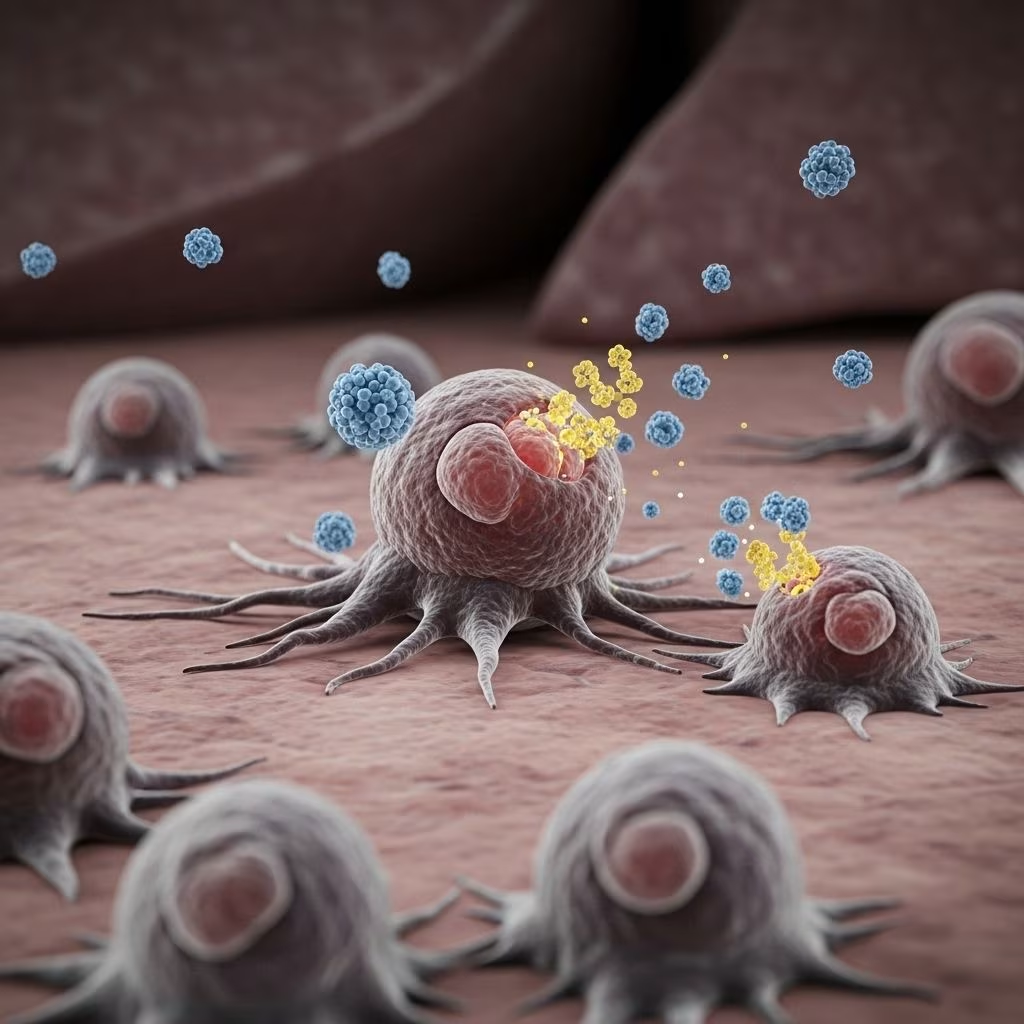
Chemotherapy, often called chemo, refers to a group of drugs that work by killing rapidly dividing cells—including cancer cells. In NSCLC, chemotherapy is designed to:
- Destroy cancer cells in the body
- Shrink tumors before surgery (neoadjuvant therapy)
- Eliminate remaining cancer cells after surgery (adjuvant therapy)
- Control cancer’s growth when surgery isn’t possible
- Relieve symptoms and maintain quality of life in advanced cases
Chemotherapy is considered a systemic treatment, meaning the drugs travel through the bloodstream to reach cancer cells throughout the body. This makes it suitable for addressing both localized and metastatic disease.
When Is Chemotherapy Used for NSCLC?
The use of chemotherapy in NSCLC depends on the stage of the cancer and an individual’s overall health. Common reasons for chemotherapy include:
- Before surgery (neoadjuvant chemotherapy): Shrinks tumors to enable easier surgical removal, sometimes combined with radiation therapy.
- After surgery (adjuvant chemotherapy): Targets remaining microscopic cancer cells to reduce recurrence risk.
- Early-stage NSCLC: May follow surgery if there’s a higher risk for the cancer to return.
- Locally advanced or unresectable NSCLC: Combined with radiation (chemoradiation) to control more extensive lung tumors.
- Metastatic or advanced NSCLC: As a primary treatment when the cancer has spread. It may also be used alongside immunotherapy or targeted therapy.
Your oncology team will base treatment decisions on:
- Cancer stage and spread
- Histologic subtype and presence of genetic mutations (e.g., EGFR, ALK)
- Your age and overall health
- Other treatments you are receiving or have received
Chemotherapy Drugs Used for NSCLC
There are several chemotherapy drugs approved for treating NSCLC. Often, two drugs are given in combination to maximize effectiveness. The specific choice of chemotherapy agents may depend on the type of NSCLC (such as squamous or non-squamous) and other patient-related factors.
| Drug Name | How It’s Used | Main Notes |
|---|---|---|
| Cisplatin | Combination therapy, mainstay platinum-based agent | Often paired with other drugs; may cause kidney toxicity |
| Carboplatin | Alternative to cisplatin | Sometimes preferred for better tolerability |
| Pemetrexed | Used for non-squamous NSCLC | Paired with cisplatin or carboplatin; requires vitamin supplementation |
| Paclitaxel | Often combined with platinum drugs | Available in traditional and albumin-bound forms |
| Docetaxel | Second-line therapy, single agent | Used if first regimen was not effective |
| Gemcitabine | Commonly used in combinations | May cause blood cell suppression |
| Vinorelbine | Combination or single agent | Less commonly used; can cause nerve effects |
Your doctor will explain which combination is recommended and why, taking into account your specific cancer and health status.
How Is Chemotherapy Given?
Most chemotherapy drugs for NSCLC are administered intravenously (IV) through a vein. Some medications may be given orally. The treatment is delivered in cycles, alternating between active drug administration and rest periods. This allows your body to recover between sessions. A typical cycle might look like this:
- Treatment on Day 1 (and possibly additional days)
- Rest period of 2–3 weeks
- Cycle repeats, for a total of 4–6 cycles on average
One course of chemotherapy usually lasts several months. The exact length and schedule depend on the drugs used, your health, and your response.
Combining Chemotherapy With Other Treatments
Chemotherapy is often part of a wider treatment plan for NSCLC. It may be combined with:
- Radiation therapy: To increase the chances of tumor reduction or cure, especially for locally advanced disease (chemoradiation).
- Immunotherapy: Certain checkpoint inhibitors may be added to chemotherapy to improve outcomes for some patients.
- Targeted therapy: For people whose tumors have specific genetic changes (like EGFR or ALK).
Why Combine Treatments?
The aim of combination regimens is to increase the effectiveness of therapy—shrinking tumors more effectively and delaying progression. Combined treatments do, however, carry a greater risk of side effects, so your medical team will carefully balance potential benefits and risks.
Benefits and Goals of Chemotherapy for NSCLC
- Reducing tumor size before surgery, potentially allowing for less invasive operations
- Eliminating residual microscopic disease after surgery and lowering risk of recurrence
- Relieving symptoms and improving quality of life in advanced or metastatic cancer
- Prolonging survival in unresectable cases
While chemotherapy alone rarely cures advanced NSCLC, modern regimens have extended survival and enhanced life quality for many patients. In early-stage disease, chemotherapy can complement other modalities to maximize cure chances.
Potential Risks and Side Effects of Chemotherapy
Chemotherapy targets fast-growing cells—but this also affects some healthy cells, leading to side effects. The exact symptoms and severity depend on which drugs you receive and your individual health. Common side effects include:
- Fatigue
- Nausea and vomiting
- Hair loss
- Loss of appetite
- Low blood counts (risk of infection, anemia, bruising)
- Mouth sores
- Nerve damage (tingling, numbness in hands and feet)
- Increased risk of infection
Most side effects are temporary and resolve after treatment ends. Your healthcare team will offer supportive therapies—such as anti-nausea drugs, growth factors, and nutritional support—to minimize discomfort and risk. Communication about side effects is key to maximizing safety and quality of life.
What to Expect During Chemotherapy
Your experience with chemotherapy will vary depending on your regimen, health, and the care setting. Here’s an overview of what you might expect:
- Pre-treatment consultation: Medical assessment, bloodwork, and planning to ensure you are fit for therapy.
- Drug delivery: IV infusion at a hospital, outpatient center, or clinic. Sessions may last a few hours.
- Monitoring: Physical exams, blood tests, and imaging (such as CT scans) to check your response and manage side effects.
- Rest periods: Time between cycles allows your body to recover from drug impact.
Living With Chemotherapy: Tips and Support
- Stay hydrated and eat nourishing foods to maintain strength.
- Report new or worsening symptoms to your care team promptly.
- Seek help for emotional stress; support groups and professional counseling are available.
- Take prescribed medications for symptom relief, such as anti-nausea drugs.
- Practice hand hygiene and avoid sick contacts to reduce infection risk.
- Rest as needed; fatigue is common. Listen to your body’s signals.
- Ask about local resources for home care, transportation, and financial assistance if needed.
Clinical Trials and Advances in NSCLC Chemotherapy
The use of chemotherapy in NSCLC is evolving. Ongoing research includes:
- Developing drugs that better target cancer cells while sparing healthy tissue
- Using maintenance therapy to extend benefits after initial response
- Refining chemo-immunotherapy combinations to improve outcomes
- Identifying biomarkers to personalize treatment approaches and predict responses
Ask your doctor whether participation in a clinical trial may be an option. Clinical trials provide access to cutting-edge therapies and help inform future treatment standards.
Outlook: The Role of Chemotherapy in NSCLC Today
Chemotherapy remains a central pillar in NSCLC treatment, even as targeted therapy and immunotherapy advance. Its role and importance vary based on cancer stage, genetic changes, and overall health. When given alongside or after other treatments, chemotherapy can extend life and relieve symptoms for many people.
Frequently Asked Questions About NSCLC Chemotherapy
How effective is chemotherapy for non-small cell lung cancer?
Chemotherapy can shrink tumors, slow disease progression, and relieve symptoms, especially when combined with other treatments. Its impact depends on the cancer’s stage, the drugs used, and individual patient factors.
Can chemotherapy cure NSCLC?
In early-stage cases, chemotherapy combined with surgery or radiation may increase the chances of a cure. In advanced or metastatic NSCLC, chemo is rarely curative but may lengthen survival and improve quality of life.
How are chemotherapy side effects managed?
Many side effects are temporary and manageable with supportive medications (anti-nausea drugs, growth factors) and lifestyle adjustments. Most issues resolve after treatment is complete. Always report symptoms to your medical team.
Will I lose my hair during chemotherapy?
Hair loss is a common side effect of some chemo drugs (such as paclitaxel and docetaxel), but it is usually temporary and resolves after therapy ends.
How will chemotherapy affect my everyday life?
Many people experience fatigue, changes in appetite, and an increased need for rest. Some continue work and light activity during treatment. Support from friends, family, and your care team can help manage the changes.
Helpful Resources
- American Cancer Society
- Cancer Research UK
- Lung Cancer Foundation of America
- Patient support groups and counseling services
For more information and support, speak with your oncologist or nurse coordinator. Every treatment plan is unique, and your care team can help you navigate the journey with up-to-date information, resources, and compassion.
References
- https://nyulangone.org/conditions/non-small-cell-lung-cancer/treatments/chemotherapy-targeted-drugs-for-non-small-cell-lung-cancer
- https://www.cancerresearchuk.org/about-cancer/lung-cancer/treatment/chemotherapy-treatment
- https://pmc.ncbi.nlm.nih.gov/articles/PMC6609523/
- https://www.cancer.org/cancer/types/lung-cancer/treating-non-small-cell/chemotherapy.html
- https://www.cancer.gov/types/lung/patient/non-small-cell-lung-treatment-pdq
- https://www.cancer.org/cancer/types/lung-cancer/treating-non-small-cell.html
- https://www.cityofhope.org/clinical-program/lung-cancer/treatments-survival/chemotherapy
- https://www.mskcc.org/cancer-conditions/lung-cancer/treatment/chemotherapy-systemic-therapies
- https://www.youtube.com/watch?v=_5iHwyL2BzE