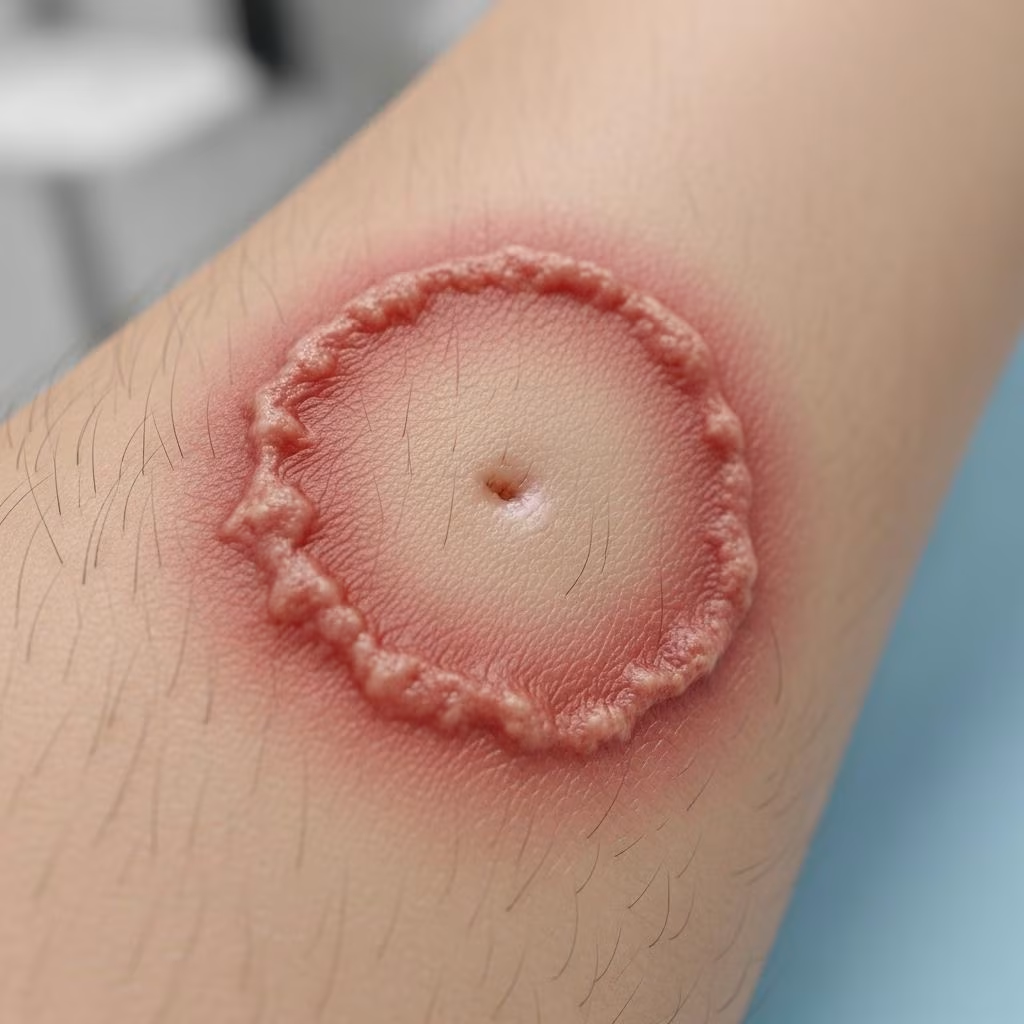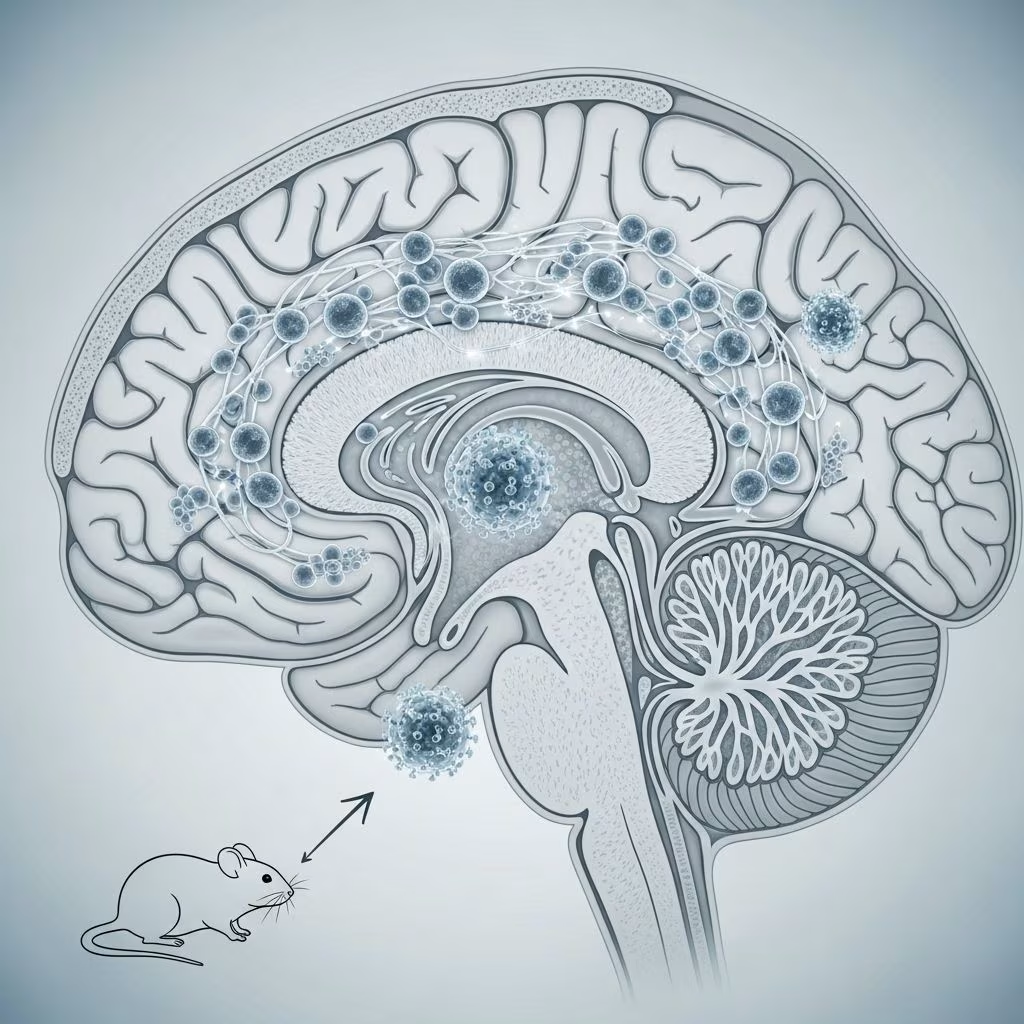
Lymphocytic choriomeningitis (LCM) is a viral infection primarily carried by rodents, particularly the common house mouse. While it often causes mild or no symptoms, LCM can occasionally result in serious inflammation of the brain and spinal cord. Knowing how this virus spreads, understanding its risks, and taking practical steps can greatly reduce the likelihood of infection.
What Is Lymphocytic Choriomeningitis?
LCM is an infectious disease caused by the lymphocytic choriomeningitis virus (LCMV). Most people contract the virus through exposure to materials contaminated by infected rodents. Although symptoms range from mild to severe, it’s critical to recognize and respond promptly to illness, especially in high-risk groups.
How is Lymphocytic Choriomeningitis Transmitted?
The lymphocytic choriomeningitis virus (LCMV) is primarily hosted by house mice (Mus musculus), though other rodents can also be carriers if they come into contact with infected house mice. Transmission to humans typically occurs in the following ways:
- Coming into direct contact with fresh urine, droppings, saliva, or nesting material from infected rodents.
- Broken skin, eyes, nose, mouth contact with these materials.
- Receiving a rodent bite.
- Contact with infected pet rodents or other wild rodents that have contracted the virus.
- Rarely, transmission can also occur from mother to fetus during pregnancy and via organ transplantation.
It’s important to note that there are no documented cases of human-to-human transmission outside of these special circumstances.
Rodents as Reservoirs
- House mice can carry LCMV throughout their lifespans without appearing sick.
- As much as 5% of house mice in the United States may carry the virus.
- Pet rodents, such as hamsters and guinea pigs, can acquire the virus if exposed to wild house mice.
Who Is at Risk?
Some individuals face greater risk for LCM and its severe complications:
- People with rodent infestations in their homes, schools, or workplaces
- Pet rodent owners or people working in laboratories and pet stores
- Pregnant women & their unborn babies (risk of congenital infection)
- Individuals with weakened immune systems
- Organ transplant recipients (from an infected donor)
Children may also be more vulnerable to infection due to increased contact with contaminated environments.
Symptoms of Lymphocytic Choriomeningitis
Not everyone who contracts LCMV develops symptoms. When symptoms do appear, they usually progress in two distinct phases:
First Phase: Early/Nonspecific Symptoms
- Fever
- Lack of appetite (anorexia)
- Headache
- Muscle aches (myalgia)
- Malaise (general ill feeling)
- Nausea and vomiting
- Less commonly, sore throat, cough, joint pain, chest pain, or salivary gland pain
The early symptoms can easily be mistaken for the flu or other viral infections. This phase typically arises 1–2 weeks after exposure and may last up to a week.
Second Phase: Nervous System Involvement
After a few days’ apparent recovery, a smaller number of patients progress to more serious symptoms due to infection of the brain and spinal cord coverings (meninges):
- Meningitis (inflammation of the membranes covering the brain and spinal cord)
- Encephalitis (inflammation of the brain itself)
- Meningoencephalitis (a combination of the above)
- Neck stiffness
- Confusion or altered consciousness
- Paralysis (in rare cases)
- Sensory disturbances or muscle weakness
- Photophobia (sensitivity to light)
How severe can the illness get?
- Most people recover on their own without medical intervention.
- For some, particularly those with weakened immune systems or pregnant women, complications can be severe or, in rare cases, life-threatening.
- Long-term neurological effects are possible but uncommon.
How Is Lymphocytic Choriomeningitis Diagnosed?
Diagnosing LCMV infection can be challenging due to overlapping symptoms with other viral infections. Diagnosis generally involves:
- Review of recent exposure history (rodent contact, outbreaks in the area)
- Evaluation of symptoms, especially central nervous system involvement
- Laboratory testing of blood and cerebrospinal fluid (CSF); these may include viral culture, serology (antibody detection), or polymerase chain reaction (PCR) to confirm the presence of LCMV genetic material.
Treatment Options for LCM
Currently, there is no specific antiviral treatment for lymphocytic choriomeningitis. Management focuses on supportive care to relieve symptoms and complications:
- Rest and adequate hydration
- Pain relievers (such as acetaminophen, not aspirin in case of viral illness)
- Anti-nausea medication as needed
- Hospitalization may be required for severe cases, involving intravenous fluids, respiratory support, or management of neurological symptoms
Most people with healthy immune systems recover fully without major interventions. For those with immune compromise or severe complications, close medical monitoring is essential. Pregnant women are advised to seek medical care immediately if exposure or symptoms occur.
Complications of LCM
- Meningitis and encephalitis (neurological inflammation) can lead to prolonged headaches, sensory or cognitive impairment, or (rarely) paralysis.
- Pregnancy-related complications:
- If the mother contracts LCMV during pregnancy, especially in the first or second trimester, the virus may cross the placenta. This may result in miscarriage, stillbirth, or congenital birth defects, such as hydrocephalus (fluid in the brain), chorioretinitis (eye inflammation), or nervous system abnormalities.
- Organ transplant recipients can develop severe, sometimes fatal, LCMV infection if the donor organ was infected.
How to Prevent Lymphocytic Choriomeningitis
The key to preventing LCM is minimizing contact with rodents and their environments. Some practical strategies include:
- Seal all possible entry points in your home, school, or workplace to block rodents.
- Keep food sealed and dispose of garbage properly to discourage infestations.
- Use snap traps or hire professional pest control as needed—avoid unsafe poisons or chemicals.
- Handle pet rodents only after thorough washing of hands. Pregnant women should avoid contact with rodents and their cages.
- Wear gloves and, if possible, masks when cleaning rodent cages, droppings, or nesting materials. Disinfect areas where rodents have been.
- When cleaning up rodent remains, soak with a bleach solution before removing to prevent aerosolizing virus particles.
Protecting Vulnerable Groups
- Pregnant women should refrain from handling rodents and their bedding, or cleaning rodent-infested areas.
- Parents should supervise children to ensure they don’t come into contact with wild or pet rodents unsafely.
Key Facts About LCM—at a Glance
| Fact | Details |
|---|---|
| Cause | LCMV, a rodent-borne arenavirus |
| Main Reservoir | Common house mouse |
| Transmission | Rodent droppings, urine, saliva, nesting materials, bites |
| Human-to-human Transmission | Extremely rare (possible only via organ transplant or pregnancy) |
| Symptoms | Fever, malaise, headache, neurological issues (rarely paralysis) |
| Prevention | Rodent control and safe cleaning practices |
| Treatment | Supportive care only (no antiviral yet) |
| Complications | Meningitis, encephalitis, birth defects, rare fatalities |
Frequently Asked Questions (FAQs) about Lymphocytic Choriomeningitis
Q: Can you get LCM from another person?
No, typical human-to-human transmission doesn’t occur, except in very rare cases via pregnancy or organ transplant.
Q: Are pet rodents safe?
Generally, yes—if they come from reputable sources with no exposure to wild rodents. But any rodent exposed to wild mice may become infected.
Q: How long does the infection last?
Mild symptoms usually resolve within 1–3 weeks. Severe neurological complications may persist longer and require specialized care.
Q: What if I’m pregnant and have been exposed to rodents?
Consult your healthcare provider immediately for evaluation and guidance, as congenital infection risks can be serious.
Q: How can I tell if a rodent is infected?
You usually can’t. Infected rodents rarely show outward signs of illness. Assume any wild rodent could be a carrier and take precautions accordingly.
When to Seek Medical Care
Contact your healthcare provider promptly if you:
- Develop flu-like symptoms after exposure to rodents or their droppings.
- Experience neurological symptoms (headache, stiff neck, confusion, or sensitivity to light).
- Are pregnant and have had rodent exposure.
Summary
Lymphocytic choriomeningitis is a rare but potentially serious viral infection transmitted by rodents. While most people have mild illness or remain asymptomatic, a small percentage develop serious nerve and brain involvement. Prevention focuses on rodent avoidance and environmental control. Early recognition and medical attention are vital, especially for pregnant women, immunocompromised individuals, and transplant recipients. Understanding LCMV’s risks and symptoms can help you protect yourself and your family.
References
- https://en.wikipedia.org/wiki/Lymphocytic_choriomeningitis
- https://www.sketchy.com/medical-lessons/lymphocytic-choriomeningitis-virus-arenaviridae
- https://pmc.ncbi.nlm.nih.gov/articles/PMC4256959/
- https://www.healthline.com/health/infection/lymphocytic-choriomeningitis
- https://www.webmd.com/a-to-z-guides/what-is-lymphocytic-choriomeningitis
- https://www.merckmanuals.com/professional/infectious-diseases/arboviruses-arenaviridae-and-filoviridae/lymphocytic-choriomeningitis
- https://www.osmosis.org/learn/Lymphocytic_choriomeningitis_virus
- https://www.cdc.gov/lymphocytic-choriomeningitis/hcp/training/index.html