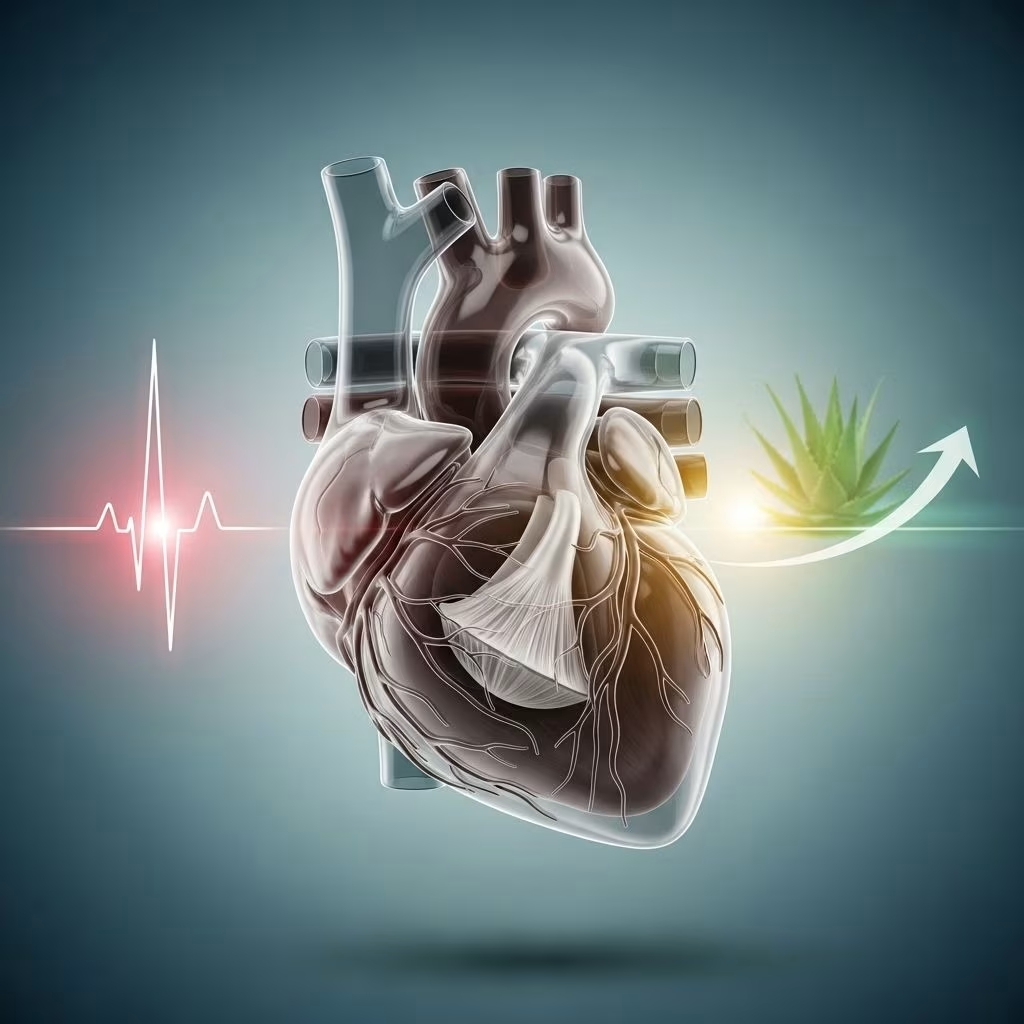
Heart valve replacement is a major surgical procedure performed to treat damaged or diseased heart valves. While valve replacement can significantly improve quality of life and prevent serious cardiac outcomes, it is a complex operation with certain risks and potential complications. Understanding these risks, recognizing symptoms of trouble early, and following your healthcare team’s guidance are crucial for safe recovery and long-term health.
What Is Heart Valve Replacement?
Heart valve replacement involves removing a malfunctioning heart valve and substituting it with an artificial prosthetic or a biological valve (from animal or donated human tissue). This surgery is recommended when less invasive repair is not possible or not sufficient to restore normal heart function. Common types of replacement valves include:
- Mechanical valves: Made from durable materials like titanium or carbon, designed to last decades but often require lifelong blood thinners.
- Biological (tissue) valves: Sourced from animal tissue (xenograft) or donated human valves (allograft). Typically last 10-20 years and may not require lifelong anticoagulation.
The choice of valve depends on age, other health conditions, preferences, and the specific heart valve being replaced.
Why Complications May Occur
Complications can happen during or after a heart valve replacement due to several factors:
- The complexity of open heart surgery
- Patient’s overall health, age, and medical history
- Presence of other medical conditions (e.g., diabetes, kidney disease)
- The type of replacement valve used
- The expertise and experience of the surgical team
Some complications are minor and treatable, while others can be severe or life-threatening. It’s important to remember, however, that for individuals with severe heart valve disease, the benefits of surgery usually outweigh these risks.
Potential Complications After Heart Valve Replacement
Some complications are directly linked to the surgical procedure itself, while others relate to the function of the new valve or the body’s reaction over time. Common complications include:
1. Wound and Valve Infection (Endocarditis)
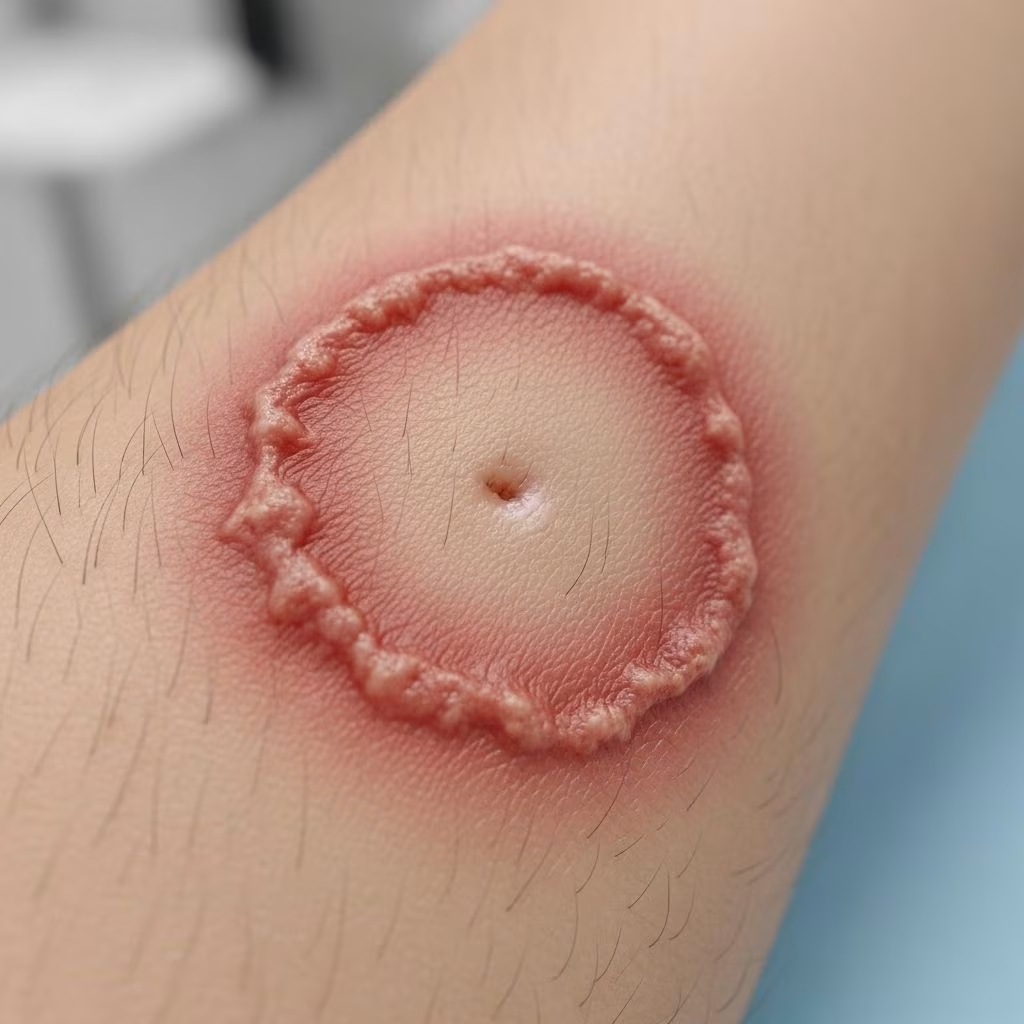
- Surgical site (wound) infection: Occurs at the chest incision or externally; can be managed with antibiotics.
- Endocarditis: A serious infection of the heart valve or lining, requiring immediate medical attention and often aggressive antibiotic therapy. In severe cases, it can necessitate additional surgery.
Signs of infection:
- Redness or soreness at the wound, which worsens
- Bleeding or pus from the wound
- Fever, chills, or feeling overly hot or cold
- Unexplained fatigue, palpitations, or general malaise
2. Bleeding
- Some bleeding is expected after surgery, but excessive bleeding can occur and may require additional intervention or transfusion.
- Patients taking anticoagulants (especially those with mechanical valves) are at increased risk of bleeding complications, both immediately after surgery and long-term.
3. Irregular Heart Rhythm (Arrhythmia)
- Arrhythmias, especially atrial fibrillation, are common after heart surgery. Most resolve within days.
- Persistent arrhythmias may require medications or, in some cases, a pacemaker implant.
Symptoms include:
- Heart palpitations
- Skipping or rapid heartbeat
- Dizziness or fainting
4. Kidney Problems
- Temporary kidney dysfunction is possible post-surgery, especially in older adults or those with pre-existing kidney disease.
- Usually, kidney function returns within several days, but persistent issues can lead to chronic kidney disease or, rarely, require dialysis.
5. Blood Clots and Stroke
- The risk of blood clots increases after valve replacement; clots can cause stroke or other organ damage if they travel through the bloodstream.
- Anticoagulants are typically prescribed post-surgery to reduce this risk, especially for mechanical valves.
- Clotting risk must be carefully balanced against the risk of bleeding.
6. Problems with the Replacement Valve
- Replacement valves can fail due to wear and tear, structural degeneration, blood clot formation, or infection.
- Symptoms of valve problems can mimic original disease (shortness of breath, fatigue, chest pain, or swelling).
- Mechanical valves typically last longer, but tissue valves may need replacement after 10-20 years.
Other Possible Complications
- Lung complications: Pneumonia, fluid accumulation, or difficulty weaning from the ventilator post-operation.
- Nerve damage: Very rarely, damage to nerves near the heart or chest can lead to temporary or permanent symptoms.
- Reoperation: Required in rare cases if the new valve fails or other complications develop.
Risk Factors: Who Is More Likely to Experience Complications?
The risk of complications is higher for certain individuals:
- Age over 65 years
- Pre-existing medical conditions (e.g., diabetes, kidney dysfunction, lung disease)
- Impaired immune function
- History of stroke or bleeding disorders
- Poor nutritional status
- Previous heart surgeries
Warning Signs: When to Seek Immediate Help
After heart valve surgery, prompt attention to symptoms can prevent severe outcomes. Contact your healthcare provider or emergency services if you experience:
- Worsening red, sore, or swollen wound (especially with pus)
- Bleeding that won’t stop or is excessive
- Fever, feeling hot or shivery, chills
- Sudden pounding, irregular, or rapid heartbeat
- Sudden shortness of breath, chest pain, or new swelling
Prevention and Management of Complications
- Follow-up visits: Attend all scheduled appointments for check-ups and monitoring.
- Wound care: Keep the incision clean, observe for signs of infection, and follow all care instructions.
- Blood clot prevention: Take blood thinners as prescribed, undergo any recommended lab monitoring, and report signs of bleeding or bruising.
- Monitor symptoms: Be alert for fever, palpitations, and new or worsening symptoms.
- Healthy lifestyle: Avoid smoking, eat a balanced diet, and participate in cardiac rehabilitation if recommended.
- Manage other health conditions: Keep chronic diseases like diabetes and high blood pressure controlled.
Tips for Reducing Your Risk After Surgery
- Follow medication and anticoagulant instructions precisely.
- Report any unusual bleeding or bruising promptly.
- Practice good dental hygiene and inform your dentist about your heart valve replacement; dental procedures may require antibiotics to prevent endocarditis.
- Keep all healthcare providers informed of your valve history and current medications.
Frequently Asked Questions (FAQs)
How long does a replacement heart valve usually last?
Mechanical valves can last 20 years or more, while biological (tissue) valves typically last 10-20 years before they may require replacement or repair.
Will I need to take blood thinners for life?
With a mechanical valve, lifelong anticoagulation (commonly with warfarin) is usually required. Tissue valves may require short-term anticoagulation only.
What are the most common signs of complications?
- Red, swollen, or draining wound
- Uncontrolled bleeding
- Sudden onset of fever
- Heart palpitations, dizziness, or syncope
- Congestive symptoms such as worsening shortness of breath, chest discomfort, or swelling
What follow-up is necessary after heart valve surgery?
Regular cardiac checkups, periodic imaging (such as echocardiograms), and blood tests to monitor medication levels are essential. Your healthcare team will set the frequency and type of monitoring based on your unique situation.
Can you live a normal life after a heart valve replacement?
Yes, most people can return to a full and active life, especially after adequate recovery and with good medical follow-up. Some activity modifications or precautions around strenuous exercise may be needed.
Surgical and Long-Term Outlook
Although the risk of complications is real, heart valve replacement remains a life-saving procedure for those with advanced valve disease. Most severe complications are uncommon, and the majority of patients recover well with proper care and monitoring.
As replacement valves do not last forever (especially tissue types), some people may require a second procedure years later. Advances in minimally invasive surgery and valve technology are making reoperations safer and more effective than ever.
Summary Table: Main Complications and How To Respond
| Complication | Symptoms to Watch For | What To Do |
|---|---|---|
| Infection | Redness, warmth, pus, fever, chills | Contact care team promptly; may need antibiotics |
| Bleeding | Unusual or heavy bleeding, large bruises | Notify doctor; seek emergency help if severe |
| Arrhythmia | Palpitations, irregular heartbeat, fainting | Call provider if persistent; may need medications or pacemaker |
| Blood Clot/Stroke | Sudden weakness, confusion, slurred speech, severe headache | Seek emergency care immediately |
| Kidney Problems | Low urine output, swelling, fatigue | Report to your healthcare provider |
| Valve Failure | Return of heart valve disease symptoms (breathlessness, swelling, chest pain) | Inform your cardiologist soon |
Conclusion
Understanding the potential complications of heart valve replacement, recognizing the early signs of trouble, and collaborating closely with your care team are keys to a safe recovery and optimal outcomes. Most risks can be minimized with vigilant self-monitoring, medication adherence, and proactive healthcare. If you have concerns about symptoms or risks after heart valve surgery, consult your healthcare provider for tailored advice.
References
- https://www.nhs.uk/tests-and-treatments/heart-valve-replacement/complications/
- https://my.clevelandclinic.org/health/diseases/17639-what-you-need-to-know-heart-valve-disease
- https://www.mayoclinic.org/tests-procedures/aortic-valve-repair-aortic-valve-replacement/about/pac-20385093
- https://www.webmd.com/heart-disease/heart-valve-disease
- https://www.healthline.com/health/heart-disease/valve-replacement-surgery
- https://stanfordhealthcare.org/medical-treatments/h/heart-valve-repair-replacement/risks.html
- https://www.nhlbi.nih.gov/health/heart-valve-diseases/treatment
- https://medlineplus.gov/ency/article/007684.htm