Ligneous Conjunctivitis: A Comprehensive Guide
Ligneous conjunctivitis is a rare and chronic inflammatory eye condition distinguished by the presence of distinct, fibrous, ‘woody’ lesions that primarily affect the conjunctiva—the membrane covering the white of the eye and the inside of the eyelids. Although it most frequently involves the eyes, this disorder can also affect other mucous membranes throughout the body.
What is Ligneous Conjunctivitis?
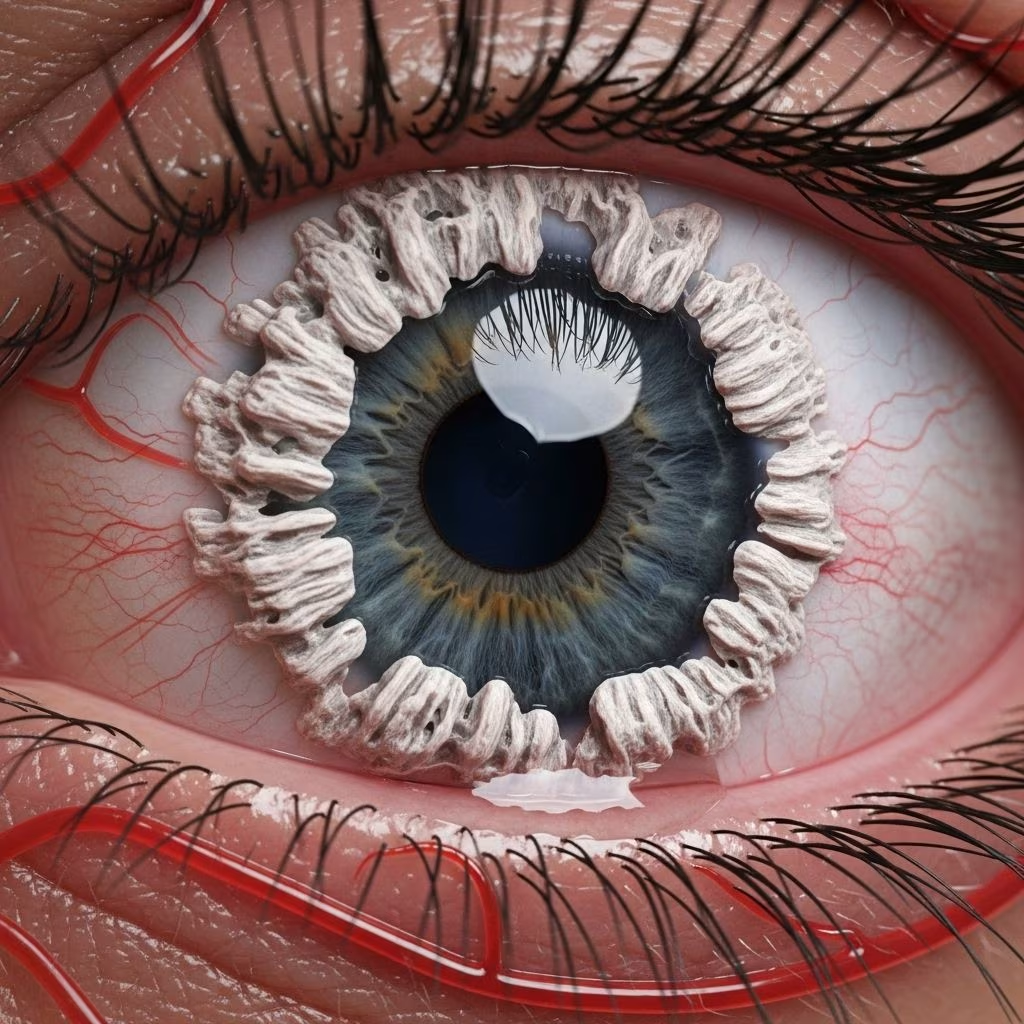
Ligneous conjunctivitis is characterized by the recurrent development of fibrin-rich pseudomembranous lesions with a woody texture and appearance. These lesions are most commonly found on the tarsal (inner) conjunctiva but can also appear on other surfaces including the cornea, sclera, and even tissues outside the eye such as the mouth, respiratory tract, and female genital tract.
- Extremely rare—around 250 confirmed cases worldwide.
- Associated with plasminogen deficiency, often due to inherited genetic changes.
- Can present as an ocular symptom of a systemic disorder.
Core Causes and Risk Factors
The hallmark of ligneous conjunctivitis is excessive accumulation of fibrin, a protein involved in blood clotting. This buildup is primarily caused by insufficient activity of plasminogen, a molecule responsible for breaking down fibrin.
- Genetic factors: Most cases are linked to autosomal recessive inheritance of mutations affecting plasminogen production.
- Interfamilial marriage: May increase risk due to potential genetic overlap.
- Trauma and irritants: Local damage to the conjunctiva, eye surgery, or exposure to irritants can precipitate or worsen symptoms.
- Infections: Aggravating factors include viral (adenovirus) and bacterial infections such as strep throat, gonorrhea, or diphtheria.
How Ligneous Conjunctivitis Affects the Body
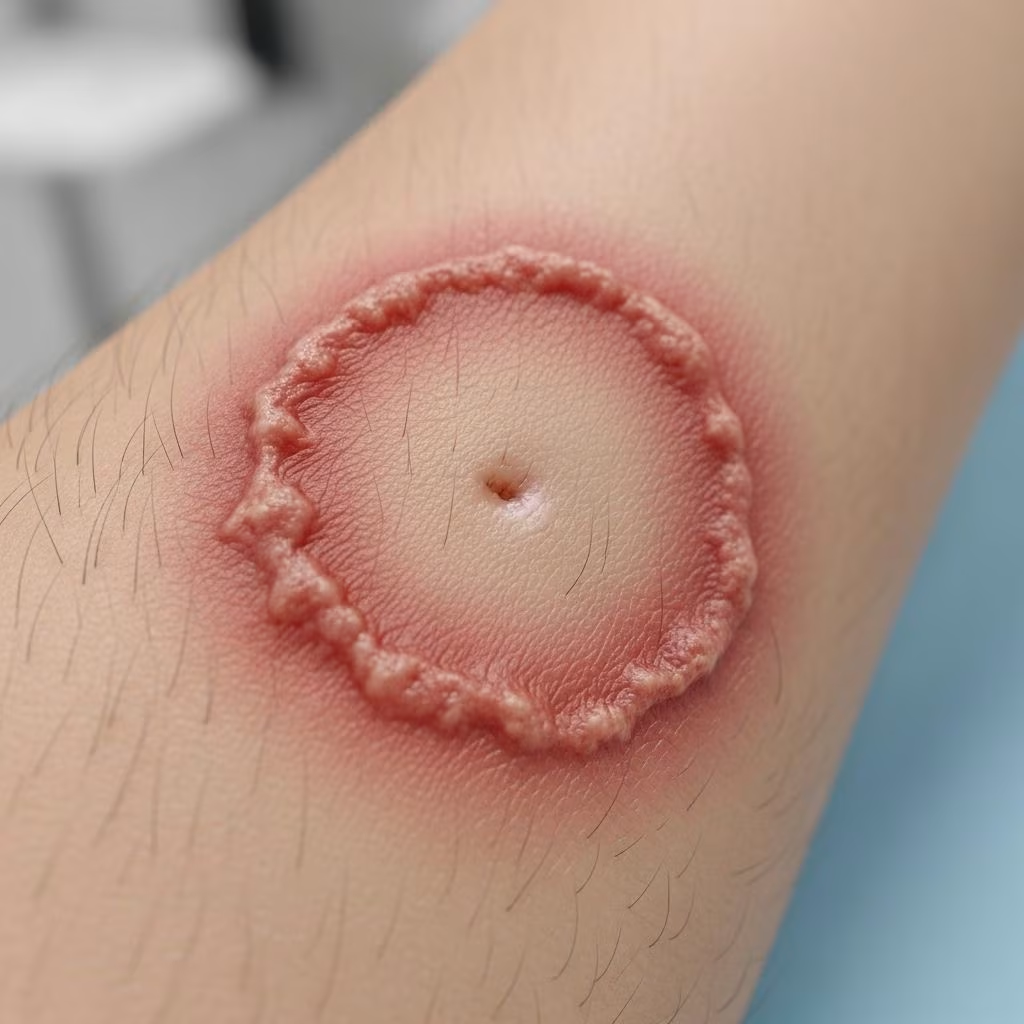
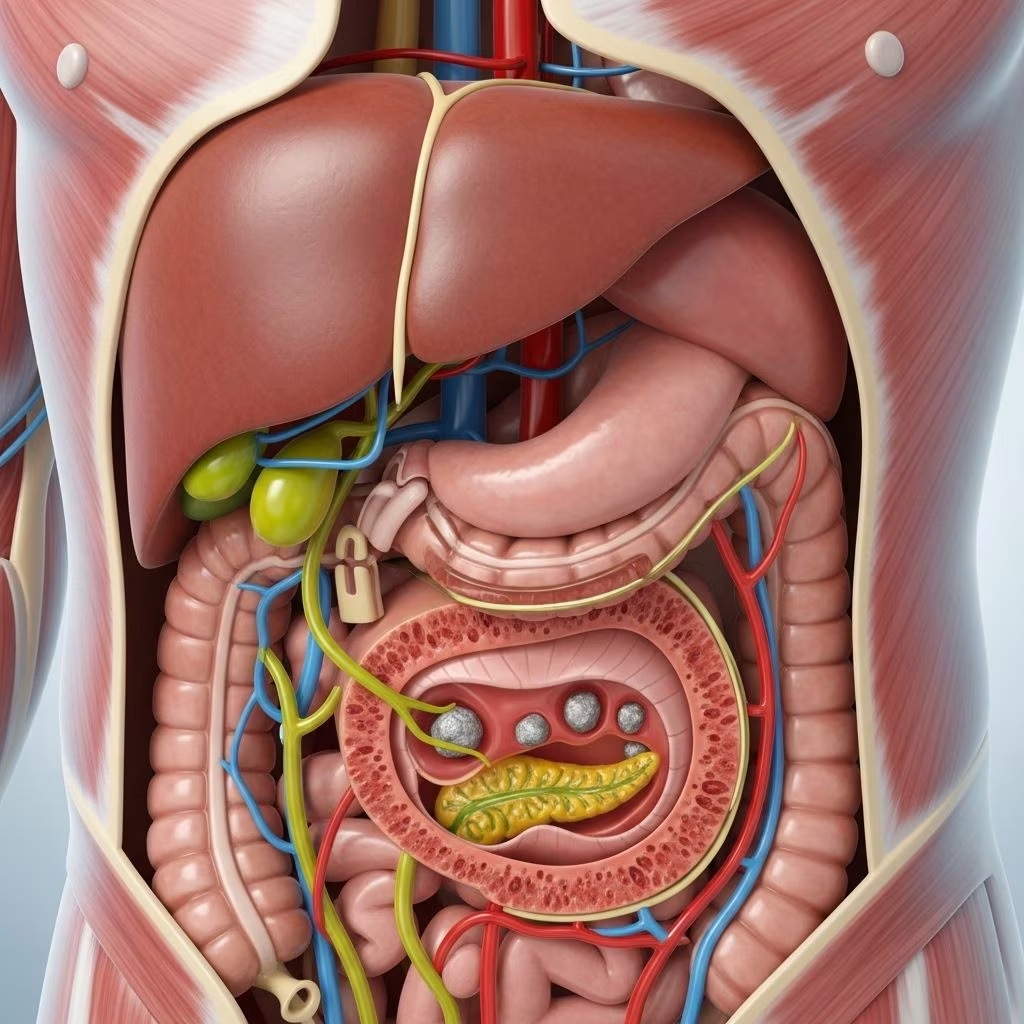
Though the primary symptoms manifest in the eye, ligneous conjunctivitis is considered a systemic mucosal disease. The woody, fibrin-rich lesions can form on:
- The inside of eyelids (tarsal conjunctiva)
- The cornea and sclera
- Mucous membranes throughout the body—including the larynx, trachea, oral cavity, vagina, cervix, and gums
Autoimmunity and Ligneous Conjunctivitis
Emerging research suggests some cases have an autoimmune component. The body’s immune system may mistakenly target healthy conjunctival tissues, promoting chronic inflammation and lesion development.
Key Symptoms of Ligneous Conjunctivitis
The clinical presentation is notably distinctive. Ligneous refers to a wood-like or fibrous consistency.
- Woody or fibrous lesions: Most evident on the inner eyelids; texture and color can be yellow-white, red, or even pink.
- Inflammation: Chronic redness, discomfort, and recurrent conjunctivitis.
- Pseudomembranes: Fibrin-rich membranes firmly attached to the conjunctiva, can extend to the cornea, sclera, or bulbar conjunctiva.
- Bilateral involvement: About half the cases affect both eyes; corneal involvement seen in up to a third.
- Extraocular symptoms: Lesions may also appear in the mouth, respiratory passages, or genital tissues.
Table: Main Symptoms by Location
| Location | Symptoms |
|---|---|
| Inner eyelid | Woody, fibrin-rich pseudomembranes; swelling; redness |
| Cornea/Sclera | Lesions, potential vascularization, scarring, vision impairment |
| Mouth/gums | Fibrinous masses, gum swelling |
| Larynx/trachea | Difficulty breathing, cough, airway obstruction |
| Genital tract | Lesions on vagina/cervix, discomfort |
Diagnosis of Ligneous Conjunctivitis
Diagnosis is based on clinical evaluation and laboratory tests—especially for plasminogen levels and genetic analysis.
- Ophthalmological exam: Slit lamp eye examination detects woody pseudomembranes and inflammation.
- Blood tests: Plasminogen deficiency is often confirmed by laboratory studies.
- Genetic tests: May reveal mutations linked to impaired plasminogen synthesis.
- Differential diagnosis: Necessary to distinguish from other forms of conjunctivitis and genetic diseases.
Complications and Prognosis
Ligneous conjunctivitis presents several risks, especially if left untreated:
- Impaired vision: Corneal involvement can lead to scarring, vascularization, and cicatricial blindness.
- Airway obstruction: Lesions in the respiratory tract may cause life-threatening complications in severe cases.
- Infection: Chronic eye inflammation increases susceptibility to secondary bacterial infections.
The overall visual prognosis depends on early intervention, especially in preventing corneal damage and complications in non-ocular sites.
Treatment Options for Ligneous Conjunctivitis
Management of ligneous conjunctivitis has evolved significantly. The contemporary gold standard is topical plasminogen concentrate therapy, with surgical removal and other supportive therapies considered only when necessary.
Topical Plasminogen Treatments
- Plasminogen eye drops: Derived from human plasma and applied every 2 hours for 3–4 weeks.
- Effectiveness: Yields rapid improvement; recurrences are rare for up to a year post-treatment.
Intravenous Plasminogen Therapy
- Indication: For severe cases or extraocular lesions, IV plasminogen is given daily for two weeks, then tapered over four weeks.
Other Medical Treatments
- Fresh frozen plasma: Used in topical preparation when plasminogen is unavailable.
- Heparin and corticosteroids: Sometimes combined to control inflammation and fibrin deposition.
- Alpha-chymotrypsin: Occasionally used topically to break down fibrin.
- Immunosuppressants: Local or systemic agents like cyclosporin A and azathioprine may be tried, especially for autoimmune-associated cases.
Surgical and Mechanical Interventions
- Surgical excision: Removal of lesions offers only temporary relief and carries a risk of recurrence.
- Mechanical manipulation: Generally avoided due to risk of worsening the condition and eye damage.
Comprehensive and Personalized Care
- Treatment usually requires personalized plans—balancing medications, surgical approaches, and ongoing follow-up.
- Preventive strategies: Early diagnosis and management are key to preventing severe symptoms and complications.
- Regular monitoring: Continuous assessment helps prevent recurrence and manage underlying systemic disease.
Summary Table: Modern Treatment Modalities
| Treatment | Application | Effectiveness |
|---|---|---|
| Topical plasminogen | Eye drops (every 2 hours for weeks) | Highly effective; prevents recurrence |
| IV plasminogen | Daily infusions for severe cases | Good control, especially for systemic involvement |
| Fresh frozen plasma | Topical (when plasminogen unavailable) | Moderate activity; less accessible |
| Heparin & Corticosteroids | Topical/adjunctive | Reduces inflammation/fibrin |
| Immunosuppressants | Local/systemic (autoimmune cases) | Useful in select patients |
| Surgical excision | Removal of lesions | Temporary relief, high recurrence risk |
Frequently Asked Questions (FAQs)
What causes ligneous conjunctivitis?
The main cause is a deficiency of plasminogen, leading to a buildup of fibrin, a protein that forms the woody lesions typical of the disease. Genetic changes and local or systemic inflammations can also play a role.
What are the symptoms to watch for?
Look for chronic eye redness, ‘woody’ or fibrous lesions on the eyelids or cornea, possible vision changes, and sometimes similar lesions in the mouth, airway, or genital tract.
How is the condition diagnosed?
It combines eye examination (often with a slit lamp), blood tests for plasminogen levels, genetic studies, and differential diagnosis to rule out other similar diseases.
Is surgery recommended for ligneous conjunctivitis?
Surgical removal of lesions may offer temporary relief but doesn’t address the underlying cause or prevent recurrence. Current best practice emphasizes topical plasminogen therapy over surgery.
Is ligneous conjunctivitis contagious?
No. Ligneous conjunctivitis is not infectious and cannot be spread from person to person. Some cases may be aggravated by infection, but the root cause is genetic and non-contagious.
Prevention and Long-term Management
Because ligneous conjunctivitis is linked to genetic and systemic factors, prevention focuses on early diagnosis, genetic counseling, and ongoing monitoring. Prompt identification and intervention can significantly reduce risks of blindness and systemic complications.
- Those with a family history should consider genetic screening for plasminogen deficiency.
- Patients with symptoms should seek specialist care—interdisciplinary teams can optimize outcomes.
- Regular ophthalmologist visits help detect recurrences and safeguard vision.
- Educate affected individuals about avoidance of eye trauma and potential irritants.
Key Takeaways
- Ligneous conjunctivitis is a rare, chronic eye disorder marked by woody, fibrin-rich membrane formation, often due to plasminogen deficiency.
- Symptoms may involve the eyes as well as other mucous membranes throughout the body.
- Topical plasminogen treatment offers the most effective relief; surgical options are temporary and carry risks of recurrence.
- Early recognition and tailored management strategies are essential for preserving eye health and preventing dangerous complications.
- Regular follow-up and multidisciplinary care can dramatically improve prognosis for affected individuals.
References
- https://www.healthline.com/health/eye-health/ligneous-conjunctivitis
- https://www.gsdinternational.com/conditions/ligneous-conjunctivitis
- https://www.medicalnewstoday.com/articles/ligneous-conjunctivitis
- https://drmaggieyu.com/blog/ligneous-conjunctivitis-autoimmunity-causes-diagnosis-care/
- https://eyewiki.org/Ligneous_Conjunctivitis
- https://www.ryplazim.com/ligneous-conjunctivitis/
- https://autoimmune.org/disease-information/ligneous-conjunctivitis/
- https://pmc.ncbi.nlm.nih.gov/articles/PMC6559777/
- https://rarediseases.org/rare-diseases/congenital-plasminogen-deficiency/