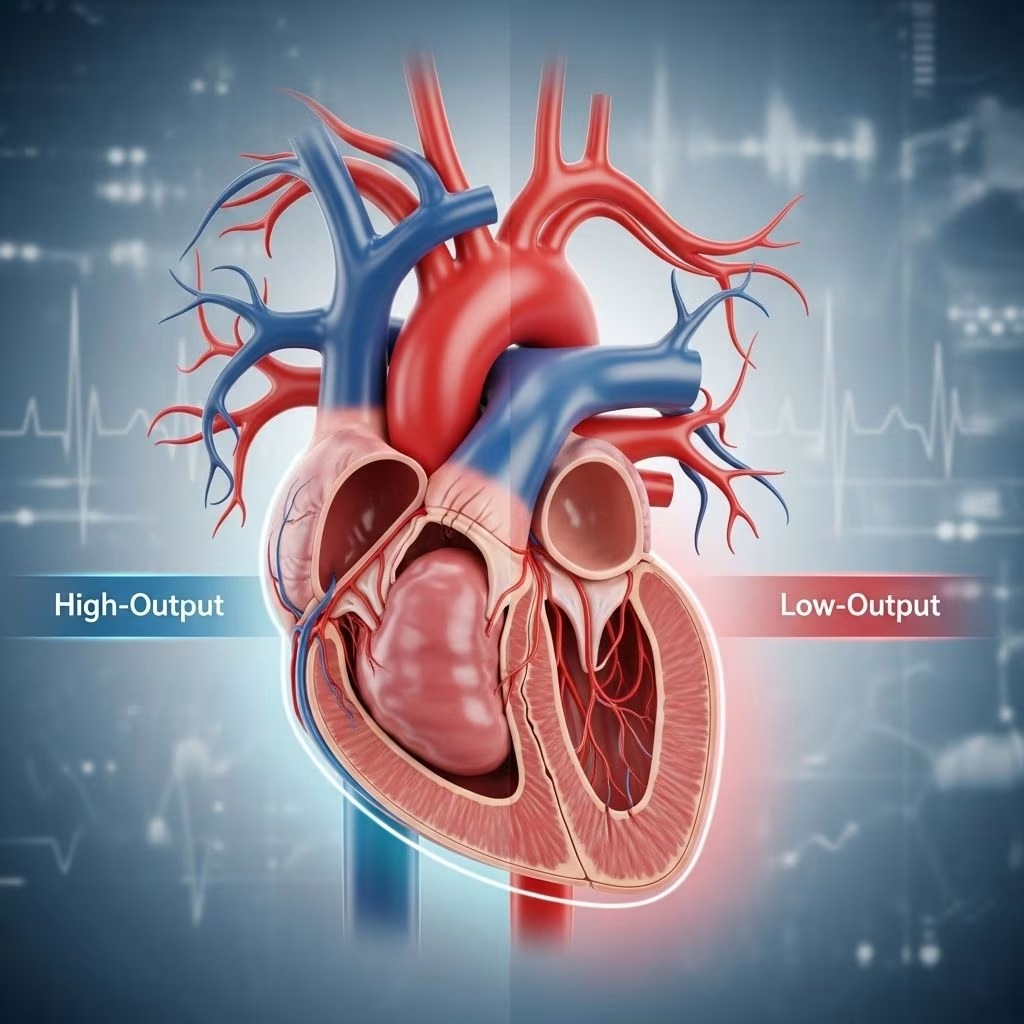
High-Output vs. Low-Output Heart Failure
Heart failure is broadly categorized into two distinct types based on cardiac output: high-output heart failure and low-output heart failure. Both conditions indicate the heart’s inability to meet circulatory demands, yet the underlying mechanisms and causes vary considerably. Understanding these types is essential for accurate diagnosis and tailored treatment strategies.
What is Heart Failure?
Heart failure occurs when the heart cannot pump enough blood to satisfy the body’s requirements for oxygen and nutrients. This may be due to weakened contractions, impaired filling, or excessive demand on heart performance, leading to symptoms like fatigue, shortness of breath, and fluid retention. While most people associate heart failure with a decrease in cardiac output, it can also occur when output is abnormally elevated.
Defining Cardiac Output
Cardiac output refers to the volume of blood pumped by the heart each minute. Normal values typically range from 5 to 6 liters per minute for adults. The distinction between high-output and low-output heart failure lies in whether this value is above or below normal in the context of heart dysfunction.
- High-output heart failure: Cardiac output ≥ 7.5–8 liters/minute, but the body’s increased demand outpaces supply.
- Low-output heart failure: Cardiac output < 5 liters/minute, insufficient to meet normal physiological needs.
High-Output Heart Failure
High-output heart failure is a rare form characterized by the heart pumping an unusually high volume of blood, yet still unable to meet the metabolic demands of tissues. Unlike traditional heart failure, where the heart’s output is low, the organ appears to function well initially but cannot keep up as demands escalate . This condition comprises less than 1% of all heart failure cases in clinical practice.
Main Features of High-Output Heart Failure
- Elevated cardiac output (≥8 liters/minute)
- Decreased systemic vascular resistance (SVR)
- Increased venous return and preload
- Wide pulse pressure and warm extremities
- Initial preservation of systolic function
Common Causes of High-Output Heart Failure
High-output heart failure is typically secondary to systemic conditions that increase metabolic demand or cause abnormal vascular dilation.
- Anemia: Reduced oxygen-carrying capacity triggers increased cardiac output.
- Thyrotoxicosis (hyperthyroidism): Enhances metabolism and tissue demands.
- Pregnancy: Physiological increase in blood volume and metabolic activity.
- Arteriovenous shunts (including fistulas): Abnormal connections redirect blood from arteries to veins.
- Beriberi (thiamine deficiency): Metabolic changes leading to vasodilation and increased work for the heart.
- Paget’s Disease: Excess bone turnover can alter circulatory demands .
- Obesity: Chronic metabolic increase can rarely contribute.
Symptoms of High-Output Heart Failure
The symptoms often overlap with other types of heart failure but may be more subtle or insidious in onset.
- Fatigue and weakness
- Shortness of breath, especially during exertion
- Palpitations
- Difficulty sleeping (orthopnea and paroxysmal nocturnal dyspnea)
- Peripheral edema (leg swelling)
- Weight loss
- Warm, flushed extremities due to vasodilation
- Widened pulse pressure
Because the initial cardiac function may be normal, diagnosis can be delayed until symptoms escalate and output cannot further compensate.
Complications and Risks of High-Output Heart Failure
- Progressive cardiac weakening
- Ultimately reduced ejection fraction
- Congestion and fluid retention
- Risk of arrhythmias
- Possible transition to low-output heart failure
Low-Output Heart Failure
Low-output heart failure is the common form addressed in cardiology. It refers to the inability of the heart to maintain sufficient cardiac output for normal tissue perfusion. Unlike high-output failure, here the primary problem lies within impaired contractile, valvular, or diastolic function.
Main Features of Low-Output Heart Failure
- Cardiac output < 5 liters/minute
- Increased systemic vascular resistance (SVR)
- Decreased venous return and preload
- Narrow pulse pressure and cool extremities
- Often associated with structural heart disease
Common Causes of Low-Output Heart Failure
- Coronary artery disease (myocardial infarction)
- Cardiomyopathy
- Valve stenosis or obstruction
- Chronic hypertension (diastolic dysfunction)
- Restrictive cardiomyopathy
- Severe pulmonary hypertension
Symptoms of Low-Output Heart Failure
- Fatigue
- Dyspnea on exertion
- Peripheral and pulmonary edema
- Cool, clammy skin
- Cough, especially at night
- Reduced exercise tolerance
- Possible confusion, dizziness in advanced cases
Comparison Table: High-Output vs. Low-Output Heart Failure
| Feature | High-Output Heart Failure | Low-Output Heart Failure |
|---|---|---|
| Cardiac Output (L/min) | > 7.5–8 | < 5 |
| Systemic Vascular Resistance | Decreased | Increased |
| Pulse Pressure | Wide | Narrow |
| Skin Temperature | Warm | Cool |
| Common Causes | Metabolic/Hemodynamic (Anemia, Thyrotoxicosis, AV Shunts, Pregnancy) | Structural Heart Disease (CAD, Cardiomyopathy, Hypertension) |
| Prognosis | Varies by cause; treatable if underlying problem addressed | Depends on severity and response to therapy |
Diagnosis of Heart Failure Types
Diagnosing high- versus low-output heart failure involves a combination of history-taking, clinical evaluation, and advanced diagnostics.
Steps in Diagnosis
- Medical history: Assess for risk factors such as chronic conditions, metabolic or infectious diseases (anemia, thyroid disorders, pregnancy).
- Physical examination: Look for pulse pressure, skin temperature, degree of fluid retention, signs of peripheral or pulmonary edema.
- Cardiac output measurement: Noninvasive imaging (echocardiogram, MRI), right heart catheterization, or specialized devices.
- Blood tests: Complete blood count, thyroid panel, B-type natriuretic peptide (BNP), metabolic profiles.
- Imaging Studies: Echocardiography, chest X-ray, cardiac MRI to assess heart structure and function.
Pinpointing the cause of high-output heart failure is crucial for management, as addressing the underlying condition (e.g., anemia, hyperthyroidism) can reverse the state.
Management and Treatment Approaches
Treating High-Output Heart Failure
- Address underlying cause: Mainstay treatment; e.g., correct anemia, manage hyperthyroidism, repair shunts.
- Diuretics: To reduce fluid overload.
- Vasodilators: Sometimes used to reduce afterload.
- Supportive measures: Oxygen, monitor for electrolyte imbalances.
- Monitoring: Serial assessments of cardiac output and symptom improvement.
Treating Low-Output Heart Failure
- Manage underlying heart condition: Revascularization for coronary disease, valve replacement, control of hypertension.
- Pharmacologic therapy: Beta-blockers, ACE inhibitors, ARBs, diuretics, aldosterone antagonists.
- Device therapy: Implantable cardioverter-defibrillator (ICD), cardiac resynchronization therapy (CRT) when indicated.
- Lifestyle adjustments: Sodium restriction, monitoring fluid intake, weight management, physical activity as tolerated.
- Advanced options: Heart transplantation, mechanical assist devices in refractory cases.
Risk Factors and Prevention
Understanding risk factors helps with early identification and can guide preventive measures.
High-Output Heart Failure Risk Factors
- Chronic anemia
- Uncontrolled thyroid disease
- Presence of AV malformations
- Pregnancy (rarely pathological)
- Deficiencies such as thiamine (beriberi)
Low-Output Heart Failure Risk Factors
- Coronary artery disease
- Previous myocardial infarction
- Uncontrolled hypertension
- Diabetes mellitus
- Chronic valvular disorders
- Restrictive or dilated cardiomyopathies
Frequently Asked Questions
Q: Can high-output heart failure become low-output heart failure?
A: Yes. As high-output failure progresses and the heart cannot compensate, cardiac function may deteriorate, leading to low-output states and worsening symptoms .
Q: What are the earliest warning signs of heart failure?
A: Shortness of breath, persistent fatigue, swelling in legs or ankles, rapid heartbeat, and difficulty lying flat to sleep. Early recognition and intervention are crucial for better outcomes.
Q: Which conditions most commonly lead to high-output heart failure?
A: The most common triggers are chronic severe anemia, thyrotoxicosis, arteriovenous fistulas, pregnancy, and beriberi .
Q: Are symptoms different between high-output and low-output heart failure?
A: Both share common symptoms like dyspnea and edema. However, high-output patients may have warmer extremities and wide pulse pressure, while low-output patients usually have cold, clammy skin and a narrow pulse pressure .
Q: Is high-output heart failure more dangerous than low-output?
A: Both conditions are serious, but the prognosis largely depends on the cause and response to treatment. Prompt identification and management are critical for improved outcomes.
Takeaway: Key Points to Remember
- High-output heart failure occurs when the heart pumps excessive blood but still cannot fulfill increased bodily demands due to underlying conditions.
- Low-output heart failure arises when the heart fails to pump enough blood for normal body needs due to impaired function or structural disease.
- Diagnosis relies on clinical history, measurement of cardiac output, and identification of underlying causes.
- Treatment is highly tailored: correcting underlying problems is central in high-output failure; supporting heart function and controlling symptoms matter most in low-output failure.
- Both types require careful monitoring and multidisciplinary care for optimal outcomes.
Additional Resources
- Consult a cardiologist if experiencing persistent symptoms of heart failure.
- Regular monitoring and management of chronic conditions can help prevent both types of heart failure.
- Patient education and adherence to medical advice are crucial for long-term heart health.
References
- https://www.youtube.com/watch?v=1cQKoXzKcvw
- https://my.clevelandclinic.org/health/diseases/24660-high-output-heart-failure
- https://www.youtube.com/watch?v=gTiQaJZoi3w
- https://www.ncbi.nlm.nih.gov/books/NBK513337/
- https://www.justintimemedicine.com/curriculum/2237
- https://pmc.ncbi.nlm.nih.gov/articles/PMC3891535/
- https://www.news-medical.net/health/Heart-Failure-Classification.aspx
- https://cdt.amegroups.org/article/view/46185/html