Eating Right for Dry Age-Related Macular Degeneration (AMD)
Dry age-related macular degeneration (dry AMD) is a leading cause of vision loss among older adults. Although no cure exists, scientific evidence suggests that strategic nutrition and lifestyle changes can help slow progression and support overall eye health. This comprehensive guide details dietary components, supplements, and practical eating patterns that benefit those living with dry AMD.
What Is Dry AMD?
Age-related macular degeneration (AMD) is an eye condition in which the central part of your retina (the macula) deteriorates. AMD comes in two forms: dry (more common and slower-progressing) and wet (less common, faster, more severe) . Dry AMD progresses over years, causing gradual loss of central vision essential for reading, driving, and recognizing faces.
How Nutrition Affects Dry AMD Progression
Research shows that both diet quality and targeted supplements can influence the onset and course of dry AMD.
- Healthy dietary patterns—especially Mediterranean-style diets—are linked to reduced AMD risk and slower progression.
- Specific nutrients and antioxidants may help protect the retina from oxidative stress and damage.
- AREDS2 formulation supplements can slow the progression of dry AMD, especially in advanced stages.
Evidence-Based Supplements for Dry AMD
The AREDS2 (Age-Related Eye Disease Study 2) formula is the best-researched supplement for people with dry AMD. Large clinical trials show that daily intake of these antioxidants can significantly slow disease progression, even in advanced geographic atrophy.
| Nutrient | Role in Eye Health | Sources |
|---|---|---|
| Lutein & Zeaxanthin | Protect against oxidative damage in the macula | Green leafy vegetables (spinach, kale), corn, eggs |
| Vitamin C | Antioxidant, supports eye tissue repair | Citrus fruits, berries, tomatoes |
| Vitamin E | Antioxidant effect, possible protective role | Nuts, seeds, vegetable oils, grains |
| Zinc | Supports cell growth, repair mechanisms | Meat, seafood, nuts, legumes |
| Copper | Essential for cellular enzyme function | Nuts, seeds, shellfish, organ meats |
- The AREDS2 formula replaces beta-carotene (linked to lung cancer risk in smokers) with lutein and zeaxanthin, safer plant antioxidants.
- These supplements do not restore lost vision, but may slow further progression.
- Always consult your ophthalmologist before beginning or changing supplements, especially if you have other medical conditions or take medications.
Daily Supplement Recommendations for Dry AMD
- Look for AREDS2-labeled supplements containing:
- Lutein (10 mg)
- Zeaxanthin (2 mg)
- Vitamin C (500 mg)
- Vitamin E (400 IU)
- Zinc (80 mg as zinc oxide)
- Copper (2 mg as copper oxide)
- If you can eat plenty of fruits, vegetables, and seafood, supplements may play a supportive—not central—role.
Nutrients Proven to Support Macular Health
Certain nutrients show strong associations with improved macular health and slower progression of dry AMD:
Lutein and Zeaxanthin
- These carotenoids are concentrated in the macula, where they filter harmful blue light and combat oxidative stress.
- Sources: spinach, kale, silverbeet, corn, yellow capsicum, peas, pumpkin, Brussels sprouts, eggs
- Higher dietary intake is linked to a reduced risk of AMD.
Omega-3 Fatty Acids
- Found mainly in oily fish (salmon, mackerel, anchovies, tuna, sardines, trout), omega-3 fatty acids may help reduce inflammation and support retinal cell health.
- The evidence from randomized clinical trials remains mixed; observational studies suggest benefit, but supplements should not replace rich dietary sources.
- Recommended: Eat fatty fish or seafood 2–3 times per week.
Zinc
- Zinc is vital for over 100 enzymatic reactions in the body, including DNA repair in retinal cells.
- Sources: oysters, seafood, nuts, legumes
Vitamin E
- Vitamin E is a powerful antioxidant found in many nuts and grains.
- Lowers the risk of oxidative damage in macular cells.
Vitamin C
- Vitamin C supports collagen production and antioxidant defense.
- Sources: citrus fruits, berries, tomatoes
Selenium
- Selenium is an essential mineral with antioxidant properties.
- Sources: Brazil nuts, seafood, meats
Low Glycemic Index (GI) Carbohydrates
- Avoiding high GI foods may lower overall AMD risk, as these foods cause rapid spikes in blood glucose and are associated with greater retinal damage over time.
- Low GI foods: most fruits, vegetables, wholegrain breads and cereals, legumes
- Low GI diets also support heart and metabolic health.
The Mediterranean Diet: A Top Choice for AMD Prevention
Of all dietary patterns studied, the Mediterranean diet is most consistently associated with lower AMD risk and slower progression. This diet emphasizes:
- High intake of vegetables, fruits, legumes, whole grains, and nuts
- Moderate consumption of fish and seafood
- Low consumption of red and processed meats
- Olive oil and other sources of monounsaturated fats
- Limited alcohol intake
People with high adherence to this diet demonstrated a 26% reduced risk of progression to advanced AMD after adjusting for genetic and lifestyle factors. Fish and vegetables were particularly protective. The Mediterranean diet’s benefits likely stem from its combined antioxidant, anti-inflammatory, and heart-healthy effects.
Foods to Eat and Avoid for Dry AMD
Eye-Healthy Foods to Prioritize
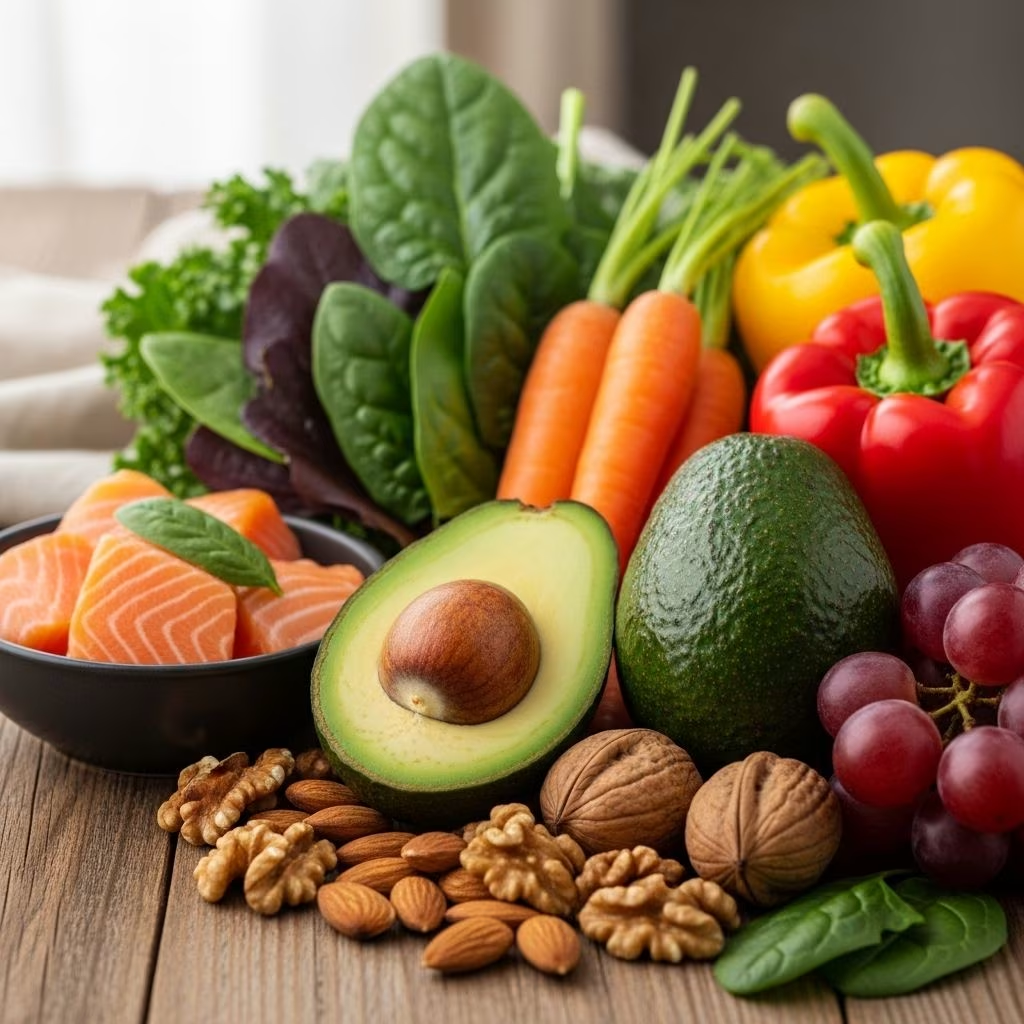
- Leafy greens: spinach, kale, silverbeet (lutein, zeaxanthin)
- Oily fish: salmon, sardines, mackerel, trout (omega-3s)
- Eggs: contain lutein and zeaxanthin
- Nuts and legumes: zinc, vitamin E, selenium
- Whole grains: low GI, fiber
- Colorful fruits: blueberries, oranges, strawberries (vitamin C, antioxidants)
- Pumpkin, corn, peas: additional plant carotenoids
Foods and Habits to Limit
- High GI carbohydrates: white bread, white rice, sweets
- Red and processed meats: linked to higher AMD risk
- Smoking: dramatically increases AMD risk; quitting provides immediate eye health benefits
- Excessive alcohol, saturated fats, sugary drinks
Sample Meal Plan for Dry AMD Prevention
Building your meals around eye-friendly foods can support your macular health:
| Meal | Foods | Key Nutrients |
|---|---|---|
| Breakfast | Spinach and egg omelette; wholegrain toast; orange slices | Lutein, zeaxanthin, vitamin C, low GI carbs |
| Lunch | Grilled salmon salad with kale, pumpkin, and walnuts | Omega-3s, lutein, zeaxanthin, vitamin E, zinc |
| Snack | Berries and Brazil nuts | Vitamin C, selenium |
| Dinner | Chicken and vegetable stir-fry with brown rice | Low GI carbs, protein, vitamins |
| Optional Supplement | AREDS2 multivitamin, if prescribed | Protective antioxidants, zinc, copper |
Extra Tips for Maximizing Nutritional Impact
- Variety is key: Rotate different vegetables, fruits, fish, and nuts to ensure broad nutrient coverage.
- Cooking techniques: Lightly steam or sauté vegetables to preserve antioxidants; avoid deep frying.
- Balance: Combine supplements with a rich diet, not as replacements unless clinically indicated.
- Monitor serving sizes: Excess calories from any source may lead to obesity, which can worsen AMD risk.
- Stay hydrated and limit added sugars.
Lifestyle Factors that Influence AMD Progression
- No smoking: Smoking remains the greatest modifiable AMD risk factor.
- Regular physical activity: Supports metabolic and vascular health essential for good eye perfusion.
- Manage blood pressure and cholesterol: Both are linked to eye vessel integrity.
- Sun protection: Wear sunglasses outdoors to protect eyes from UV stress.
Frequently Asked Questions (FAQs) About Dry AMD Nutrition
Q: Can diet alone prevent dry AMD?
A: No diet guarantees prevention, but a balanced, Mediterranean-style diet rich in plant antioxidants and omega-3 fatty acids significantly lowers risk and slows progression for many individuals .
Q: Should I take AREDS2 supplements if I already eat a healthy diet?
A: Individuals diagnosed with dry AMD or at high risk may benefit from AREDS2 supplements conjointly with a nutrient-rich diet. Consultation with your ophthalmologist is advised to optimize dosage and avoid interactions .
Q: Are omega-3 supplements necessary?
A: Eating fatty fish is preferable; the largest clinical trials do not currently support significant benefit of omega-3 supplements alone in slowing AMD, but they may be advised if dietary intake is inadequate .
Q: How often should I eat leafy greens and fish?
A: Aim for leafy greens several times per week and fatty fish at least two times per week to maximize protective nutrients for your eyes .
Q: Are all multivitamins suitable for AMD?
A: No, only formulas with proven doses from the AREDS2 study should be considered for slowing AMD. Standard multivitamins do not provide the same benefit profile .
When to Consult Your Healthcare Provider
- If you have been diagnosed with dry AMD, ask your eye care professional about tailored dietary and supplement recommendations.
- If you experience sudden changes in vision, new symptoms, or have concerns about potential nutrient-drug interactions.
- Discuss lifestyle changes and routine screening schedules to monitor progression.
Summary: Nutritional Strategies for Dry AMD
For those living with or at risk of dry AMD, the combination of a vegetable-rich, Mediterranean dietary pattern and clinically validated supplements like AREDS2 offers the strongest evidence for slowing progression and protecting your vision. Smoking cessation and consistent management of general health further bolster these nutritional strategies. Consult with your ophthalmologist to personalize your approach and maximize long-term outcomes.
References
- https://www.healthline.com/health-news/daily-supplements-slow-dry-form-of-macular-degeneration
- https://pmc.ncbi.nlm.nih.gov/articles/PMC5244028/
- https://www.mdfoundation.com.au/about-macular-disease/age-related-macular-degeneration/nutrition-for-amd/
- https://www.medicalnewstoday.com/articles/macular-degeneration-foods-to-avoid
- https://www.mayoclinic.org/diseases-conditions/dry-macular-degeneration/symptoms-causes/syc-20350375
- https://www.healthline.com/health/video/9-healthy-nuts
- https://en.wikipedia.org/wiki/Healthline
- https://pmc.ncbi.nlm.nih.gov/articles/PMC6523787/
- https://visionscienceacademy.org/importance-of-nutrition-for-the-eye-health/