Glaucoma Prevention: Practical Tips for Protecting Your Eyes
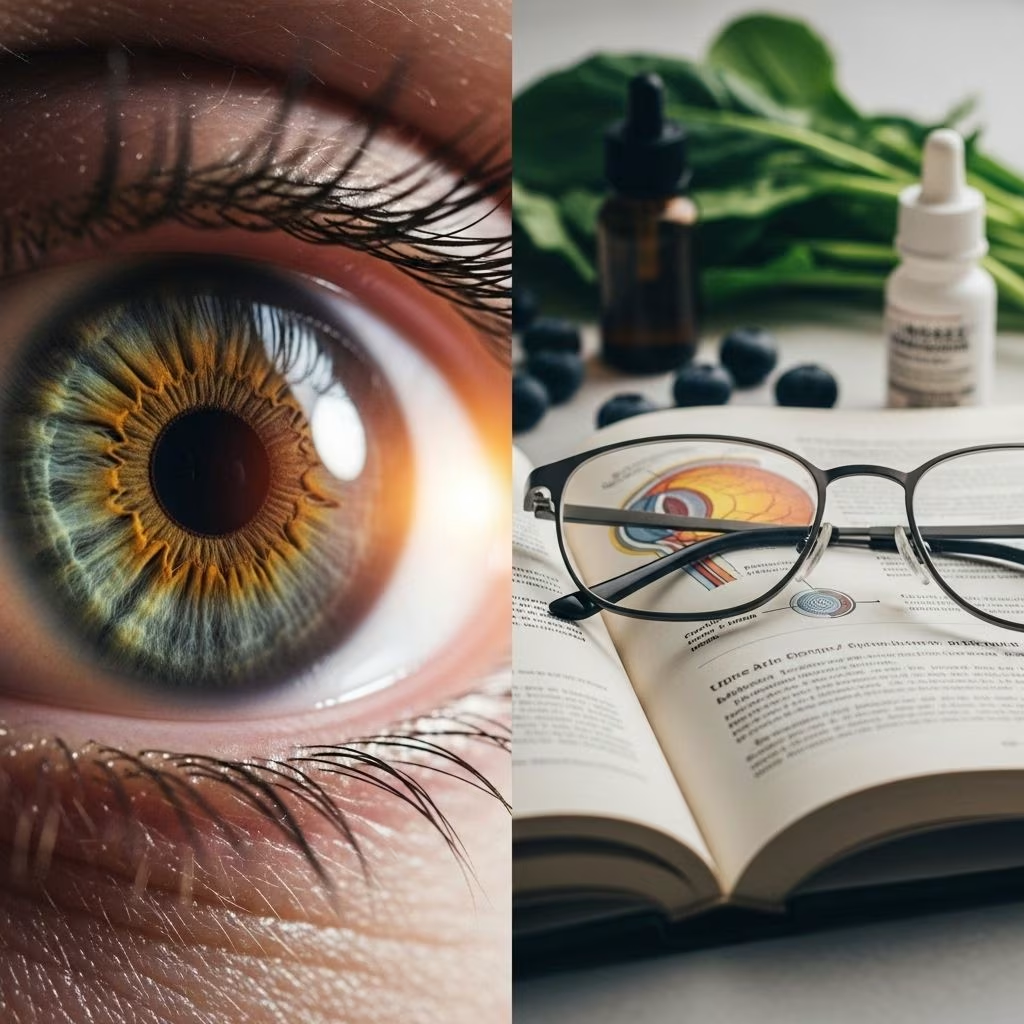
Glaucoma is a leading cause of irreversible blindness globally. While it cannot be entirely prevented, certain steps and lifestyle practices can help lower your risk and significantly slow its progression. This comprehensive guide explores how early diagnosis, healthy habits, nutritional choices, and regular eye exams together make a critical difference in safeguarding your vision for years to come.
Understanding Glaucoma: Why Prevention Matters
Glaucoma is a group of eye disorders that cause damage to the optic nerve, often due to increased intraocular pressure (IOP). This damage is permanent and, if left untreated, can lead to significant vision loss or blindness. Since vision loss from glaucoma is typically gradual and painless, many people are unaware they have the disease until considerable damage has occurred. That’s why preventive strategies and routine eye checks are essential.
Why Regular Eye Examinations Are Essential
The single most effective method for preventing significant vision loss from glaucoma is early and consistent detection through comprehensive eye exams. Glaucoma often shows no symptoms until late stages, making routine screening especially critical for high-risk individuals.
- Before age 40: Every two to four years
- Ages 40 to 54: Every one to three years
- Ages 55 to 64: Every one to two years
- After age 65: Every six to 12 months
Those with certain risk factors—such as a family history of glaucoma, African or Hispanic ancestry, or diabetes—should begin screening earlier and may need more frequent monitoring.
Comprehensive Dilated Eye Exam
During this exam, your eye care provider will:
- Measure intraocular pressure (IOP)
- Assess your optic nerve for signs of damage
- Examine your visual fields for blind spots
- Check the angle where the iris meets the cornea (to distinguish open-angle from angle-closure glaucoma)
Who Is at Higher Risk for Glaucoma?
- Individuals with a family history of glaucoma
- People of African, Asian, or Hispanic descent
- Adults over age 40 (risk increases with age)
- Diabetics and those with cardiovascular disease
- People with high eye pressure or past eye injuries
- Those who use corticosteroid medications for long periods
If you fall into any of these groups, talk to your eye doctor about the best screening schedule for you.
Lifestyle Steps to Help Prevent Vision Loss
Although glaucoma itself cannot always be prevented, healthy lifestyle habits can lower your risk of developing it or losing vision if you already have the disease. Consider integrating the following strategies into your everyday routine:
- Maintain Healthy Blood Pressure: High or fluctuating blood pressure may contribute to optic nerve damage. Work with your healthcare provider to keep levels in a healthy range.
- Exercise Regularly: Moderate aerobic exercise such as walking, jogging, and swimming can help lower intraocular pressure and support circulation to the optic nerve. Always consult your eye doctor before starting any new exercise program, and avoid exercises that may elevate eye pressure, such as those involving inverted positions.
- Manage Chronic Health Conditions: Effectively control diabetes, hypertension, and cardiovascular disease, as these conditions can increase glaucoma risk and severity.
- Stay Hydrated—But Gradually: Drink water in small amounts throughout the day rather than consuming large volumes at once, which could temporarily raise eye pressure.
- Wear Eye Protection: Prevent trauma or injury by wearing protective eyewear during sports, home repairs, or any activities with risk to the eyes.
- Protect Against UV Exposure: Wearing sunglasses that block UVA and UVB rays, plus a wide-brimmed hat when outdoors, may reduce the risk of certain rare forms of glaucoma.
- Comply with Medications: If you have been prescribed eye drops or other treatments for high eye pressure or glaucoma, use them consistently and as directed.
Smart Nutrition for Eye Health and Glaucoma Risk
While there is no specific “glaucoma prevention diet,” research suggests that a balanced, nutrient-rich diet supports optimal eye health and may help lower glaucoma risk, especially in high-risk individuals. The following foods and nutrients are especially beneficial:
Leafy Greens and Colorful Vegetables
Rich in antioxidants and nitrates, leafy greens such as kale, collards, and spinach may help lower glaucoma risk and improve eye health. Studies show that people who eat greens regularly may experience a 20–30% reduction in risk for glaucoma development. Antioxidants help fight damage from free radicals that can harm optic nerve cells.
- Spinach, kale, and collard greens
- Carrots, bell peppers, and broccoli
- Sweet potatoes and squash
Fruits and Berries
Fruits high in vitamin C, such as oranges, strawberries, and kiwis, provide antioxidants that support overall eye health. Blueberries and blackberries are particularly potent because of their high polyphenol content.
Nuts, Seeds, and Omega-3 Fatty Acids
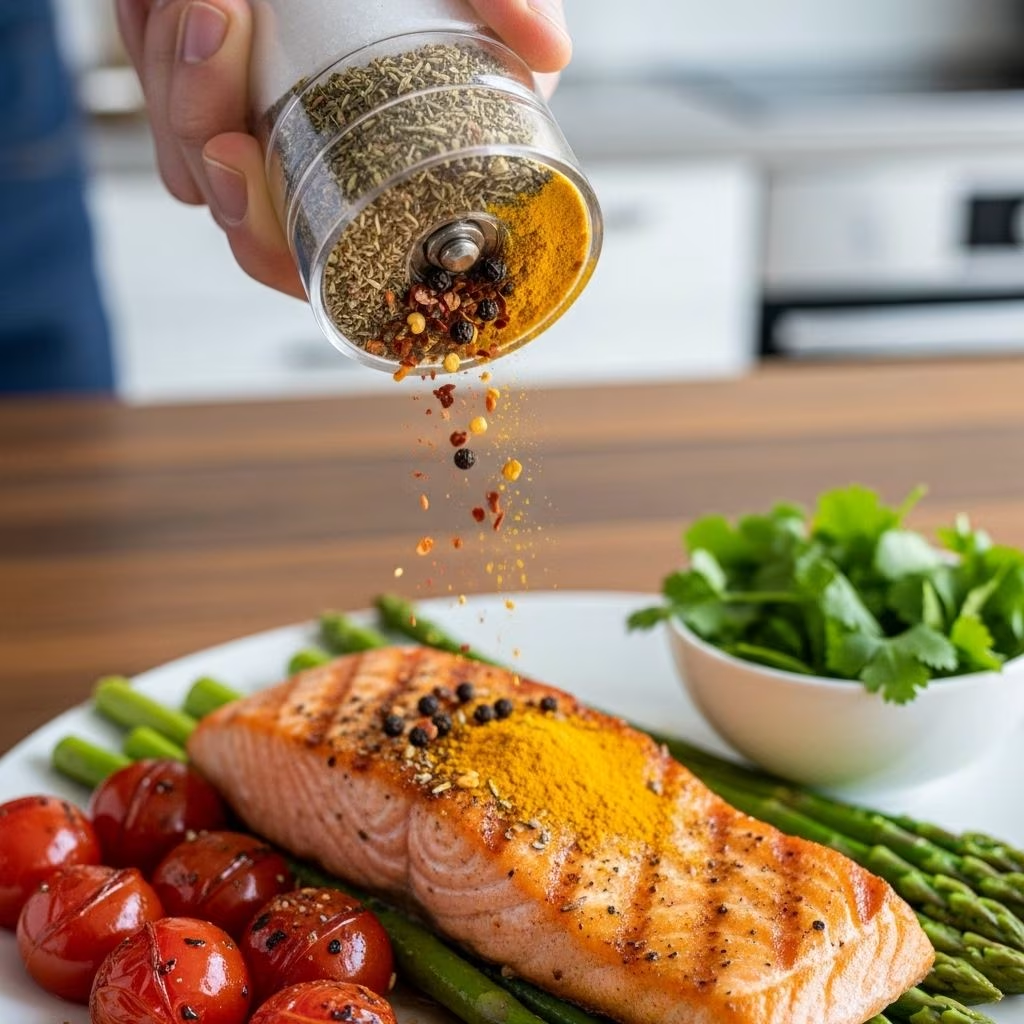
Nuts (especially almonds, walnuts, and hazelnuts) and seeds (flax, chia, sunflower) are high in vitamin E and healthy fats, offering protection for retinal cells. Omega-3-rich foods like salmon, sardines, and tuna, as well as plant sources like flaxseeds and walnuts, may reduce intraocular pressure and promote healthy blood flow to the optic nerve.
Herbs, Spices, and Tea
- Green tea: Contains polyphenols and catechins that may benefit eye health and reduce oxidative stress.
- Saffron and turmeric (curcumin): Early studies show antioxidant and anti-inflammatory properties that could help protect nerve cells.
Magnesium
Foods such as bananas, avocados, pumpkin seeds, and black beans provide magnesium, which may help optimize blood flow to the eyes and protect retinal cells.
What to Limit or Avoid
While many foods are beneficial, some may increase glaucoma risk or exacerbate high eye pressure, especially in susceptible individuals. Consider minimizing:
- Caffeinated beverages: Excessive caffeine can raise eye pressure, so limit coffee, energy drinks, and some teas.
- Saturated fats, excessive salt, and processed sugars: These can negatively affect cardiovascular health, which in turn may impact the eyes.
- Highly refined carbohydrates: Found in white bread, pastries, candies, and soda, these foods can spike blood sugar and lead to vascular damage over time.
Key Prevention Tips for Everyone
Combine these expert-backed habits and dietary strategies to lower your risk and support long-term visual health:
- Schedule regular, comprehensive eye exams—even if you have no symptoms.
- Share your family eye history with loved ones and encourage relatives to get screened.
- Eat a rainbow of colorful fruits, leafy greens, fish, and whole grains.
- Maintain an active lifestyle and manage body weight.
- Protect your eyes from injury and UV light.
- Take medications as prescribed and follow up with your eye doctor as recommended.
Treatment Approaches When Glaucoma Is Detected
If you are diagnosed with glaucoma or have high intraocular pressure, early intervention is key to preventing vision loss. Evidence-based treatments include:
- Prescription eye drops: Lower eye pressure and protect the optic nerve.
- Oral medications: Sometimes prescribed if eye drops are insufficient.
- Laser therapy: Can help decrease IOP, especially in open-angle glaucoma.
- Surgical procedures: Reserved for cases where other methods do not adequately control eye pressure.
Lifelong management and close collaboration with your eye care provider are essential, as vision loss from glaucoma is not reversible but further progression can often be halted with proper treatment.
Foods and Nutrients: At-a-Glance Table
| Food/Nutrient | Potential Benefits | Recommended Choices |
|---|---|---|
| Leafy Greens | Lower risk of glaucoma, high in antioxidants and nitrates | Kale, spinach, collards |
| Fruits (Vitamin C) | Support overall eye health, antioxidants | Oranges, kiwifruit, berries |
| Omega-3 Fatty Acids | May reduce eye pressure, support nerve health | Salmon, sardines, flaxseed, walnuts |
| Magnesium | Enhances blood flow to eyes | Bananas, avocados, black beans |
| Tea (Polyphenols) | Antioxidant properties, may lower IOP | Green tea, black tea |
| Vitamin E | Protects retinal tissues | Almonds, sunflower seeds, hazelnuts |
Frequently Asked Questions (FAQs)
Can glaucoma be completely prevented?
While glaucoma cannot be entirely prevented, early detection through regular eye exams and effective management of risk factors (like blood pressure and diabetes) are the best ways to avoid vision loss.
Are there any early symptoms to watch for?
Most forms of glaucoma develop slowly and painlessly, showing no symptoms until vision loss has occurred. Open-angle glaucoma, the most common type, often reduces peripheral (side) vision first.
What causes glaucoma to worsen?
Elevated eye pressure (IOP) is a major risk factor, but even those with “normal” IOP can develop glaucoma. Additional causes of worsening include skipping medications, uncontrolled blood pressure or diabetes, and eye injuries. Diets high in caffeine, salt, or sugar may potentially elevate risk for some.
What are the best foods to eat to help lower glaucoma risk?
A diet abundant in leafy green vegetables, fruits (especially berries and citrus), nuts, oily fish, and tea may support eye health and lower glaucoma risk. Magnesium-rich foods and antioxidants are particularly beneficial.
Should I avoid coffee if I have or am at risk for glaucoma?
Drinking moderate amounts of coffee is generally safe for most people, but in high-risk individuals or those already diagnosed, excess caffeine may temporarily raise eye pressure. Limit to one cup per day or choose other beverages if advised by your doctor.
How does family history impact my glaucoma risk?
Having a parent or sibling with glaucoma significantly increases your chances of developing it. Sharing this information with your eye doctor ensures you receive more frequent and targeted screening.
Summary and Key Takeaways
- Regular, comprehensive eye exams are crucial for early detection and preserving vision.
- Managing health conditions such as high blood pressure and diabetes can help lower risk.
- Eating a nutrient-rich diet with greens, fruits, fish, and nuts supports eye health.
- Healthy daily habits—including exercise, hydration, and UV protection—play a vital role.
- Prompt treatment when glaucoma is detected is vital to prevent irreversible vision loss.
Prioritize your eye health with these research-backed approaches, and consult with your eye care professional for guidance tailored to your unique risk profile.
References
- https://glaucoma.org/understanding-glaucoma/prevention
- https://www.healthline.com/health/glaucoma
- https://www.medicalnewstoday.com/articles/foods-to-avoid-if-you-have-glaucoma
- https://glaucoma.org/articles/nutrition-and-glaucoma
- https://californiahealthline.org/news/article/eye-health-glaucoma-asking-never-hurts/
- https://www.nei.nih.gov/learn-about-eye-health/eye-conditions-and-diseases/glaucoma
- https://www.mayoclinic.org/diseases-conditions/glaucoma/diagnosis-treatment/drc-20372846