Triple vessel coronary artery disease (CAD) is a critical form of heart disease that affects all three major coronary arteries responsible for supplying blood to the heart muscle. Left untreated, it greatly increases the risk of serious complications such as heart attack and stroke. This comprehensive guide explores what triple vessel coronary artery disease is, its symptoms, what causes it, who is at risk, how it is diagnosed, and current management strategies.
What Is Triple Vessel Coronary Artery Disease?
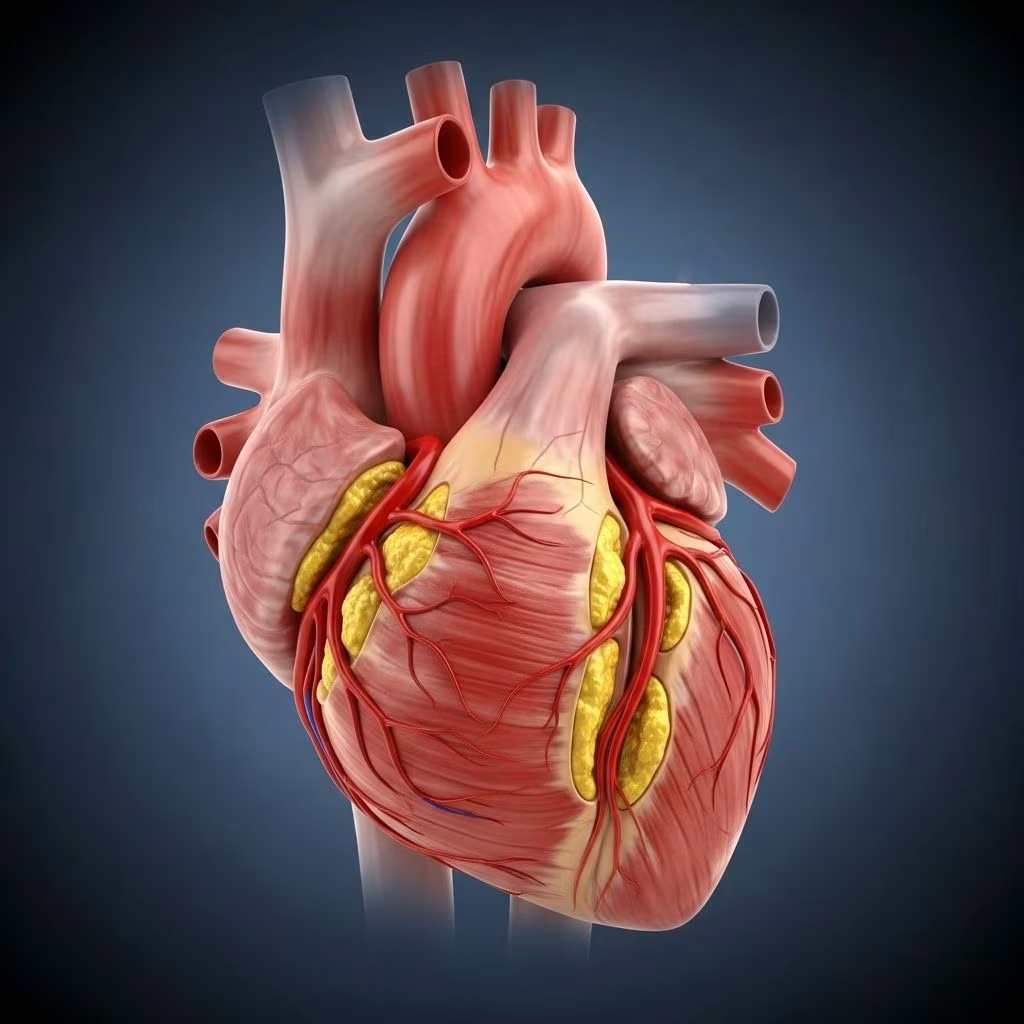
Triple vessel coronary artery disease occurs when all three main coronary arteries—the left anterior descending, left circumflex, and right coronary artery—develop significant blockages or narrowing due to plaques. These plaques consist of cholesterol, fats, and other cellular debris that accumulate within the artery walls, causing a condition called atherosclerosis. When blood supply is restricted in all three arteries, the heart muscle does not receive sufficient oxygen and nutrients, leading to symptoms and complications often more severe than single or double vessel disease.
Symptoms of Triple Vessel Coronary Artery Disease
The symptoms of triple vessel CAD are similar to those seen in general coronary artery disease but can be more pronounced due to the widespread nature of the blockages. Symptoms can vary in intensity and frequency. Not everyone experiences every symptom listed below, but recognition of these symptoms is crucial for timely medical care.
- Chest pain (angina): Discomfort, tightness, or pressure in the chest, which may radiate to the shoulders, arms, neck, back, or jaw.
- Shortness of breath: Difficulty breathing, especially during exertion or physical activity.
- Fatigue: Unusual tiredness that does not resolve with rest.
- Confusion: Especially in older adults, the brain may not receive enough oxygen-rich blood, leading to impaired thinking.
- Rapid or irregular heartbeat: Palpitations or fluttering sensations in the chest.
- Nausea and vomiting: Sometimes mistaken for gastrointestinal problems.
- Heartburn or choking feeling: Burning in the chest or sensation of food stuck in the throat.
- Dizziness or light-headedness: Feeling faint or about to pass out.
- Pain and discomfort in other areas: Such as the back, neck, arms, shoulders, or jaw.
It is important to note that some people, especially women, older adults, and those with diabetes, may have atypical or subtler symptoms. In severe cases, the first sign may be a heart attack.
Causes and Risk Factors of Triple Vessel Disease
The underlying cause of triple vessel CAD is atherosclerosis, the progressive narrowing and hardening of the arteries due to plaque buildup. Several factors contribute to the development of atherosclerosis, and many may be present simultaneously, further increasing risk.
Main Causes
- High blood pressure (hypertension): Constant pressure damages the arterial lining, speeding up plaque formation.
- High cholesterol: Elevated levels of LDL (“bad”) cholesterol and triglycerides promote plaque buildup.
- Poor diet: Diets high in saturated fat, trans fat, cholesterol, and excessive sodium or sugar.
- Smoking: Damages blood vessels and accelerates the atherosclerosis process.
- Obesity: Increases strain on the heart and is linked to risk factors like hypertension and diabetes.
- Diabetes and insulin resistance: High blood sugar damages blood vessels.
- Lack of physical activity: A sedentary lifestyle contributes to weight gain and risk factors above.
Additional Risk Factors
- Family history: Having close relatives with heart disease raises risk.
- Age: Risk increases as people get older, especially after age 65.
- Sex: Men are at higher risk at a younger age, but risk rises for women after menopause.
- Chronic stress: Prolonged stress may contribute to unhealthy behaviors and directly affect heart health.
- Certain medical conditions: Such as chronic kidney disease, sleep apnea, and inflammatory diseases.
Plaque Formation and Progression
In triple vessel disease, plaques build up over many years, often starting with a minor injury to the artery lining. Over time, these plaques narrow the arteries, reduce flexibility, and may rupture. Plaque rupture can trigger blood clots, which may further restrict blood flow or cause a heart attack (myocardial infarction).
How Is Triple Vessel Coronary Artery Disease Diagnosed?
Early and accurate diagnosis of triple vessel CAD is essential for timely intervention. Several diagnostic tools may be used in combination, depending on symptoms and risk profile.
- Electrocardiogram (ECG or EKG): Measures the electrical activity of the heart, looking for signs of reduced blood supply or prior heart attacks.
- Holter monitor: A portable ECG device worn for 24–48 hours to detect irregular heart rhythms during normal daily activities.
- Echocardiogram: An ultrasound to visualize heart structure and function, assesses heart muscle movement, and detects areas with poor blood flow.
- Stress testing: Evaluates heart function during physical exertion, using a treadmill or medications that mimic exercise. Often combined with imaging.
- Cardiac catheterization and coronary angiogram: Invasive test where a thin tube (catheter) is threaded into the coronary arteries, and contrast dye is injected to visualize blockages using X-rays.
- CT coronary angiogram: A noninvasive imaging test that detects calcium buildup and visualizes blood flow through the coronary arteries.
- Blood tests: To check for markers of heart muscle damage, cholesterol, blood sugar, and functions of other organs.
| Test | Purpose | Key Insights |
|---|---|---|
| Electrocardiogram (ECG/EKG) | Detects abnormal heart rhythms, signs of heart strain or previous heart attacks | Noninvasive, quick, helps rule in/out acute events |
| Stress Test | Measures how the heart performs under stress (exercise or medication) | Can show areas of reduced blood flow |
| Cardiac Catheterization (Angiogram) | Visualizes blockages in the coronary arteries | Directly measures the severity and extent of disease |
| Echocardiogram | Provides images of heart valves, chambers, and function | Detects wall motion abnormalities from reduced blood supply |
| CT Angiogram | Noninvasive imaging to detect calcifications and blockages | Useful for patients at moderate risk or inconclusive tests |
Treatment and Management of Triple Vessel Disease
Treating triple vessel CAD requires a comprehensive approach involving lifestyle changes, medications, and sometimes surgical procedures. The best treatment plan is individualized, factoring in the severity of blockage, symptoms, other health conditions, age, and personal preferences.
Lifestyle Modifications
- Healthy diet: Emphasize fruits, vegetables, whole grains, lean proteins, and healthy fats. Reduce saturated fat, trans fat, sodium, and added sugars.
- Regular exercise: Aim for at least 150 minutes of moderate-intensity aerobic activity per week (as advised by your doctor).
- Quit smoking: Eliminates a significant source of cardiovascular risk and improves treatment outcomes.
- Weight management: Achieving a healthy body weight lowers strain on the heart.
- Blood pressure and diabetes control: Follow medical advice to keep these conditions managed.
- Limit alcohol: Drink in moderation, if at all.
Medications
Several classes of medications can help manage symptoms, prevent disease progression, and reduce the risk of complications:
- Statins: Lower LDL cholesterol to slow or reverse plaque buildup.
- Antiplatelet drugs (aspirin, clopidogrel): Help prevent blood clots.
- Beta-blockers: Reduce heart rate and blood pressure, decreasing heart’s demand for oxygen.
- ACE inhibitors or ARBs: Help manage hypertension and reduce strain on the heart.
- Nitrates: Relieve chest pain by dilating blood vessels.
- Diuretics: Reduce excess fluid, lower blood pressure, and decrease workload on the heart.
- Blood sugar-lowering medicines: For those with diabetes.
Procedures and Surgical Options
When symptoms persist despite optimal medical management, or when blockages are severe, procedures may be necessary to restore blood flow to the heart muscle.
- Coronary artery bypass grafting (CABG): A surgical procedure that uses a healthy blood vessel from another part of the body to reroute blood around blocked arteries. CABG is often the preferred treatment for triple vessel disease, especially in cases with diabetes or poor left ventricular function.
- Percutaneous coronary intervention (PCI, angioplasty with stent): A less invasive procedure where a balloon is used to open a blocked artery, sometimes followed by the placement of a stent to keep it open. This is less commonly used as the main treatment for triple vessel disease, but may be considered in select cases.
Prognosis and Outlook
Triple vessel CAD is a serious, life-changing diagnosis, but outcomes can improve dramatically with appropriate therapy, lifestyle changes, and regular medical follow-up. Adherence to the treatment plan—whether surgical or medical—substantially reduces the risk of heart failure, recurrent angina, heart attack, and death. However, triple vessel disease remains associated with higher mortality and morbidity compared to single or double vessel CAD because so much of the heart’s blood supply is at risk.
- With early diagnosis and aggressive management, prognosis improves substantially.
- Risk of complications like heart attack, arrhythmias, or sudden cardiac death remains, especially if risk factors are not controlled.
- Heart-healthy habits are key to optimizing long-term outlook.
Living With Triple Vessel Coronary Artery Disease
Lifestyle plays a major role in the ongoing management of triple vessel disease. Consistent follow-up with healthcare providers, adhering to medication regimens, regular monitoring for symptoms, and commitment to heart-healthy behaviors can keep disease progression in check and enhance quality of life:
- Maintain a diet low in saturated fat and sodium, rich in vegetables, fruits, lean proteins, and whole grains.
- Exercise regularly as advised by your healthcare provider.
- Avoid tobacco and limit alcohol intake.
- Monitor and control blood pressure, cholesterol, and diabetes.
- Manage stress through mindfulness, relaxation techniques, and healthy sleep habits.
- Keep follow-up appointments and undergo recommended testing.
Frequently Asked Questions (FAQs)
What is triple vessel coronary artery disease?
Triple vessel CAD is a form of heart disease where all three major coronary arteries are significantly narrowed or blocked, leading to reduced blood flow and oxygen supply to the heart muscle.
How common is triple vessel disease?
It is estimated that 26–33% of people with heart disease will develop triple vessel disease at some point. This equates to roughly 1 in 8 men and 1 in 12 women during their lifetimes.
What causes triple vessel coronary artery disease?
The most common cause is atherosclerosis, where cholesterol, fats, and calcium build up within the arterial walls, narrowing or blocking them over time.
Who is at highest risk?
Individuals with high cholesterol, high blood pressure, diabetes, a family history of heart disease, obesity, sedentary lifestyle, or those who smoke are at highest risk.
Can the condition be prevented?
While you cannot change genetics or age, you can lower risk by quitting smoking, eating a heart-healthy diet, exercising regularly, managing blood pressure and blood sugar, and maintaining a healthy weight.
How is triple vessel disease diagnosed?
Diagnosis is through a combination of physical examination, patient history, blood tests, imaging studies (such as echocardiography, CT angiography), ECGs, stress tests, and the definitive test—cardiac catheterization and angiography.
What are the treatment options?
Treatment may include lifestyle changes, medications to control symptoms and risk factors, and procedures such as coronary artery bypass graft surgery or angioplasty with stenting as appropriate for the severity and individual patient factors.
What is the prognosis for someone with triple vessel disease?
With appropriate management, many people live active lives, but triple vessel disease carries a higher risk for heart attacks and other complications compared to less extensive forms of CAD.
Is surgery always necessary?
No. Some cases can be managed with medications and lifestyle changes, but surgery may be necessary—especially if blockages are severe, symptoms persist, or there is heart function impairment. Your healthcare provider will recommend the best individualized treatment plan.
Summary Table: Key Facts About Triple Vessel Disease
| Aspect | Detail |
|---|---|
| Definition | Blockage or narrowing of all three major coronary arteries |
| Main Symptoms | Chest pain, shortness of breath, fatigue, irregular heartbeat, dizziness |
| Main Cause | Atherosclerosis (plaque buildup) |
| Risk Factors | High cholesterol, hypertension, smoking, diabetes, obesity, family history, poor diet |
| Diagnosis | ECG/EKG, stress test, angiogram, echocardiogram, CT scan, blood tests |
| Treatments | Lifestyle changes, medications, coronary artery bypass surgery, angioplasty/stenting |
| Prognosis | Serious, but much improved with early and comprehensive treatment |
References
- https://www.healthline.com/health/heart-health/triple-vessel-coronary-artery-disease
- https://www.digirad.com/triple-vessel-disease-diagnosis-treatment/
- https://infinitycarehospital.com/triple-vessel-disease-understanding-heart-health/
- https://www.pennmedicine.org/conditions/coronary-artery-disease
- https://www.nhs.uk/conditions/coronary-heart-disease/
- https://www.mayoclinic.org/diseases-conditions/coronary-artery-disease/symptoms-causes/syc-20350613
- https://my.clevelandclinic.org/health/diseases/16898-coronary-artery-disease
- https://www.ncbi.nlm.nih.gov/books/NBK564304/
- https://www.mayoclinic.org/diseases-conditions/coronary-artery-disease/diagnosis-treatment/drc-20350619