What is Hairy Cell Leukemia-Variant (HCL-V)?
Hairy cell leukemia-variant (HCL-V) is a rare and distinct type of leukemia. Though closely related in name and presentation to classic hairy cell leukemia (HCL), HCL-V is now recognized as a separate, unique blood cancer. Both diseases disrupt the normal production and function of white blood cells, but they differ significantly in genetic features, clinical presentation, and response to treatment.
Leukemia is a group of cancers affecting the body’s blood-forming tissues, such as the bone marrow and lymphatic system. Normally, white blood cells defend the body against infections. In leukemia, these cells become abnormal or grow uncontrollably, interfering with their protective role. HCL-V specifically affects B cells—a subset of white blood cells—leading to problems like increased susceptibility to infections, low blood counts, and organ enlargement.
How does HCL-V differ from classic hairy cell leukemia?
- Distinct Entity: HCL-V was historically considered a subtype of HCL, but it is now accepted as an entirely distinct disease because of differences in cell morphology, immunophenotype, and genetic mutations (especially the absence of the BRAF V600E mutation common to HCL).
- Prevalence: HCL is already rare, accounting for roughly 2% of all leukemia cases; HCL-V is about ten times less common than classic HCL.
- Clinical Behavior: While both are chronic, HCL-V often progresses more rapidly than classic HCL and may require earlier or more aggressive intervention.
- Treatment Response: HCL-V typically responds differently to standard therapies used for classic HCL, emphasizing the need for accurate diagnosis and individualized care.
Causes and Risk Factors of Hairy Cell Leukemia-Variant
Like other leukemias, HCL-V’s cause involves abnormal changes in blood-forming stem cells—specifically, excess growth and faulty function of B lymphocytes. While the precise triggers for these genetic mutations remain unclear, several risk factors have been associated with chronic lymphocytic leukemias (CLLs), which include HCL-V.
How Blood and Immune Cell Production Goes Awry
- Stem Cells: In healthy people, bone marrow produces stem cells that eventually mature into myeloid (red cells, platelets, certain white cells) and lymphoid (T and B cells, and natural killer cells) lineages.
- Leukemic Change: In HCL-V, the B lymphocyte lineage is most affected, causing them to multiply abnormally and crowd out normal healthy blood cells.
Known and Inferred Risk Factors
- Being over age 50
- Contact with environmental toxins—such as radon or Agent Orange
- A first-degree relative diagnosed with CLL
- Being of North American or European descent
It is important to note that not everyone with these risk factors will develop HCL-V, and many people diagnosed with HCL-V have no identifiable risk.
Symptoms of Hairy Cell Leukemia-Variant
The symptoms of HCL-V are remarkably similar to those of classic HCL, largely because both affect the production and effectiveness of blood cells needed for everyday health. While the disease is chronic and may progress slowly in the initial stages, its symptoms can develop gradually or may not appear until advanced stages.
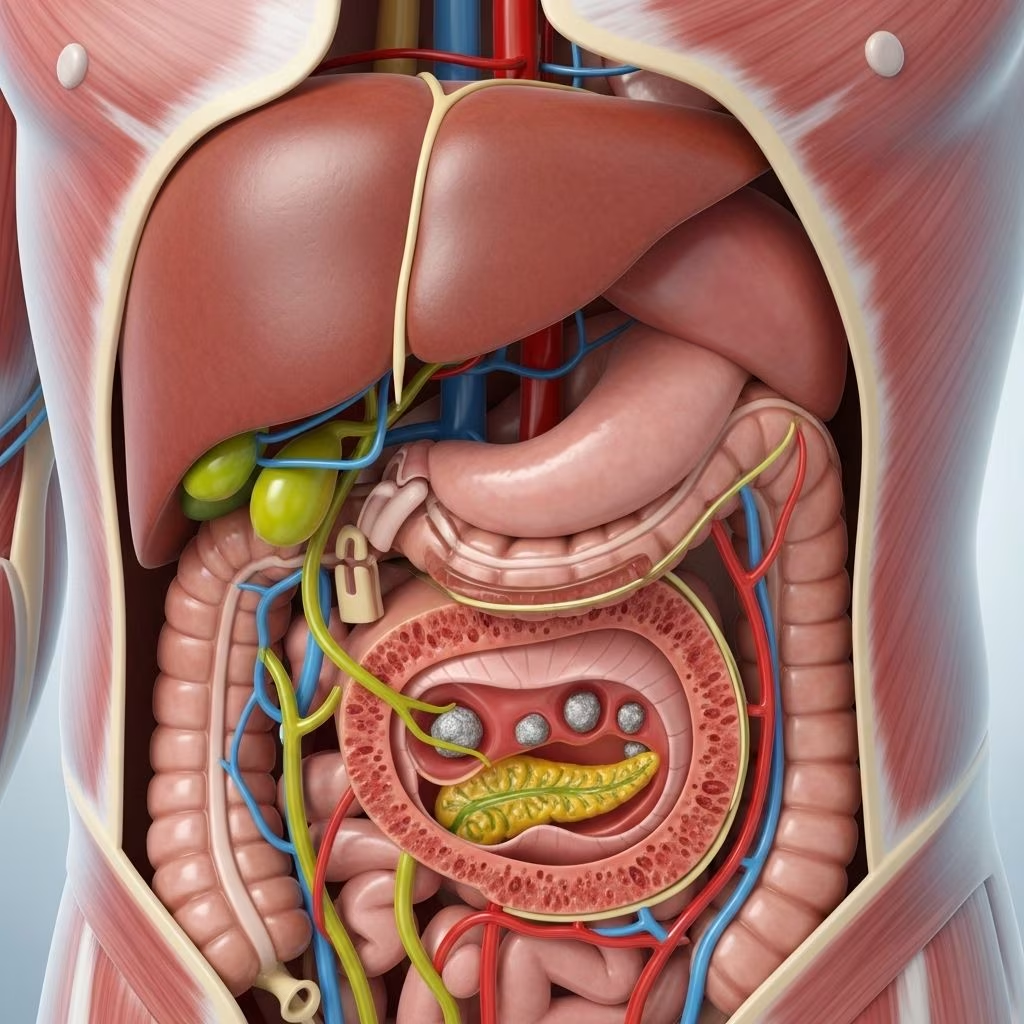
- Swollen abdomen—often due to an enlarged spleen (splenomegaly), which may also cause discomfort or a feeling of fullness after eating small meals
- Pain or fullness in the abdomen
- Persistent fatigue and weakness
- Easy bruising or bleeding
- Frequent infections—resulting from impaired immunity
- Shortness of breath or reduced exercise stamina
These symptoms are not unique to HCL-V and can arise from a variety of illnesses. Persistent or worsening symptoms warrant evaluation by a healthcare professional, who can differentiate HCL-V from other possibilities, such as other leukemias, infections, or non-cancerous blood disorders.
Diagnosing Hairy Cell Leukemia-Variant
Given its rarity and similarity to classic HCL and other blood disorders, diagnosing HCL-V requires a thorough approach. Physicians may need multiple blood and bone marrow tests to confirm the diagnosis and rule out other causes.
Main Steps in Diagnosis
- Medical and Family History: The healthcare team will ask about symptoms, personal and family history of cancers, and any possible exposures to risk factors.
- Physical Examination: Checking for enlarged spleen, liver, or lymph nodes, and signs of anemia, bleeding, or infections.
- Blood Tests:
- Complete blood count (CBC) to look for low levels of red blood cells, platelets, and neutrophils, along with abnormal white cells.
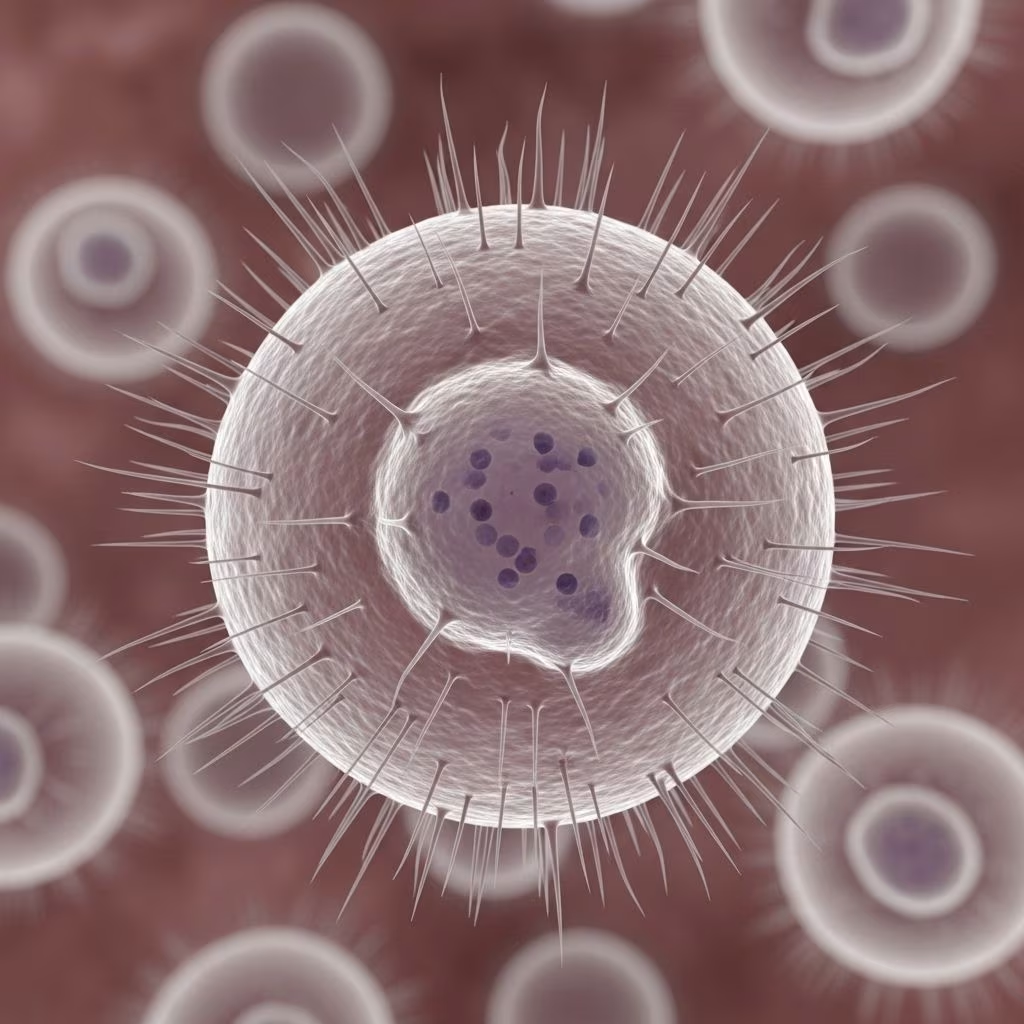
- Peripheral blood smear—microscopic analysis looking for the characteristic “hairy” appearance of cancerous lymphocytes.
- Bone Marrow Biopsy: Extracting a small sample for examination, which helps identify leukemic cells, infiltration patterns, and degree of marrow damage.
- Immunophenotyping: Special laboratory techniques label cells for unique markers, helping distinguish HCL-V from classic HCL and other leukemias.
- Molecular Genetic Testing: Identifies genetic mutations. The BRAF V600E mutation is common in classic HCL, but notably absent in HCL-V.
Diagnosis can be challenging due to significant overlap with other chronic lymphoid disorders. Careful laboratory and genetic studies are essential for accuracy.
Treatment Options for Hairy Cell Leukemia-Variant
Unlike classic HCL, which often responds well to specific chemotherapies, HCL-V does not usually respond to standard first-line treatments as reliably. Managing HCL-V often requires a more individualized and sometimes aggressive approach, considering both the disease’s characteristics and the patient’s overall health.
Common Treatment Approaches
- Chemotherapy: While classic hairy cell leukemia is typically treated with nucleoside analogs (cladribine or pentostatin), these are often less effective in HCL-V. Still, chemotherapy can sometimes be used, often in combination with other agents.
- Monoclonal Antibodies: Anti-CD20 antibodies, especially rituximab, are often used either alone or in combination with chemotherapy.
- Immunotherapy: In select cases, newer immunotherapies may be considered, sometimes in clinical trial settings.
- Supportive Care:
- Treatments for anemia, infection, and bleeding.
- Transfusions, antibiotics, or growth factors as needed.
- Splenectomy: Surgical removal of the spleen may be considered if the spleen is greatly enlarged and causing significant symptoms or complications.
Because HCL-V is so rare, there is no single standard treatment protocol, and patients with HCL-V are often encouraged to consider participation in clinical trials for access to investigational therapies and to help improve the understanding of best care strategies.
What to Expect When Starting Treatment
Discuss any potential side effects and goals of each treatment option with your healthcare provider. Monitoring is ongoing and includes regular blood tests, bone marrow exams, and assessment for new or worsening symptoms.
Outlook and Prognosis for HCL-V
The overall outlook for people diagnosed with HCL-V varies widely and is less favorable than for those with classic HCL. HCL-V tends to be more aggressive and less responsive to standard therapies, but successful management and prolonged remissions are still possible, especially with tailored approaches. Several factors influence prognosis:
- Disease Stage at Diagnosis: Earlier detection and intervention can increase the likelihood of better outcomes.
- Response to Therapy: Some patients achieve durable remissions, particularly if the disease is caught before the development of significant organ damage or symptoms.
- Age and General Health: Younger and otherwise healthier patients tend to tolerate treatment better and have improved survival rates.
- Access to Newer Treatments: Participation in clinical trials and use of novel agents can be especially impactful for such a rare disease.
As with other rare cancers, close coordination with a hematologist or an oncologist specializing in blood cancers is essential for optimal management.
Coping with an HCL-V Diagnosis
Receiving a diagnosis of any rare cancer can be emotionally overwhelming and confusing. Support is available, and a combination of education, practical assistance, and emotional care is critical for both patients and families. Here are several strategies and support options commonly recommended:
- Education: Learn as much as you can about HCL-V from reputable sources to make informed decisions.
- Communication: Maintain open discussions with your healthcare team and loved ones regarding your condition, treatment options, and concerns.
- Support Networks: Consider seeking counseling, joining patient support groups (in-person or online), and connecting with others experiencing similar challenges.
- Healthy Living: Focus on a balanced diet, regular physical activity as tolerated, and adequate sleep to support your physical and mental health throughout treatment.
- Monitor Symptoms: Promptly report new or worsening symptoms to your care team for timely intervention.
Frequently Asked Questions (FAQs)
Q: How common is hairy cell leukemia-variant?
A: HCL-V is extremely rare—roughly one-tenth as common as classic hairy cell leukemia, which is itself a rare blood cancer.
Q: What is the difference between classic HCL and HCL-V?
A: The main differences are in their genetic profiles, aggressiveness, and response to therapy. The BRAF V600E mutation, which is almost always found in classic HCL, is absent in HCL-V. HCL-V usually progresses faster and is often less responsive to frontline therapies used for classic HCL.
Q: Is HCL-V hereditary or preventable?
A: There is no clear evidence that HCL-V is directly inherited or preventable. However, having a first-degree relative with certain types of leukemia may slightly increase risk, and some environmental exposures have also been linked to increased risk.
Q: What is the outlook for someone diagnosed with HCL-V?
A: The outlook for HCL-V is more guarded than for classic HCL due to its relative resistance to standard therapies and more frequent aggressive progression, but individual outcomes vary widely. Personalized therapy and access to clinical trial options can improve long-term survival.
Q: Where can patients find more support and information?
A: Working closely with hematologists experienced in rare blood cancers, seeking out patient advocacy groups, and considering participation in clinical trials are important. Reputable organizations such as the Leukemia & Lymphoma Society and national cancer centers offer up-to-date information and practical support.
Summary
Hairy cell leukemia-variant is a very rare but important type of chronic lymphocytic leukemia. Though its symptoms can resemble those of classic HCL, HCL-V differs significantly in its genetic characteristics, typical clinical course, and response to treatment. Because of its rarity and its challenges in management, patients benefit most from care guided by experienced hematologists and up-to-date research. Early diagnosis, personalized treatment, informed support, and consistent medical follow-up can all help to optimize quality of life and medical outcomes for people facing HCL-V.
References
- https://www.healthline.com/health/leukemia/hairy-cell-leukemia-variant
- https://pmc.ncbi.nlm.nih.gov/articles/PMC11177658/
- https://pmc.ncbi.nlm.nih.gov/articles/PMC11394659/
- https://www.uofmhealthsparrow.org/departments-conditions/conditions/hairy-cell-leukemia
- https://www.mayoclinic.org/diseases-conditions/hairy-cell-leukemia/symptoms-causes/syc-20372956
- https://www.hairycellleukemia.org/hairy-cell-leukemia
- https://my.clevelandclinic.org/health/diseases/23177-hairy-cell-leukemia
- https://rarediseases.org/mondo-disease/hairy-cell-leukemia-variant/
- https://www.cancerresearchuk.org/about-cancer/hairy-cell-leukaemia