Nucleated red blood cells (NRBCs) are an essential indicator of bone marrow activity and overall health. While they naturally appear in newborns, their presence in adults is rare and can signal serious medical conditions. This article explains what an NRBC blood test measures, why it might be ordered, causes and implications of NRBCs in your bloodstream, and what to expect from your results and follow-up care.
What Are Nucleated Red Blood Cells (NRBCs)?
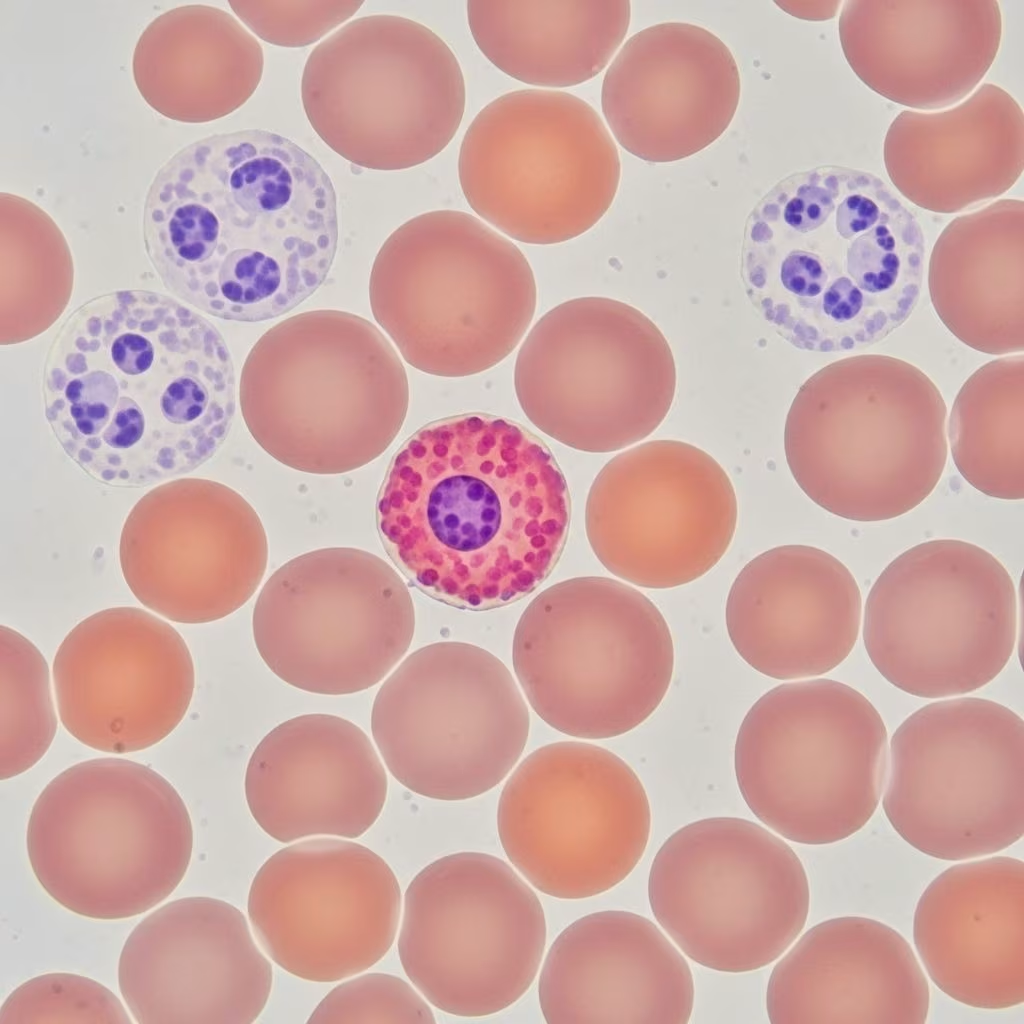
Nucleated red blood cells (NRBCs) are immature forms of red blood cells (RBCs) that still contain a nucleus. In normal adult physiology, red blood cells lose their nucleus in the bone marrow before entering the bloodstream. This process enables RBCs to maximize their surface area for oxygen transport and makes mature red blood cells flexible for navigating small capillaries.
- In healthy adults, NRBCs are not present in the circulating blood under normal circumstances.
- In newborns, NRBCs are present at birth but typically disappear within the first few weeks of life as the bone marrow matures and erythropoiesis stabilizes.
The optimal NRBC count in adult peripheral blood is zero—any detected NRBCs are considered abnormal and trigger further investigation.
Why Might I Need an NRBC Blood Test?
An NRBC blood test is usually conducted as a supplemental assessment when clinical symptoms or other laboratory findings suggest a potential disruption in red blood cell production, extensive blood loss, or marrow stress.
Doctors might order an NRBC test if you exhibit signs or symptoms such as:
- Unexplained anemia or severe fatigue
- Abnormal results from a complete blood count (CBC), especially when low mature red cell counts are detected
- Chronic or acute bleeding, or suspicion of rapid blood cell destruction (hemolysis)
- Serious illness, especially when admitted to an intensive care unit (ICU)
- Diagnosis or monitoring of hematological cancers, such as leukemia, or other blood disorders
NRBC testing is frequently used as a prognostic marker in hospital settings, such as in ICU patients, because studies have shown its association with increased mortality and poor outcomes in critical illnesses.
What the Medical Evidence Suggests
- A 2018 study found that NRBCs in the blood of adults with acute respiratory distress syndrome (ARDS) correlated with longer ICU stays and higher mortality.
- In 2023, a review of 800 critically ill patients found NRBC presence was an independent predictor of risk for poor outcomes, particularly death, in ICU populations.
How Blood Cells Are Made: The Role of the Bone Marrow
The process of blood cell formation, called hematopoiesis, occurs mainly in the bone marrow. Early-stage red blood cells, called erythroblasts, contain a nucleus. As they mature, they expel the nucleus, becoming reticulocytes (which still contain some residual RNA but no nucleus), and then finally develop into fully mature erythrocytes.
Under normal healthy conditions:
- NRBCs remain inside the bone marrow until they shed their nucleus.
- Only mature, non-nucleated red cells are released into the bloodstream.
When the body is under severe stress, such as intense bleeding, hypoxia, or certain malignancies, the bone marrow may prematurely release NRBCs into the peripheral blood. This compensatory release reflects the body’s attempt to meet increased demand for oxygen-carrying cells or replace lost/damaged red cells rapidly.
What Causes NRBCs to Appear in Adult Blood?
The presence of NRBCs in adult blood is always abnormal. There are several possible causes, ranging from life-threatening emergencies to chronic illnesses. Some commonly recognized causes include:
- Acute or chronic severe anemia – caused by blood loss or rapid destruction of red blood cells (hemolysis), leading the marrow to ramp up production and occasionally release immature cells.
- Cancers of the blood – especially leukemia and myelodysplastic syndromes, where the bone marrow is infiltrated or dysfunctional.
- Acute or chronic hypoxia – conditions where not enough oxygen is reaching bodily tissues, prompting stress hematopoiesis.
- Severe infections or sepsis – overwhelming infection can disrupt bone marrow barriers and stimulate emergency cell production.
- Congestive heart failure – leads to tissue hypoxia and increased erythropoietin production.
- Bone marrow disorders, such as myelofibrosis
- Other hematological diseases (e.g., thalassemia, myelodysplastic syndromes)
- Trauma – with associated substantial blood loss or tissue injury
| Condition | Association with NRBCs |
|---|---|
| Leukemia | Yes: Marker of bone marrow infiltration and dysfunction |
| Severe Anemia | Yes: Marrow releases immature cells to compensate for loss |
| Critical Illness (ICU) | Yes: Marker of adverse prognosis |
| Hypoxia (oxygen deprivation) | Yes: Provokes emergency erythropoiesis |
| Congestive Heart Failure | Yes: Causes tissue hypoxia |
| Thalassemia | Yes: Genetic blood disorder with chronic anemia |
Interpretation of NRBC Blood Test Results
If an NRBC blood test detects these cells in an adult’s blood sample, it is considered abnormal. Here’s how to interpret these findings in context:
- NRBC count of zero: Normal result for adults; no cause for concern.
- NRBC count low but detectable: Clinically significant — indicates bone marrow stress or disease. The doctor will order further tests to determine the specific cause.
- High NRBC count: Strong signal of critical illness or underlying hematological cancer, such as leukemia, or a response to acute hypoxia or severe anemia.
Additional Context
- NRBCs are counted as “nucleated red blood cells per 100 white blood cells” in a standard complete blood count (CBC) with differential.
- Even very low NRBC counts are significant in adults and prompt aggressive investigation.
- NRBC counts are combined with other blood markers (hemoglobin, reticulocyte count, platelets, white cells) to guide diagnosis and management.
NRBCs in Children and Newborns
The significance of NRBCs varies by age. Newborns naturally have detectable levels of NRBCs. This reflects a transition from fetal to postnatal hematopoiesis and usually resolves in the first weeks of life. However, elevated NRBCs in neonates may signal fetal or birth-related hypoxia or other complications.
In pediatric and neonatal care, NRBC levels are sometimes used as markers for the following:
- Severity and duration of hypoxic insults before or during birth
- Risk of neonatal mortality or complications such as retinopathy of prematurity (ROP) or necrotizing enterocolitis (NEC)
- Monitoring for leukemia or other serious hematologic disorders in children
NRBCs and Prognosis in Critical Illness
The appearance of NRBCs in the blood of hospitalized adults, especially ICU patients, is a well-recognized predictor of adverse outcomes. Research highlights the clinical importance of this finding:
- NRBCs may indicate ongoing, severe tissue hypoxia or systemic inflammation.
- Their presence independently predicts increased risk of death in trauma, sepsis, ARDS (acute respiratory distress syndrome), pancreatitis, and cardiac ICU settings.
- NRBC testing is simple and cost-effective, often adding prognostic value to traditional risk scoring systems used in critical care medicine.
What Happens During the NRBC Blood Test Procedure?
There is no special test called the NRBC blood test; instead, NRBC measurement is included as part of a complete blood count (CBC) with differential test. The procedure is straightforward and routine:
- A healthcare professional draws a sample of blood, typically from a vein in your arm.
- The blood sample is sent to a laboratory, where automated analyzers or manual microscopic review detects and quantifies NRBCs along with other blood cells.
- Results are usually available within 1–2 days, sometimes faster in hospital settings.
What Should You Expect After an Abnormal NRBC Result?
Because NRBCs indicate a “red flag” finding in adults, your healthcare provider will likely order additional tests to determine the underlying cause. The process may include:
- Comprehensive blood work: Repeat CBC, reticulocyte count, hemoglobin, iron studies, and other markers of bone marrow activity or hemolysis
- Bone marrow biopsy: If leukemia, myelodysplastic syndrome, or another marrow process is suspected
- Imaging studies: To look for underlying malignancies or organ failure
- Oxygenation assessment: If hypoxia or respiratory disorders are a concern
- Consultation with a hematologist: For expert evaluation and diagnosis
Timely and accurate follow-up is vital, as the causes of NRBCs in adults are potentially life threatening and require targeted management.
Summary Table: Key Points about NRBC Blood Tests
| Aspect | Details |
|---|---|
| What are NRBCs? | Immature red blood cells with a nucleus; not normally seen in adult blood. |
| Why are they tested? | To investigate unexplained anemia, critical illness, or possible bone marrow disease. |
| Normal adult range | Zero per microliter of blood. |
| Significance in adults | Always abnormal—requires further investigation. |
| Common causes | Leukemia, severe anemia, hypoxia, bone marrow stress, infections, chronic disease. |
| Prognostic value | Associated with increased mortality, especially in ICU settings. |
| Follow-up steps | Further diagnostic testing (bloodwork, imaging, biopsies), specialist referral. |
Frequently Asked Questions (FAQs)
Q: Is it ever normal to have NRBCs in your blood?
A: In adults, the presence of NRBCs in the bloodstream is not normal. In newborns, it is common for NRBCs to be present for a brief period after birth as their blood system adapts to life outside the womb.
Q: What are the main health problems linked to NRBCs in adults?
A: The most common and serious causes include leukemia and other blood cancers, acute and chronic hypoxia, severe anemia, and life-threatening infections or trauma that disrupt red cell production or release.
Q: Can a high NRBC count indicate leukemia?
A: Yes. High NRBC counts frequently occur in leukemia and other marrow-infiltrating diseases. They reflect the inability of the bone marrow to mature blood cells normally and suggest an urgent need for further diagnostic evaluation.
Q: How soon should follow-up testing occur after an abnormal NRBC result?
A: Immediate follow-up is essential. Your doctor may order additional blood tests, a bone marrow biopsy, and specialist consultations as soon as the abnormal result is identified, since the causes of NRBCs in adult blood can be life threatening.
Q: Is there any treatment specifically for a high NRBC count?
A: No. NRBCs in the blood are a marker of another underlying disease or stress. The goal is to diagnose and treat the root cause; NRBCs usually resolve as the underlying condition improves.
When Should You See a Doctor?
If you receive a blood test result showing NRBCs in your blood, follow your doctor’s recommendations for further testing and specialist consultation. Prompt diagnosis and treatment of the underlying cause can significantly improve outcomes. Always seek immediate medical attention if you have symptoms such as severe fatigue, unexplained bruising, persistent infections, or rapid onset of shortness of breath.
Key Takeaways
- NRBCs should not be present in adult blood; their detection always requires further investigation.
- Most common causes include leukemia, severe anemia, tissue hypoxia, and critical illness.
- NRBC counts are a significant prognostic marker in ICU and hospital settings.
- If your test is abnormal, seek follow-up care promptly to diagnose and treat any underlying conditions.
References
- https://leukemiarf.org/patients/diagnosis-testing/blood-tests/
- https://www.healthline.com/health/leukemia/nrbc-blood-test
- https://www.thebloodproject.com/red-blood-cell-inclusions/
- https://pmc.ncbi.nlm.nih.gov/articles/PMC10378384/
- https://www.medicalnewstoday.com/articles/nucleated-red-blood-cells-leukemia
- https://www.ccjm.org/content/86/3/167
- https://eclinpath.com/hematology/tests/nucleated-rbc/
- https://cura4u.com/blog/interpreting-nrbc-blood-test-results-in-the-context-of-health-and-wellness
- https://pmc.ncbi.nlm.nih.gov/articles/PMC6731972/