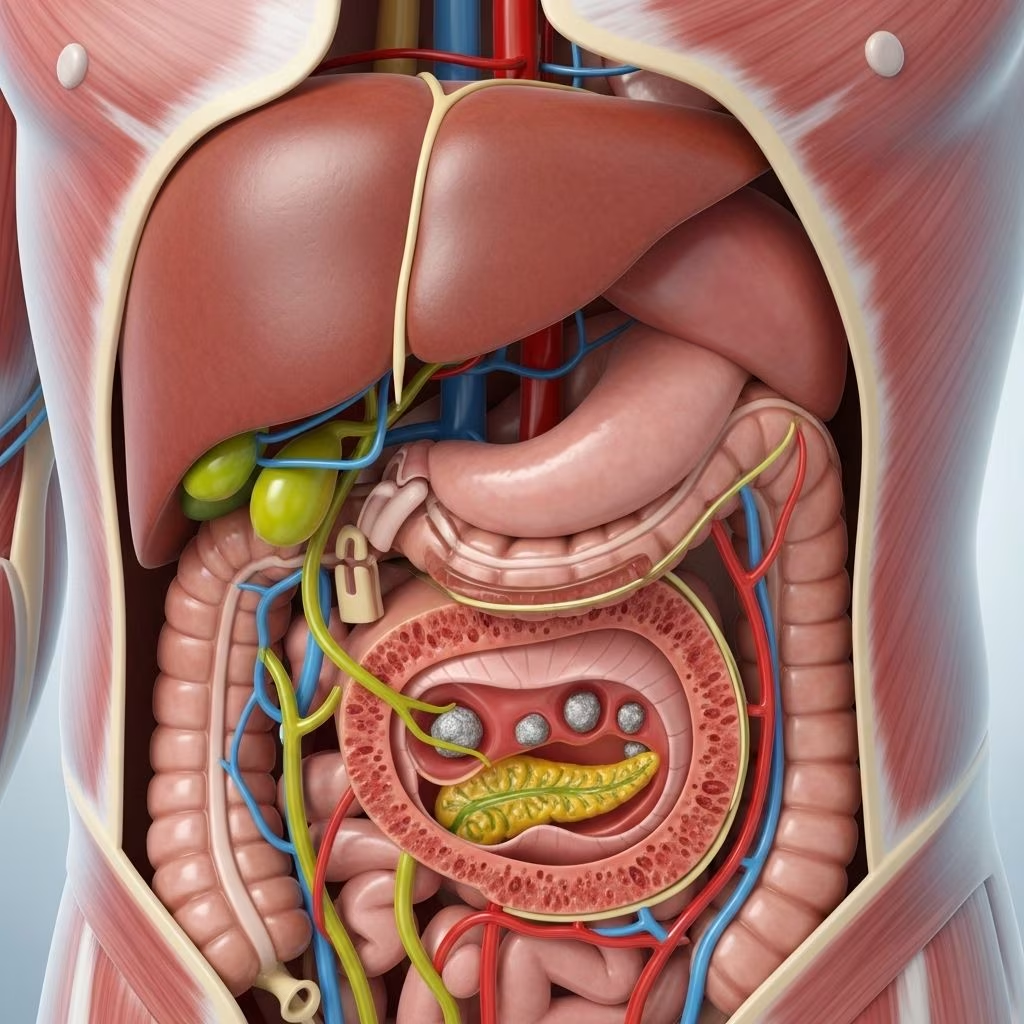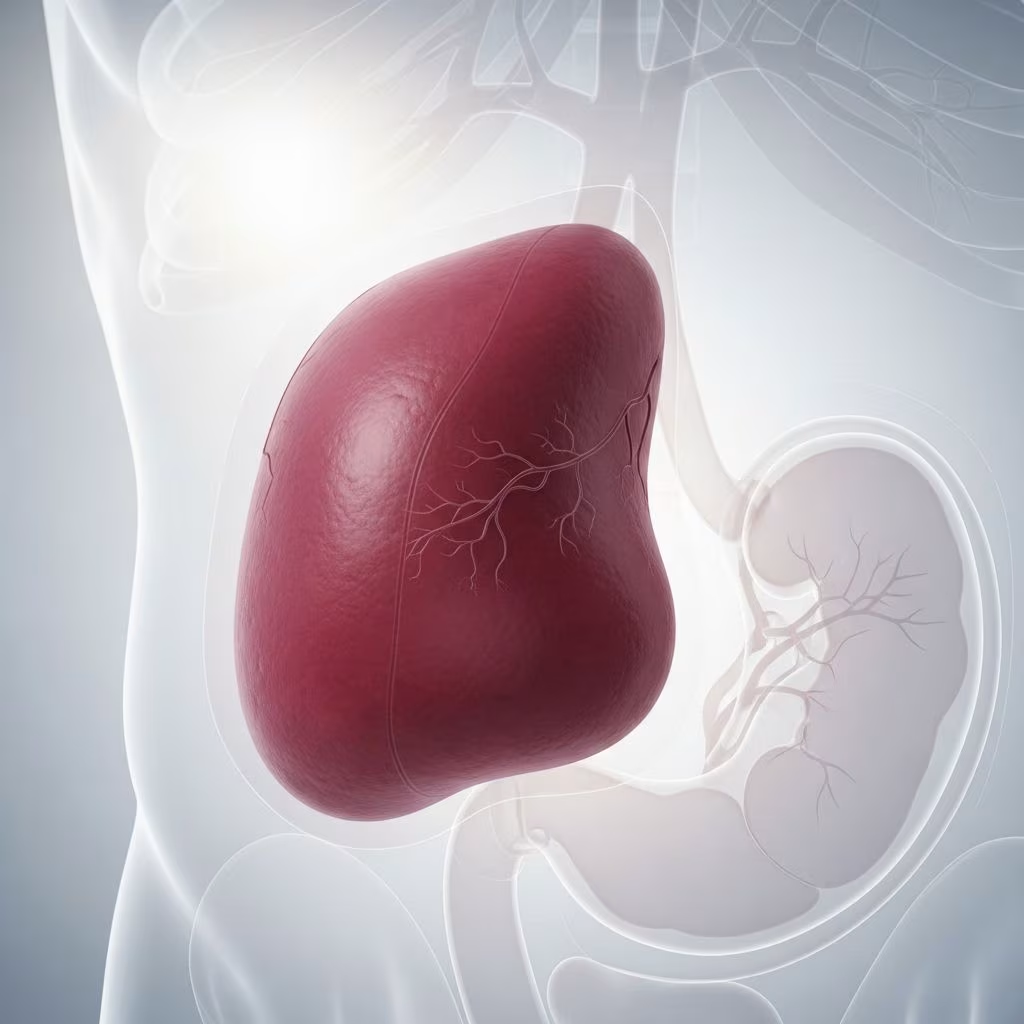
The spleen plays an essential role in the body’s immune system, filtering blood and managing blood cells. In certain blood disorders, especially leukemia, the spleen can become enlarged—a condition known medically as splenomegaly. This article delves into why leukemia causes an enlarged spleen, typical symptoms, diagnosis, treatment, and important precautions for those affected.
What is the Spleen and Its Function?
The spleen is a soft, fist-sized organ located in the upper left side of the abdomen, just under the rib cage. It is responsible for:
- Filtering old and damaged red blood cells from the blood
- Storing white blood cells and platelets
- Helping fight infection as part of the immune system
- Serving as a blood reservoir
Under normal conditions, the spleen is not palpable (unable to be felt) during an exam. If it enlarges, it may become noticeable below the rib cage.
How Does Leukemia Cause an Enlarged Spleen?
Leukemia is a cancer of blood-forming tissues, including the bone marrow and lymphatic system, causing uncontrolled growth of abnormal white blood cells. These cells can accumulate in various organs, such as the spleen, leading to its enlargement. Leukemia is categorized into four primary types:
- Chronic lymphocytic leukemia (CLL)
- Chronic myeloid leukemia (CML)
- Acute lymphocytic leukemia (ALL)
- Acute myeloid leukemia (AML)
All four forms can result in an enlarged spleen, but it is generally more common and more pronounced in chronic leukemias—especially CML and CLL. In these cases, cancerous blood cells enter the spleen through the bloodstream or lymphatic system. As these abnormal cells replicate rapidly and accumulate, the spleen becomes swollen and sometimes painful.
Which Other Blood Disorders Can Cause Enlarged Spleen?
- Sickle cell disease
- Thalassemia
- Spherocytosis
- Myelofibrosis
- Polycythemia vera
- Lymphoma
Leukemia Types and Their Impact on the Spleen
| Leukemia Type | Description | Tendency to Cause Enlarged Spleen |
|---|---|---|
| Chronic Myeloid Leukemia (CML) | Affects myeloid cells (producers of red cells, platelets, some white cells); slow-growing | High—more than 50% at diagnosis; may be only symptom initially |
| Chronic Lymphocytic Leukemia (CLL) | Affects B-lymphocytes (a white blood cell); also slow-growing | Moderate to high; splenic enlargement typical, especially in hairy cell leukemia subtype |
| Acute Myeloid Leukemia (AML) | Impacts immature myeloid cells; rapid growth | Less common than chronic types, but possible with advanced disease |
| Acute Lymphocytic Leukemia (ALL) | Impacts lymphocytes; fast-growing; more common in children | Possible at diagnosis, especially in pediatric cases |
Leukemia in Children
Among children, splenic enlargement is seen with:
- Acute leukemias
- CML
- Juvenile myelomonocytic leukemia
Note: Other blood diseases can also produce splenomegaly, and a thorough diagnosis is essential.
Why Does the Spleen Enlarge in Leukemia?
The spleen enlarges in leukemia due to several mechanisms:
- Accumulation of cancerous or abnormal blood cells: These cells collect in the spleen, making it work harder and enlarging it.
- Increased blood flow: As abnormal cells move through the bloodstream, more blood must pass through the spleen, adding to its size.
- Tumor infiltration: Direct invasion of the spleen by leukemic cells can disrupt normal architecture and function.
- Compensatory hematopoiesis: The spleen starts producing blood cells to compensate for the failing bone marrow.
This enlargement can lead to the spleen pressing against adjacent organs, causing discomfort and additional symptoms.
Symptoms of an Enlarged Spleen in Leukemia
Enlargement of the spleen may not cause symptoms in its early stages. In fact, up to half of people with CML, for example, have no symptoms when their spleen is first noted to be enlarged on examination. However, as the spleen grows, it may cause:
- Pain or tenderness in the upper left side of the abdomen (just under the rib cage)
- Abdominal swelling or a sensation of fullness
- Fullness or loss of appetite after eating a small amount (due to pressure of the spleen against the stomach)
- Pain referred to the left shoulder (Kehr’s sign, occurs when the spleen irritates the diaphragm nerve pathways)
- Weight loss
- Fatigue and weakness (related to anemia, as the enlarged spleen destroys more blood cells)
- Increased frequency or severity of infections (as the spleen is crucial to the immune response)
It’s important to note that often the only sign may be splenic enlargement itself, identifiable during a physical exam or imaging study.
When to Seek Medical Attention
- If you notice a rapidly enlarging abdomen or severe, persistent pain
- If pain increases with breathing or movement
- If you experience unexplained weight loss or extreme fatigue
A ruptured spleen is a medical emergency that can be life threatening. Sudden, severe abdominal pain—especially after injury—requires immediate attention.
Diagnosing Enlarged Spleen in Leukemia
Diagnosing splenomegaly involves:
- Physical examination: The doctor palpates the abdomen to feel for the spleen below the left costal margin (ribs).
- Blood tests: To assess blood cell counts and look for abnormal cells typical of leukemia.
- Imaging: Ultrasound or CT scans can confirm spleen size and help distinguish between different causes of enlargement.
- Bone marrow biopsy: To directly diagnose leukemia and understand its impact.
How Is Enlarged Spleen in Leukemia Treated?
The treatment focus is on addressing the underlying leukemia. Options may include:
- Chemotherapy: To destroy abnormal leukemic cells and reduce spleen size.
- Radiation therapy: In rare instances, radiation can be localized to the spleen to shrink it and relieve symptoms.
- Immunotherapy: Uses medications that help the immune system attack cancer cells.
- Bone marrow (stem cell) transplant: Replaces diseased marrow with healthy cells.
- Targeted therapies: Drugs that specifically block the growth of certain cancer cells.
If the enlarged spleen is causing significant symptoms, direct interventions may be considered. For example, radiation aimed specifically at the spleen can sometimes ease symptoms such as pain and early satiety.
Splenectomy: Surgical Removal of the Spleen
In very rare cases, a surgical removal of the spleen, called splenectomy, may be necessary if treatments do not control symptoms or if the spleen is at risk of rupture. Potential benefits and risks:
- May improve blood cell counts and reduce transfusion needs
- Risks include increased susceptibility to infection, higher chances of blood clots (thromboembolism), and secondary cancers
Data from one major clinic (Mayo Clinic, 1995-2015) showed that only about 2% of people with CLL underwent splenectomy, highlighting how rarely this is necessary when other treatments are effective.
Precautions & Living with an Enlarged Spleen
When a person’s spleen is enlarged, it becomes more vulnerable to rupture, which can cause life-threatening internal bleeding. Therefore:
- Patients should avoid activities that might injure the abdomen (such as contact sports)
- Wear protective gear if there is unavoidable risk of trauma
After splenectomy (if performed), patients are at risk for certain infections and should follow medical recommendations for vaccinations and infection prevention.
Frequently Asked Questions (FAQs)
Q: What does an enlarged spleen feel like?
A: Some people feel no symptoms. Others may experience pain or pressure in the upper left abdomen, fullness after small meals, or pain that radiates to the left shoulder.
Q: Can you live without your spleen?
A: Yes, you can live without a spleen. However, without it, your risk for certain infections increases, so preventive vaccinations and other precautions are necessary.
Q: How quickly does the spleen enlarge with leukemia?
A: Enlargement can happen gradually (especially with chronic leukemias such as CML and CLL) or more rapidly with advanced or acute types of leukemia.
Q: Is spleen enlargement reversible?
A: With successful treatment of leukemia, the spleen may shrink back to a more normal size. Persistent enlargement may require additional interventions.
Q: Should I be worried about rupture?
A: While rupture is rare, it is serious. Avoid high-impact activities, and seek medical care for severe abdominal pain, especially following any trauma.
Can Enlarged Spleen from Leukemia Be Prevented?
There are no known lifestyle or dietary measures that can prevent splenic enlargement in leukemia, as it is driven by the disease process itself. However, early diagnosis and prompt treatment can reduce the risk and severity of splenomegaly.
- Seek medical advice if experiencing suspicious symptoms—especially persistent abdominal swelling, pain, or unexplained fatigue.
- Follow through with monitoring and treatment protocols if diagnosed with leukemia to minimize complications.
Key Takeaways
- All forms of leukemia can cause an enlarged spleen, but it is especially common in chronic types.
- An enlarged spleen can cause pain, fullness, risk of rupture, and risk of increased infection.
- Treatment targets the underlying leukemia and may include chemotherapy, immunotherapy, and rarely, splenectomy.
- Prompt diagnosis and early intervention are crucial for best outcomes and risk reduction.
References
- https://www.patientpower.info/leukemia/enlarged-spleen-leukemia
- https://www.healthline.com/health/leukemia/enlarged-spleen-leukemia
- https://cllsociety.org/cll-sll-patient-education-toolkit/what-is-the-spleen/
- https://www.mayoclinic.org/diseases-conditions/chronic-lymphocytic-leukemia/symptoms-causes/syc-20352428
- https://my.clevelandclinic.org/health/diseases/17829-enlarged-spleen
- https://www.cancer.org/cancer/types/acute-lymphocytic-leukemia/detection-diagnosis-staging/signs-symptoms.html
- https://www.mayoclinic.org/diseases-conditions/enlarged-spleen/symptoms-causes/syc-20354326
- https://www.cancerresearchuk.org/about-cancer/chronic-lymphocytic-leukaemia-cll/symptoms
- https://www.myleukemiateam.com/resources/splenomegaly-how-does-leukemia-affect-your-relationship-with-food