Radiofrequency Treatment for Dry Eye: What You Need to Know
Dry eye syndrome can significantly impact quality of life, causing discomfort, visual disturbance, and chronic irritation. Traditional treatments may not offer lasting relief, especially for those with Meibomian Gland Dysfunction (MGD). Radiofrequency (RF) therapy has emerged as a modern solution, focusing on restoring healthy tear film and alleviating symptoms at the source.
What Is Radiofrequency Treatment for Dry Eye?
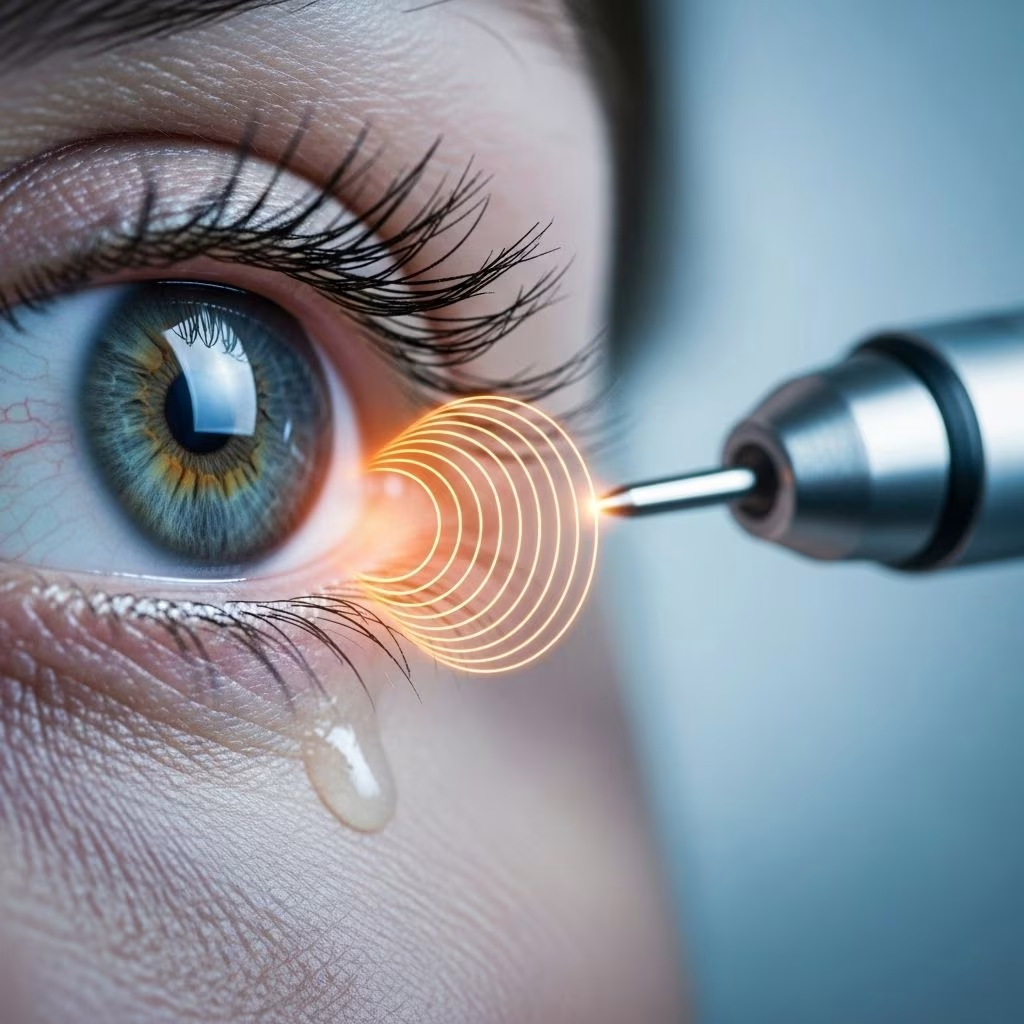
Radiofrequency treatment for dry eye is a non-invasive, energy-based procedure that uses controlled heat to stimulate the meibomian glands—tiny structures responsible for producing the oily component of tears. These glands line the eyelids and their dysfunction is one of the main causes of dry eye syndrome.
- RF energy gently warms the glands, helping to liquefy and clear blockages.
- This improves the release of oils needed for a stable tear film, reducing tear evaporation and soothing dry eye symptoms.
- The therapy is designed to treat chronic cases where conventional methods like artificial tears, warm compresses, or prescription medications have failed.
Aside from dry eye relief, radiofrequency treatment is also known for skin tightening effects, reducing fine lines and promoting collagen production around the eyes.
Why Do Dry Eyes Occur?
Dry eye disease happens when tears lack sufficient volume or lose balance in quality, leading to rapid evaporation and friction on the eye surface. Meibomian Gland Dysfunction—blockage or poor oil production—is responsible for up to 80% of dry eye cases.
- The meibomian glands create the oily (lipid) layer of tears, necessary to prevent rapid evaporation.
- When these glands become blocked, the tear film becomes unstable, resulting in dryness, irritation, redness, and inflammation.
How Does Radiofrequency Therapy Work?
RF therapy operates by delivering controlled heat, typically with a handheld device, to the tissue surrounding the eyelids. The process induces physiological changes that restore normal gland function:
- The heat melts thick or congealed oils within the meibomian glands, clearing blockages.
- It stimulates collagen production to support skin integrity and tightness.
- RF also helps reduce inflammation, another contributor to dry eye discomfort.
- Compared to basic heat masks, RF provides more precise and deeper stimulation directly to gland tissue.
RF Treatment vs. Intense Pulsed Light (IPL)
| Feature | Radiofrequency (RF) | Intense Pulsed Light (IPL) |
|---|---|---|
| Mechanism | Controlled warming for gland stimulation | Broad-spectrum light pulses to reduce inflammation |
| Target | Meibomian glands and skin | Blood vessels, skin, and foci of inflammation |
| Benefits | Improved gland function, skin tightening | Reduced inflammation, possible improvement in gland function |
| Combination | Can be paired with IPL for enhanced results | Often used together for severe dry eye |
Both have shown positive results and may be chosen based on an individual’s symptoms and underlying disease mechanisms.
Benefits of Radiofrequency Therapy for Dry Eye
- Restores tear film stability: By unblocking meibomian glands, RF therapy enhances the secretion of essential oils, protecting the eyes from tear evaporation.
- Reduces irritation and dryness: Many patients report marked improvement in burning, gritty feeling, and redness.
- Minimally invasive: No incisions or surgical intervention are required; minimal discomfort is expected.
- Skin rejuvenation: Patients frequently observe reduced fine lines and tighter skin around the eyes due to collagen stimulation.
- Improved quality of life: RF therapy targets the root cause, offering longer-lasting relief compared to temporary methods.
Who Should Consider Radiofrequency Therapy?
Radiofrequency therapy may be recommended for:
- People suffering from chronic dry eye not responding to traditional treatment.
- Individuals diagnosed with Meibomian Gland Dysfunction (MGD).
- Patients seeking additional benefits, such as skin tightening around the eyelids.
- Those wishing to avoid surgery or more invasive interventions.
Consultation with an eye care provider is required to determine suitability and customize a treatment plan.
What to Expect During a Radiofrequency Therapy Session
- Initial Consultation: Eye examination and discussion of medical history to confirm eligibility.
- Preparation: Cleaning the treatment area; application of a moisturizer or numbing cream if needed.
- Procedure: Placement of a small electrical pad—typically on the shoulder—to ensure safety. The provider uses a handheld RF device around the eyelids and brow, delivering gentle warmth.
- Sensation: Most patients feel a mild, comfortable warming, not pain.
- Treatment duration: The session lasts about 10–20 minutes, but your office visit may be up to an hour with pre- and post-procedure care.
Afterward, your provider may advise a warm compress or soothing eye drops to mitigate any temporary discomfort. Multiple sessions are often required for optimal outcomes, spaced apart over weeks or months depending on individual needs.
Recovery and Post-Treatment Care
Most patients resume daily activities immediately. Some typical recommendations include:
- Avoiding makeup or harsh skincare around the eyes for 24 hours.
- Using prescribed eye drops or lubricants to support healing.
- Compliance with scheduled follow-ups for continued assessment and additional sessions as needed.
- Promptly reporting any unusual discomfort or adverse effects to the provider.
Potential Risks and Side Effects
RF therapy is considered safe and well-tolerated for the vast majority of patients. Still, as with any medical procedure, side effects may occur:
- Mild redness or swelling in the treatment area, usually resolving within a few hours.
- Tingling or warmth: common during and briefly after the session.
- Rare complications: burns, changes in skin pigmentation, or dry eye worsening have been reported but are extremely rare when performed by qualified professionals.
Your provider will discuss all risks and ensure the procedure is appropriate for you individually.
Comparing Radiofrequency to Other Dry Eye Treatments
- Artificial tears: Offer temporary lubrication but do not address underlying gland dysfunction.
- Warm compresses: Helpful for mild symptoms, less effective for severe gland blockages than RF.
- Prescription medications: Target inflammation or tear production (e.g., cyclosporine, lifitegrast), potentially valuable in combination with RF.
- Intense Pulsed Light (IPL): May be used alongside RF for resistant cases.
Frequently Asked Questions (FAQs)
Q: Is radiofrequency treatment painful?
A: No, most patients report only a warm sensation, and the procedure is designed to be comfortable and non-invasive.
Q: How long does it take to see results?
A: Many individuals notice improvement within days after the first session, especially regarding comfort and reduced dryness. Full benefits may require multiple treatments over several months.
Q: Are the effects of RF therapy permanent?
A: Results are long-lasting, but maintenance sessions may be needed to preserve gland function in chronic cases. RF does not cure dry eye but manages symptoms effectively.
Q: Can radiofrequency treatments be combined with other procedures?
A: Yes, RF can be paired with other therapies such as IPL, artificial tears, or anti-inflammatory drops to enhance results, especially for severe or resistant cases.
Q: Is there downtime after the procedure?
A: There is typically no significant downtime. Patients can resume normal activities immediately, with minor aftercare instructions to ensure proper healing.
Tips for Managing Dry Eye at Home
- Use preservative-free artificial tears for daily relief.
- Apply warm compresses to promote better gland function.
- Avoid excessive screen time or take regular breaks from digital devices.
- Maintain hydration by drinking adequate water throughout the day.
- Protect eyes from wind and dry environments with sunglasses or moisture goggles.
When to Contact a Specialist
If you experience persistent symptoms such as constant dryness, irritation, light sensitivity, or visual disturbances, seek assessment from an eye care professional to evaluate your options, including suitability for radiofrequency therapy.
Key Takeaways
- Radiofrequency therapy offers an innovative, non-invasive solution for dry eye by targeting meibomian gland dysfunction.
- Most patients experience improved comfort, better tear film stability, and secondary benefits such as skin tightening.
- Consultation with an eye care provider is necessary for personalized treatment planning and maximizing results.
With continued advancements in eye health, therapies like radiofrequency are helping thousands regain clarity, comfort, and confidence in their daily lives.
References
- https://www.vision-institute.com/what-is-radiofrequency-therapy-rf-for-dry-eyes/
- https://www.chromaoptics.com/blog/radiofrequency-treatments-for-dry-eye-what-to-expect.html
- https://www.optometrists.org/general-practice-optometry/guide-to-eye-conditions/dry-eye/treating-dry-eye-with-radio-frequency-top-7-faqs/
- https://eyecareonline.net/radiofrequency-for-dry-eye-everything-you-need-to-know/
- https://www.healthline.com/health/eye-health/radiofrequency-treatment-for-dry-eye
- https://www.visionsource-silverlake.com/blog/radiofrequency-for-dry-eyes-a-revolutionary-treatment-you-need-to-know-about.html?noamp
- https://www.youtube.com/watch?v=Weu6UqUFpRM
- https://www.webmd.com/eye-health/good-eyesight