Glomerular filtration rate (GFR) is a clinical test that measures how efficiently your kidneys are filtering blood. GFR results play a major role in diagnosing and tracking the progression of kidney disease, especially in people living with diabetes. Since diabetes significantly increases the risk of diminished kidney function, understanding GFR values is critical for early intervention, prevention, and comprehensive care.
What Is GFR?
GFR, or glomerular filtration rate, quantifies the amount of blood the kidneys filter per minute, factoring in age, sex, body size, and race. It is usually reported in milliliters per minute per 1.73 meters squared (mL/min/1.73 m2), which standardizes the result for body surface area.
- GFR estimates kidney function — lower rates indicate worsening kidney function.
- eGFR (estimated GFR) is commonly calculated based on blood creatinine levels, age, sex, and sometimes race.
- This test is important for detecting kidney problems early, even before other symptoms appear.
Why Is GFR Tested?
Clinicians order GFR tests primarily to:
- Detect kidney disease in its early stages
- Monitor progression of known kidney problems
- Guide management of diabetes and hypertension
- Adjust medications that are filtered through the kidneys
For people with diabetes, regular GFR assessments are especially important due to the higher risk of chronic kidney disease (CKD).
What’s Considered a Normal GFR?
GFR values vary naturally based on age and other factors, but common reference ranges include:
| GFR (mL/min/1.73 m2) | Interpretation |
|---|---|
| 90 or higher | Normal kidney function (if no other markers of kidney damage) |
| 60–89 | May be normal (if no other signs of kidney disease), but may indicate mild loss of function in some cases |
| 45–59 | Mild to moderate decrease in kidney function |
| 30–44 | Moderate to severe decrease in kidney function |
| 15–29 | Severe decrease in kidney function |
| Less than 15 | Kidney failure (end-stage renal disease), possible need for dialysis or transplant |
Having a GFR below 60 for three months or more generally means you have chronic kidney disease.
Factors Affecting GFR Results
- Age: GFR naturally declines with age.
- Sex: Males tend to have higher reference GFR values because of greater muscle mass.
- Body Size: GFR calculations use a standard body surface area for accuracy.
- Lowest Acceptable GFR: A GFR above 60 can still be “normal” if there are no other signs of kidney damage, especially in older adults.
Abnormal GFR: What Does It Mean?
A GFR below 60 mL/min/1.73 m2 that persists for at least three months points to chronic kidney disease (CKD). GFR below 15 signals kidney failure. Early detection is vital, as it allows interventions that can delay or sometimes prevent progression to kidney failure.
Symptoms of Reduced Kidney Function May Include:
- Swelling in the legs, ankles, or feet
- Fatigue and general weakness
- Shortness of breath
- Nausea or vomiting
- Loss of appetite
- Difficulty concentrating
- In severe cases, confusion or seizures
Often, kidney impairment is asymptomatic in the earliest stages, which is why GFR-based screening is so important.
Diabetes and Kidney Disease: The Connection
Diabetes is a chronic condition characterized by elevated blood glucose levels due to issues with insulin production or function. It is a leading cause of kidney disease globally.
- People with diabetes are at increased risk for developing diabetic nephropathy — kidney damage caused by prolonged high blood sugar.
- About 1 in 3 adults with diabetes experience some degree of kidney disease.
- High blood sugar can overwork the kidneys’ filtration units, eventually causing them to lose function.
- Both type 1 and type 2 diabetes can lead to kidney damage.
Why Does Diabetes Harm the Kidneys?
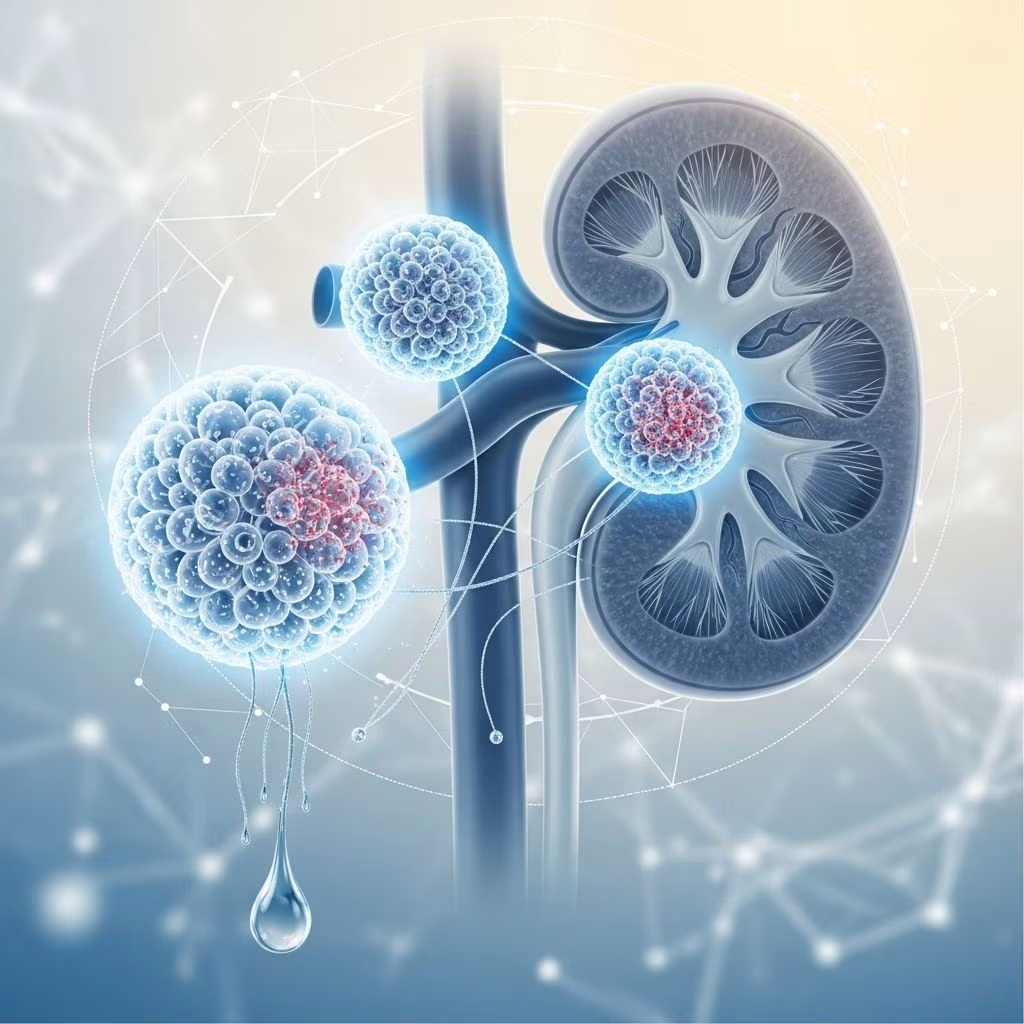
When blood glucose levels stay elevated, they cause the kidneys to filter too much blood. Over time, this extra work can damage the glomeruli, the tiny filtering units in the kidneys. As these structures deteriorate, protein may start to leak into the urine (proteinuria or albuminuria), and kidney function further declines. Effective blood sugar management reduces this risk.
Risk Factors for Diabetic Kidney Disease
Not everyone with diabetes develops kidney disease, but several factors can raise the risk:
- Poorly controlled blood glucose
- High blood pressure (hypertension)
- High cholesterol
- Family history of kidney disease
- Obesity or overweight
- Smoking
- Long duration (years) of diabetes
- Being of African American, Hispanic/Latino, Native American, or Asian descent
- Older age
Stages of Chronic Kidney Disease (CKD)
CKD is classified into five stages based on GFR:
| Stage | GFR (mL/min/1.73 m2) | Key Feature |
|---|---|---|
| 1 | 90 or higher | Normal or high (with kidney damage markers) |
| 2 | 60–89 | Mild decrease (with kidney damage markers) |
| 3a | 45–59 | Mild-moderate decrease in function |
| 3b | 30–44 | Moderate-severe decrease |
| 4 | 15–29 | Severe decrease, high risk for complications |
| 5 | Less than 15 | Kidney failure (may require dialysis/transplant) |
How Is GFR Measured?
The most common method for determining GFR is via blood tests that measure levels of creatinine, a waste product. Other information — such as age, sex, and ethnicity — is included in eGFR formulas. Sometimes, more precise tests such as inulin clearance or radioisotope filtration studies are used, but these are mainly for research or special clinical situations.
GFR can fluctuate from one test to the next, so doctors typically confirm kidney disease with repeat testing and by examining other markers, such as protein in the urine.
Prevention and Management of Diabetic Kidney Disease
While it is not always possible to avoid kidney issues in diabetes, the following strategies can greatly reduce risk and slow disease progression:
- Follow a diabetes management plan to keep blood glucose within target
- Control high blood pressure (often with ACE inhibitors or ARBs, which also protect the kidneys)
- Manage cholesterol levels
- Quit smoking
- Maintain a healthy weight and exercise regularly
- Take medications as prescribed
- Have regular medical checkups, including GFR and urine protein assessments
Regular monitoring is key — early intervention can prevent severe complications and improve quality of life.
Living with Diabetic Kidney Disease
If you are diagnosed with declining kidney function, work closely with your healthcare team, which may include an endocrinologist, nephrologist, and dietitian. Self-care strategies should focus on:
- Tight blood sugar control
- Prescribed medications for blood pressure and kidney protection
- Regular testing (GFR, urine albumin, blood pressure)
- Personalized nutrition plans, such as reduced sodium and possibly protein intake
Support and Resources
Many organizations and healthcare providers offer resources for those living with diabetes and kidney disease:
- The National Institute of Diabetes and Digestive and Kidney Diseases (NIDDK)
- American Diabetes Association
- National Kidney Foundation
- Registered dietitians, diabetes educators, and community support groups
Summary
Glomerular filtration rate is a vital test for spotting kidney problems early, especially in people with diabetes. Regular GFR testing can catch kidney disease before symptoms develop and help guide treatment. Through careful management of diabetes and related risk factors, many people can prevent or slow the progression of kidney disease.
Frequently Asked Questions (FAQs)
What is a dangerous GFR number?
A GFR below 60 mL/min/1.73 m2 usually signals some level of chronic kidney disease, while a GFR less than 15 often means kidney failure.
Can kidney disease be reversed if detected early?
Early disease can often be delayed or even halted with proper management. Advanced kidney disease is typically managed, not reversed, with treatments like medication, diet, and sometimes dialysis or transplant.
How often should people with diabetes check their GFR?
At least once a year, or more frequently if there are risk factors or abnormal results.
Does high blood pressure worsen diabetic kidney disease?
Yes, hypertension can accelerate kidney damage in people with diabetes. It is important to keep blood pressure within healthy targets.
Is protein in the urine always a sign of kidney disease?
Not always, but persistent protein in the urine (albuminuria) often points to kidney impairment, especially in the context of diabetes. Further testing is needed to confirm the cause.
References
- https://diabetesjournals.org/care/article/46/4/845/148424/Glomerular-Hyperfiltration-Predicts-Kidney
- https://pmc.ncbi.nlm.nih.gov/articles/PMC6054502/
- https://www.healthline.com/health/diabetes/glomerular-filtration-rate
- https://www.healthline.com/health/kidney-disease/diabetic-nephropathy-stages
- https://pmc.ncbi.nlm.nih.gov/articles/PMC5373460/
- https://www.nature.com/articles/s41598-024-77318-5
- https://diabetesjournals.org/care/article/29/7/1491/28587/Glucose-Control-Influences-Glomerular-Filtration