Steroid-induced diabetes is a condition characterized by an unexpected increase in blood sugar levels as a result of steroid use. This form of diabetes can occur in individuals with or without a previous diagnosis of diabetes. Understanding the connection between steroids and blood sugar, how to recognize symptoms, and available management strategies is essential for anyone prescribed these medications.
What Is Steroid-Induced Diabetes?
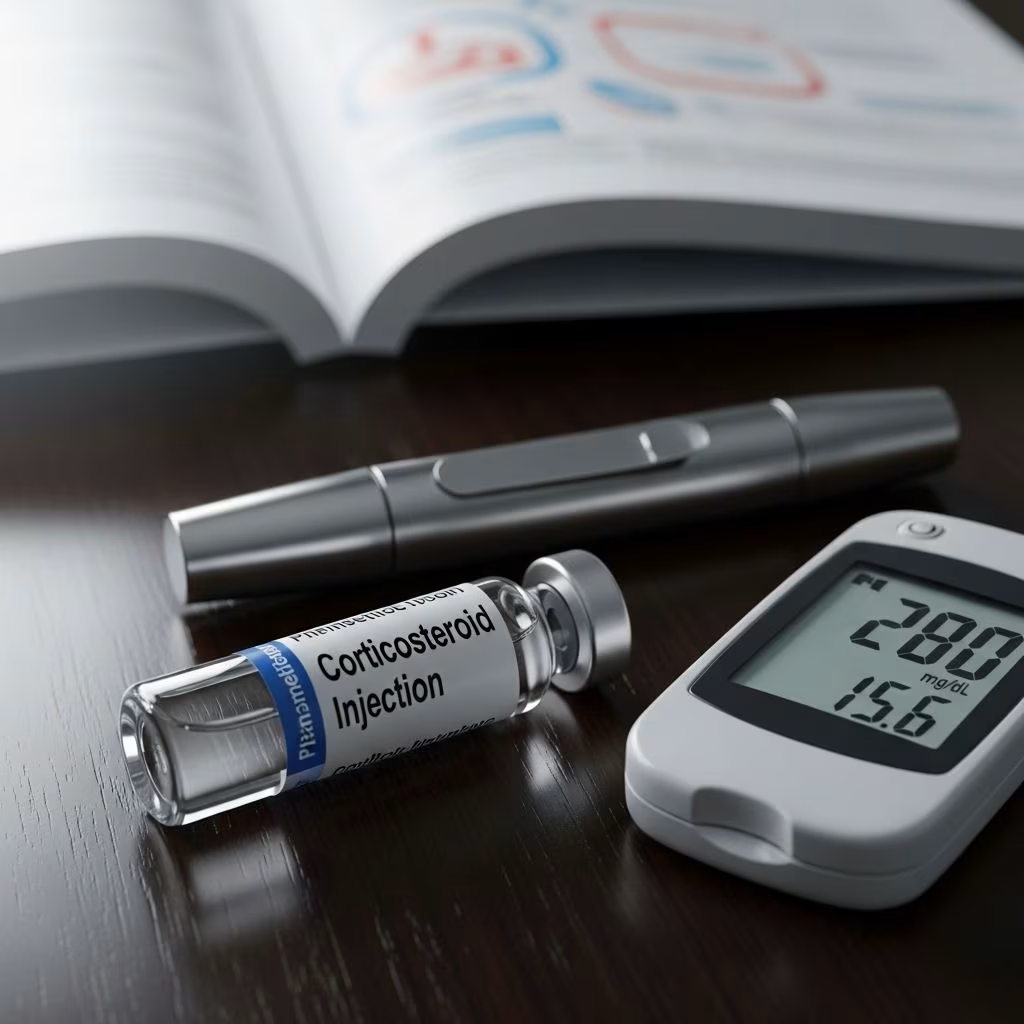
Steroid-induced diabetes refers to elevated blood glucose levels triggered by the use of corticosteroid medications. Unlike type 1 diabetes, where the pancreas stops producing insulin, or classic type 2 diabetes, where the body gradually becomes resistant to insulin, steroid-induced diabetes typically results from increased insulin resistance caused by steroid therapy. In most cases, blood sugar returns to normal upon stopping the steroid, but prolonged steroid use can sometimes result in permanent type 2 diabetes.
Understanding Steroids and Their Uses
Steroids, specifically corticosteroids, are synthetic drugs designed to mimic the effects of hormones produced by the adrenal glands. These medications are distinct from anabolic steroids, which are often misused for muscle-building and have different health implications. Corticosteroids have potent anti-inflammatory properties and are prescribed for numerous medical conditions, including:
- Autoimmune diseases (such as lupus and rheumatoid arthritis)
- Severe allergies
- Asthma and COPD (chronic obstructive pulmonary disease)
- Inflammatory bowel disease
- Certain skin conditions and rashes
- Some types of cancer as part of chemotherapy regimens
- Organ transplant recipients (to help prevent rejection)
Steroids are formulated in several forms, including tablets, injections, inhalers, topical creams, and eye drops. Systemic corticosteroids (such as prednisone and dexamethasone), primarily taken by mouth or by injection, are most closely associated with changes in blood sugar. Higher doses and longer courses of use increase the risk of diabetes.
How Do Steroids Affect Blood Sugar?
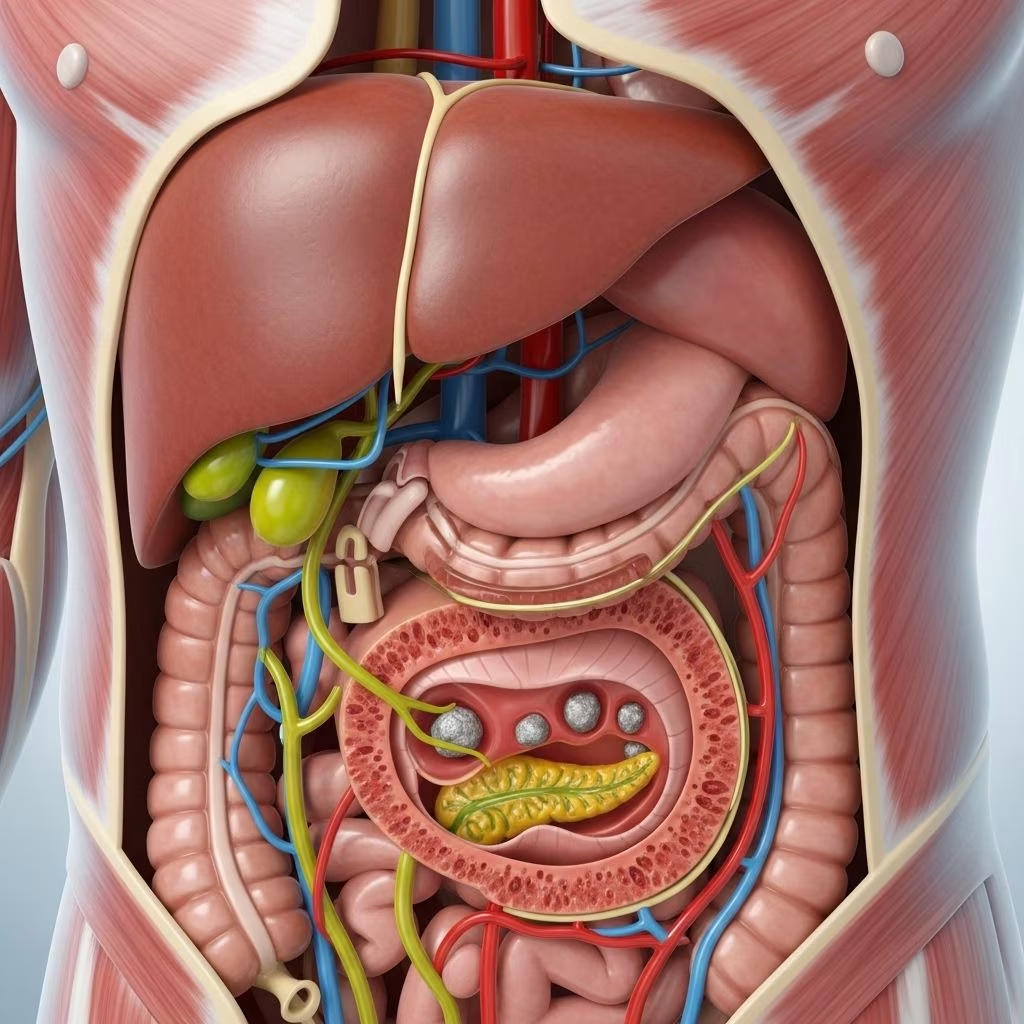
The main way steroids elevate blood sugar is by causing the body’s tissues to become resistant to insulin, the hormone responsible for moving glucose from the bloodstream into cells for energy. Steroids also encourage the liver to release more glucose into the bloodstream while inhibiting the muscles’ and fat tissues’ ability to take up and store that glucose. The combined effect is a rise in blood sugar levels, especially several hours after steroid administration.
- Increased hepatic glucose production: Steroids stimulate the liver to produce and release more glucose.
- Reduced peripheral glucose uptake: Muscle and fat cells become less responsive to insulin.
- Decreased insulin secretion: In some cases, steroids may also directly reduce insulin output from the pancreas.
These changes mean that in people prone to insulin resistance or with borderline glucose control, steroids can tip the balance and initiate diabetes. In people already diagnosed with diabetes, steroids can make blood sugar significantly harder to control, sometimes requiring higher medication doses or changes in treatment plan.
Who Is at Risk?
Anyone can develop steroid-induced diabetes, but certain individuals carry a greater risk. You may be more vulnerable if you:
- Have a strong family history of type 2 diabetes
- Are overweight or obese
- Have prediabetes or a history of gestational diabetes
- Are over the age of 40
- Belong to a group with higher prevalence of type 2 diabetes (e.g., people of South Asian, African-Caribbean, or Black African descent)
- Have a sedentary lifestyle
- Are taking high doses of steroids or are on steroids for an extended period
Notably, even people with no prior warning signs of diabetes can develop this condition when exposed to sufficient steroid doses.
Symptoms of Steroid-Induced Diabetes
One challenge in recognizing steroid-induced diabetes is that symptoms may come on suddenly or be mistaken for other conditions. It’s also possible for mild elevations in blood glucose to go unnoticed. Watch for these common symptoms:
- Increased thirst and dry mouth
- Frequent urination (especially at night)
- Unexpected fatigue or easy tiredness
- Blurred vision
- Unexplained weight loss (less common but possible)
- Recurring infections, such as thrush or urinary tract infections
- Slow-healing cuts and wounds
These symptoms may develop over a few days or weeks after starting steroid therapy. In those with pre-existing diabetes, symptoms may be more pronounced due to the rapid and significant elevation in blood sugar levels following steroid use.
Diagnosis of Steroid-Induced Diabetes
Diagnosis typically involves blood tests to measure glucose levels. Blood sugars are often highest a few hours after taking a steroid dose, rather than first thing in the morning. Testing strategies include:
- Random plasma glucose: Measures blood sugar at any time of the day.
- Fasting plasma glucose: Blood sample taken after at least 8 hours of no caloric intake.
- Oral glucose tolerance test (OGTT): Blood sugar checked before and two hours after a glucose-containing drink.
- HbA1c: Reflects average blood sugar over the past 2–3 months (may be less reliable if steroid use is recent).
For people already living with diabetes, self-monitoring of blood glucose (SMBG) is recommended more frequently when steroids are started, increased, or stopped.
Managing and Treating Steroid-Induced Diabetes
Successful management focuses on keeping blood sugar within target ranges during the course of steroid therapy and, if needed, adjusting or initiating diabetes medications. Strategies include:
- Frequent blood sugar monitoring: Check blood glucose several times daily, especially 4–8 hours after taking a steroid dose, as this is when levels peak.
- Lifestyle modifications: Healthy eating and regular physical activity help counteract insulin resistance and support glucose control.
- Medication adjustments: Existing diabetes medicines may need to be increased or new treatments such as insulin or oral agents introduced for the duration of steroid therapy.
- Short-term versus long-term management: Steroid-induced diabetes that resolves after stopping corticosteroids may not require lifelong medication, but persistent diabetes will.
- Work with your healthcare provider: Always inform your doctor, pharmacist, and diabetes care team when prescribed a steroid so that your treatment plan can be adapted.
Medications Commonly Used
- Insulin: Often required, especially with high-dose or long-term steroid therapy. Insulin dosage may be increased temporarily.
- Metformin: An oral medication for type 2 diabetes that reduces liver glucose output and improves insulin sensitivity. Useful for people not previously on insulin.
- Other oral or injectable medicines: Depending on individual risk, other diabetes treatments may be started or adjusted to maintain glycemic control.
Lifestyle and Self-Care Tips
Coping with steroid-induced diabetes can feel overwhelming, but supportive lifestyle choices make a significant difference. Consider these strategies:
- Choose foods with a low glycemic index (whole grains, vegetables, lean protein)
- Limit processed and sugary foods that can spike blood sugar
- Stay physically active as able, focusing on activities like walking or resistance training
- Keep hydrated and monitor your fluid intake
- Work with a registered dietitian or diabetes educator for personalized nutrition advice
- Educate loved ones and caregivers about the signs of high blood sugar
- Track your symptoms, medications, and glucose readings
Mental and emotional health are equally important. Steroid medications can cause mood swings and sleep disturbances, compounding the stress of dealing with elevated blood sugar. Seek additional support if needed, and communicate openly with your healthcare provider about how you’re feeling.
What If You Already Have Diabetes?
People with pre-existing diabetes must take extra caution when prescribed steroids. Steroids can rapidly disrupt previously stable blood glucose levels. Important steps include:
- Frequent blood glucose monitoring and record keeping
- Close communication with your healthcare team
- Prompt adjustment of medication doses in consultation with your provider
- Awareness of symptoms indicating dangerously high glucose, such as vomiting, rapid breathing, confusion, or signs of diabetic ketoacidosis
If you notice persistent or severe symptoms, seek medical advice immediately. Uncontrolled blood sugars related to steroids may require short-term hospital treatment and monitoring.
Prognosis: Does Steroid-Induced Diabetes Go Away?
In the majority of cases, steroid-induced diabetes resolves once steroid medications are discontinued. However, if steroids have triggered more permanent changes in how your body responds to insulin—especially if you have other risk factors—you may remain diabetic even after the medication is stopped. Lifelong monitoring and treatment may then be necessary. Always discuss any concerns about long-term risk with your healthcare provider.
Potential Complications
If left unmanaged, sustained high blood sugar can increase the risk of:
- Heart disease and stroke
- Kidney disease and damage
- Nerve damage (neuropathy)
- Vision problems and retinopathy
Managing blood sugar effectively is vital to reduce the risk of these serious complications. Early detection and management prevent adverse outcomes.
Prevention and Monitoring
For those who require short-term steroids and are at higher risk for diabetes, preventive strategies include:
- Blood sugar monitoring before, during, and after steroid therapy
- Minimizing steroid dose and duration as medically appropriate
- Choosing inhaled, topical, or localized steroid preparations where possible, as these have lower systemic effects
If you have a family history of diabetes or fall into a higher risk group, inform your healthcare provider prior to starting steroids. Proactive blood sugar monitoring allows early detection and prompt intervention.
Frequently Asked Questions (FAQ)
Can anyone develop steroid-induced diabetes?
Yes, while individuals with certain risk factors (like prediabetes, obesity, or a family history) are more susceptible, anyone who takes sufficient amounts of corticosteroids can potentially develop steroid-induced diabetes.
Are anabolic steroids involved in steroid-induced diabetes?
Anabolic steroids (used illicitly for muscle building) also affect insulin sensitivity but less commonly cause diabetes compared to corticosteroids. Both types, however, can interfere with blood sugar regulation, and anabolic steroids are not safe alternatives for those concerned about diabetes risk.
Does steroid-induced diabetes always require lifelong treatment?
No. For most people, blood sugar returns to normal after short-term steroid treatment. If the diabetes persists after stopping steroids and lifestyle adjustments, more permanent management may be necessary.
What should I do if I notice symptoms of high blood sugar while taking steroids?
Contact your healthcare provider immediately to discuss your symptoms and consider blood glucose testing. Early intervention prevents complications.
How often should blood sugars be checked during steroid therapy?
Your healthcare provider will recommend a monitoring plan, which may include checking fasting and post-meal blood sugars several times a day for as long as you are on steroids, and for a period after discontinuation.
Key Takeaways
- Steroid-induced diabetes is a real and potentially serious consequence of corticosteroid therapy, even for people without previous diabetes.
- Symptoms include increased thirst, urination, fatigue, and infections. Diagnosis often relies on blood tests timed a few hours post steroid dose.
- Management relies on frequent monitoring, medication adjustments, and healthy lifestyle behaviors.
- Most cases resolve after stopping steroids, but those with persistent symptoms or risk factors may need ongoing diabetes care.
- Proactive communication with healthcare professionals is essential before, during, and after steroid therapy for diabetes risk reduction.
References
- https://diabetesonthenet.com/diabetes-primary-care/steroid-induced-diabetes-and-hyperglycaemia-part-1-mechanisms-and-risks/
- https://www.diabetes.org.uk/about-diabetes/other-types-of-diabetes/steroid-induced-diabetes
- https://www.healthline.com/diabetesmine/steroids-spike-blood-sugars
- https://www.healthline.com/health/diabetes/steroid-induced-diabetes
- https://www.medicalnewstoday.com/articles/317015
- https://pmc.ncbi.nlm.nih.gov/articles/PMC10037401/