Leukemia and Bleeding Gums: Understanding the Connection
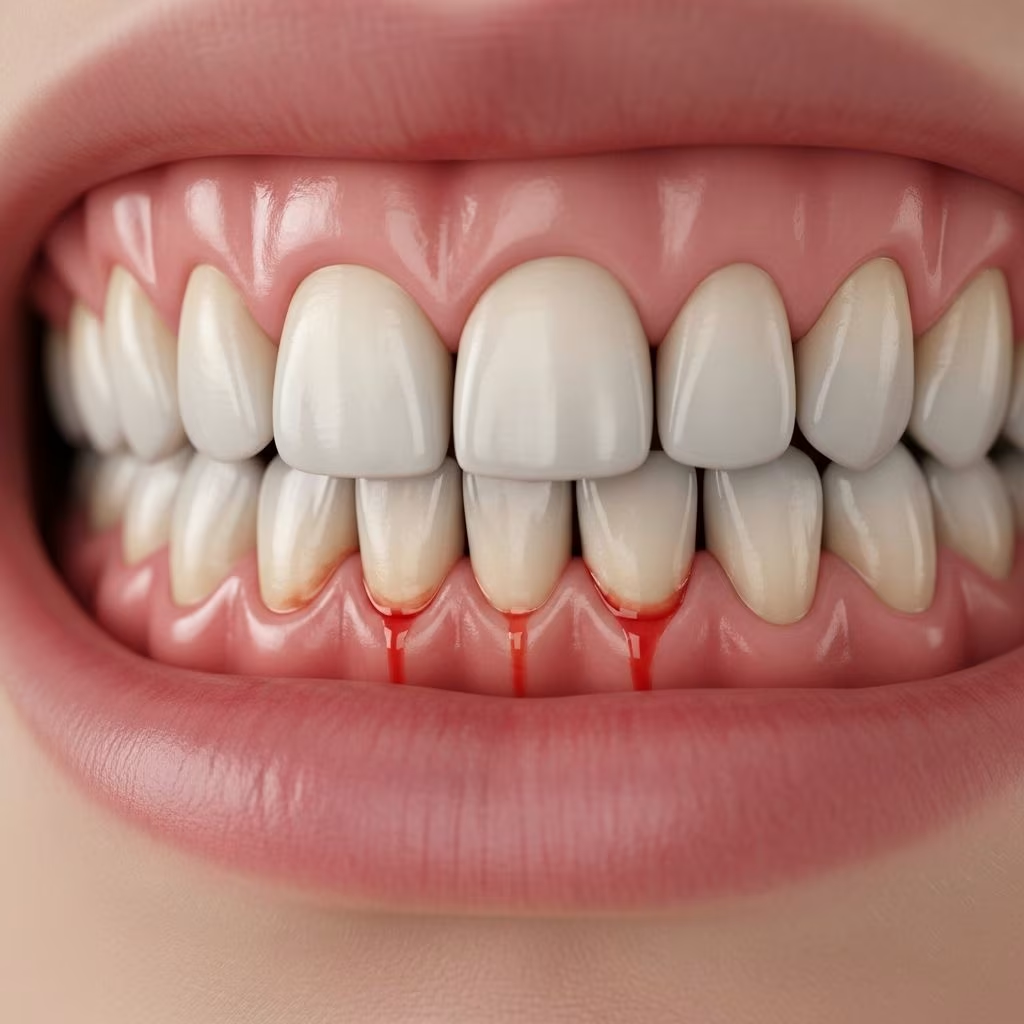
Bleeding gums are a common oral symptom that can arise from many causes. While most bleeding gum cases stem from gingivitis or gum disease, persistent bleeding may also signal an underlying health issue—most notably, leukemia, a cancer of the blood cells.
This article explores why leukemia can cause bleeding gums, how to recognize related symptoms in adults and children, and what steps to take if you notice this warning sign.
Are Bleeding Gums a Common Symptom of Leukemia?
Most encounters with bleeding gums are not caused by leukemia. Usually, these symptoms result from:
- Gingivitis (early gum disease)
- Periodontal disease
- Hard or vigorous brushing
- Plaque and tartar build-up
- Use of a hard toothbrush
- Vitamin deficiencies
However, leukemia is among the possible causes—especially if the bleeding is persistent and doesn’t respond to improved oral hygiene or changes in brushing habits.
Why Does Leukemia Cause Bleeding Gums?
Leukemia starts in the bone marrow, where blood cells are produced. Most types stem from an overproduction of immature, abnormal white blood cells. These abnormal cells crowd out other vital blood cells, including red blood cells and platelets.
- Low platelet count impairs the body’s ability to clot blood, which increases risks for bleeding and bruising—even from minor gum injuries during brushing or eating.
- Some forms of leukemia cause gum swelling, making gums more susceptible to cuts, tears, and bleeding—even without underlying gum disease.
People with leukemia may develop bleeding gums even if their oral health is otherwise good.
Symptoms: How Leukemia Affects Your Gums and Beyond
Oral Symptoms Linked to Leukemia
- Bleeding gums
- Swelling and redness of the gum tissue
- Irritation and sensitivity
- Bruising on gums, tongue, or inner cheeks
- Lesions or sores in the mouth
These may occur alongside or independent of gum disease. The tissues become fragile and prone to injury with activities like brushing, flossing, or eating hard foods.
Other Bleeding Symptoms in Leukemia
| Symptom | Description |
|---|---|
| Nosebleeds | Frequent or excessive bleeding from the nose |
| Heavy Menstrual Flow | Unusually heavy bleeding during menstruation |
| Blood in Urine or Stool | Presence of blood in bodily excretions |
| Bruising | Easy bruising, including inside the mouth |
| Petechiae | Tiny red blood spots on the skin |
These bleeding symptoms can occur throughout the body and may indicate underlying blood cell dysfunction. Early recognition may help prompt timely diagnosis and intervention.
Bleeding Gums and Types of Leukemia
- Acute Myeloid Leukemia (AML): Especially likely to cause bleeding gums, often as an early sign in adults.
- Acute Lymphoblastic (or Lymphocytic) Leukemia (ALL): Can also lead to oral bleeding symptoms.
- Chronic Lymphocytic Leukemia (CLL) and Chronic Myelogenous Leukemia (CML): May be associated with gum bleeding, though symptoms may develop more slowly.
Both chronic and acute forms can present bleeding gums as a warning symptom, though acute leukemia typically has more rapid onset and pronounced symptoms.
Timing: When Do Bleeding Gums Happen in Leukemia?
Bleeding gums can be a first sign of leukemia, appearing before other systemic symptoms.
– Chronic leukemia: Symptoms and bleeding may develop slowly and be subtle, sometimes going unnoticed.
– Acute leukemia: Symptoms are more sudden and severe, often prompting medical evaluation within days or weeks.
If bleeding gums persist, especially alongside other health changes, it’s important to seek medical advice.
Spotting Leukemia-Related Bleeding Gums in Children
Children are typically more prone to acute leukemia, which can cause sudden, dramatic symptom onset. Bleeding gums in children have many benign causes, such as:
- Poor brushing or flossing habits
- Developmental changes and tooth eruption
- Minor oral injuries
However, persistent gum bleeding or bleeding accompanied by other warning signs should not be ignored.
Other Signs of Leukemia in Children
- Lethargy, fatigue, or weakness
- Pale skin
- Nosebleeds
- Red dots (petechiae) or excessive bruising
- Infections that last longer than usual or recur often
- Fever unrelated to illness
- Unintentional weight loss or reduced appetite
- Swelling, bloating, or tenderness in the abdomen
- Enlarged lymph nodes, swelling around the neck
- Night sweats
- Irritability or unusual mood changes
- Unusual lumps (including under arms, body, or face)
These signs, when seen together or progressing quickly, warrant immediate medical evaluation.
Diagnosis and Next Steps: What To Do If You Have Bleeding Gums
When Should I Be Concerned?
- If your bleeding gums persist for more than two weeks after improving your oral hygiene (better brushing and flossing),
- If bleeding is frequent, profuse, or accompanied by other abnormal symptoms (e.g., skin changes, nosebleeds, fatigue),
- If you or your child suddenly develop gum swelling, bruising, or lesions without clear explanation,
- If bleeding doesn’t resolve after stopping use of a hard-bristled toothbrush or brushing gently.
Consult a dentist or doctor for advice and screening if any of these situations occur. A dental exam may rule out gum disease, while blood tests can check for underlying hematologic disorders like leukemia.
Who Should You Notify?
- Contact your dentist for oral evaluation and advice.
- Speak with your primary care physician if systemic symptoms accompany gum bleeding.
- Pediatrician consultation is recommended for children with persistent symptoms.
Treatment: Managing Bleeding Gums in Leukemia
Treatment for bleeding gums in the context of leukemia typically focuses on the underlying hematologic condition. Addressing the leukemia itself—through chemotherapy, targeted therapies, or other modalities—usually improves blood cell counts and reduces bleeding risks.
Oral Hygiene Recommendations
- Brush gently with a soft-bristled toothbrush twice a day for at least two minutes.
- Use interdental brushes or floss for cleaning between teeth.
- Consider electric toothbrushes for more effective cleaning with less trauma.
- Rinse with antiseptic or medicated mouthwashes if recommended by your dentist.
- Avoid tobacco use, which worsens gum tissue inflammation and bleeding.
If bleeding persists, cold gauze may help control the flow, and oral irrigation devices can help maintain hygiene. Vitamin supplementation, if deficiencies exist (e.g., vitamin C, K), may be suggested.
Regular periodontal exams help monitor oral health and identify underlying issues. Patients with leukemia should also have platelet levels checked routinely, as low counts increase bleeding risks.
Prevention and Tips for Oral Care in Leukemia
- Keep up with regular dental checkups—patients with leukemia may need more frequent visits to monitor gum health.
- Follow dental and physician guidance for maintaining oral hygiene and monitoring symptoms.
- Avoid trauma to gums by choosing appropriate toothbrushes and brushing techniques.
- Manage blood platelet levels as directed by your medical provider.
Frequently Asked Questions (FAQs)
Q: Are bleeding gums always a sign of leukemia?
No. Most cases are caused by gum disease, poor oral hygiene, or brushing habits. However, persistent or atypical bleeding warrants medical evaluation, especially if other symptoms are present.
Q: How does leukemia treatment affect gum health?
Leukemia therapy, especially chemotherapy, may temporarily cause mouth sores, swelling, or increased bleeding risk, but successful treatment typically improves platelet counts and gum bleeding.
Q: Should children with bleeding gums be screened for leukemia?
Children with unexplained, persistent bleeding gums, especially if accompanied by fatigue, fever, and bruising, should be evaluated for both dental health and possible hematologic disorders.
Q: What can I do at home to manage bleeding gums?
- Improve brushing technique and oral hygiene.
- Use soft-bristled toothbrushes.
- Avoid tobacco.
- Apply cold gauze for active bleeding.
- Seek professional care if bleeding persists.
Q: Is leukemia the most common cause of bleeding gums?
No. Gum disease is far more common. Leukemia should be considered in cases of persistent, unexplained bleeding, especially with other symptoms.
Key Takeaway: When to Take Action
Bleeding gums are usually not caused by leukemia, but they can be an early symptom of this cancer—particularly if accompanied by additional health changes. Improved oral hygiene solves most gum bleeding issues. Persistent or severe bleeding, especially with systemic symptoms like pale skin, frequent nosebleeds, or recurrent infections, should prompt medical evaluation.
Leukemia is a treatable condition, and early diagnosis greatly improves outcomes. Don’t ignore ongoing gum bleeding—ask your dentist or doctor for professional guidance.
References
- https://www.patientpower.info/leukemia/bleeding-gums
- https://www.healthline.com/health/leukemia/leukemia-bleeding-gums
- https://www.medicalnewstoday.com/articles/leukemia-bleeding-gums
- https://www.leukaemiacare.org.uk/support-and-information/latest-from-leukaemia-care/blog/abnormal-bleeding-part-2-how-your-dentist-can-help-to-spot-leukaemia/
- https://my.clevelandclinic.org/health/diseases/4365-leukemia
- https://www.cancerresearchuk.org/about-cancer/acute-myeloid-leukaemia-aml/symptoms
- https://www.nhs.uk/conditions/acute-myeloid-leukaemia/symptoms/
- https://cancer.ca/en/cancer-information/cancer-types/leukemia/signs-and-symptoms