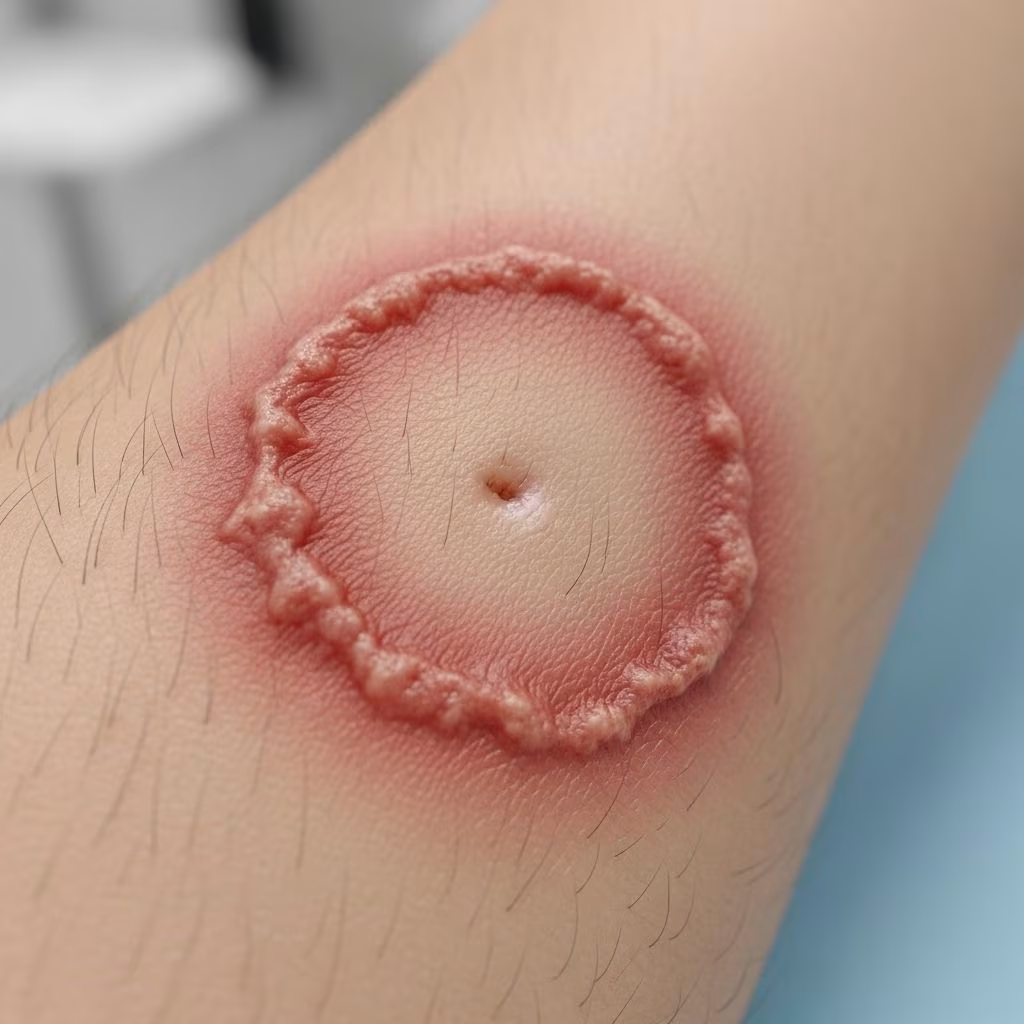
Finding mold in your toilet can be startling and raise concerns about both home hygiene and personal health. One question that has emerged is whether the presence of toilet mold might be linked to conditions such as diabetes. This comprehensive guide explores the facts, dispels common myths, details health risks, and offers actionable steps to keep your bathroom safe and healthy—especially for people managing diabetes.
Understanding Toilet Mold: Why Does Mold Grow in Toilets?
Mold is a type of fungus that thrives in damp, humid, and poorly ventilated environments. Bathrooms, especially toilets, provide optimal conditions for mold spores to settle and multiply. Sources of moisture include leaky pipes, warm air, condensation, and frequent use of hot water. Infrequent cleaning and poor maintenance further fuel growth.
- Frequently moist surfaces: Toilets, sinks, tiles, and shower areas are exposed to regular moisture.
- Poor ventilation: Bathrooms without exhaust fans or airflow allow humidity to persist, ideal for mold.
- Cleaning routines: Infrequent scrubbing allows spores to settle and spread, especially under rims and at the waterline.
- Leaks and standing water: Persistent leaks or puddles can create breeding grounds for mold colonies.
The Diabetes-Mold Connection: Myth or Fact?
Is mold in the toilet a sign of diabetes? While it is a common belief, the reality is more nuanced. Mold itself is not a direct indicator of diabetes, but certain circumstances related to diabetes may indirectly increase the likelihood of toilet mold.
Diabetes is a metabolic disorder that impacts how the body regulates blood sugar. When blood sugar is poorly controlled, excess glucose can appear in the urine—a condition called glycosuria. Since sugar feeds mold, urine with high glucose content may slightly accelerate mold growth in the toilet. However, several key factors underpin this link:
- High glucose in urine: People with uncontrolled diabetes may pass excess sugar in their urine, which enters the toilet bowl and can act as a nutrient for mold colonies.
- Frequent urination: Diabetes can increase urination (polyuria), leading to higher moisture levels and the need for more frequent cleaning.
- Neglected bathroom hygiene: If a person’s overall health or energy is compromised by unmanaged diabetes, they may clean the bathroom less frequently—contributing to mold growth.
- Compromised immunity: People with diabetes are more vulnerable to infections, including those triggered by mold spores.
Importantly, most cases of toilet mold are not due to diabetes but to general household or environmental factors. Regular cleaning and proper bathroom care remain the primary prevention tools for everyone.
Can Mold in the Toilet Indicate Poorly Managed Diabetes?
While finding mold in the toilet does not confirm someone has diabetes, there are special considerations:
- High blood sugar symptoms: Uncontrolled diabetes can result in excess sugar passing into the urine. If you reliably see rapid, persistent reappearance of mold despite regular cleaning, it may be wise to rule out diabetes, especially if accompanied by other symptoms: increased thirst, frequent urination, unexplained weight loss, and fatigue.
- Indirect indicator: Mold appearing repeatedly may indicate poor household hygiene, high humidity, or leaks, but it could suggest high sugar levels in urine as one contributing factor.
Health Effects of Mold Exposure: Who Is Most at Risk?
Mold exposure can affect anyone, but some populations, including people with diabetes, may be at increased risk for health complications:
- Respiratory issues: Mold spores can cause coughing, wheezing, shortness of breath, and chest tightness—especially in those with asthma or compromised lung function.
- Allergic reactions: Symptoms include runny nose, itchy or watery eyes, and sneezing. Individuals with weakened immune systems are particularly vulnerable.
- Skin irritation: Contact with mold can cause rashes or aggravate skin conditions.
- Infections: Rarely, those with chronic illnesses or suppressed immunity can develop fungal infections from certain types of mold.
| Group | Risks |
|---|---|
| People with diabetes | Weakened immunity, higher risk of infections, vulnerable to respiratory and skin issues |
| Children & elderly | Immune systems not fully developed or weakened, at greater risk of severe symptoms |
| People with chronic illnesses (e.g. asthma) | Increased sensitivity to mold, risk of asthma attacks and lung complications |
| Pets | Potential for respiratory distress and gastrointestinal symptoms |
Types and Appearance of Mold in Toilets
Mold in toilets can appear in several colors and textures, each potentially indicating different species or environmental conditions:
- Black mold: Often seen under the rim or around the waterline, dark and sometimes slimy—potentially toxic in large amounts.
- Pink or red mold: Caused by bacteria such as Serratia marcescens, appearing as pink rings or slime, less toxic but may indicate unsanitary conditions.
- Green mold: Marked by green spots or patches, typically less hazardous than black mold but still triggers allergies in sensitive individuals.
- White mold: Difficult to see, especially on the porcelain, but it can cause allergic reactions and be persistent if unnoticed.
- Brown mold: Often accompanies pink or red species, can cause gastrointestinal and skin reactions in vulnerable people.
All types are best addressed by prompt cleaning and preventive measures.
Why Is Mold in Toilets More Common for People with Diabetes?
There are several diabetes-related factors that may increase the likelihood of finding mold in the toilet for people with this condition:
- Glycosuria: High blood sugar leads to sugar in urine, which feeds mold directly.
- Frequent urination: More urine in the bowl raises moisture, a key factor for mold growth.
- Compromised cleaning: Chronic fatigue or illness can interfere with routine bathroom maintenance.
For this reason, regular toilet inspection can serve as a practical check—though it is not a replacement for proper diabetes management or medical consultation.
How to Identify Mold Growth in Your Toilet
Spotting toilet mold early makes it easier to eliminate and prevent health risks:
- Visual signs: Look for black, green, pink, or brown slime or spots under the toilet rim and at the waterline.
- Odor: A persistent musty or earthy smell in the bathroom may signal hidden mold.
- Texture: Slippery or velvety films may indicate active mold colonies.
- Rapid return: If mold quickly reappears after cleaning, check for leaks, humidity, or review your diabetes management if you are at risk.
Health and Hygiene Risks of Toilet Mold in Diabetes
For people managing diabetes, mold increases risks in several areas:
- Respiratory complications: Mold spores may worsen asthma or lead to chronic coughing and wheezing
- Increased skin and nail infections: Diabetic skin and feet are already at risk for fungal infections, and exposure to mold increases this danger.
- Aggravation of allergies: Mold allergens may overload the immune system, causing flare-ups.
- General infections: Mold exposure may cause infections that heal slowly or become severe in immuno-compromised people.
Effective Strategies to Prevent and Remove Toilet Mold
Proactive prevention is the best solution for managing and eliminating mold. Key steps include:
- Regular cleaning: Clean and disinfect the toilet bowl at least once every two days. Use a toilet brush with an antibacterial cleaner, scrubbing under the rim and at the waterline.
- Improve ventilation: Run an exhaust fan during and after showers. Keep windows cracked open if possible to lower humidity.
- Fix leaks: Promptly repair any leaking pipes, faucets, or toilets to reduce persistent dampness.
- Wipe down wet surfaces: After bathing or showering, dry tiles, tubs, mirrors, and counters to prevent excess moisture.
- Monitor for glycosuria: People with diabetes should work with their healthcare provider to manage blood sugar and reduce sugar in urine.
- Remove and replace old items: Replace moldy shower curtains, toilet seat covers, and keep cleaning accessories dry.
For persistent mold, use diluted bleach or a specialized mold-removal product—and always wear gloves and ventilate the area.
When to Seek Help: Consulting Your Healthcare Provider
If you have diabetes and experience any of the following while noticing recurring toilet mold, it is important to consult your healthcare provider:
- Frequent urination and thirst with unexplained symptoms
- Persistent mold despite regular toilet cleaning and bathroom maintenance
- Unusual or severe allergic or respiratory symptoms (wheezing, cough, rashes)
- Repeated fungal infections on your skin, feet, or nails
Your provider can check for glycosuria and review your diabetes management plan.
Frequently Asked Questions (FAQs)
Does mold in the toilet mean I have diabetes?
No, mold in the toilet does not directly indicate diabetes. However, uncontrolled diabetes can contribute to glucose in the urine, which may feed mold growth. Occasional mold growth is far more likely due to environmental and hygiene factors than health concerns. If other diabetes symptoms are present, consult your physician.
How can I prevent mold in my toilet?
The most effective strategies include:
- Scrubbing the toilet every couple of days
- Fixing water leaks promptly
- Ventilating the bathroom
- Reducing humidity by wiping wet surfaces dry
- Managing blood sugar levels if you are diabetic
Is toilet mold dangerous?
Usually, small amounts of toilet mold cause minor issues, but prolonged exposure can trigger allergies, worsen asthma, and lead to skin irritation—especially in people with diabetes, children, or those with compromised immunity.
What are the signs of mold in the toilet?
Look for dark or colored spots under the rim, at the waterline, or a slimy residue or musty odor in the bathroom. Rapid reappearance after cleaning may indicate a persistent problem like high glucose in urine or ongoing leaks.
Can mold exposure affect my diabetes management?
Yes—in people with diabetes, mold exposure can exacerbate infections and complicate blood sugar management by stressing the immune system and triggering respiratory or skin problems. Keeping mold at bay supports better overall health.
Key Takeaways
- Mold in the toilet is most often a result of moisture and inadequate cleaning, not a direct sign of diabetes.
- Uncontrolled diabetes can contribute to more frequent, sugar-rich urination, creating a more favorable environment for mold growth.
- For people with diabetes, minimizing mold exposure helps prevent aggravation of health issues.
- Consistent cleaning, proper ventilation, and managing leaks are essential—and individuals with diabetes should maintain blood sugar control to limit both health risks and mold recurrence.
- If you suspect diabetes due to other symptoms or have persistent mold despite good hygiene, consult a healthcare provider for evaluation and guidance.
References
- https://medicasapp.com/blogs/moldy-toilets-diabetes/
- https://themoldassassins.com/blog/managing-bathroom-hygiene-for-people-with-diabetes/
- https://www.puroclean.com/san-clemente-ca-puroclean-san-clemente/blog/how-did-mold-get-in-my-toilet-bowl-6-possible-explanations/
- https://www.healthline.com/health/black-mold-exposure
- https://www.medicalnewstoday.com/articles/288651