How to Pick the Perfect Ripe Watermelon
Few summer pleasures rival biting into a cold, juicy ripe watermelon. But choosing a watermelon at the store, farmers’ market, or garden doesn’t have to feel like a gamble. This guide synthesizes proven tips, debunks persistent myths, and relies on real-world tests to help you identify the best watermelon—without guesswork.
Understanding Watermelon Ripeness: Tradition vs. Science
For generations, people have passed down folklore for picking the ripest watermelon. While some of those tips hold up under scientific scrutiny, others don’t. Reliable selection is about knowing what signs really matter—from exterior color to weight and sound. Let’s examine which traditional tests work and why, blending old wisdom with new research.
Watermelon Anatomy 101
To pick the best fruit, it helps to understand watermelon anatomy:
- Rind: The tough, outer skin. Ripe melons have specific rind color and texture.
- Field Spot: The patch where the melon rested on the ground; its color signals ripeness.
- Flesh: The edible interior, whose sweetness and juiciness are products of ripening.
Popular Watermelon Ripeness Tests: Fact and Fiction
Let’s break down some of the most common methods for picking a ripe watermelon—and separate the ones worth trusting from the ones you can skip.
1. Check the Field (Ground) Spot
The field spot is the large, lighter patch on a watermelon’s underside where it sat on the soil.
- Yellow field spot: Indicates ripeness, as the melon has spent enough time maturing.
- White or pale spot: Suggests the fruit was picked too early and may lack sweetness.
The color of the field spot is one of the most reliable axes for ripeness.
2. Examine the Rind: Color and Dullness
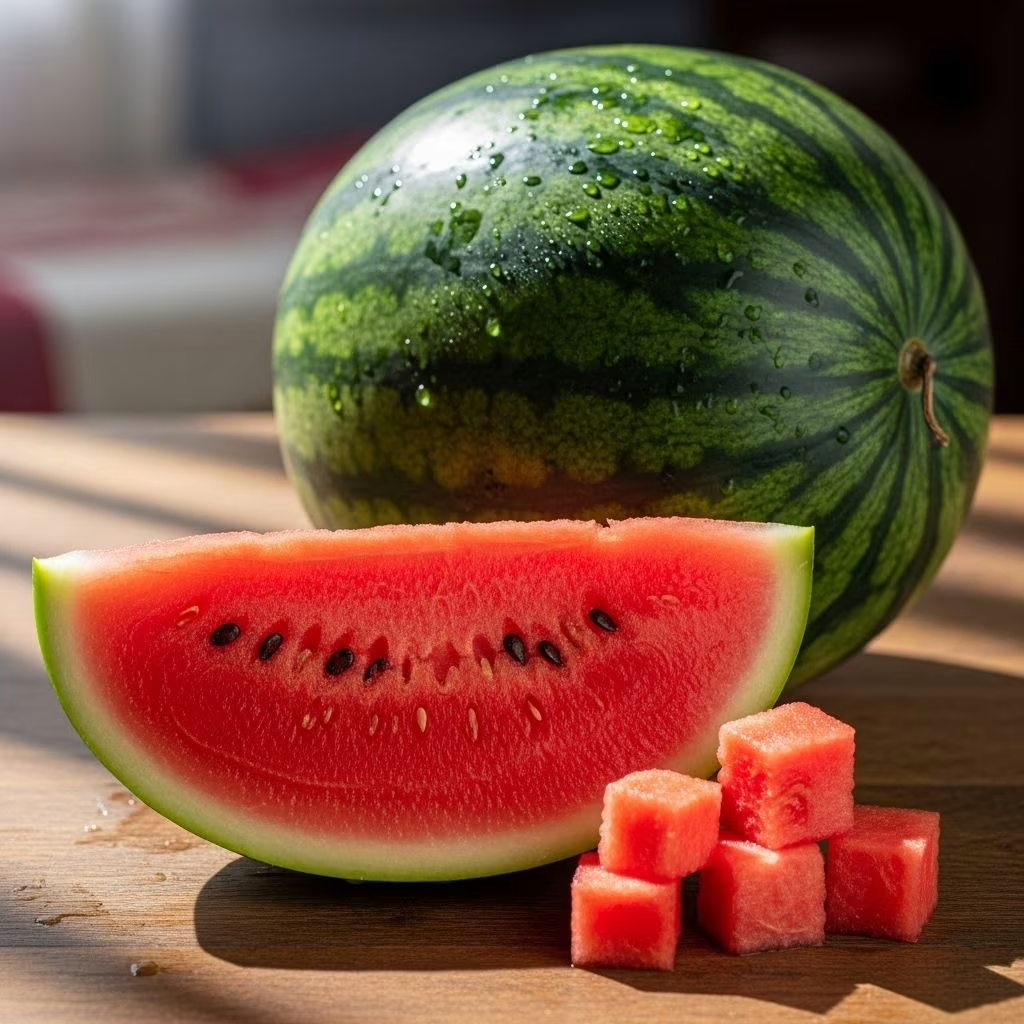
- Dark, dull rind: Points to a ripe watermelon. Shiny or reflective skin means the melon isn’t mature yet.
- The color should be consistent and rich.
- A faded or dry appearance is a positive sign.
Glossy melons are generally underripe; always prefer those with a matte finish.
3. Heft: Pick the Heaviest Melon For Its Size
- Ripe watermelons feel heavier than they look—density signals juiciness and sweetness.
- Watermelons lose water as they over-ripen; under-ripe ones lack moisture.
Heaviness correlates with optimal water and sugar content.
4. Sound Test: Listen for the Deep Pitch
- Tap or slap the melon— a ripe watermelon often produces a deep, resonant thump.
- A dull, hollow sound suggests unripeness, while flat or muted tones may indicate texture issues or over-ripeness.
- This method is subjective and best complemented with other tests.
5. Inspect Shape and Uniformity
- Symmetrical, uniform shape: Ripe watermelons are typically evenly rounded or oval without major flat spots or lumps.
- Irregular shapes may indicate uneven ripening and inconsistent taste.
6. Look for ‘Webbing’ or Sugar Spots
- Brown, rough web-like patches or dots—often called ‘sugar spots’—suggest higher sugar content.
- Extensive webbing is a good sign for sweetness, though avoid fruit with actual cracks or soft spots.
7. Assess Soft Spots
- Small, soft patches on the underside: These signal overripeness—watermelons should be firm all over.
- Slight give is normal, but mushiness means texture loss.
8. Straw Test: Myth or Magic?
The folklore of placing a straw on a melon to see if it spins is a fun tradition but lacks scientific backing. Taste and physical signs are more reliable guides.
Visual Guide: Ripe vs. Unripe Watermelon Traits
| Trait | Ripe Watermelon | Unripe/Overripe Watermelon |
|---|---|---|
| Field Spot | Yellow, large | White or greenish |
| Rind | Dark, matte | Shiny (underripe) / very dull and dry (overripe) |
| Weight | Feels heavy for size | Feels light or soft |
| Sound | Deep thump | Hollow or flat |
| Shape | Symmetrical | Irregular/lopsided/flat spots |
| Texture | Firm, no soft spots | Give, mushiness, cracks |
| Webbing | Present, brownish | Absent or excessive with rot |
Debunking Watermelon Myths
Not all popular ‘watermelon hacks’ are backed by science. Here are several common myths and what the evidence says:
- Male vs. Female Watermelons: Some claim round watermelons are sweeter (female) than oval ones (male). Botanically, watermelons don’t have male or female fruits—shape is variety-dependent.
- Uniform Stripes and Color: While consistent color can be helpful, it’s less important than dullness and field spot.
- Size Matters Most: Bigger doesn’t always mean better—it’s the weight-to-size ratio and field spot that matter most.
The Science: Brix Rating, Moisture, Flavor
Professional melon growers use tools like refractometers to measure sugar (Brix) content—often correlating with flavor and ripeness. While this isn’t practical for shoppers, it’s comforting that the best taste matches the best visual cues:
- High Brix = Sweet, flavorful watermelon
- Yellow field spot, dull rind, and heavy weight align with higher Brix readings
- Taste remains the ultimate test
Practical Steps: Picking Your Watermelon at the Store
Apply these steps next time you’re choosing watermelon:
- Scan for melons with a rich, dark matte finish and a creamy yellow field spot.
- Lift several similarly sized melons—pick the heaviest.
- Check for symmetrical shapes without irregularities or blemishes.
- Look for ‘webbing’ or small, tan sugar spots for added sweetness.
- Tap the melon—listen for a low, resonant sound.
- Avoid soft spots, cracks, or watery leakage.
Storing and Serving Your Watermelon
After purchase:
- Store uncut watermelon at room temperature for up to 1 week.
- Refrigerate after cutting for up to 5 days—keep tightly wrapped to retain moisture.
- Serve cold for best texture and taste.
FAQs: Watermelon Ripeness and Selection
- Q: Can I tell ripeness from the stem?
- A dry, brown stem may signal maturity, but a missing or green stem isn’t always a deal-breaker.
- Q: Are seedless watermelons as sweet as seeded?
- Seedless varieties can be just as sweet if picked at peak ripeness; focus on the field spot and rind.
- Q: What should I do if I cut open an unripe melon?
- Letting it sit at room temperature may soften it, but it won’t develop additional sugars or flavor.
- Q: Do watermelon color variations matter for ripeness?
- The most important color cue is the field spot—outside, a darker, matte rind; inside, deep red or pink flesh signals readiness.
Expert Tips for Picking Watermelons from the Garden
If you grow watermelon, the same signs apply:
- Wait until the field spot is deep yellow and the vine nearest the melon dries up.
- Tend melons carefully—overwatering can dilute flavor and split the rind.
- Leave harvest until the melon resists easy thumb pressure.
Conclusion: Sweet Success Awaits
With these proven tips, you’ll never need to gamble on watermelon flavor again. From field spot and dull rind to heft and sound, the visual and tactile cues you find in nature—and confirmed by science—deliver the sweetest, juiciest slices all summer long.