Floaters After Cataract Surgery: What You Need to Know
Floaters are a common concern following cataract surgery. While many are harmless, some may signal more serious eye issues that require prompt medical attention. Understanding their causes, symptoms, and management options can help you protect your vision and maximize the benefits of your surgery.
What Are Eye Floaters?
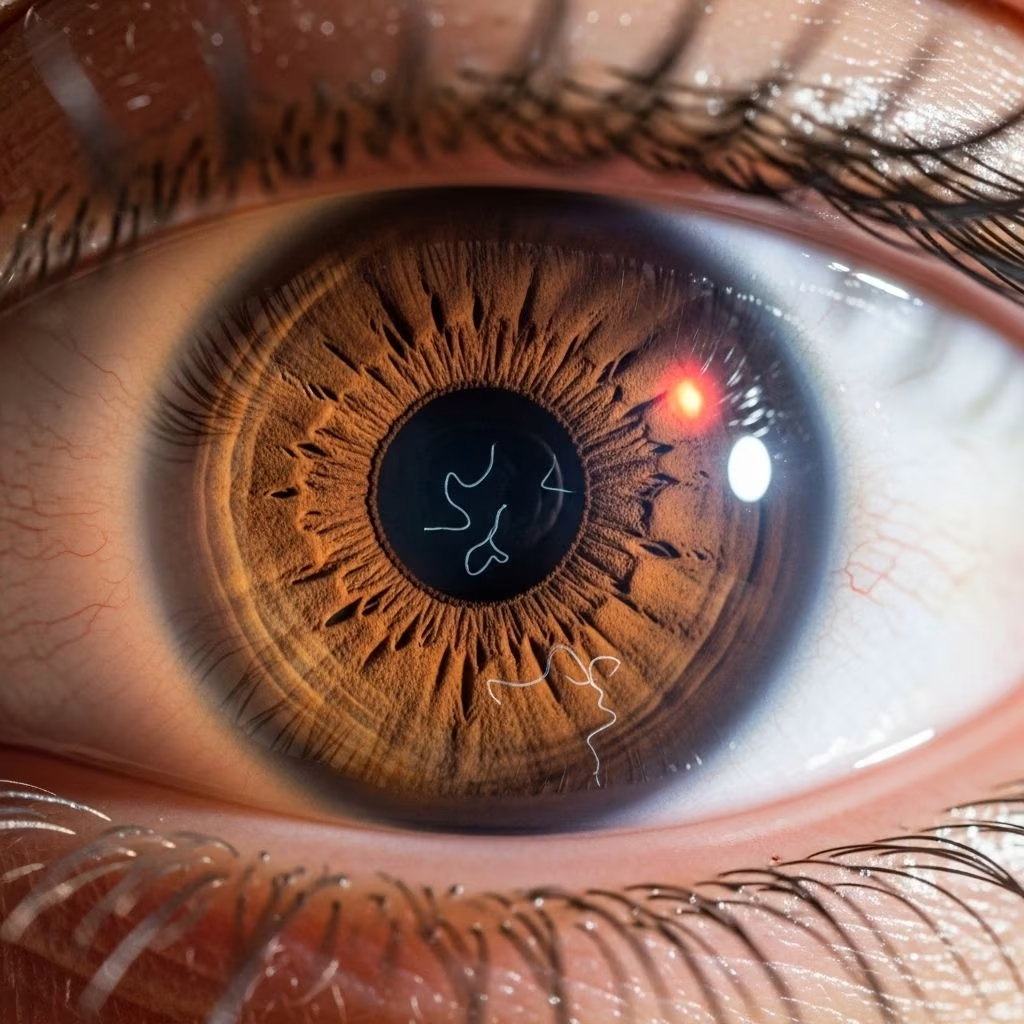
Eye floaters are small shadows or shapes that drift across your vision. They may look like tiny spots, thread-like strands, cobwebs, or squiggly lines. Floaters are caused by small clumps within the vitreous humor — the clear, gel-like substance that fills the eye.
- Floaters are particularly noticeable when looking at something bright, like a blue sky or a white wall.
- They move as your eyes move and often seem to dart away if you try to look at them directly.
The floaters themselves do not usually block vision, but they can be distracting, especially when they increase suddenly.
Why Do Floaters Occur After Cataract Surgery?
Cataract surgery involves removing the eye’s clouded lens and replacing it with a clear artificial lens. After surgery, patients often report an increase in the visibility of floaters for several reasons:
- Posterior Vitreous Detachment (PVD): The manipulation of the eye or lens during surgery can cause the vitreous gel to pull away from the retina, leading to new floaters or making existing ones more noticeable.
- Improved Vision: The removal of the cloudy lens allows more light to enter the eye, making preexisting floaters that were previously hidden more apparent.
It is crucial to note that while most post-operative floaters are benign, their sudden appearance can sometimes indicate a more serious underlying issue.
Are Floaters After Surgery Dangerous?
Most floaters after cataract surgery are harmless and fade with time as your eyes adjust and heal. However, in some cases, floaters may signal serious complications, such as:
- Retinal tear
- Retinal detachment
- Hemorrhage within the eye
Risk factors for developing post-surgical complications include age, existing eye conditions, trauma, or complicated surgery. Regular follow-up with your ophthalmologist can help identify issues early.
Recognizing Serious Symptoms
If you notice floaters alongside other symptoms, urgent medical evaluation is needed. Signs of a potentially severe postsurgical side effect include:
- Sudden increase in the number of floaters
- Flashes of light
- A gray curtain or shadow moving across your vision
- Loss of peripheral vision
- Persistent eye pain not relieved by medication
- Intense or worsening redness in the eye
- Sudden vision loss (in any area)
These symptoms could indicate retinal detachment or a tear—serious conditions that require prompt intervention to preserve sight.
Diagnosis and Management
When floaters are noted after cataract surgery, your eye doctor will perform a dilated eye exam to inspect the vitreous and retina. This helps determine whether the floaters are caused by benign changes (such as aging or PVD) or if there is a more dangerous cause, like a retinal tear.
- If floaters are due to normal aging or PVD and are not causing significant issues, no treatment is usually needed; time and adaptation often reduce their impact.
- Floaters caused by retinal tears or detachment require medical intervention.
Careful assessment is key to providing the correct management and preventing vision loss.
Treatment Options for Floaters
Treatment depends on the underlying cause and severity of the floaters. Options include:
- Conservative Management: Most floaters will settle as healing progresses and the brain adapts to ignore them.
- Laser Vitreolysis: A special laser breaks up large floaters, making them less noticeable. This office-based procedure may improve symptoms but is typically reserved for persistent, bothersome floaters.
- Vitrectomy: A surgical approach that removes the vitreous (and thus the floaters) from the eye, replacing it with a saline solution. This is reserved for severe cases due to the risks involved—such as infection, bleeding, or retinal detachment.
- Treatment for Retinal Tears: Small tears may be repaired using a laser or cryotherapy (freezing probe). More extensive tears or detachments may need more complex surgery, sometimes involving air, oil, or saline to support the retina.
Your doctor will discuss the risks and benefits of each approach and recommend the safest option for your particular situation.
Living With Floaters and Eye Care Tips
Living with floaters can be frustrating, but the following tips and lifestyle changes may help minimize their impact and preserve your vision:
- Stay hydrated: Proper hydration keeps the vitreous healthy and may help reduce floaters over time.
- Wear sunglasses: Protect your eyes from ultraviolet (UV) rays by choosing sunglasses that block UVA and UVB. This helps maintain overall eye health.
- Avoid eye strain: Take regular breaks when using screens or reading.
- Protect your eyes from trauma: Avoid activities with a high risk of eye injury unless proper protection is worn.
- Regular eye exams: Post-surgical checkups help catch complications early and maintain optimal outcomes.
If you exercise regularly, you can generally resume most activities after cataract surgery. Always follow your doctor’s instructions, and if you notice worsening floaters or other symptoms during activity, stop and seek medical advice promptly.
Frequently Asked Questions (FAQs)
Q: Are floaters common after cataract surgery?
A: Yes. Many people notice floaters after their procedure, either because their improved vision makes preexisting floaters more visible, or due to changes such as posterior vitreous detachment. Most cases are harmless but should be monitored with regular eye checks.
Q: When are floaters a sign of danger?
A: Seek emergency care for floaters that suddenly increase, are accompanied by flashes of light, shadows, vision loss, or severe eye pain. These symptoms could indicate retinal detachment, requiring urgent intervention.
Q: Can floaters be prevented?
A: Most floaters are a natural part of aging, and there is no definite prevention. Wearing UV-protective sunglasses, staying hydrated, and protecting your eyes from trauma may help support overall eye health.
Q: What treatments are available if floaters are bothersome?
A: Conservative management—waiting for adaptation—is suggested for mild cases. For more severe floaters, laser vitreolysis or vitrectomy may be options depending on your doctor’s evaluation.
Q: Should I stop exercising if I have floaters?
A: Most activities can be resumed after cataract surgery, but it’s wise to follow your doctor’s advice. If symptoms worsen during exercise, stop and consult your eye specialist.
Q: Is blurry vision with floaters after surgery normal?
A: Mild blurry vision is common as your eyes adapt to the new lens. However, significant or worsening blurry vision, especially with floaters, should be evaluated to rule out complications.
Summary Table: Floaters After Cataract Surgery
| Cause | Typical Symptoms | When to See a Doctor | Possible Treatments |
|---|---|---|---|
| Posterior Vitreous Detachment (PVD) | New floaters, mild flashes | If sudden onset, or floaters worsen with flashes | Usually no treatment; rarely vitrectomy |
| Retinal Tear/Detachment | Floaters, flashes, vision loss, dark curtain | Immediately (emergency) | Laser, freezing, or surgical repair |
| Aging Changes | Intermittent floaters | If sudden new floaters appear | Conservative management |
| Bleeding/Infection | Redness, pain, severe floaters, decreased vision | Immediately | Surgical/medical treatment |
Maintaining Optimal Eye Health After Cataract Surgery
Floaters can be frustrating, but understanding their causes and potential complications is crucial for optimal recovery. Here’s how you can be proactive about your eye health:
- Attend regular follow-up appointments as advised by your ophthalmologist.
- Monitor for any sudden changes in vision, flashes, or increased floaters.
- Take prescribed medications as directed post-surgery.
- Stay informed about warning signs that require immediate attention.
Early diagnosis and treatment for retinal problems dramatically improve outcomes. By managing risk factors and following medical advice, you are best positioned to enjoy the full benefits of restored vision after cataract surgery.
When to Seek Help
If you experience any of the following symptoms, seek ophthalmological care immediately:
- Sudden increase or cluster of floaters after cataract surgery
- Flashes of light
- Darkening or curtain-like shadow in your vision
- Acute vision loss or blind spots
- Pain, redness, or discomfort not controlled by medications
Prompt attention can preserve sight and prevent long-term complications.
Takeaway
Floaters after cataract surgery are common and usually benign, but they can sometimes indicate a serious eye problem. Regular follow-up with an eye specialist and prompt attention to warning signs are essential for protecting your vision. The vast majority of patients enjoy improved vision and quality of life after surgery with proper postoperative care.
References
- https://www.morningtoneye.com.au/floaters-after-cataract-surgery/
- https://florencehealthcare.international/eye-floaters-after-cataract-surgery-causes-and-treatment/
- https://www.healthline.com/health/eye-health/floaters-after-cataract-surgery
- https://armadale-eye.com.au/floaters-after-cataract-surgery/
- https://www.healthline.com/health/eye-health/cataract-surgery-complications
- https://www.medicalnewstoday.com/articles/blurred-vision-2-years-after-cataract-surgery
- https://www.nei.nih.gov/learn-about-eye-health/eye-conditions-and-diseases/floaters
- https://binettereyecentre.com.au/2019/09/18/how-to-reduce-eye-floaters/
- https://www.eurekahealth.com/resources/what-does-it-mean-when-you-see-floaters-en