Sabudana and Diabetes: Is It a Safe Choice for Blood Sugar?
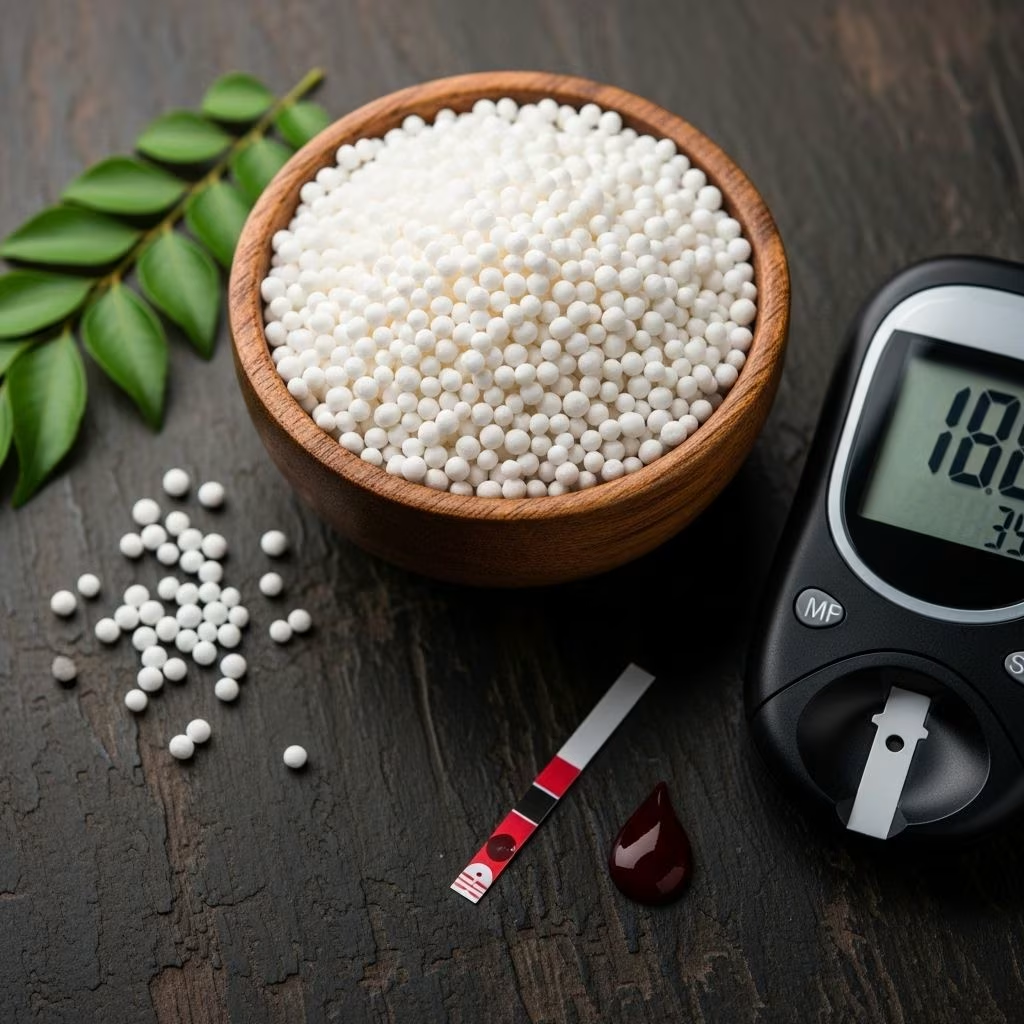
Sabudana, popularly known as tapioca pearls, is a staple in Indian fasting rituals and a common ingredient in dishes like khichdi, vada, and kheer. While it offers quick energy and is naturally gluten-free, its high carbohydrate content raises questions about its safety for people living with diabetes. This article explores whether sabudana can be part of a diabetic diet, its nutritional composition, potential health benefits, blood sugar considerations, and tips for safer consumption.
What Is Sabudana?
Sabudana is made from the cassava root, processed into small, white tapioca pearls. Its neutral taste and starchy texture make it a versatile ingredient in Indian, Southeast Asian, and global cuisines. Typical sabudana-based dishes include:
- Sabudana khichdi (spiced tapioca pearls with peanuts and potatoes)
- Sabudana vada (crispy fritters)
- Sabudana kheer (milky dessert)
Since sabudana is extracted from the root of the cassava plant, it is naturally gluten-free and often used during religious fasts, as it is light, easy to digest, and supplies quick energy.
Is Sabudana Beneficial for People With Diabetes?
For people without diabetes, sabudana is a harmless, convenient source of energy. But for those managing diabetes, dietary carbohydrate load plays a crucial role in regulating blood sugar. Here’s what to consider when including sabudana in a diabetes-friendly diet:
- High in carbohydrates: The primary macronutrient in sabudana is starch, which the body rapidly breaks down into glucose.
- Rapid blood sugar impact: Eating large portions or combining sabudana with other high-carb foods can cause sharp rises in blood sugar levels.
- Not forbidden, but moderation is crucial: With careful portion control and smart pairings, sabudana can still have a place in your diet.
Adopting a mindful approach—especially for those with insulin-dependent or type 2 diabetes—is necessary for minimizing any negative effects.
Nutritional Profile of Sabudana
| Nutrient | Per 1 Cup (approx. 150g cooked) |
|---|---|
| Calories | ~544 kcal |
| Carbohydrates | ~135g |
| Fiber | ~1.4g |
| Protein | ~0.3g |
| Fat | ~0.03g |
| Calcium | ~30mg |
| Iron | ~2.4mg |
| Potassium | ~17mg |
| Magnesium | ~1.5mg |
As the table shows, the macronutrient profile is dominated by carbohydrates, with minimal protein, fat, and fiber, underscoring the need for balanced meal composition.
The Glycemic Index of Sabudana
The glycemic index (GI) is a measure of how quickly a food increases blood glucose after consumption. Foods are classified as low (GI < 55), moderate (56-69), or high (≥ 70) in glycemic index. Sabudana’s GI varies across sources but is generally in the moderate to high range:
- Moderate GI: Some sources list sabudana’s GI around 67.
- High GI: Other estimates place its GI between 70-80.
This means sabudana can rapidly increase your blood sugar, so portion control and food pairing are important, especially for those managing diabetes.
Health Benefits of Sabudana
Despite its high carbohydrate content, sabudana offers several health benefits when consumed in moderation and as part of a balanced diet.
1. Provides Quick Energy
With its high starch content, sabudana offers a rapid energy boost, making it popular during fasting or post-illness recovery. Diabetics, when active, may benefit by consuming small amounts before physical exercise to prevent low energy.
2. Gluten-Free for Dietary Intolerances
Sabudana is a naturally gluten-free option, ideal for people with celiac disease or gluten intolerance, preventing symptoms like bloating, constipation, and fatigue.
3. Easy to Digest
Its bland, soft texture and easily digestible starch make sabudana suitable for those with gastrointestinal issues or recovery from illness. It seldom triggers digestive discomfort.
4. Supports Bone and Cardiovascular Health
- Calcium content: Aids bone strength, helpful for older adults at risk of osteoporosis.
- Potassium: Supports heart health and helps in maintaining normal blood pressure.
5. May Relieve Fatigue and Constipation
Some people with diabetes experience chronic fatigue or constipation. Sabudana’s simple carbs can fight tiredness, while its minimal fiber may gently aid digestion for those on a bland diet.
Risks and Drawbacks for People With Diabetes
- Rapidly Raises Blood Sugar: Due to its high glycemic index, large or frequent portions of sabudana can lead to blood sugar spikes.
- Low in Fiber and Protein: Lacks substantial amounts of fiber or protein to slow glucose absorption or increase satiety.
- Risk of Overconsumption: As a mild-tasting, versatile food, sabudana can easily be overeaten unless portion sizes are measured.
- Lacks Key Micronutrients: Other than some calcium, iron, and potassium, it is not a substantial source of vitamins or minerals.
- Potential Weight Gain: High calorie density could cause weight gain if not balanced against overall calorie needs.
How to Include Sabudana in a Diabetes-Friendly Diet
If you enjoy sabudana and do not want to exclude it entirely, try following these evidence-based strategies to minimize the impact on your blood sugar:
- Pair with fiber-rich vegetables: Add low-calorie, non-starchy vegetables (e.g., spinach, broccoli, bell peppers) to sabudana preparations to increase fiber and slow glucose absorption.
- Add a protein source: Pair sabudana with grilled paneer, tofu, lentils, or nuts to help balance the meal and keep you full longer.
- Control portion size: Limit the serving to ½–1 cup cooked sabudana in a meal to moderate your carb intake.
- Time your meals wisely: Eat sabudana earlier in the day or before physical activity, when your body can utilize the carbs for energy more efficiently.
- Avoid added sugars: Skip sweets like sabudana kheer or vada, which add refined sugar and fat, and choose savory, veggie-rich preparations.
- Monitor blood sugar: Track your blood glucose after consuming sabudana to see how your body responds.
Should Sabudana Be Completely Avoided?
There is no medical need for most people with diabetes to completely eliminate sabudana from their diets. The focus should be on:
- Moderation: Enjoy sabudana occasionally, not as a daily staple.
- Mindful meal planning: Combine sabudana with protein and fiber sources, and consider its carb load in your meal plan.
- Individual differences: Some people may tolerate sabudana better than others. Consult your doctor or a registered dietitian for personalized advice.
If you observe consistent blood sugar spikes after eating sabudana, consider substituting it with lower GI grains or starchy vegetables like barley, brown rice, or sweet potatoes for better glycemic control.
Expert Tips for Eating Sabudana With Diabetes
- Soak and rinse sabudana: Proper soaking and rinsing may help reduce some starchy residue, making the pearls less sticky and easier to portion.
- Bulk up with non-starchy vegetables: Add a substantial amount of spinach, capsicum, carrots, or tomato to khichdi or upma for added nutrients and fiber.
- Avoid fried preparations: Prefer boiled, steamed, or lightly sautéed cooking methods rather than deep-frying, which adds unnecessary calories.
- Check your portion and balance macros: Use sabudana as one part of a meal rather than the main ingredient. Mixing with other whole grains or pulses can help balance the meal.
Frequently Asked Questions (FAQs)
Q: Is sabudana completely off limits for people with diabetes?
A: No, sabudana is not completely forbidden. It may be included in moderation as part of a balanced diet, ideally with fiber-rich vegetables and some protein, but should not be a daily staple for most people with diabetes.
Q: What is the best way to eat sabudana for better blood sugar control?
A: Pair sabudana with high-fiber vegetables and a source of protein. Limit portion size, avoid fried or sweet preparations, and monitor your blood sugar after eating.
Q: How much sabudana is safe for a diabetic person in one meal?
A: It’s generally safe to have about ½ to 1 cup of cooked sabudana per meal, depending on your blood sugar response and overall carbohydrate goals for the meal.
Q: Does soaking sabudana before cooking reduce its glycemic index?
A: Soaking and rinsing sabudana mainly removes excess surface starch but doesn’t significantly change its glycemic index. Pairing with fiber and protein is more effective for blood sugar management.
Q: Are there healthier alternatives to sabudana for people with diabetes?
A: Yes, lower-GI grains like barley, quinoa, or brown rice offer more fiber and nutrients, making them suitable substitutes for sabudana. Root vegetables like sweet potatoes can also be alternatives, depending on individual tolerance.
Key Takeaways
- Sabudana is high in carbohydrates and has a moderate-to-high glycemic index, making it a food to consume cautiously if you have diabetes.
- When eaten in moderation with high-fiber vegetables and a protein source, sabudana can provide quick energy without causing harmful blood sugar spikes.
- Monitor your individual response to sabudana and adjust portion sizes as needed.
- A well-balanced approach and mindful eating can allow you to include sabudana in your diabetes diet safely.
References
- https://www.sugarfit.com/blog/is-sabudana-good-for-diabetes/
- https://www.sanidhyaclinic.com/post/is-sabudana-good-for-diabetes-doctor-tips
- https://diabetestelecare.com/sabudana-benefits-for-diabetes-a-nutritional-guide/
- https://www.healthline.com/health/diabetes/sabudana-diabetes
- https://www.healthline.com/health-news/food-four-food-groups-that-raise-diabetes-risk-111313
- https://www.apollo247.com/blog/article/sabudana-and-diabetes-understanding-the-nutritional-balance
- https://diabesmart.in/blogs/diet-for-diabetics/is-sabudana-good-for-diabetes
- https://pmc.ncbi.nlm.nih.gov/articles/PMC11954148/