Is Excessive Belching a Sign of Cancer?
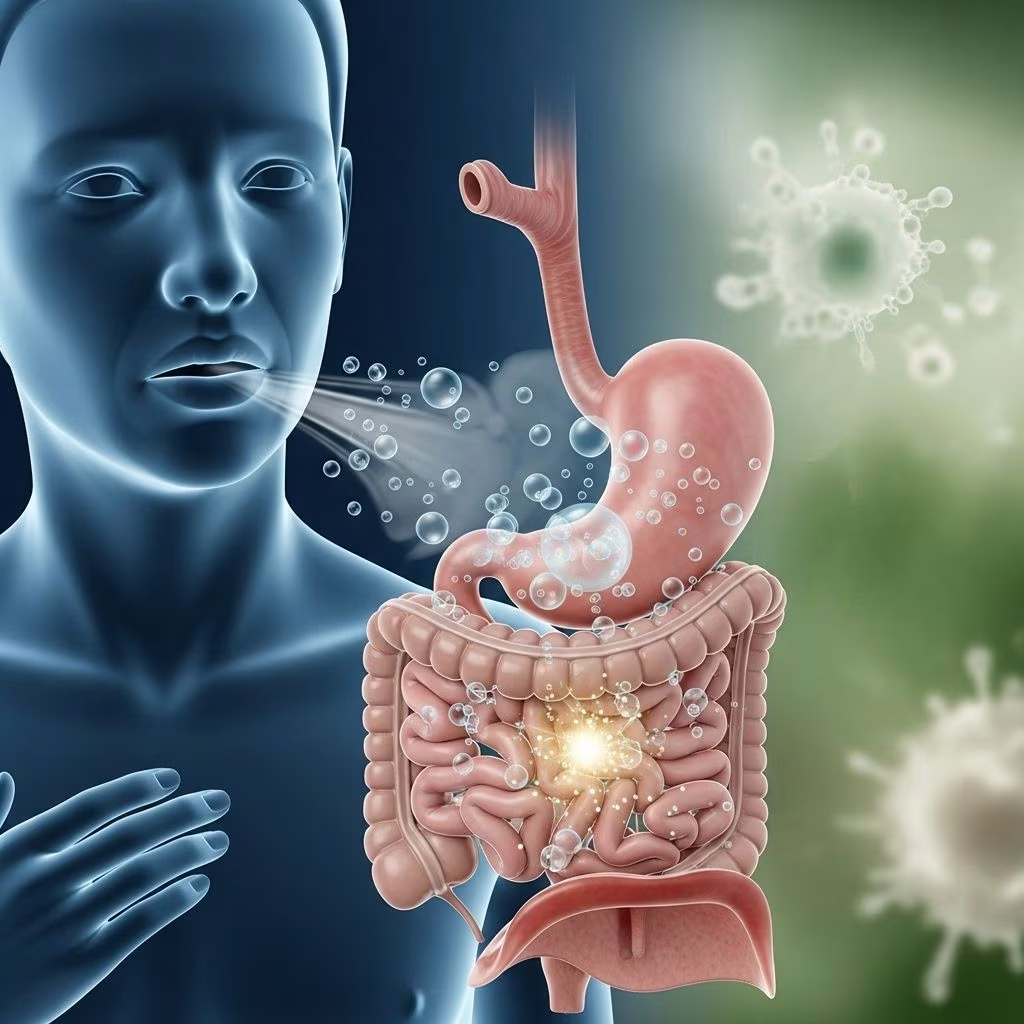
Belching, or burping, is a common and natural bodily function that helps expel swallowed air from the stomach. While most burping is harmless and related to everyday habits or benign digestive issues, persistent or excessive belching accompanied by certain symptoms may signal a more serious underlying health problem, including, in rare cases, gastrointestinal cancers such as stomach (gastric) or esophageal cancer.
What is Belching?
Belching involves the release of gas from the digestive tract through the mouth, typically caused by swallowing air while eating, drinking, or talking. It’s a normal digestive process but can become excessive due to various triggers ranging from dietary habits to medical conditions.
- Physiologic belching – Normal; due to air swallowed unintentionally.
- Pathologic belching – Excessive; may require medical attention if persistent or associated with other symptoms.
Is Excessive Belching Usually Linked to Cancer?
In most cases, excessive belching alone is not a sign of cancer. Frequent burping is more often related to digestive disorders or everyday habits than malignancy. Cancer is rarely the cause unless other concerning symptoms co-occur. Nonetheless, certain GI cancers (notably those of the stomach and esophagus) can provoke increased burping in later stages due to tumor growth or digestive obstruction, but this is uncommon and usually appears with additional warning signs.
When is Belching a Cancer Warning Sign?
Belching may be associated with cancer if accompanied by several concerning symptoms, particularly those affecting the digestive tract:
- Unexplained weight loss
- Persistent or severe abdominal pain
- Nausea and/or vomiting (sometimes with blood)
- Loss of appetite
- Dark, sticky stool (melena)
- Difficulty or pain when swallowing (dysphagia)
- Diarrhea or constipation with no apparent dietary cause
- Persistent changes in stool color or frequency
- Chest discomfort unrelated to cardiac causes
If you experience excessive belching with any of these symptoms, consult a healthcare professional promptly for evaluation.
Understanding How Cancer Can Cause Excessive Belching
Gastrointestinal cancers can affect how food and gases move through the digestive tract. Tumor growth may alter digestion, increase inflammation, or cause obstruction, leading to trapped air and more frequent burping. However, these changes usually present alongside more specific symptoms of GI disease.
| Cancer Type | Belching as Symptom | Other Associated Symptoms |
|---|---|---|
| Stomach (Gastric) Cancer | Possible in later stages | Abdominal pain, weight loss, vomiting, melena |
| Esophageal Cancer | Possible if tumor obstructs esophagus | Dysphagia, chest pain, weight loss |
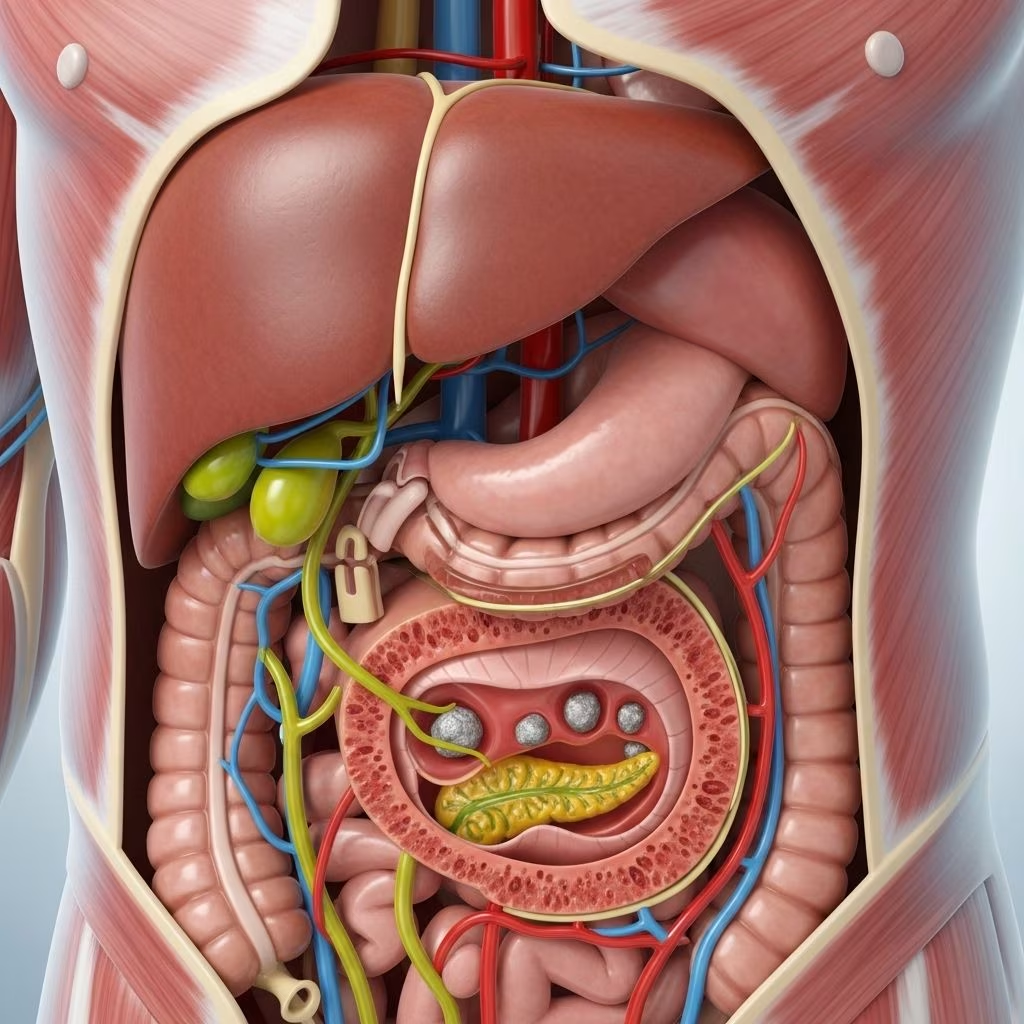
| Liver, Gallbladder, Pancreas Cancer | Rarely; may cause general digestive disturbance | Jaundice, abdominal pain, appetite loss |
Other Causes of Excessive Belching
Most often, excessive belching is linked to benign conditions or lifestyle habits. Recognizing the root causes can help to distinguish between normal and abnormal burping patterns.
- Swallowing air: Eating or drinking too quickly, talking while eating, chewing gum, sucking hard candies, and smoking all introduce additional air into the stomach.
- Carbonated or caffeinated beverages: Soda, beer, sparkling water, and energy drinks can increase gastric gas production.
- Denture or dental issues: Poorly fitting dentures can cause more air swallowing.
- Nervous habits: Stress-related swallowing or hyperventilation may lead to excessive belching.
- Hiatal hernia: A portion of the stomach pushes through the diaphragm, causing acid reflux and increased burping.
- Small intestinal bacterial overgrowth (SIBO): Imbalances in gut microbiota increase gas production.
- Food intolerances: Difficulty digesting lactose, gluten, fructose, or sorbitol can cause gas buildup and burping.
- Gastroesophageal reflux disease (GERD): Acid reflux can make belching more frequent, often with heartburn.
- Gallstones and gallbladder disease: Disruption to normal digestion due to gallstones may lead to belching and other GI symptoms.
- Stomach infections: Bacterial infections such as Helicobacter pylori can irritate the stomach lining, increasing gas release.
Lifestyle and Dietary Factors That Increase Burping
- Drinking carbonated drinks, including soda and beer
- Chewing gum or sucking hard candy
- Eating quickly, not chewing food well
- Smoking
- Consuming gas-producing foods:
- Beans, peas, lentils, onions
- Broccoli, cabbage, cauliflower
- Whole grains
- Fatty or spicy foods
When Should You Seek Medical Advice?
Most burping is harmless, but you should seek medical attention if you have any of the following:
- Persistent, unexplained increase in burping
- Associated alarming symptoms (unexplained weight loss, abdominal pain, difficulty swallowing, blood in vomit or stool)
- Significant changes in bowel habits, appetite, or overall health
Healthcare providers can evaluate your medical history, perform a physical exam, and recommend diagnostic tests to identify or exclude serious causes.
Diagnostic Tests for Excessive Belching
Physicians use several tests to determine the cause of excessive burping, especially when cancer or significant digestive disease is suspected:
- Endoscopy: A camera-equipped tube inspects the digestive tract for signs of cancer, inflammation, ulcers, or infection.
- Barium swallow: X-ray imaging after swallowing contrast liquid can reveal structural abnormalities of the esophagus and stomach.
- Imaging scans: CT scans or MRI provide detailed images of abdominal organs.
- Laboratory tests: Blood tests to check for infection, anemia, or markers for cancer.
- Stool tests: Evaluation for blood, infection, or digestive disorders.
Treatment Options for Excessive Belching
Treatment depends on the underlying cause of belching:
- Lifestyle modifications: Eat slowly, avoid carbonated drinks, chew food thoroughly, stop smoking, limit intake of high-gas foods.
- Managing digestive disorders: Specific medications for GERD, hiatal hernia, infections, or food intolerances.
- Addressing dental or denture problems: Proper fitting and maintenance can reduce air swallowing.
- Treatment for cancer: May include surgery, chemotherapy, radiation, targeted therapy, or immunotherapy depending on cancer type and stage.
Your healthcare provider will tailor treatment to your diagnosis, lifestyle, and overall health status.
Preventive Measures for Excessive Belching
- Eat and drink more slowly
- Avoid talking while eating
- Reduce consumption of carbonated, caffeinated, and artificially sweetened drinks
- Avoid chewing gum and hard candies
- Limit intake of gas-producing foods
- Consider probiotics for gut health (consult your doctor first)
- Address food intolerances and allergies
- Stop smoking
Frequently Asked Questions (FAQs)
Q: Is excessive belching alone a sign of cancer?
A: No. On its own, excessive belching is rarely a sign of cancer and is usually related to lifestyle, digestive issues, or food choices.
Q: What symptoms together with belching should prompt me to see a doctor?
A: If excessive belching is persistent and accompanied by unexplained weight loss, ongoing abdominal pain, nausea, vomiting (with or without blood), difficulty swallowing, or black stool, medical evaluation is needed.
Q: What are non-cancer causes of excessive burping?
A: The most common non-cancer causes include swallowing air, consumption of carbonated beverages, food intolerances (like lactose or gluten), GERD, hiatal hernia, SIBO, and dental issues.
Q: How is excessive belching diagnosed?
A: Diagnosis may include physical exam, endoscopy, imaging tests, stool tests, and blood tests to rule out serious conditions and identify the exact cause.
Q: Can excessive belching be prevented?
A: Yes. Strategies include eating and drinking slowly, avoiding talking while eating, skipping carbonated drinks, chewing food thoroughly, quitting smoking, and identifying food intolerances.
Key Takeaways
- Excessive belching is usually benign but can, in rare cases, signal GI cancer when accompanied by other serious symptoms.
- Most burping results from lifestyle factors, dietary choices, or common digestive disorders.
- See a medical provider for evaluation if burping persists with alarming symptoms.
- Prevention involves healthy eating habits and awareness of gas-producing foods and beverages.
- Early diagnosis of underlying health problems can ensure timely and effective treatment.
References
- https://www.patientpower.info/navigating-cancer/is-burping-a-lot-a-sign-of-cancer
- https://www.medicalnewstoday.com/articles/is-burping-a-lot-a-sign-of-cancer
- https://thegoodbug.com/blogs/news/excessive-belching-causes-and-treatment
- https://ubiehealth.com/doctors-note/burping-cancer-sign
- https://www.healthline.com/health/excessive-burping
- https://www.medicalnewstoday.com/articles/257341
- https://www.youtube.com/watch?v=s-on6FQJfak