What Is Silica Gel?
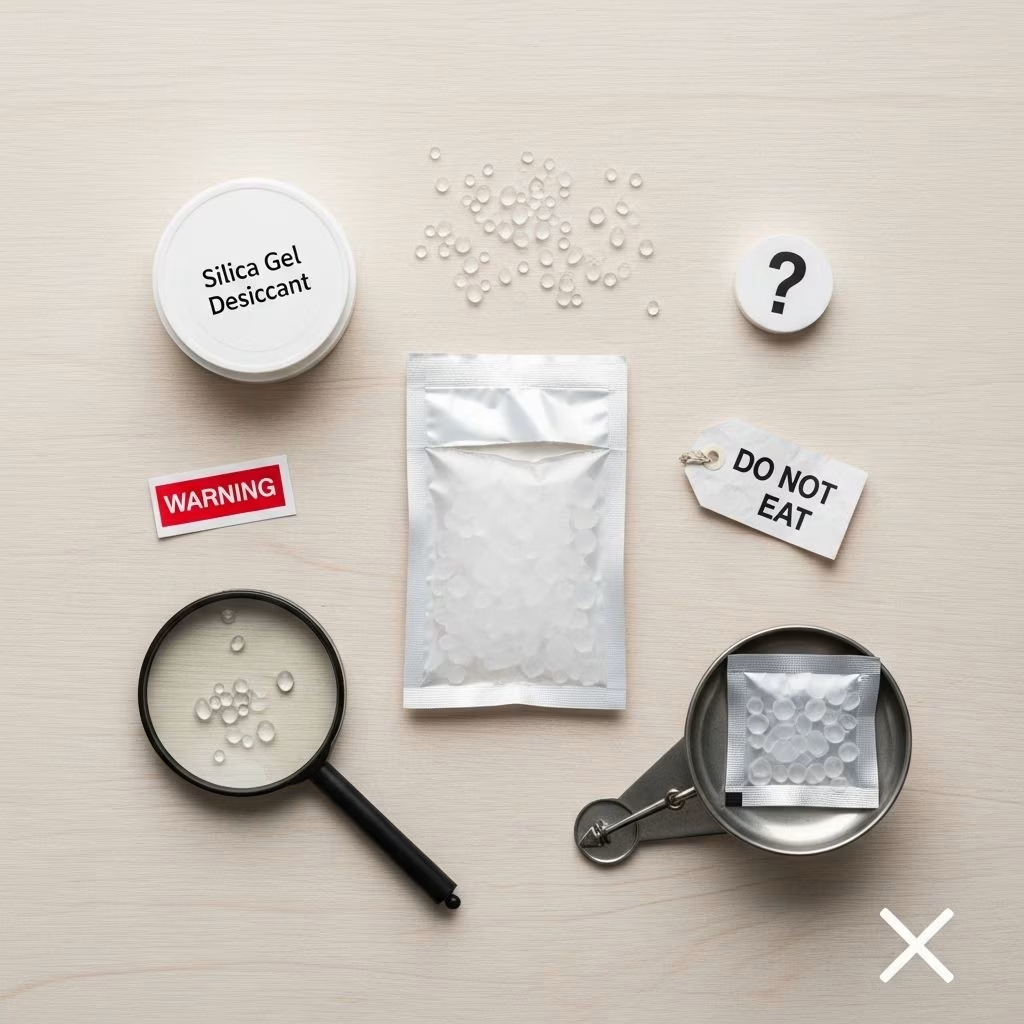
Silica gel is a common desiccant—meaning it absorbs moisture—used to keep products like electronics, vitamins, shoes, and food packages dry. You’ll often find small packets labeled “Do Not Eat” tucked inside new purchases. Despite the warning, accidental ingestion of silica gel packets occurs surprisingly often among adults, children, and pets.
Is Silica Gel Toxic?
Desiccant silica gel is considered non-toxic to humans in its pure form, and is chemically inert (meaning it does not break down or react inside the body). Accidental ingestion of silica gel itself is unlikely to result in poisoning or serious illness. However, risks do exist:
- Choking hazard: The packet itself, not the silica gel beads, is a major danger for young children and pets.
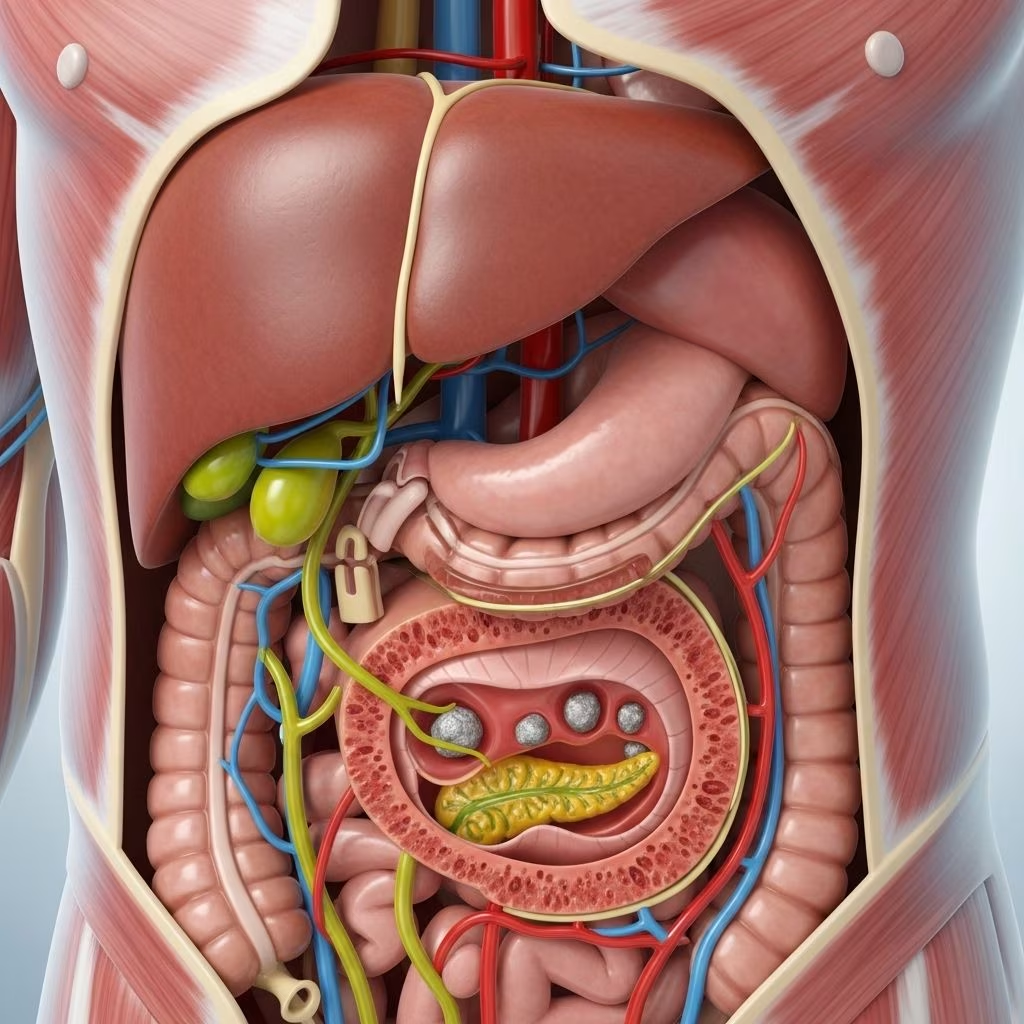
- Intestinal obstruction: Larger amounts or unchewed packets may cause digestive blockages, which can be serious.
- Toxic coatings: Some industrial packets contain cobalt chloride, a blue moisture indicator, which is toxic and can cause nausea or vomiting. These are rare in consumer goods.
What Happens If You Eat Silica Gel?
The outcome depends on several factors—amount ingested, packet type, and individual health status. Here’s what typically happens:
- Small quantities: Ingesting a small amount of pure silica gel almost always passes through the digestive tract harmlessly, as the beads do not dissolve or react inside the body.
- Symptoms: You may experience mild discomfort such as dry mouth or an upset stomach. This is often due to silica gel’s moisture-absorbing ability, not direct toxicity.
- Large quantities: Eating multiple packets or large clumps could potentially cause dehydration (from absorbed fluids) or, more seriously, a blocked intestine, especially in young children.
- Choking: The greatest immediate risk is choking, particularly if the packet is eaten whole or chewed, especially in small children.
- If toxic additives present: If the silica gel contains added chemicals like cobalt chloride, symptoms may include nausea, vomiting, or abdominal pain. These packets are usually colored blue or pink.
Table: Typical Outcomes by Amount of Silica Gel Ingested
| Amount Ingested | Potential Effect | Symptoms | Recommended Action |
|---|---|---|---|
| One or a few beads | Minimal (passes through system) | Dry mouth, mild stomach discomfort | Monitor; no treatment usually needed |
| One packet (small child or pet) | Choking or digestive upset | Coughing, difficulty breathing, vomiting, diarrhea | Check breathing; seek medical advice if symptoms |
| Multiple packets or large amounts | Bowel obstruction, dehydration | Abdominal pain, inability to pass stool/gas | Contact healthcare provider immediately |
| Packets with toxic coating (cobalt chloride) | Gastrointestinal toxicity | Nausea, vomiting, abdominal pain | Seek immediate medical attention |
What Should You Do If You Accidentally Eat Silica Gel?
If you, your child, or your pet eat silica gel, the response depends on what and how much was consumed. Here is a step-by-step guide:
- First, remain calm. Silica gel is usually non-toxic.
- Check for choking signs: coughing, gagging, difficulty breathing.
- Monitor for gastrointestinal symptoms such as vomiting, stomach pain, or inability to pass stool or gas.
- If symptoms develop or a large amount was consumed, contact a healthcare provider or poison control center for advice.
- In case of colored silica gel indicating cobalt chloride, seek immediate medical assistance.
Risk Factors: Who Is Most Vulnerable?
The biggest risks stem from the packet itself (plastic and paper components), and those with increased vulnerability:
- Children: Highest risk for choking. Silica gel beads may be mistaken for candy, and packets for food items.
- Pets: Dogs and cats may chew and swallow packets during play or exploration, leading to digestive upset or choking.
- People with swallowing difficulties: Elderly or those with neurological conditions are more at risk for choking or obstruction.
Why Do Silica Gel Packets Say “Do Not Eat”?
Despite generally being non-toxic, manufacturers label silica gel packets with prominent warnings for two main reasons:
- They are choking hazards, especially for children and pets.
- Some rare silica gel products used in industrial or specialty settings may contain toxic additives (like cobalt chloride).
Additionally, silica gel beads can absorb water from the mouth or digestive tract, causing minor discomfort or dryness.
Possible Complications and Symptoms
For most healthy adults, symptoms after accidental ingestion are minimal. In certain circumstances, complications may include:
- Dehydration: Silica gel absorbs moisture, potentially causing additional dryness and mild dehydration if consumed in larger quantities.
- Bowel obstruction: Rare, but serious—may occur if packet or a large mass of beads is swallowed. Symptoms: persistent pain, vomiting, inability to pass stool or gas.
- Vomiting and nausea: More common with packets containing toxic moisture indicators.
- Diarrhea: Pets and very young children may experience diarrhea or mild digestive upset after ingestion.
Special Considerations for Children and Pets
Children and pets are most vulnerable due to their small size and curiosity. Here’s how silica gel ingestion may appear in these groups:
- Signs in children: Sudden coughing, gagging, drooling, difficulty breathing, stomach discomfort, vomiting.
- Signs in pets: Excessive drooling, vomiting, diarrhea, signs of distress.
For both children and pets, ensure their airway is clear, monitor closely, and seek medical or veterinary advice if symptoms appear.
Prevention and Safety Tips
- Keep silica gel packets out of reach of children and pets immediately after opening packages.
- Dispose of packets securely in a sealed trash can.
- Teach children about the purpose and dangers of silica gel packets, emphasizing that they are not food or candy.
- Double-check foods before consumption, especially with takeout or packaged items—never assume sachets are seasoning packets.
Myths and Facts About Eating Silica Gel
- Myth: Silica gel is highly poisonous.
Fact: Pure silica gel is non-toxic but may cause choking or intestinal obstruction. - Myth: The warning is because the gel itself will dissolve and cause harm.
Fact: Silica gel is chemically inert; packets are labeled due to physical risks and rare toxic coatings. - Myth: All silica gel packets can cause severe illness.
Fact: Only packets with added chemicals (e.g., cobalt chloride, typically blue or pink when dry) are toxic if ingested.
Medical Treatment and When to Seek Help
Most cases of accidental ingestion do not require anything beyond monitoring. However, seek prompt medical attention if:
- The individual is choking or cannot breathe.
- The person cannot pass stool or gas, has stomach pain or vomiting.
- Colorful packets (indicating cobalt chloride or other chemicals) were ingested.
- Symptoms worsen or persist over several hours.
Frequently Asked Questions (FAQs)
Q: Is silica gel dangerous if eaten?
A: Pure silica gel is chemically inert and non-toxic, but packets pose a choking and obstruction hazard, especially in young children and pets.
Q: What should I do if my child eats a silica gel packet?
A: Check for choking, remove any remaining packet from their mouth, and monitor for symptoms. Contact a healthcare provider if any signs of distress or symptoms develop.
Q: Are all silica gel packets safe?
A: Most consumer-grade packets are safe but always check if the beads are colored (indicating added chemicals such as cobalt chloride). Colored packets are toxic and require immediate medical care.
Q: Can silica gel cause dehydration if swallowed?
A: It absorbs some moisture in the mouth or digestive tract, but significant dehydration from a single packet is rare. Large amounts may increase risk.
Q: What symptoms signal that I should seek medical help?
A: Difficulty breathing, persistent vomiting, abdominal pain, inability to pass stool or gas, or if the packet contains toxic additives.
Summary Table: Silica Gel Ingestion Risks & Actions
| Group | Risks | Symptoms | Recommended Response |
|---|---|---|---|
| Children | Choking, bowel obstruction | Coughing, difficulty breathing, vomiting | Check airway; seek help if symptoms |
| Adults | Mild discomfort, rare obstruction (large amounts) | Dry mouth, upset stomach, rare pain | Monitor for symptoms |
| Pets | Choking, digestive upset | Drooling, vomiting, diarrhea | Contact veterinarian if symptoms |
| Packets with chemicals | Gastrointestinal toxicity | Nausea, vomiting, abdominal pain | Immediate medical attention |
What to Do Next: Safety, Education, and Precautions
- Educate family members about silica gel packets and their purpose.
- Always check products for packets or sachets before allowing children or pets access.
- Keep emergency contacts for poison control or your physician easily accessible.
- Remember: Nearly all incidents pass without lasting harm if the packet is pure silica gel and immediate risks are managed.
References
- https://pmc.ncbi.nlm.nih.gov/articles/PMC3303575/
- https://wisedry.com/uncategorized/the-surprising-truth-what-really-happens-when-you-eat-silica-gel/
- https://www.webmd.com/digestive-disorders/what-to-know-silica-gel
- https://pmc.ncbi.nlm.nih.gov/articles/PMC7676770/
- https://www.healthline.com/health/digestive-health/what-happens-if-you-eat-silica-gel
- https://www.medicalnewstoday.com/articles/silica-gel
- https://www.aspca.org/news/learn-more-about-silica-gel-common-pet-toxin
- https://streampeak.com.sg/moisture-absorbers/silica-gel-harmful-to-health/