Why Sleeping in Contacts May Endanger Your Eyes
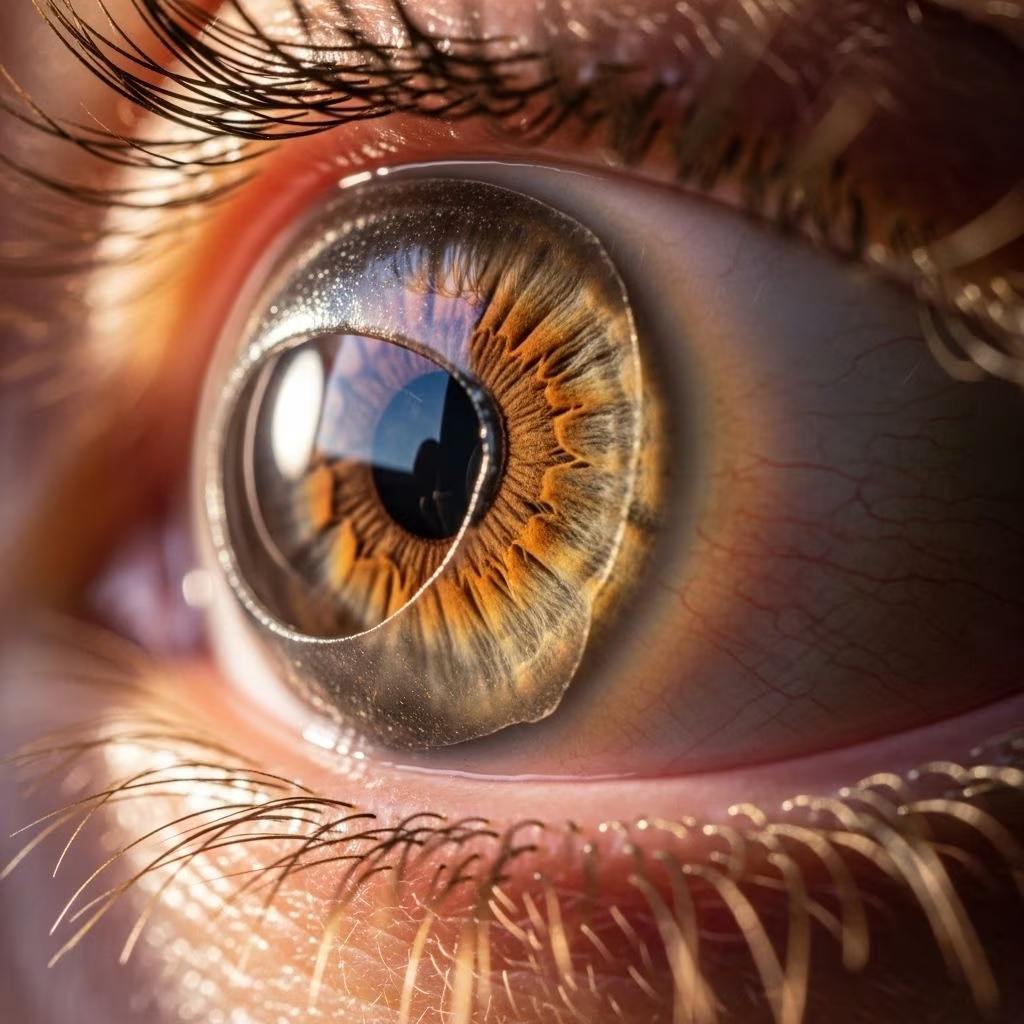
Millions of people rely on contact lenses to correct their vision or enhance their appearance. Contacts are popular, convenient, and generally safe when worn as directed. However, sleeping in contact lenses—whether intentionally or by accident—substantially raises the risk of developing serious eye health problems. Understanding these risks and knowing how to avoid them is crucial for maintaining lifelong vision and healthy eyes.
Are Contacts Approved for Sleeping?
Some contact lenses are marketed and FDA-approved for extended or overnight wear. Despite this, both experts and the Centers for Disease Control and Prevention (CDC) emphasize that sleeping in contacts greatly increases the risk of eye infection, even for lenses labeled as safe for sleep. Studies show that the risk is six to eight times higher for those who wear contacts overnight compared to those who do not. This holds true for all types of lenses, whether soft or hard, prescription or decorative.
- FDA approval for overnight wear does not eliminate infection risk.
- Experts recommend always removing contacts before sleep, including naps.
- Sleeping in contacts is a widespread behavior, despite the risks.
Who Is at Risk?
Virtually everyone who wears contact lenses is at risk of eye problems if they sleep in their contacts. Recent research highlights that risky behaviors are common across all age groups:
- Teenagers: 85% engage in at least one behavior that raises infection risk.
- Young Adults: 81% report risky practices, with sleeping in contacts as the most frequent.
- Older Adults: 88% admit to at least one behavior that could lead to infection.
Risk does not depend on the reason for lens use—both corrective and cosmetic lenses carry risks when misused.
How Does Sleeping in Contacts Increase Infection Risk?
The cornea, the clear, dome-shaped surface covering the front of your eye, is naturally exposed to bacteria daily. It relies on moisture and oxygen to stay healthy and defense-ready. When you wear contacts:
- Reduced oxygen: The lens acts as a barrier, preventing the cornea from getting adequate oxygen. During sleep, oxygen deprivation is even greater, leading to a state called hypoxia.
- Reduced hydration: Blinking while awake keeps eyes moist, but contacts and closed eyelids during sleep greatly decrease moisture.
- Compromised defense: Lack of oxygen and hydration impairs the cornea’s ability to fight off microorganisms, significantly raising infection risk.
The combination of hypoxia and dryness creates an environment where bacteria, fungi, and parasites can invade and infect the corneal tissue.
Common Eye Conditions Linked to Sleeping in Contacts
Eye infections from sleeping in contacts can be severe and sometimes permanent. The most common and serious conditions include:
| Condition | Description | Main Cause | Potential Outcome |
|---|---|---|---|
| Bacterial Keratitis | Inflammation or infection of the cornea by bacteria. | Pseudomonas aeruginosa, Staphylococcus aureus (from soil, water, body, improper cleaning) | Potential loss of partial or total vision; permanent corneal damage if untreated. |
| Acanthamoeba Keratitis | Corneal infection from amoeba found in tap water, soil, heating systems. | Poor lens hygiene, exposure to water, swimming/bathing in contacts | May lead to blindness; often affects contact lens users. |
- Sleeping in contacts increases vulnerability to both microbial and bacterial keratitis.
- Not only infection, but severe complications like surgery or permanent vision loss may result from advanced cases.
How Bacteria Invade via Contact Lenses
There are several pathways for bacteria and other pathogens to reach the eyes when wearing contacts:
- Handling contacts with unwashed hands introduces bacteria from skin and environment.
- Poorly cleaned or stored lenses become reservoirs for microbial growth.
- Rinsing lenses in water (not contact lens solution) increases contamination risk.
- Wearing contacts during activities involving water (swimming, showering) raises the chance of exposure to Acanthamoeba and other parasites.
What Happens If You Accidentally Sleep With Contacts In?
Accidental napping or sleeping in contacts is common: research estimates one-third of lens wearers do so at least once. If this happens, you should act promptly to minimize risk:
- Remove contacts as soon as possible: Check first that the lens is not stuck—if it is, use lubricating eye drops and blink several times until you can remove it safely.
- Let your eyes rest: Avoid lens use for at least 24 hours. Allow your eye’s surface to recover its oxygen and hydration balance.
- Monitor for symptoms: Watch for any signs of infection (see below).
- Contact your eye doctor: If symptoms appear, stop using contacts immediately and seek medical advice. Bring your lenses to the appointment for examination.
Signs You May Have an Eye Infection
- Blurry vision
- Redness
- Eye discharge
- Pain or discomfort
- Excessive tearing
- Sensitivity to light
- Swelling
- Itching or burning sensations
Any appearance of these symptoms warrants immediate consultation with a healthcare professional. Early intervention is critical to prevent lasting damage.
Is It Safe to Nap While Wearing Contacts?
Many people wonder if napping in contacts is safer than sleeping all night. However, experts confirm:
- Napping in contacts is never safe.
- Even short periods of eye closure in contacts can raise infection risk significantly.
- If you even suspect you might fall asleep, it is best to remove your contacts first.
Best Practices for Contact Lens Hygiene
Reducing the risk of infection starts with following strict hygiene and care guidelines for contact lens use:
- Wash hands thoroughly before handling lenses.
- Use only approved cleaning solutions—never water—to clean, rinse, or store contacts.
- Follow wearing schedules prescribed by eye care professionals.
- Never use contacts beyond their intended lifespan.
- Avoid wearing contacts in showers, pools, hot tubs, or any water environment.
- If you experience illness, eye irritation, or injuries, refrain from using contacts until cleared by a medical professional.
Frequently Asked Questions (FAQs)
Can I sleep in contacts that are approved for overnight wear?
No contact lens is entirely risk-free for sleeping, even if marketed for overnight use. The CDC recommends avoiding sleeping in contacts altogether, as it can increase infection risk six to eightfold.
How long can I nap before it becomes dangerous?
Even short naps with contacts raise the risk of infection. Any duration of eye closure with contacts on is unsafe, so remove them beforehand.
What should I do if my contacts feel stuck after sleeping?
Do not pull at them. Use lubricating eye drops and blink until the lenses loosen, then remove gently. If pain, redness, or swelling occurs, seek medical attention.
What are the most common infections linked to sleeping in contacts?
- Bacterial keratitis – often caused by Pseudomonas or Staphylococcus.
- Acanthamoeba keratitis – linked to water exposure and poor lens hygiene.
If I only slept in my contacts once, am I still at risk?
Yes. Even a single night can increase the chances of infection, especially if you experience symptoms such as pain or redness. Immediate removal and monitoring are advised.
How can I reduce my risk of eye infections from contacts?
- Always remove contacts before sleep (including naps).
- Practice strict cleaning and hygiene protocols.
- Replace lenses and cases as directed by your provider.
- Consult an eye doctor regularly for checkups.
Key Takeaways
- Sleeping in contacts dramatically increases the risk of eye infections and possible vision loss.
- Both overnight sleeping and short naps pose health hazards.
- Even contacts approved for extended wear are not entirely safe for sleeping.
- Recognize infection symptoms early and seek professional help immediately if they occur.
- Strict hygiene and proper care are the best ways to safeguard your eye health.
References
- Centers for Disease Control and Prevention (CDC).
- Expert recommendations and recent clinical research.
- Contact lens manufacturers and FDA safety guidelines.
References
- https://www.sleepfoundation.org/physical-health/sleeping-with-contacts-in
- https://www.healthline.com/health/eye-health/sleeping-with-contacts
- https://pmc.ncbi.nlm.nih.gov/articles/PMC6095652/
- https://www.healthline.com/health/great-contact-lenses-dry-eyes
- https://my.clevelandclinic.org/health/articles/10737-contacts
- https://specialty.vision/article/can-i-wear-contacts-while-i-sleep/
- https://www.medicalnewstoday.com/articles/glasses-vs-contacts