Flatulence, more commonly known as passing gas or farting, is a perfectly natural part of digestive health. Yet, the question of whether smelling farts can be healthy has captured attention in both scientific and popular circles. This article delves into the research on flatulence, examines purported health benefits and risks associated with smelling farts, and offers practical advice for managing digestive gas.
Understanding Flatulence: What Causes Farts?
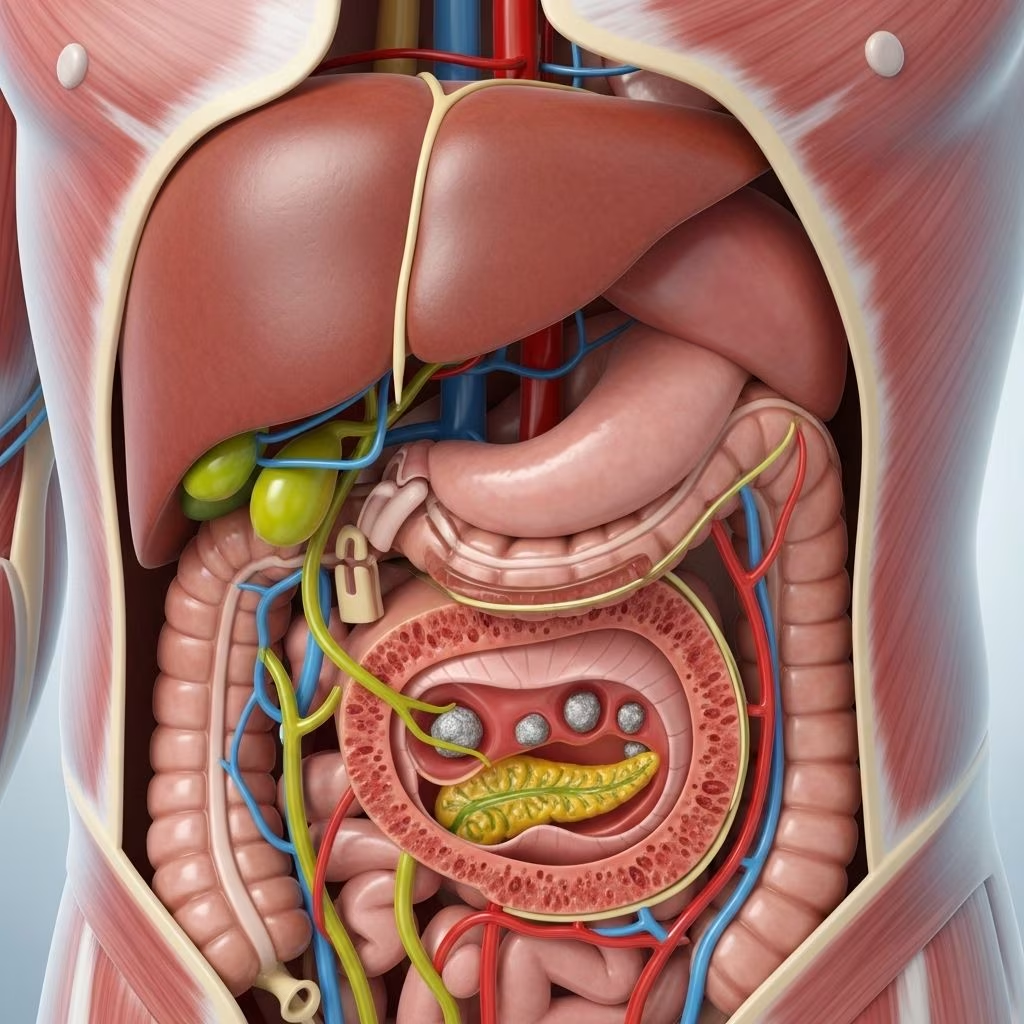
Flatulence is the release of intestinal gas, or flatus, produced as a byproduct of digestion. The primary sources of these gases are air swallowed while eating and gases released from the breakdown of food in the gut. Everyone passes gas multiple times a day—anywhere from 5 to 25 times daily is considered normal.
- Gases involved: Nitrogen, hydrogen, carbon dioxide, methane, and trace amounts of sulfur-containing compounds (the main contributors to odor).
- Common causes of increased flatulence: High-fiber diets, food intolerances (e.g., lactose, gluten), certain medications, bacterial overgrowth, and gastrointestinal illnesses.
Why Do Farts Smell?
The distinctive odor of some farts comes primarily from hydrogen sulfide and other sulfur-containing compounds created by bacteria in the large intestine as they break down undigested foods.
- Foods high in sulfur: Eggs, broccoli, cabbage, kale, and other cruciferous vegetables are known to cause smellier gas.
- Medical issues: Excessively malodorous flatulence may on rare occasions signal underlying issues like intolerances, constipation, or infections.
The Science: Does Smelling Farts Provide Health Benefits?
The provocative notion that smelling farts could be healthy is based on scientific studies analyzing the effects of hydrogen sulfide, a gas present in farts, on cells and animal models.
- Some laboratory research has found that hydrogen sulfide, in carefully controlled low concentrations, may protect mitochondria in cells, possibly lowering the risk of some conditions such as kidney disease, dementia, and cardiovascular disorders.
- Researchers stress that these studies have been done on cells or animal models, not in humans inhaling real-life flatulence.
As a result:
- There is currently no solid evidence that smelling farts is genuinely beneficial for your health in the real world.
- Any potential “goodness” stems from chemical properties of hydrogen sulfide and not from the act of sniffing bodily gas per se.
Where Did This Claim Originate?
The idea that inhaling farts could be healthy gained traction in popular media and on the internet as summaries of cell studies were misinterpreted. In reality:
- The University of Exeter research cited in such claims examined how small amounts of hydrogen sulfide shield cell mitochondria from damage.
- The studies involved cell cultures, not actual people sniffing gas from others.
Potential Health Benefits (and Limitations)
Despite viral stories, there is no clinical or epidemiological evidence suggesting that smelling farts will reduce a person’s risk of disease, prevent cancer, or extend lifespan.
Potential health claims about hydrogen sulfide include:
- Mitochondrial protection: Promoting healthy cell function in laboratory settings.
- Possible disease-modifying effects: In theory, these may impact conditions linked to cellular stress, such as Alzheimer’s, diabetes, and cardiovascular disorders—but only in highly specific, controlled scenarios.
Important limitations:
- No clinical trials have tested the direct effects of human exposure to flatulence on wellness.
- Hydrogen sulfide gas is potentially toxic in higher concentrations.
When Should You Worry About Your Farts?
Passing gas is entirely normal and a sign that your digestive system is functioning appropriately. However, certain types or patterns of flatulence may warrant attention.
| Situation | What it might mean |
|---|---|
| Occasional smelly farts | Dietary sources (e.g., beans, onions), normal bacterial activity. |
| Frequent excessive or offensive odor | Possible food intolerance, bacterial overgrowth, constipation. |
| Flatulence with additional symptoms | Should consult a doctor if accompanied by pain, bloating, weight loss, bloody stools, fever, or nausea. |
During certain periods, such as menstruation, hormonal fluctuations and dietary changes may cause transient changes in gut bacteria and increase the frequency or odor of flatulence.
How to Prevent or Minimize Gas and Its Odor
While you can’t eliminate gas production entirely (nor should you try to), there are several pragmatic steps that may reduce its frequency and odor:
- Eat slowly: Taking your time reduces swallowed air and aids digestion.
- Avoid trigger foods: Limit or avoid foods known to increase flatulence or cause fermentation, such as beans, cruciferous vegetables, and high-fat or high-fiber items if they cause you trouble.
- Moderate carbonated beverages: Sodas and sparkling drinks add more air to your digestive tract.
- Identify intolerances: If certain foods (like dairy or gluten) are problematic, consult your doctor about testing for intolerances such as lactose intolerance or celiac disease.
- Stay hydrated: Water helps food travel smoothly and minimizes constipation-related gas issues.
When to Seek Medical Attention
- Persistent changes in gas frequency or odor accompanied by pain, weight loss, fever, or blood in stools should be evaluated by a health professional.
- If dietary modifications and over-the-counter remedies do not help, professional advice can uncover underlying issues.
Debunking Common Myths About Flatulence
A number of myths surround farting and its impact on your health. Here’s what science actually says:
- Myth: Holding in farts is dangerous.
Fact: While uncomfortable, regularly holding in farts is not shown to cause harm, though occasional discomfort or bloating can result. - Myth: Only unhealthy people pass lots of gas.
Fact: Even people with optimal digestive health will pass gas throughout the day. - Myth: Smelling farts cures diseases.
Fact: While components of gas have shown protective effects in labs, there is no evidence to support this for people in day-to-day life. - Myth: Some people don’t fart at all.
Fact: Everyone passes gas, though frequency and odor will vary.
Home Remedies for Managing Bad-Smelling Gas
For most, occasional smelly gas is no cause for alarm. To manage or minimize it, try these evidence-based approaches:
- Keep a food diary: Note which foods seem to trigger gas and experiment with reducing intake.
- Eat smaller portions: Easier on your digestive system and may cut down on gas production.
- Add or avoid certain foods: Some people find probiotics, ginger, or peppermint can help, while others may need to limit heavy fibers or artificial sweeteners.
- Practice mindful eating: Don’t rush; chewing well can lessen excess swallowed air.
Frequently Asked Questions (FAQs)
Is it really healthy to smell farts?
No clinical evidence exists that suggests smelling farts provides health benefits in everyday life. Some studies on hydrogen sulfide in labs show theoretical benefits, but these do not translate to real-world recommendations.
How much flatulence is normal?
Passing gas between 5 and 25 times per day falls within the normal human range.
Should I worry if my farts smell bad?
Occasional bad odor is almost always normal. However, persistently foul-smelling gas, especially with pain or other digestive symptoms, should prompt a discussion with your doctor.
Can my diet cause smelly gas?
Yes. Foods rich in sulfur (like eggs and certain vegetables), dairy, artificial sweeteners, and high-fiber items are common culprits.
What can I do to reduce gas and its odor?
Eat slowly, avoid or limit trigger foods, stay hydrated, and consider moderating carbonated beverage consumption. If the problem persists, consult a healthcare provider.
Key Takeaways
- Flatulence is a natural, healthy bodily function and most people will experience a broad range of odor and frequency in their gas.
- The claim that smelling farts is healthy is based on laboratory research not directly applicable to humans.
- Diet, gut bacteria, and digestive health are the main influences on gas production and odor.
- Persistent, severe, or symptomatic flatulence may signal underlying health issues and should be evaluated by a healthcare professional.
References
- https://www.medicalnewstoday.com/articles/321111
- https://www.medicalnewstoday.com/articles/home-remedies-for-bad-smelling-gas
- https://www.healthline.com/health/digestive-health/smelling-farts-is-healthy
- https://www.healthline.com/health/video/why-do-i-keep-farting
- https://www.healthline.com/health/video/foods-that-help-with-bloating
- https://www.gutmicrobiotaforhealth.com/dont-be-ashamed-of-passing-gas-its-a-sign-your-gut-microbiota-rocks/