What Is the Sigmoid Colon?
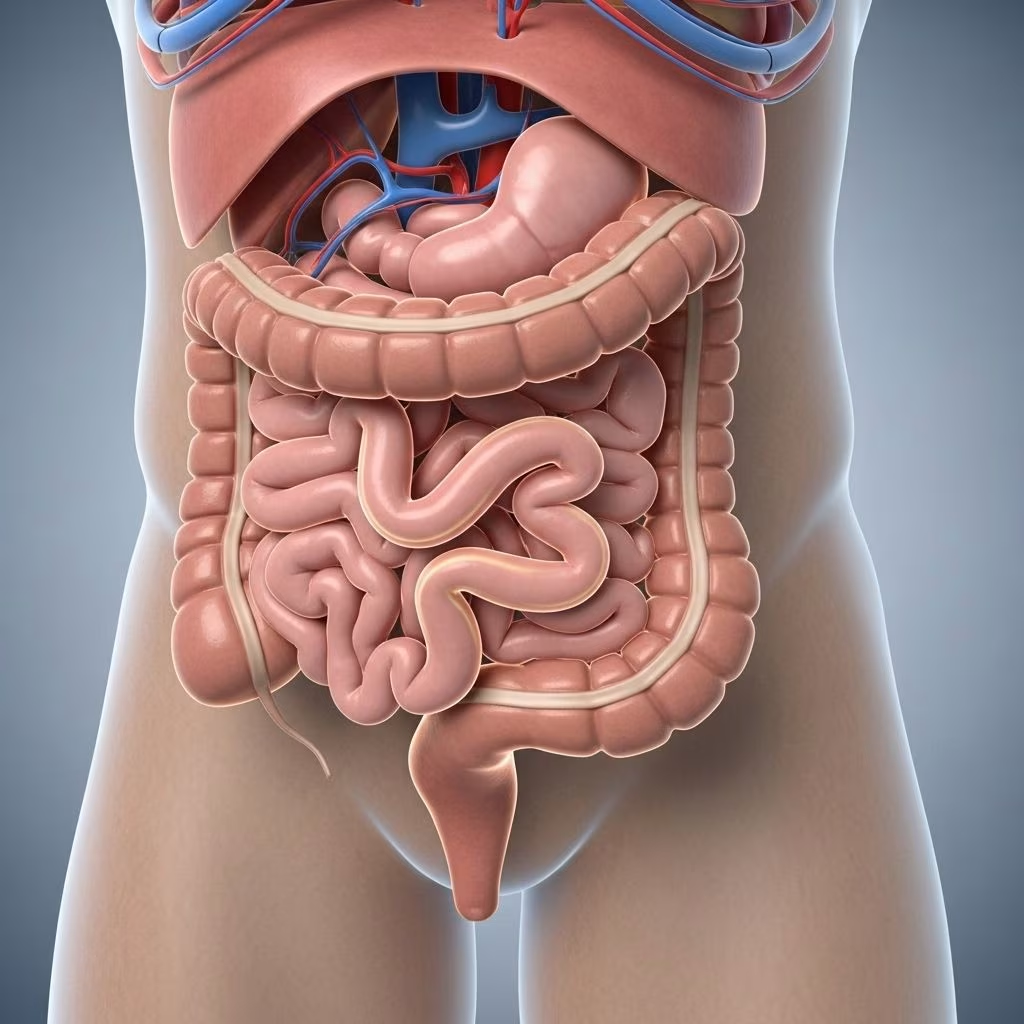
The sigmoid colon is the final S-shaped segment of the large intestine, located just before the rectum. Its primary role is to store fecal matter until it is ready to be expelled from the body. Shaped like the letter “S,” the sigmoid colon measures approximately 10–15 inches (25–40 centimeters) in length and sits within the pelvic cavity. As a crucial part of the digestive tract, it serves as a transition between the descending colon and the rectum, helping propel waste toward elimination through muscular contractions called peristalsis.
Where Is the Sigmoid Colon Located?
The sigmoid colon resides on the lower left side of the abdomen, within the pelvis. It connects the descending colon (to the left side of the abdomen) to the rectum. The route of food through the intestines is as follows:
- Mouth
- Esophagus
- Stomach
- Small intestine
- Ascending colon (right abdomen)
- Transverse colon (across the top)
- Descending colon (left abdomen)
- Sigmoid colon (left pelvis)
- Rectum
The sigmoid colon’s shape and position allow it to hold stool until a bowel movement is convenient or possible. Its location and curvature—the “S” shape—are essential for its function and make it vulnerable to certain health problems.
How Does the Sigmoid Colon Work?
The wall of the sigmoid colon consists of four prominent tissue layers:
- Mucosa (inner lining): Contains mucus-secreting cells that help lubricate waste, protecting tissues from bacteria and aiding passage.
- Submucosa: Encompasses connective tissue, nerves, and blood vessels. This layer carries remaining nutrients and signals impulses related to defecation (bowel movement).
- Muscularis externa: Composed of both longitudinal and circular smooth muscle layers. The longitudinal muscles contract to shorten the colon, while the circular muscles form bands called haustra, which are small, bead-like pouches that push and segment fecal matter for better water absorption and movement.
- Serosa (outer layer): A thin, slippery covering that protects the colon and allows it to move freely inside the abdominal cavity.
Movement of stool is primarily achieved through peristaltic waves—muscular contractions that advance feces toward the rectum. As the sigmoid colon contracts, feces are segmented and mixed, allowing for maximum absorption of water and electrolytes. When the rectum is ready to receive stool, a reflex triggers the urge to have a bowel movement. The muscular structure enables control, ensuring elimination happens voluntarily.
Functions of the Sigmoid Colon
- Temporary Storage: Holds feces until you are ready to use the bathroom.
- Propulsion: Initiates contractions that push fecal matter into the rectum for evacuation.
- Water Absorption: Absorbs remaining water and electrolytes, ensuring stool is properly formed and not too liquid.
- Bacterial Fermentation: Contains healthy gut bacteria (natural flora) that aid in digestion by breaking down undigested food.
- Protection: The mucosa layer restricts harmful bacteria from being absorbed by the body.
These combined functions make the sigmoid colon the body’s “last checkpoint” for processing waste before it enters the rectum and is excreted.
Common Symptoms of Sigmoid Colon Problems
Issues affecting the sigmoid colon can cause a range of symptoms. Not all symptoms are unique to this section of the colon, but some of the most common include:
- Abdominal pain or cramping (especially lower left side)
- Changes in bowel habits (e.g., constipation or diarrhea)
- Blood in the stool or rectal bleeding
- Bloating and gas
- Unintended weight loss (in more serious conditions)
- Feeling of incomplete bowel movement
- Urgency or straining during bowel movements
If you experience persistent or severe symptoms, especially rectal bleeding or unexplained weight loss, you should consult a healthcare provider promptly.
Disorders and Conditions Affecting the Sigmoid Colon
Several medical conditions can develop in this segment of the intestine. The most notable include:
- Sigmoid Volvulus: A twisting of the sigmoid colon that can obstruct the bowel. This is a medical emergency that can cause severe pain, constipation, bloating, and vomiting. It often requires surgery to correct.
- Diverticulitis: Small pouches (diverticula) sometimes form along the colon wall, particularly in the sigmoid colon. If these become inflamed or infected, diverticulitis develops—leading to pain (typically lower left abdomen), fever, and bowel changes.
- Colon Cancer: Cancers can arise in the sigmoid colon, manifesting as blood in the stool, persistent abdominal pain, changes in bowel habits, or weight loss. Early detection is critical for effective treatment.
- Inflammatory Bowel Disease (IBD): Both Crohn’s disease and ulcerative colitis can affect the sigmoid colon, causing chronic inflammation, pain, diarrhea, and sometimes bleeding.
- Colonic Polyps: These are small, benign growths that may appear in the mucosal lining and sometimes become precancerous.
- Ischemic Colitis: Reduced blood flow to the colon causes tissue damage and inflammation, sometimes affecting the sigmoid portion.
- Infection: Bacterial, viral, or parasitic infections can cause inflammation and alter normal bowel movements.
Who Takes Care of the Sigmoid Colon?
Healthcare providers who commonly diagnose, treat, and care for sigmoid colon conditions include:
- Gastroenterologists: Specialists in digestive system disorders, including the colon and rectum.
- Colorectal Surgeons: Surgeons who manage colon, rectal, and anal diseases, often performing procedures like colonoscopy or surgical resections.
- Primary Care Providers: Family medicine or internal medicine physicians can often identify symptoms and refer to appropriate specialists.
- Oncologists: Cancer specialists, especially when malignancy is suspected or confirmed.
Routine colon cancer screenings (like colonoscopies) are essential, especially for adults over age 45 or with risk factors for colorectal disease.
Diagnosing Sigmoid Colon Problems
Diagnosis typically starts with a thorough medical history and physical examination. Depending on symptoms, additional diagnostic tools may be used, such as:
- Colonoscopy: A flexible scope inspects the full colon, allowing for direct visualization, biopsy, or removal of polyps.
- Flexible Sigmoidoscopy: Focuses on the left side of the colon (including the sigmoid and rectum).
- CT Scans or MRI: Imaging tests reveal masses, inflammation, or twists (volvulus).
- X-rays: May be used to detect blockages or volvulus.
- Stool Tests: Check for blood, infection, or abnormal cells.
- Laboratory Tests: Blood tests may indicate infection, anemia, or markers for colon conditions.
Early detection and intervention greatly improve outcomes for most sigmoid colon disorders.
Treatment Options for Sigmoid Colon Disorders
Treatment depends on the specific condition and its severity. Here are general approaches:
- Diet and Lifestyle Modifications: High-fiber diets, adequate hydration, and exercise support regular bowel function and may prevent some disorders.
- Medications: Antibiotics for infections (like diverticulitis), anti-inflammatory drugs for IBD, or laxatives for constipation may be used.
- Endoscopic Procedures: Removal of polyps or minor lesions during colonoscopy or sigmoidoscopy.
- Surgery:
- Sigmoid Colectomy: Surgical removal of all or part of the sigmoid colon, most often for cancer, severe diverticulitis, or unresolvable blockage (e.g., volvulus). The descending colon is typically joined to the rectum after removal, allowing for continued, though sometimes altered, bowel function.
- Resection/Anastomosis: Diseased or damaged segments are removed, and the healthy ends of the colon are sewn or stapled together.
Recovery from sigmoid colon surgery may take weeks to months, depending on the procedure and overall health. Risks include infection, bleeding, and sometimes the need for temporary or permanent colostomy (an opening in the abdomen for waste elimination).
Summary Table: Key Facts About the Sigmoid Colon
| Aspect | Details |
|---|---|
| Location | Last curved section of the large intestine, before the rectum |
| Length | 10–15 inches (25–40 cm) |
| Main Functions | Stores and compacts feces, absorbs water and electrolytes, propels stool to the rectum |
| Common Disorders | Diverticulitis, volvulus, colon cancer, polyps, IBD |
| Main Treatments | Diet changes, medications, endoscopic or surgical intervention |
Frequently Asked Questions (FAQs)
What is the role of the sigmoid colon in digestion?
The sigmoid colon’s main function is to store feces until you are ready to defecate, absorb remaining water, and move waste to the rectum through coordinated muscle contractions.
What symptoms may indicate a problem in the sigmoid colon?
Common symptoms include abdominal pain (usually on the lower left side), constipation or diarrhea, blood in stool, bloating, changes in bowel habits, and occasionally unexplained weight loss.
How is sigmoid colon cancer diagnosed and treated?
Diagnosis utilizes colonoscopy, imaging, biopsies, and stool or blood tests. Treatment usually involves sigmoid colectomy surgery, sometimes paired with chemotherapy or radiation depending on the stage.
Can lifestyle changes help prevent sigmoid colon problems?
Yes, a high-fiber diet, regular aerobic exercise, proper hydration, and regular screening after age 45 can reduce risk factors for many sigmoid colon disorders.
What is a sigmoid colectomy, and when is it done?
A sigmoid colectomy is surgical removal of all or part of the sigmoid colon. It is performed when there is cancer, severe or recurrent diverticulitis, unresolvable blockages (like volvulus), or other serious colon disorders.
When to See a Doctor
Consult your healthcare provider if you notice any of the following:
- Rectal bleeding or bloody stool
- Persistent abdominal pain or cramping
- Significant changes in bowel habits
- Unexplained weight loss
- Bowel obstruction symptoms (severe pain, vomiting, inability to pass stool or gas)
Many sigmoid colon conditions, especially if caught early, can be managed effectively. Routine screening is key to maintaining a healthy digestive tract.
References
- https://www.kenhub.com/en/library/anatomy/sigmoid-colon
- https://www.healthline.com/health/digestive-health/sigmoid-colon
- https://www.healthline.com/health/colorectal-cancer/sigmoid-colectomy
- https://resources.healthgrades.com/right-care/digestive-health/sigmoid-colon
- https://www.ncbi.nlm.nih.gov/sites/books/NBK549824/
- https://www.medicalnewstoday.com/articles/redundant-colon
- https://www.medicalnewstoday.com/articles/proctosigmoiditis
- https://www.britannica.com/science/sigmoid-colon
- https://www.mdanderson.org/cancerwise/cancer-in-the-sigmoid-colon–what-it-means-when-colon-cancer-is-on-the-left-side.h00-159695178.html
- https://www.emedicinehealth.com/what_is_the_sigmoid_colon/article_em.htm