Meal Plans for Heart Failure: What to Try and What to Avoid
Changing your diet is a vital part of managing heart failure and improving overall well-being. Nutrition plays a central role in controlling symptoms, supporting cardiac function, and possibly reducing exacerbations. Doctors and dietitians often recommend increasing plant-based foods and lean proteins while decreasing sodium, alcohol, and excessive fluid intake. If you’ve been diagnosed with heart failure—whether systolic or diastolic—optimizing your meal plan can make a significant impact.
Why Dietary Choices Matter for Heart Failure
Heart failure affects how well your heart can pump blood throughout your body. Alongside medications, surgery, or medical devices, your healthcare team will likely advise making lifestyle modifications, especially changes in diet. A nutrient-rich diet can complement medical treatment, support heart function, and help minimize symptoms.
Heart-Healthy Meal Plan Options
Two dietary patterns stand out for heart failure management:
- DASH Diet: Designed to lower blood pressure, emphasizes plant-based foods, and is low in sodium and saturated fat.
- Mediterranean Diet: Inspired by eating habits common in Mediterranean countries, prioritizes vegetables, fruits, whole grains, legumes, and heart-healthy fats like olive oil.
Both diets can help you meet nutrition goals and are adaptable for lower sodium intake—especially when processed and packaged foods are limited. Discuss these options with your doctor or a registered dietitian to customize recommendations to your specific type of heart failure.
Key Characteristics of Heart-Healthy Diets
| Diet | Main Features | Benefits for Heart Failure |
|---|---|---|
| DASH | Fruits, veggies, whole grains, lean protein, low-fat dairy, limits sodium | Reduces blood pressure and cardiovascular risk |
| Mediterranean | Vegetables, fruits, nuts, seeds, fish, olive oil, limited red meat | Supports heart health, reduces inflammation |
Planning Meals Around Nutrient-Rich Foods
Meeting your body’s nutritional needs requires consuming a wide array of vitamins, minerals, fiber, and other essential nutrients. The American Heart Association recommends a diet rich in plant-based foods:
- Fruits and vegetables
- Beans and legumes
- Nuts and seeds
- Whole grains
Lean animal products also support nutritional needs:
- Seafood (especially fatty fish like salmon for omega-3s)
- Skinless poultry
- Low-fat dairy products
Limit foods with lots of empty calories, such as sugary drinks, desserts, and high-fat snacks, as they can contribute to weight gain and poor cardiovascular health.
Cutting Back on Sodium
Excess sodium can cause your body to retain fluids, increasing blood pressure and straining the heart—key risk factors for heart failure progression. The American Heart Association generally recommends limiting sodium to 1,500–2,300 mg per day.
Top Sources of Sodium to Watch Out For:
- Table salt and salty seasonings
- Processed and packaged foods (canned soups, frozen dinners, cured meats, snacks)
- Restaurant meals and take-out
Sodium restriction is a cornerstone of heart failure management, but individual recommendations vary. A recent study suggested overly strict sodium limits could raise risks in some heart failure patients. Your healthcare provider will establish the ideal sodium target for your condition.
Practical Tips for Reducing Sodium
- Read nutrition labels carefully; choose products labeled “low sodium” or “no added salt”.
- Favor home-cooked meals—season with herbs, spices, citrus juices, and vinegar instead of salt.
- Use fresh ingredients and unprocessed foods as much as possible.
- Limit consumption of foods with high sodium content, including some breads, cheeses, and condiments.
Limiting Fluid Intake
In some cases, heart failure can lead to fluid buildup, causing swelling and difficulty breathing. Your doctor may recommend fluid restriction, especially if you experience edema or severe symptoms. Fluid limits typically range from 1.5 to 2 liters per day but will vary by individual.
What Counts as Fluid?
- Water
- Coffee, tea
- Juice and soda
- Milk and dairy-based drinks
- Soups and broths
- Gelatin and ice
Track fluid intake with a daily log. Use small cups for beverages and space liquid consumption throughout the day rather than drinking large amounts at once. Check with your provider about specifics, since needs change as symptoms wax and wane.
Limiting Alcohol Consumption
Alcohol can worsen heart failure and interact negatively with medications. Many patients are advised to avoid or severely limit alcohol:
- Alcohol can contribute to arrhythmias (irregular heartbeats) and high blood pressure
- Excessive drinking may cause fluid retention
- Some heart failure medications have dangerous interactions with alcohol
Always discuss alcohol intake with your doctor for tailored advice. Some individuals may need complete abstinence, while others might be permitted minimal amounts.
Managing Calories and Weight
Maintaining a healthy weight is important for those managing heart failure. Being overweight can increase cardiac strain, while being underweight may limit energy and worsens outcomes. Calorie recommendations are individualized and may fluctuate based on age, sex, activity level, and symptoms. Eating nutrient-dense, lower-calorie foods can help maintain a healthy weight.
Smart Choices for Calorie Control:
- Choose fruits and vegetables as the main components of meals
- Pick lean protein sources, such as fish, poultry, and legumes
- Choose whole grains rather than processed varieties
- Limit high-calorie, low-nutrient foods like sugary snacks and fried foods
Sample 1-Day Heart Failure Meal Plan
| Meal | Foods | Estimated Sodium (mg) |
|---|---|---|
| Breakfast | Oatmeal with fresh berries and unsalted nuts | 350 |
| Snack | Low-fat yogurt with sliced fruit | 200 |
| Lunch | Grilled chicken breast, brown rice, and steamed vegetables | 600 |
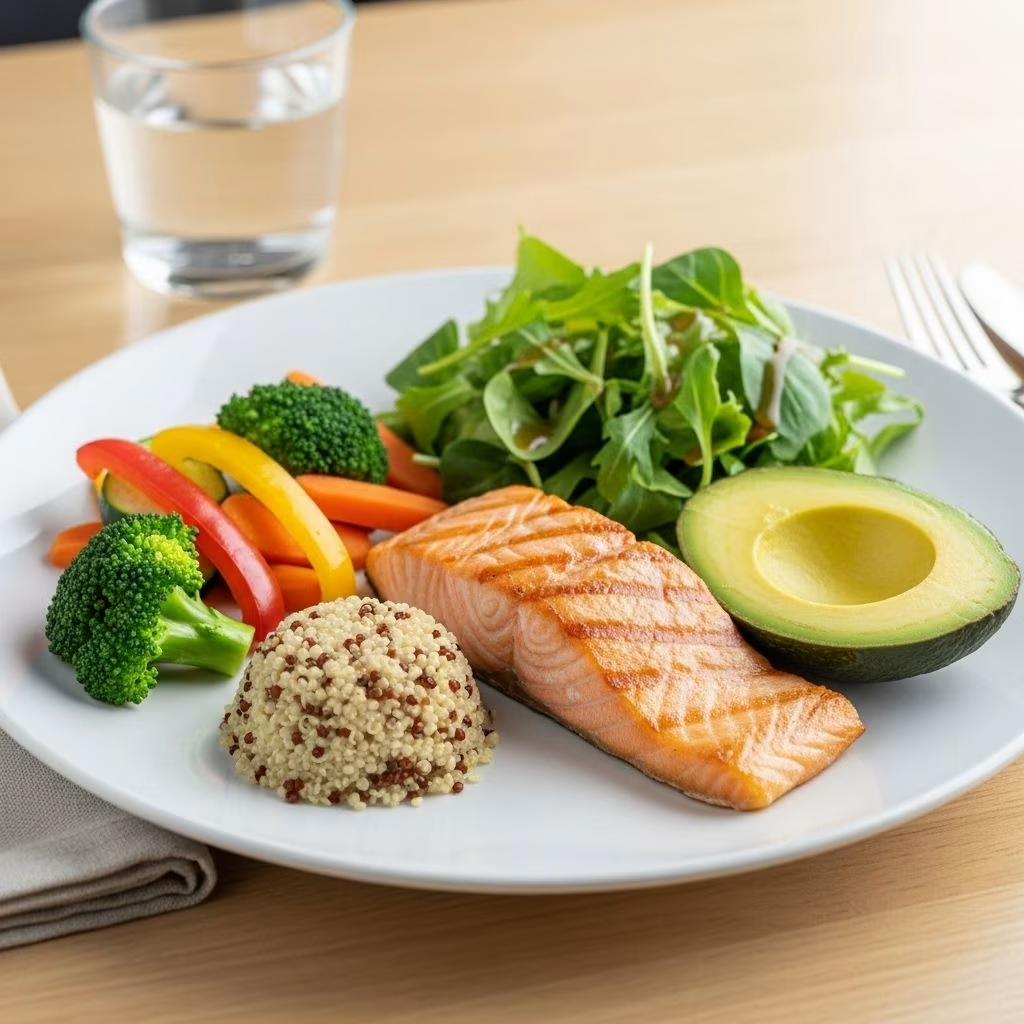
| Dinner | Baked salmon, quinoa, mixed greens salad with olive oil | 700 |
Daily total sodium: ~1,850 mg (based on common lower-sodium selections)
Tips for Eating Out and Special Occasions
- Opt for salads and vegetable-based sides over salty appetizers and fries.
- Avoid “all you can eat” and buffet-style meals to prevent overeating.
- Split restaurant entrees or appetizers with others to keep portions reasonable.
- Request low-sodium prep and sauces served on the side.
- Bring your own healthy dish to gatherings to ensure a safe option.
Lifestyle Considerations Beyond Food
Heart failure management benefits from several lifestyle adjustments, including:
- Physical activity: Engage in regular exercise as recommended by your doctor.
- Stress reduction: Practice relaxation techniques, like meditation or yoga.
- Adequate sleep: Maintain a consistent sleep schedule and address sleep issues.
- Smoking cessation: Avoid tobacco products completely.
Frequently Asked Questions (FAQs)
What foods should I emphasize in a heart failure meal plan?
Focus on fruits, vegetables, whole grains, legumes, nuts and lean protein sources. Choose foods naturally low in sodium and saturated fat.
What foods should I avoid with heart failure?
Limit processed foods, canned soups, packaged snacks, salty condiments, high-fat meats, full-fat dairy, and sugary treats.
How much sodium should I eat daily?
The recommended daily sodium intake is generally 1,500–2,300 mg for heart failure, but your healthcare provider may customize this guideline based on your health status.
Should I restrict fluids, and how?
Some people with heart failure need fluid limits of 1.5–2 liters per day, including all beverages and liquid foods. Talk to your doctor—recommendations vary.
Can I drink alcohol?
Many people with heart failure are advised to avoid alcohol entirely. Even moderate intake can worsen symptoms or cause dangerous interactions with medications.
What about caffeine?
Some experts recommend limiting caffeine, as it may contribute to irregular heartbeats or exacerbate fluid retention.
Which fruits are best?
All fresh fruits can be heart healthy, but focus on apples, bananas, mangoes, guava, citrus, papaya, avocado, and tomatoes for diverse nutrients and fiber.
Are there additional natural ways to support heart failure management?
In addition to diet, prioritize exercise (if approved by your doctor), stress reduction, and smoking cessation.
Key Takeaways for Heart Failure Meal Planning
- Choose balanced, nutrient-rich meals centered on whole foods.
- Aim to reduce sodium from processed and packaged items.
- Limit fluid and alcohol as recommended by your doctor.
- Manage calories to maintain a healthy weight and energy level.
- Consult your healthcare provider or a registered dietitian for personalized meal plans and ongoing support.
Disclaimer
This article provides general information; always seek professional medical advice tailored to your individual needs before making any dietary changes.
References
- https://www.healthline.com/health/heart-failure/meal-plans
- https://www.nhlbi.nih.gov/heart-truth/eat-a-heart-healthy-diet
- https://www.healthline.com/health/congestive-heart-failure-diet
- https://health.clevelandclinic.org/heart-failure-diet
- https://www.medicalnewstoday.com/articles/cardiac-diet
- https://www.healthline.com/health/video/how-to-prevent-heart-disease-with-food
- https://www.healthline.com/health/video/10-best-foods-for-heart-health
- https://www.healthline.com/health/video/best-diet-plans
- https://www.youtube.com/watch?v=KWaDvjSYmr4
- https://www.ucsfhealth.org/education/diet-and-congestive-heart-failure