How to Fart: A Comprehensive Guide to Healthy Gas Release and Digestive Comfort
Though often considered taboo, farting is a natural and essential bodily function that plays a critical role in maintaining digestive health. This guide explores why farting is normal, what happens when you hold it in, and practical steps to release gas safely while minimizing discomfort and embarrassment.
Why Do We Fart?
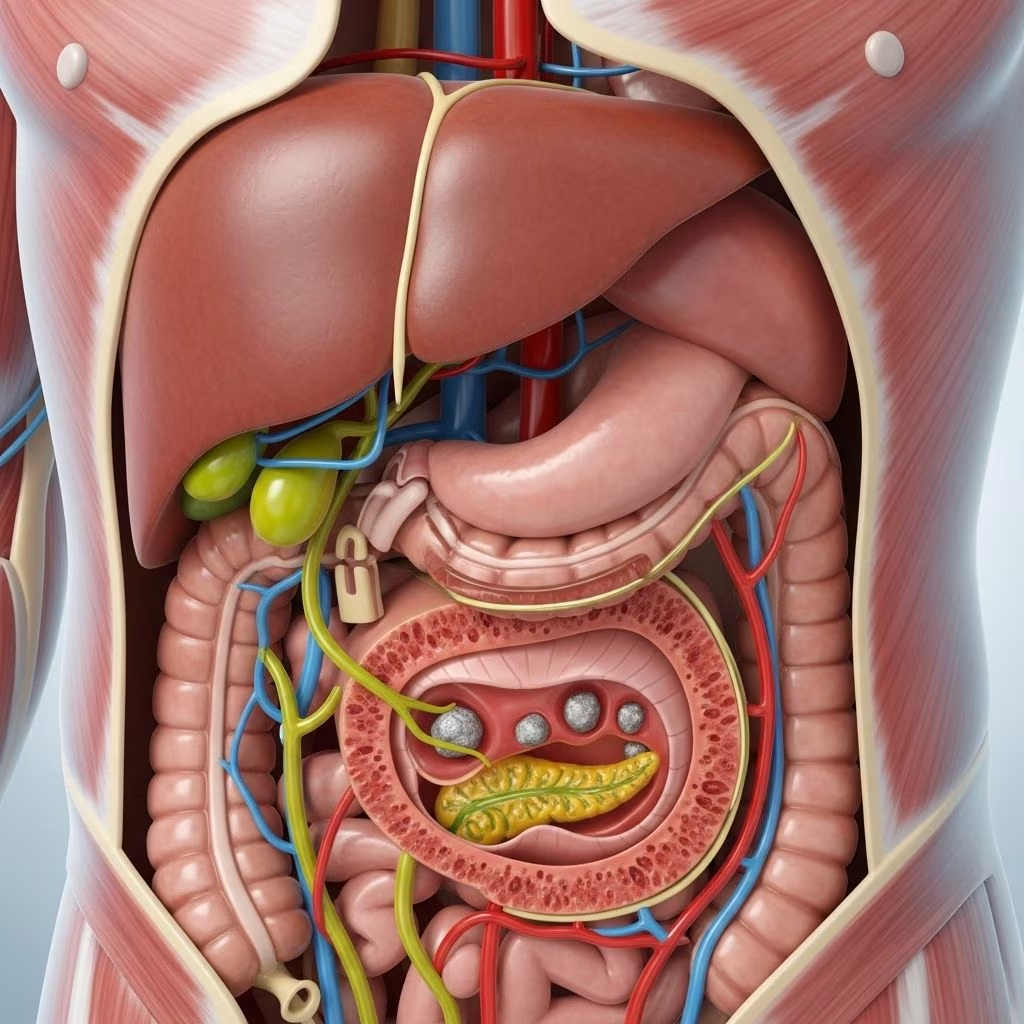
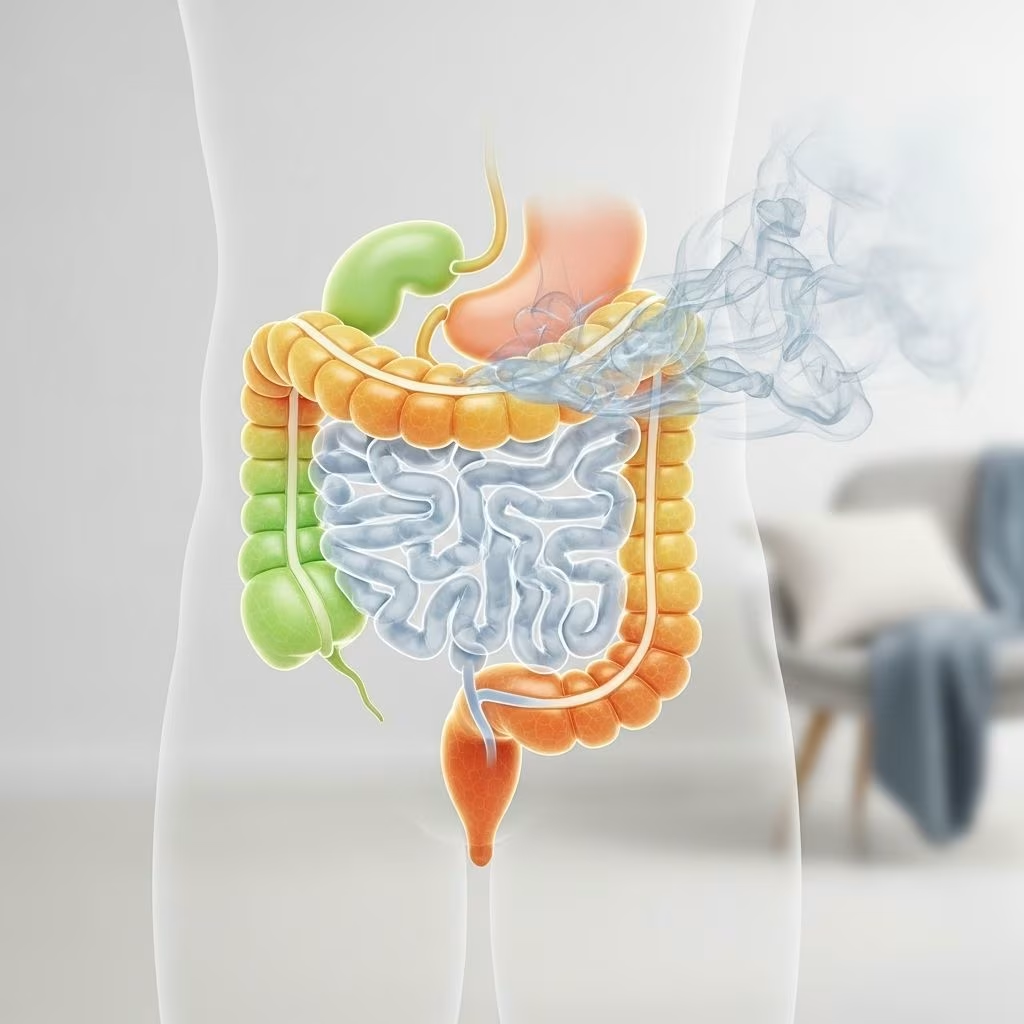
Farting, also known as flatulence, is the process by which your body expels excess air and digestive gases through the anus. There are two main sources of gas:
- Swallowed Air: Every time you eat, drink, chew gum, or even talk, small amounts of air are swallowed and make their way through your digestive tract.
- Digestive Processes: As food is broken down in your intestines, bacteria generate various gases (mainly odorless vapors such as nitrogen, carbon dioxide, hydrogen, and sometimes methane).
Most people pass gas around 14 times per day, although this figure may vary based on dietary habits and individual digestive health. The vast majority of these farts are odorless and largely go unnoticed.
Is Farting Normal and Healthy?
Yes, farting is healthy. The release of gas ensures that the digestive system maintains a comfortable pressure and helps to relieve symptoms like bloating and abdominal discomfort. Avoiding the urge to fart can lead to increased digestive symptoms.
Flatulence is a byproduct of a functioning digestive system, and most people experience it frequently with little to no negative health consequences. Only in rare cases does chronic or extremely odorous flatulence indicate an underlying digestive disorder.
What Happens if You Hold in a Fart?
Occasionally holding in a fart is not harmful. However, repeatedly suppressing the urge to pass gas can lead to several uncomfortable symptoms:
- Pain: Trapped gas places pressure on abdominal muscles, causing pain or cramps. People with digestive disorders, such as irritable bowel syndrome (IBS), may experience increased pain sensitivity.
- Bloating: Failing to relieve gas causes the digestive tract to swell, leading to a feeling of fullness or visible abdominal distension.
- Constipation: Holding in gas disrupts the normal movement of stool, potentially resulting in irregular, hard, or dry stools that are difficult to pass.
The anal sphincter plays a pivotal role in controlling both gas and stool. Regularly ignoring the urge can impact how tuned-in you are to your body’s signals, sometimes making constipation worse.
If you frequently find yourself in social situations where farting is awkward, remember that finding an appropriate and private space (like a bathroom) is the healthier choice for your body.
How to Fart on Purpose: Discreet and Healthy Techniques
If you need to fart but want to do so discreetly, there are several methods that can help relax the muscles of the digestive tract and prompt gas release:
- Change Body Position: Sitting or lying on your left side may help. Gently bringing your knees to your chest while lying on your back is another proven posture to release trapped gas.
- Gentle Abdominal Massage: Use the tips of your fingers to massage your abdomen in a circular motion, moving clockwise.
- Physical Activity: A short walk (even a 10–30 minute gentle stroll) can stimulate digestion and facilitate gas movement through the intestines, helping you pass gas naturally.
Be sure to find a comfortable and private location. Relax your anal sphincter as you exhale gently; this can help release gas voluntarily and reduce discomfort.
Fart Walking: Promoting Digestive Health
Fart walking refers to taking a short stroll soon after eating with the express purpose of relieving gas and supporting digestion. The technique is simple, accessible, and effective for most people:
- Time It Right: Aim for 4–5 minutes of light to moderate walking within 60–90 minutes after a meal. Even brief movement can help.
- Benefits: Walking stimulates digestive tract muscles, increases blood flow, facilitates stomach emptying, and relieves heartburn for many individuals.
- Frequency: Experts recommend 30–60 minutes of moderate-paced walking on most days for sustained digestive and overall wellness.
- Main Precautions: Fart walks are safe for most, but those with weak sphincter muscle tone may be at risk for increased acid reflux.
Time outdoors further supports the gut-brain connection by reducing stress and improving well-being, making fart walking a double boon to digestive and mental health.
Reducing Excessive Gas
If you struggle with frequent or uncomfortable flatulence, consider these tips to reduce overall gas production and promote digestive comfort:
- Chew Food Thoroughly: Eating slowly and chewing well reduces swallowed air and improves digestion.
- Limit Gassy Foods: Beans, lentils, cruciferous vegetables (like broccoli and cabbage), onions, and high-fiber foods often produce more gas.
- Avoid Carbonated Beverages: Sodas and sparkling water introduce excess gas into the digestive tract.
- Avoid Chewing Gum: Chewing gum increases swallowed air and may trigger more frequent flatulence.
- Try Gas-Relieving Exercises: Gentle yoga poses and walking can help move trapped gas through the intestines and out of the body.
Typically, making small lifestyle adjustments and monitoring your food choices can significantly alleviate unwanted flatulence.
Dietary Factors That Contribute to Gas
Your diet can have a substantial impact on gas production and digestive comfort. Here are some common dietary triggers:
- High-Fiber Foods: While fiber is essential for gut health, it can increase flatulence during digestion. Examples include beans, peas, bran, broccoli, and cabbage.
- Certain Sugars: Sorbitol, lactose, and fructose—found in some fruits, dairy, and sugar-free products—are known for causing gas in sensitive individuals.
- Processed Carbohydrates: Highly refined grains and sugars are readily fermented and can contribute to bloating and flatulence.
Implementing an elimination diet can help identify specific foods that trigger your symptoms. Gradually reintroduce potential gas-causing foods to monitor their effects on your comfort.
Supplements for Gas Relief
Some over-the-counter products and supplements may help minimize flatulence:
- Simethicone: Available as chewable tablets or capsules, simethicone helps break up gas bubbles, which can be passed more easily.
- Digestive Enzymes: Products like lactase or alpha-galactosidase assist the digestion of dairy and complex carbohydrates.
- Probiotics: These beneficial bacteria can help regulate the gut microbiome and reduce excessive gas production.
Always consult a healthcare provider before starting new supplements, especially if you have underlying conditions or are taking other medications.
When to See a Doctor
While occasional farting is healthy and normal, persistent, excessive, or especially odorous flatulence may signal an underlying issue. You should consult your doctor if you experience:
- Severe abdominal pain, bloating, or cramping
- Unexplained changes in bowel habits
- Unintentional weight loss
- Symptoms of chronic digestive disorders such as IBS, Crohn’s, or celiac disease
Your doctor may perform a physical exam, recommend dietary adjustments, or order diagnostic tests to identify or rule out serious health problems.
Frequently Asked Questions (FAQs)
Q: Is it ever harmful to hold in farts?
A: Occasionally holding in a fart poses little risk, but frequently suppressing gas can contribute to pain, bloating, and even worsen constipation.
Q: Are there medical reasons to worry about excessive flatulence?
A: Most flatulence is normal. However, persistent, foul-smelling gas, or other digestive symptoms (pain, diarrhea, etc.) may warrant a doctor’s evaluation.
Q: Are certain foods more likely to cause gas?
A: Yes. Beans, lentils, cruciferous vegetables, dairy (for those with lactose intolerance), and carbonated beverages are common triggers.
Q: What is the healthiest way to release trapped gas?
A: Relaxing in a private space, gentle movement, abdominal massage, or changing body position—especially lying on your left side or with knees to chest—are safe and discreet options. Fart walking after meals can also help.
Q: How can I reduce the embarrassment of farting in public?
A: Plan to use the restroom when you first notice gas, and practice dietary changes to limit excess flatulence. Remember: farting is a natural bodily function.
Summary Table: Healthy Farting vs. Holding in Gas
| Action | Outcome | Risks |
|---|---|---|
| Passing Gas (Farting) | Relieves pressure, prevents discomfort | Generally low; social embarrassment |
| Holding in Gas | Temporary relief of embarrassment | Pain, bloating, constipation if habitual |
| Fart Walking | Stimulates digestion, relieves gas | Rare; possible acid reflux for predisposed individuals |
Takeaways for Healthier Digestion
- Accept that farting is normal.
- Find private opportunities to relieve gas safely.
- Incorporate movement, especially walking after meals, to support digestion.
- Monitor your diet to reduce food-induced flatulence.
- Consult a doctor for persistent, painful, or unexplained digestive symptoms.
References
- https://www.medicalnewstoday.com/articles/is-holding-in-farts-healthy
- https://www.aol.com/fart-walking-may-promote-digestive-063952250.html
- https://www.healthline.com/health/how-to-stop-farting
- https://www.healthline.com/health/digestive-health/how-to-fart
- https://www.healthline.com/health/video/why-do-i-keep-farting
- https://www.healthline.com/health/video/why-my-stomach-makes-fart-noises
- https://www.medicalnewstoday.com/articles/321556
- https://www.healthline.com/health/video/yoga-posture-for-digestion