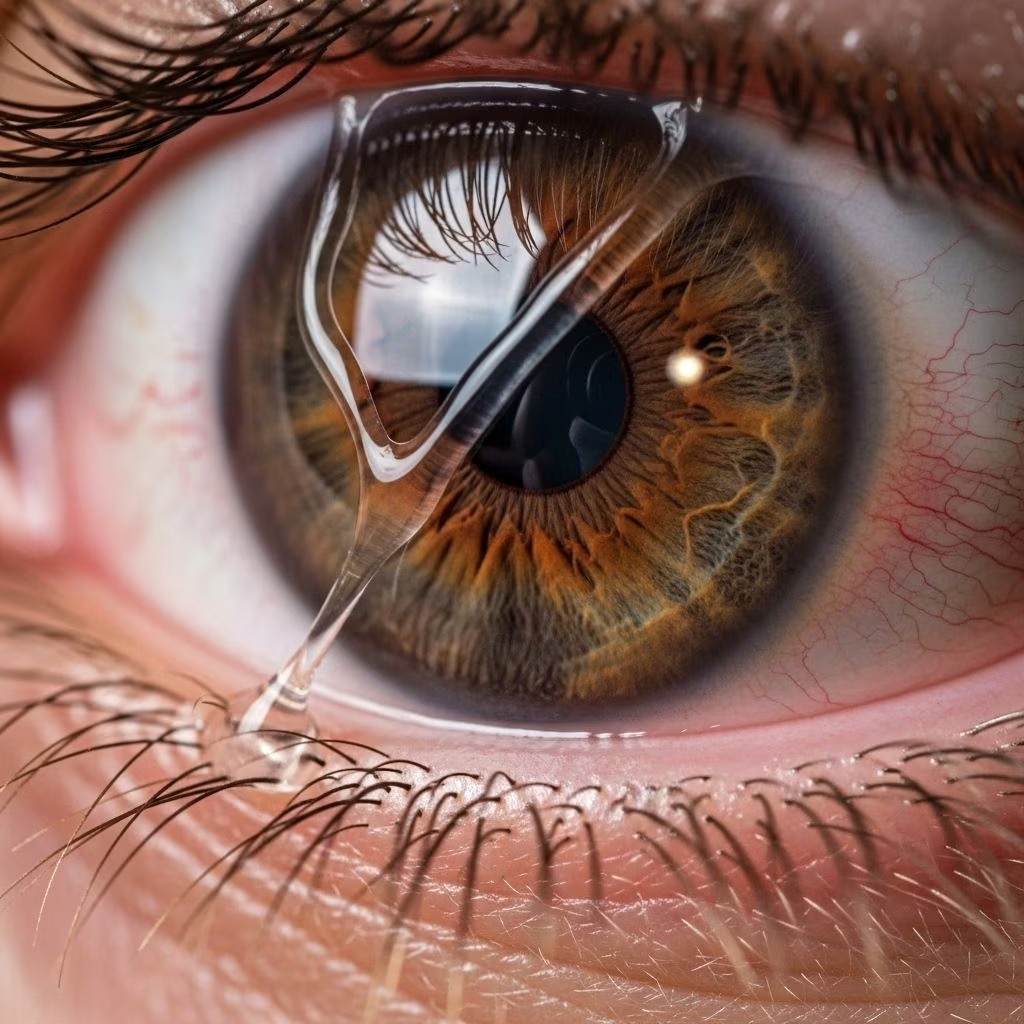
Mucus fishing syndrome is a disruptive eye condition defined by the repetitive removal of stringy mucus from the eye, leading to a cycle of ongoing irritation and excessive mucus production. This cycle is often triggered by underlying eye disorders and, without proper intervention, can cause persistent discomfort and elevate the risk of infection or further damage to the ocular surface.
What is Mucus Fishing Syndrome?
Mucus fishing syndrome refers to a self-perpetuating condition in which an individual repeatedly pulls or “fishes” mucus strands from the surface of the eye. Each time the eye is touched to remove mucus, mechanical irritation prompts the production of more mucus, worsening the problem. The syndrome often begins with an initial irritant or underlying eye disorder, and quickly becomes a habitual response. It was first described in 1985 and is more common than often recognized in clinical practice.*
Symptoms of Mucus Fishing Syndrome
- Frequent need to remove stringy or rope-like mucus from the eye
- Redness in or around the eye
- Watery discharge
- Burning, stinging, or general discomfort
- Sensation of something in the eye (foreign body sensation)
- Swelling or inflammation of the eyelids or conjunctiva
- Persistent irritation, especially after direct manipulation of the ocular surface
These symptoms often recur or worsen as the cycle continues, and repeated trauma from mucus removal can eventually lead to complications such as secondary infections or chronic inflammation.
What Causes Mucus Fishing Syndrome?
The root cause of mucus fishing syndrome is overproduction of ocular mucus, typically in response to an initial source of ocular irritation or an existing eye condition. The act of removing mucus mechanically irritates the eye, which further stimulates goblet cells in the conjunctiva to secrete more mucus. This begins a repetitive cycle:
- Ocular irritation or disease prompts mucus overproduction.
- The patient forcibly removes mucus.
- Mechanical trauma from removal exacerbates ocular irritation.
- This triggers increased mucus production and drives further removal.
Common Underlying Eye Conditions
Several ocular conditions can predispose a person to mucus fishing syndrome by increasing baseline mucus production or irritation:
- Conjunctivitis: Both allergic and infectious (bacterial or viral) forms can cause excessive mucus discharge.
- Blepharitis: Inflammation of the eyelids leading to irritation.
- Keratoconjunctivitis sicca (Dry eye syndrome): Reduces tear film stability, provoking mucus formation.
- Allergic eye disease: Chronic allergies sensitize the eyes, leading to increased mucus.
- Pterygium or other conjunctival lesions: Can chronically irritate the ocular surface.
- Exposure to irritants: Such as cigarette smoke or environmental pollutants.
Risk Factors
- Pre-existing ocular surface disorders (as listed above)
- Contact lens use (if hygiene is inadequate)
- Frequent rubbing or touching of the eyes
- Occupational or environmental exposures (smoke, dust)
- Patients with body-focused repetitive behavior (BFRB) disorders
How is Mucus Fishing Syndrome Diagnosed?
Diagnosis is primarily clinical, based on a typical history and physical findings. Physicians often recognize the syndrome through:
- Patient reporting or admission of frequent manual mucus removal
- Observing stringy mucus and evidence of repeated mechanical trauma (such as conjunctival injection or eyelid swelling)
- Characteristic staining patterns on the ocular surface, such as with rose bengal or lissamine green dyes
- Ruling out or identifying underlying causes such as conjunctivitis or dry eye syndrome
Sometimes, patients may not admit to the habit, making diagnosis challenging. A high index of suspicion is necessary, especially in patients with recurrent or unexplained ocular symptoms despite standard treatment.
Potential Complications
- Chronic conjunctival inflammation
- Secondary bacterial or viral infections
- Conjunctival scarring with prolonged trauma
- Reduced vision in severe or neglected cases
Treatment of Mucus Fishing Syndrome
Effective management focuses on two parallel goals:
- Addressing and treating any underlying ocular condition causing mucus overproduction
- Interrupting the cycle of mechanical irritation and self-manipulation
Medical Treatments
- Artificial tears and lubricating eye drops: Help soothe irritation, dilute mucus, and restore tear film balance.
- Antibiotic or antiviral eye drops: Used if there is evidence of secondary infection.
- Steroid or anti-inflammatory drops: Prescribed for significant inflammation, typically under ophthalmologist supervision.
- Antihistamine-mast cell stabilizers: For cases related to allergies, these can reduce mucus production and allergic symptoms.
- Mucolytic agents: In selected cases, specially formulated drops to break down thick mucus may be used.
Behavioral and Preventive Strategies
- Breaking the habit of mucus removal: Education is essential. Patients must understand that repeated removal fuels the cycle.
- Behavioral therapy: Especially for those with BFRB disorders, psychological counseling or therapy may be required to modify repetitive behavior.
- Environmental modifications: Minimizing exposure to irritants, optimizing workplace ergonomics, and controlling allergies can all help.
Adjunctive Measures
- Warm or cold compresses to reduce inflammation and soothe eyes
- Practicing good hand hygiene and not touching the eyes unless necessary
- Proper contact lens care and routine replacement
- Wearing sunglasses with UV protection outdoors
How to Prevent Mucus Fishing Syndrome
While not all cases are preventable, adopting the following strategies can help reduce risk and break the cycle if it has already begun:
- Avoid touching or rubbing the eyes whenever possible
- Wash hands thoroughly before any necessary eye contact, especially when inserting/removing contact lenses
- Keep contact lenses and lens cases clean, and replace them as recommended
- Protect eyes from irritants such as cigarette smoke, dust, or intense sunlight
- Eat a balanced diet with plenty of leafy greens and omega-3 rich foods like salmon and tuna
- Schedule regular, annual eye exams for early detection of eye conditions
- Use lubricant eye drops if you have chronic dry eye, and avoid letting bottle tips touch your hands or face
- Practice the 20-20-20 rule (look 20 feet away for 20 seconds every 20 minutes) to reduce screen-related eye strain
- Blink frequently during prolonged visual concentration
Frequently Asked Questions (FAQs)
Q: What is mucus fishing syndrome, and how common is it?
A: Mucus fishing syndrome is a condition where repeated manual removal of ocular mucus causes a cycle of irritation and increased mucus production. While exact prevalence is unknown, it is likely underdiagnosed, especially as patients may not report the behavior.
Q: Can mucus fishing syndrome go away on its own?
A: While mild cases may resolve, persistent removal of mucus keeps the cycle active. The condition is unlikely to clear without breaking the removal habit and treating any root causes.
Q: What can I do at home to help manage mucus fishing syndrome?
A: Avoid touching or fishing mucus from your eyes, use artificial tears for lubrication, maintain good hygiene, and see an eye care professional for underlying causes.
Q: Should I see a doctor for mucus fishing syndrome?
A: Yes, persistent eye discharge, irritation, or the urge to remove mucus warrants a professional evaluation to exclude infection or other eye disease and to receive guidance for treatment and prevention.
Q: Can children develop mucus fishing syndrome?
A: Children with underlying eye allergies or irritations may be at risk if they develop a habit of fishing out mucus. Parental education and intervention are critical.
Key Facts Table: Mucus Fishing Syndrome at a Glance
| Aspect | Details |
|---|---|
| Definition | Repetitive self-removal of ocular mucus resulting in cyclical irritation and excess mucus. |
| Common Symptoms | Redness, stringy mucus, watery eyes, burning, swelling, irritation. |
| Main Triggers | Eye allergies, infections, dry eye, environmental irritants, behavioral habits. |
| Diagnosis | Clinical history, ocular examination, identification of underlying conditions. |
| Treatment | Eliminate underlying cause, break fishing cycle, medications (lubricants, anti-inflammatories, antibiotics). |
| Prevention | Avoid touching eyes, treat eye conditions, maintain good hygiene, protect from irritants. |
Expert Tips for Lasting Eye Health
- Seek medical attention early for persistent eye mucus, redness, or discomfort.
- Communicate openly with your eye care provider about behavioral habits related to your eyes.
- Establish routines to reduce hand-to-eye contact, such as using tissues instead of fingers and practicing mindfulness when the urge to touch your eyes arises.
- Involve family or support networks if you struggle with repetitive behaviors, especially in children or vulnerable adults.
Resources and When to Seek Help
Persistent eye discomfort, recurrent redness, unusual or excessive mucus discharge, or changes in vision should always prompt a thorough medical evaluation. Even when mucus fishing syndrome is suspected or diagnosed, professional counsel ensures underlying or concurrent conditions are not missed, and personalized eye care plans can be put in place for optimal recovery.