Do Eyelashes Grow Back?
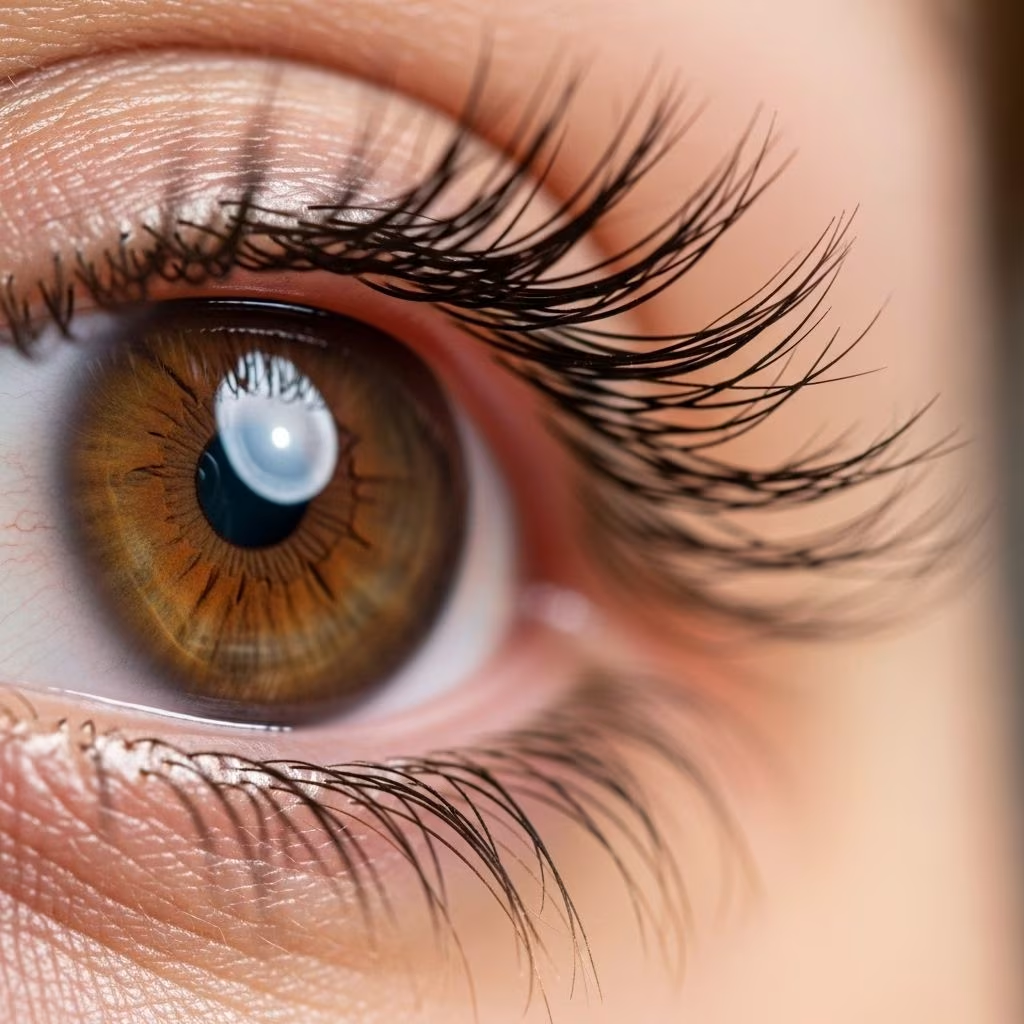
If you’ve ever noticed a few eyelashes on your cheek or pillow, you might wonder: do eyelashes grow back? The good news is that, in most cases, eyelashes do regrow naturally after falling out. However, regrowth rates can depend on the specific cause of lash loss, your overall health, and the condition of your hair follicles.
Understanding Eyelash Growth Cycles
Much like the hair on your scalp, eyelashes go through a natural growth cycle comprised of three main phases:
- Anagen (Growth Phase): Lasting 4–10 weeks, during which each lash grows approximately 0.12–0.14 millimeters per day.
- Catagen (Transition Phase): This short period, around 2–3 weeks, marks the end of active growth. The hair follicle shrinks, and growth halts.
- Telogen (Resting/Shedding Phase): The final stage lasts several weeks. Lashes rest before eventually falling out and the cycle restarts.
In general, a single eyelash has a life span of roughly 4 to 11 months.*
How Long Does Eyelash Regrowth Take?
The typical regrowth time for eyelashes is about 6 weeks, provided that the hair follicle (the tiny pocket under your skin where the hair grows) remains healthy and undamaged.*
However, if the follicle is injured, such as from burns, trauma, or medical treatments, some or all eyelashes might not return or may regrow more slowly.
Common Causes of Eyelash Loss
There are several reasons you might notice more significant loss of eyelashes:
- Physical trauma: Rubbing, pulling, frequent eyelash curling, rough makeup removal, and use of harsh mascaras can dislodge lashes.
- Medical treatments: Chemotherapy, radiation, and certain medications can rapidly cause lash loss.
- Dermatological conditions: Alopecia, blepharitis (eyelid inflammation), and trichotillomania (a hair-pulling disorder) may contribute.
- Infections and allergies: Bacterial or fungal infections and allergic reactions to cosmetics can weaken lashes.
- Nutritional deficiencies: Lack of essential nutrients, such as iron or biotin, may prompt excessive shedding.
- Burns or injuries: Thermal or chemical burns can damage follicles, hindering regrowth.
How Can I Speed Up Eyelash Regrowth?
Many people want to restore their eyelashes as quickly as possible. While some regrowth is determined by genetics and unavoidable health factors, several strategies may help:
Eat a Healthy, Nutrient-Rich Diet
Nutrition plays an essential role in supporting eyelash growth and overall hair health. Key nutrients include:
| Nutrient | Benefit | Food Sources |
|---|---|---|
| Protein | Essential for keratin production, key for strong, healthy lashes | Eggs, legumes, fish, lean meats, beans |
| Biotin (Vitamin B7) | Supports keratin structure and hair growth | Whole grains, nuts, broccoli, kale |
| Vitamins A and C | Encourage cell and collagen production to strengthen lashes | Berries, avocados, dark orange/yellow produce |
| Niacin (Vitamin B3) | Improves blood flow to follicles, stimulating growth | Turkey, peanuts, peas, avocados |
| Iron | Prevents lashes from entering a shedding phase | Spinach, poultry, seafood, beans |
Incorporating these foods can help your body grow stronger, fuller lashes.
Consider a Multivitamin
A daily high-quality multivitamin—especially one containing hair-healthy nutrients—may fill nutritional gaps that could otherwise slow regrowth.
Over-the-Counter Lash Conditioners and Serums
Numerous lash serums and conditioning gels are available for over-the-counter use. These products are often applied directly to the lash line and may promote a conditioned, healthier environment for growth. Some mascaras also include conditioning agents.
However, results can vary. Over-the-counter options typically contain a different set of ingredients compared to prescription formulas.
Prescription Medications
Only one eyelash-enhancing serum, Latisse (bimatoprost), is FDA-approved for stimulating eyelash growth. Studies show it can increase the length, thickness, and number of lashes. Side effects are possible, including skin irritation or iris darkening. Always consult a healthcare professional before using prescription products.
Home Remedies: Do They Work?
Many home remedies are popular online, such as olive oil, castor oil, and petroleum jelly. Scientific evidence, however, remains limited:
- Castor oil: Some small studies and anecdotal reports suggest that castor oil may help hair regrowth, but current research is insufficient for a clear recommendation.
- Olive oil, coconut oil, eyelash massage: While sometimes used, there is no strong scientific backing for their effectiveness in eyelash regrowth.
- Biotin supplements: Biotin is crucial for hair health but may not necessarily accelerate eyelash growth if you’re not deficient.
Always do a patch test to check for allergies or irritation before applying any product near your eyes, and discontinue use if you develop symptoms.
When to Seek Medical Advice
If your eyelash loss is sudden, severe, or accompanied by other symptoms—such as redness, pain, swelling, or vision changes—seek professional care. Underlying conditions may require treatment.
How to Prevent Eyelash Loss
- Be gentle when removing makeup, and avoid frequent rubbing or pulling at your lashes.
- Clean mascara brushes and other eye cosmetics regularly to prevent infection.
- Avoid waterproof mascaras if they’re hard to remove, as excessive rubbing can pull out lashes.
- Resist the urge to pull at your lashes (as in trichotillomania).
- Manage allergies and treat infections promptly.
- Use reputable products, and perform a patch test before trying new eyelash serums or balms.
Regrowth Timelines by Specific Cause
| Cause | Typical Regrowth Timeline | Considerations |
|---|---|---|
| Plucking/pulling | 4–8 weeks (if follicle intact) | Lash usually regrows if root is healthy |
| Loss from makeup or rub-off | Up to 6 weeks | Regrowth likely unless repeat trauma damages follicles |
| Burns | About 6 weeks (if follicle survives) | No regrowth if follicle destroyed |
| Chemotherapy | Varies (weeks to months after treatment) | Usually regrows; color, texture may change temporarily |
| Dermatological conditions | Ongoing unless condition treated | Requires intervention to restore follicles |
| Genetics/aging | Ongoing slow thinning | Proper care may minimize loss |
Factors Impacting Eyelash Regrowth
- Age: Older individuals typically experience slower regrowth.
- Genetics: Some are more prone to thinning or slow regrowth naturally.
- Hormonal balance: Changes during pregnancy, menopause, or conditions like hypothyroidism can affect lash cycles.
- Health conditions: Malnutrition, autoimmune diseases, and chronic stress all play roles.
Frequently Asked Questions (FAQs)
Q: Will eyelashes grow back after being pulled out by accident?
A: Yes, if the hair follicle remains undamaged, eyelashes usually regrow in about 4–8 weeks after being pulled out accidentally.
Q: Can mascara stop my lashes from growing?
A: Standard mascara use does not prevent regrowth, but excessive or rough removal, particularly with waterproof formulas, may cause lash breakage or trauma that can delay regrowth.
Q: Do eyelashes regrow after chemotherapy?
A: In most cases, eyelashes start to return within a few weeks to months following the end of chemotherapy. Texture and color may differ temporarily until normal cycles resume.
Q: What should I avoid to prevent further eyelash loss?
A: Avoid pulling or rubbing your eyes, use quality eye makeup, clean brushes regularly, and remove cosmetics gently. Seek treatment for infections or skin disorders promptly.
Q: Are there risks with lash serums?
A: Some lash serums (especially prescription versions) can cause side effects like redness, irritation, or darkening of the eyelid or iris. Always use under medical guidance and discontinue if irritation develops.
Key Takeaways
- Most eyelashes will grow back if the hair follicle is intact; regrowth may take 4–8 weeks.
- A balanced diet rich in protein, biotin, vitamins A and C, niacin, and iron helps support lash recovery and strength.
- Prescription products like Latisse can speed growth for some people, but always consult a healthcare professional first.
- Gentle eye hygiene and careful cosmetic use can minimize preventable eyelash loss.
- See a doctor if lash loss is sudden, severe, or involves other symptoms.
With proper care, most people can expect their lashes to recover naturally. For persistent or dramatic lash loss, consult your healthcare provider for evaluation and targeted treatment.
References
- https://www.healthline.com/health/how-long-does-it-take-for-eyelashes-to-grow-back
- https://forchics.com/blogs/beauty-talk/how-long-does-it-take-for-eyelashes-to-grow-back
- https://www.medicalnewstoday.com/articles/321849
- https://www.healthline.com/health/eye-health/do-eyelashes-grow-back
- https://www.healthline.com/health/video/how-long-does-it-take-for-eyelashes-to-grow-back
- https://www.medicalnewstoday.com/articles/325541
- https://www.bllashes.com/blogs/blog/how-to-grow-healthier-longer-fuller-lashes-before-after-eextensions
- https://adoreyes.com/blogs/news/does-vaseline-make-your-eyelashes-grow-the-truth-revealed
- https://www.uc.edu/news/articles/legacy/healthnews/2010/03/uc-health-line–longer-eyelashes-possible-with-new-medical-treatment.html