Peanut butter is beloved for its creamy texture, flavor, and nutritional benefits. However, many who experience acid reflux wonder whether enjoying this favorite spread might worsen their symptoms. This in-depth article reviews what science and clinical recommendations say about the relationship between peanut butter and acid reflux, highlights potential risks, and offers practical advice for those seeking digestive comfort without giving up their favorite spread.
Understanding Acid Reflux
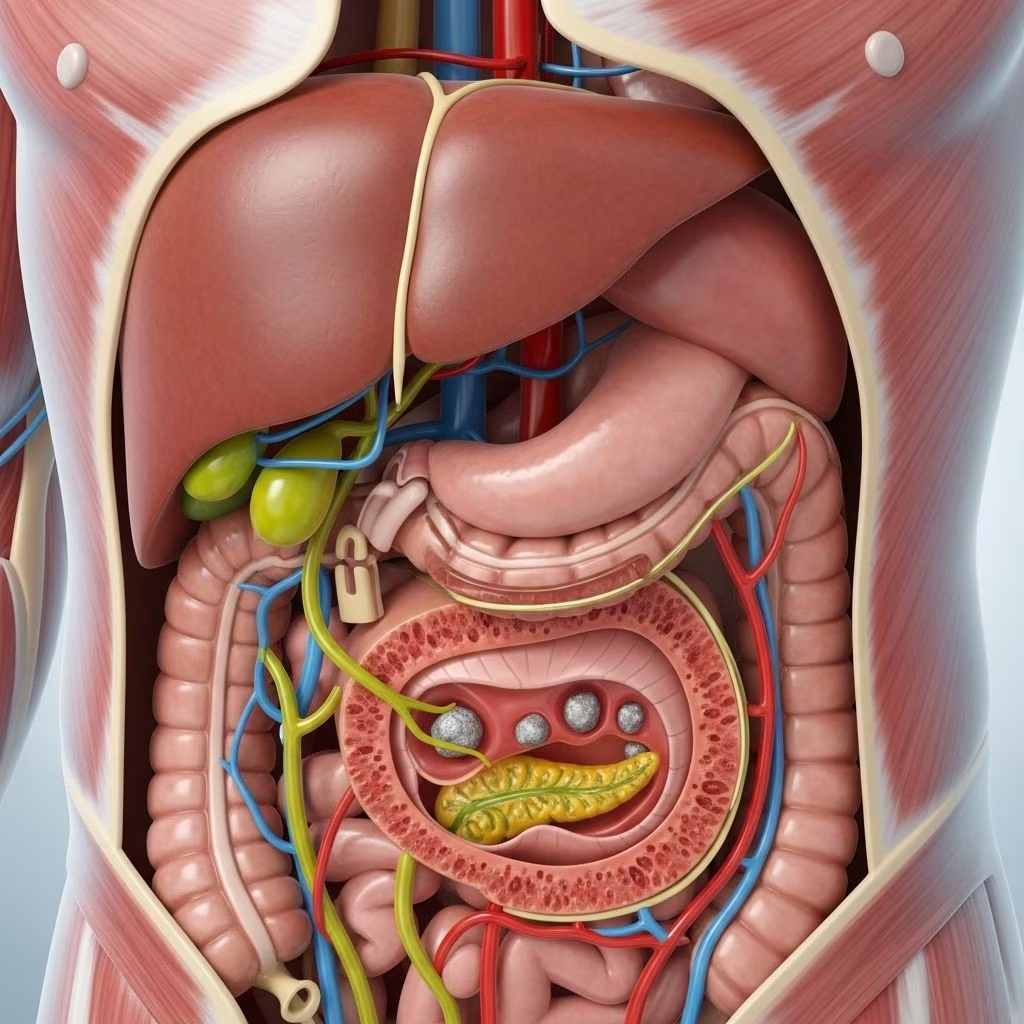
Acid reflux—also known as gastroesophageal reflux (GER)—occurs when stomach acid moves up into the esophagus. This can cause:
- A burning sensation in the chest (heartburn)
- A sour or bitter taste at the back of the mouth
- Regurgitation of food or liquid
- Discomfort or pain after eating
Chronic acid reflux can progress to gastroesophageal reflux disease (GERD), a long-term condition with potential complications like esophagitis (inflammation of the esophagus>.
How Diet Influences Acid Reflux
Dietary choices have a significant impact on acid reflux symptoms, but triggers vary greatly between individuals. While some people find certain foods exacerbate symptoms, others do not react at all. Commonly reported food triggers include:
- Spicy and fatty foods
- Citrus fruits
- Tomato-based sauces
- Carbonated beverages
- Chocolate
Understanding personal triggers and making dietary adjustments is often the key to minimizing symptoms and discomfort.
Is Peanut Butter an Acid Reflux Trigger?
The role of peanut butter in acid reflux is not clear-cut. Here’s what the evidence and expert recommendations indicate:
- Peanut butter is not generally considered a common trigger for acid reflux, according to most medical sources.
- However, as a high-fat food, peanut butter can potentially worsen acid reflux symptoms for some people, especially when consumed in large quantities.
- The fat in peanut butter is primarily unsaturated, considered a “good” fat that can benefit heart health, but fat (in any form) can slow digestion and increase the risk of reflux in sensitive individuals.
Notably, there are no large clinical studies exclusively linking peanut butter to the onset or worsening of acid reflux. Medical organizations such as the University of Pittsburgh Medical Center and Cedars-Sinai Medical Center list peanut butter—especially the smooth variety—as an acceptable part of a soft esophageal diet.
Key Considerations
- If you are not sensitive to high-fat foods, it’s unlikely that peanut butter will trigger reflux symptoms.
- If under medical care for esophagitis or other forms of reflux, always consult your healthcare provider about including peanut butter in your diet.
Why Can High-Fat Foods Trigger Reflux?
High-fat foods can relax the lower esophageal sphincter (LES), a muscle that prevents stomach acid from moving into the esophagus. When fat intake is high:
- The LES may relax, making it easier for stomach acid to escape upward.
- Digestion slows, causing food to remain longer in the stomach and increasing pressure.
- This can result in classic symptoms such as heartburn or regurgitation.
This doesn’t mean all high-fat foods will trigger reflux for everyone, but the risk is elevated, especially with large portions or in people with existing sensitivity.
Peanut Butter Varieties: Smooth vs. Chunky
Does the type of peanut butter matter? Healthcare authorities note some important differences:
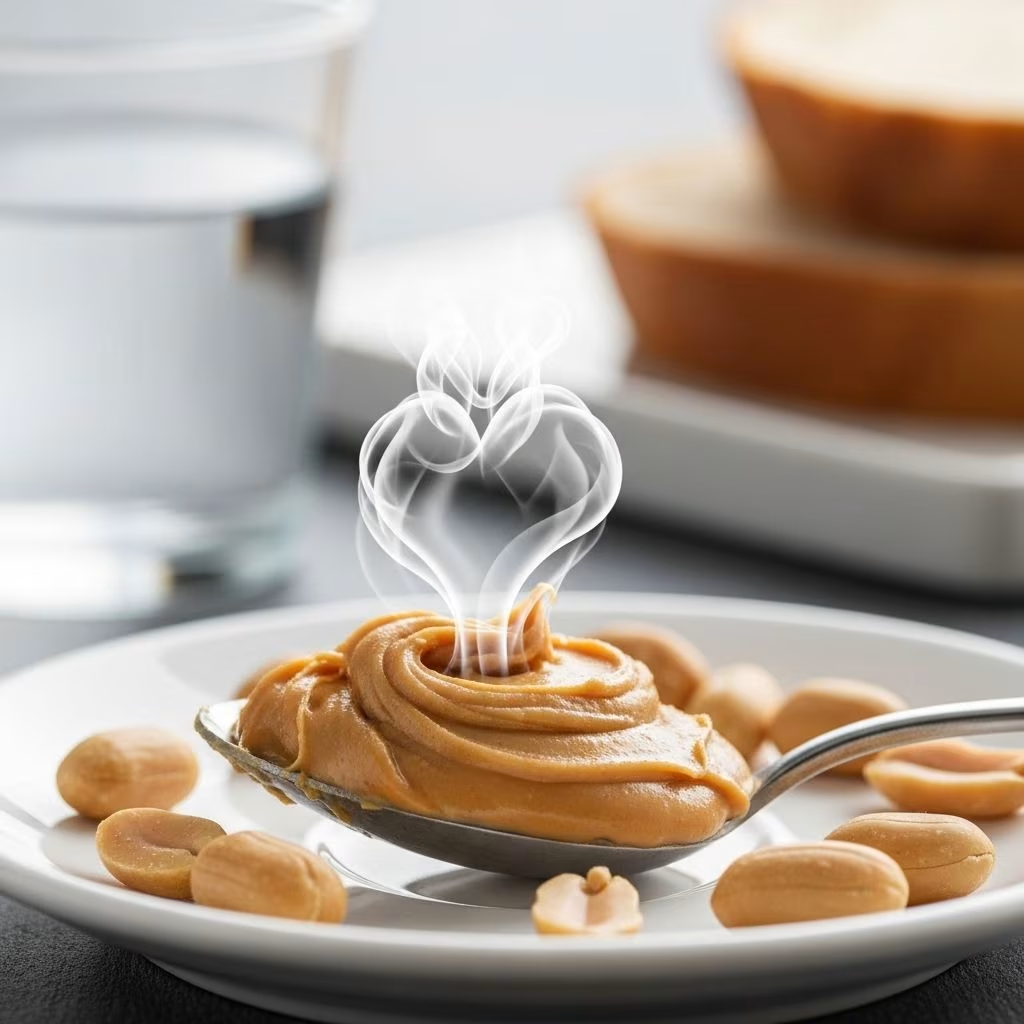
- Smooth/Creamy peanut butter is recommended for those with esophageal discomfort, as it is easier to swallow and less likely to irritate the esophagus.
- Chunky peanut butter may be more difficult to digest and can provoke symptoms in sensitive individuals.
- Natural and low-fat versions might be better tolerated—for those who wish to minimize fat intake.
Always read ingredient labels: Some peanut butters contain added sugars, oils, and preservatives which may influence digestion and discomfort.
Peanut Butter’s Nutritional Value and Possible Benefits
Peanut butter is not just tasty—it is also nutrient-dense:
- Rich in unsaturated fats: These can help lower cholesterol and support heart health.
- High in protein: Supports muscle and tissue repair.
- Contains fiber: Promotes digestive health and regularity (though fiber has not been directly linked to reflux improvement).
- Packed with vitamins and minerals: Especially vitamin E, magnesium, and manganese.
This nutritional combination makes peanut butter a good option for most people, provided it does not trigger reflux symptoms for the individual.
Could Peanut Butter Make Acid Reflux Worse?
From the current evidence and expert advice:
- Overeating peanut butter, especially in large portions, may be more likely to worsen reflux due to its fat content.
- People sensitive to fat or experiencing an acute reflux episode may want to avoid or limit peanut butter until symptoms subside.
- Combining peanut butter with other potential triggers (such as chocolate or white bread) can compound symptoms.
If you experience reflux after eating peanut butter, consider reducing your portion size or switching to lower-fat alternatives.
How to Test If Peanut Butter Is Right for You
Not everyone with acid reflux will react the same to dietary triggers. If you wish to incorporate peanut butter into your diet, use these strategies:
- Start Small: Eat 1 tablespoon of peanut butter and monitor your symptoms for several hours.
- Gradually Increase: If no symptoms develop, try a standard serving (typically 2 tablespoons) at your next meal.
- Pair Wisely: Combine peanut butter with reflux-friendly foods like whole-grain toast or oatmeal.
- Track Symptoms: Keep a food diary to identify any personal triggers and patterns.
- Consult Your Doctor: Especially if you have chronic or severe reflux, or if you have a history of esophageal conditions.
Risks and Precautions
While generally safe, several considerations should guide your choices:
- Individual responses vary: Some people may experience discomfort, while others do not react at all.
- Food Allergies: Those with peanut allergies or eosinophilic esophagitis (an allergic inflammation of the esophagus often triggered by peanuts and other allergens) should strictly avoid peanut butter.
- Portion Size: Stick to a standard serving (1–2 tablespoons) to reduce risk.
- Other Dietary Triggers: If you combine peanut butter with foods that commonly trigger reflux for you, symptoms may intensify.
If you notice increased symptoms after eating peanut butter, it might be best to avoid it or discuss dietary modifications with a healthcare professional.
Peanut Butter Alternatives for Acid Reflux
If peanut butter is not well tolerated or you wish to avoid it, consider these alternative spreads, especially if you are seeking low-fat, low-acidic options:
- Almond butter: Generally lower in saturated fat, but still test for tolerance as it is also a nut butter.
- Sunflower seed butter: Nut-free and often easier for sensitive digestion.
- Low-fat cream cheese or yogurt spreads: Check labels for added sugars and acids.
- Mashed avocado: A creamy, healthy-fat alternative that is typically less likely to trigger reflux.
General Strategies for Managing Acid Reflux
Diet is only part of managing reflux. Consider the following lifestyle strategies:
- Eat smaller, frequent meals: This reduces pressure on the stomach.
- Sit upright after meals for at least an hour: Avoid lying down, which can promote reflux.
- Avoid eating late at night: Give your body at least 2–3 hours to digest before bedtime.
- Elevate your upper body during sleep: To keep acid in the stomach.
- Maintain a healthy weight: Weight loss (if needed) can alleviate pressure on the stomach and reduce symptoms.
- Limit other common triggers: Such as caffeine, alcohol, chocolate, and carbonated drinks.
Nutritional Comparison Table: Peanut Butter and Common Spreads
| Spread | Calories (per 2 tbsp) | Total Fat (g) | Saturated Fat (g) | Protein (g) | Dietary Fiber (g) |
|---|---|---|---|---|---|
| Peanut Butter (regular, smooth) | 180–200 | 16 | 3 | 7 | 2 |
| Almond Butter | 190 | 17 | 1.5 | 7 | 3 |
| Sunflower Seed Butter | 200 | 18 | 1.5 | 6 | 2 |
| Low-Fat Cream Cheese | 70 | 5 | 3 | 2 | 0 |
| Mashed Avocado | 50 | 4.5 | 0.5 | 1 | 2 |
When to Consult a Healthcare Provider
Most people with acid reflux can safely include small amounts of peanut butter in their diets. However, you should consult a medical professional if:
- You experience reflux symptoms frequently or severely after eating peanut butter.
- You have a personal or family history of peanut or tree nut allergies.
- You have been diagnosed with eosinophilic esophagitis or other food-allergy-related disorders affecting the esophagus.
- You are unsure about potential triggers and need guidance on your reflux management plan.
Frequently Asked Questions (FAQs)
Can people with mild acid reflux eat peanut butter?
Yes, most people with mild acid reflux can safely consume modest amounts of peanut butter—especially smooth, unsweetened varieties. Monitor your symptoms and start with small servings.
Is almond butter a better choice for acid reflux?
Almond butter is similar in fat content to peanut butter, so it may not be dramatically different in terms of potential symptoms. However, everyone’s triggers are different. Try both in small amounts to see what works best for you.
Should I avoid peanut butter if I have GERD?
There’s no need to automatically avoid peanut butter with GERD unless you find it triggers your symptoms. Stick to recommended serving sizes, choose creamy varieties, and consult your doctor for personalized advice.
Does peanut butter help with acid reflux?
There is no evidence that peanut butter helps or alleviates acid reflux. Its role is neutral or variable depending on individual tolerance.
What is the best way to eat peanut butter for less reflux?
Pair peanut butter with whole-grain toast or oatmeal and stay within 1–2 tablespoons per serving. Avoid adding it to chocolate or other known triggers, and remain upright after eating for at least an hour.
Takeaway: Can You Enjoy Peanut Butter with Acid Reflux?
Most people with acid reflux can enjoy peanut butter in moderation, especially if they pay attention to their body’s signals and practice other reflux-reducing strategies. Choose creamy, unsweetened varieties, keep portions small, and consider alternatives if you observe discomfort. For persistent or severe symptoms, or if you suspect other underlying digestive issues, always consult a healthcare professional for personalized dietary guidance.
References
- https://www.vinmec.com/eng/blog/acid-reflux-and-peanut-butter-what-you-should-know-en
- https://www.healthline.com/health/digestive-health/peanut-butter-and-acid-reflux
- https://perks.optum.com/blog/peanut-butter-good-for-acid-reflux
- https://www.healthline.com/health/gerd-acid-reflux/diet-restrictions
- https://www.healthline.com/health/video/heartburn-acid-reflux-remedies
- https://www.quick-eze.com.au/news/heartburn/healthy-late-night-snacks
- https://arizonapremiersurgery.com/2024/01/17/top-gerd-friendly-snacks-to-try/
- https://www.healthdigest.com/366303/foods-to-eat-and-foods-to-avoid-for-acid-reflux/